Kimono Family Ceremonies 2026: Birth, Coming-of-Age & Memorials
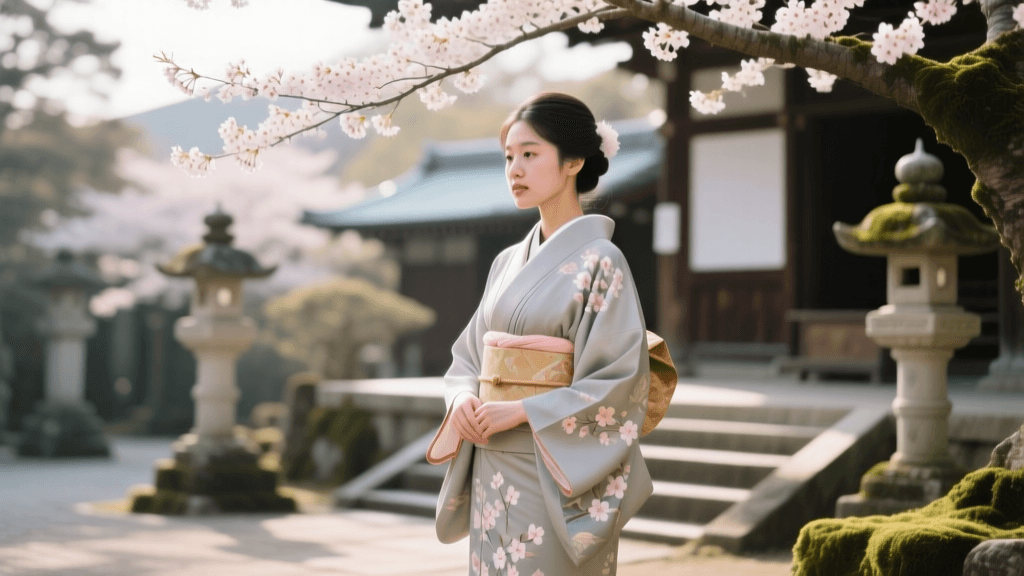
In Japan, the kimono is far more than a beautiful garment; it is a wearable archive of family history, social standing, and life’s most profound transitions. As we navigate 2026, the intersection of deep-rooted tradition and modern convenience has reshaped how families approach ceremonial dress. From the joyous shrine visits of newborns to the solemn elegance of memorial services, understanding the nuances of kimono etiquette is essential for anyone participating in or observing Japanese family milestones. According to the Japan National Tourism Organization, the preservation of these sartorial traditions remains a cornerstone of Japanese cultural identity, even as modern lifestyles evolve. This comprehensive guide explores the specific garments, evolving trends, and practical considerations for birth, coming-of-age, and memorial ceremonies in 2026.
Omiyamairi: Celebrating Birth and New Beginnings
The Omiyamairi is a traditional Shinto shrine visit that takes place when a newborn is approximately one month old. The purpose is to introduce the baby to the local tutelary deity (ujigami) and pray for the child’s health and longevity. In 2026, while some urban families opt for modern studio photography, the traditional shrine visit remains a vital family gathering, requiring specific ceremonial garments.
The Baby’s Garments: Ubugi and Iwaigi
The newborn is traditionally dressed in a white cotton undergarment called an ubugi, wrapped in a beautiful silk outer robe known as an iwaigi (celebration garment). For baby boys, the iwaigi often features bold, auspicious motifs like hawks, samurai helmets (kabuto), or dragons in deep blues, blacks, or greens. For baby girls, pastel pinks, yellows, and reds adorned with peonies, cherry blossoms, or rabbits are preferred. In 2026, breathable, temperature-regulating silk blends have become highly popular for summer births, ensuring the infant remains comfortable during the outdoor shrine procession.
Attire for the Mother and Grandmother
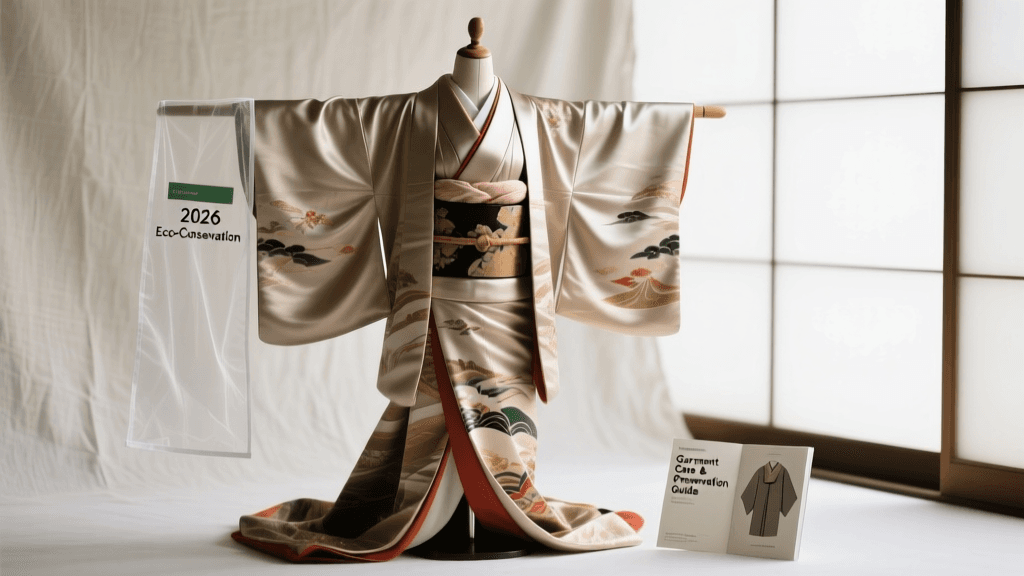
The women accompanying the baby typically wear formal, elegant kimono. The mother, still in her postpartum recovery phase, often opts for a Homongi (visiting kimono) or a slightly less formal Tsukesage. These garments feature beautiful, continuous patterns that flow across the seams. Grandmothers frequently wear Edo Komon or subdued Iromuji (single-color kimono) with one or three family crests (kamon), projecting a dignified, supportive presence. A major trend in 2026 is the coordination of the mother’s obi (sash) with the baby’s iwaigi motifs, creating a harmonious visual link between the generations.
Seijin no Hi: The Coming-of-Age Ceremony
Seijin no Hi (Coming-of-Age Day) is one of the most vibrant and highly anticipated events on the Japanese calendar. Following the legal shift in 2022 that lowered the age of adulthood to 18, municipalities in 2026 have largely settled into a hybrid approach: while legal adulthood begins at 18, most cities still host the grand kimono ceremonies for 20-year-olds to avoid conflicting with university entrance exams, often renaming the event a "Gathering of 20-Year-Olds."
Furisode: The Pinnacle of Youthful Elegance
For young women, the undisputed star of the ceremony is the Furisode, a kimono characterized by its long, swinging sleeves that can measure up to 114 centimeters in length. The Furisode is the most formal attire for unmarried women. In 2026, the Japan Times Lifestyle section has noted a massive surge in the "recycled" or vintage kimono market. Many young women are choosing to upcycle vintage Furisode from the Showa era, pairing them with hyper-modern, avant-garde obi knots and contemporary hair accessories, blending nostalgia with Gen Z individuality.
Hakama and Menswear
While Western suits dominate men’s fashion for this ceremony, a significant minority of young men in 2026 are returning to the traditional Hakama (pleated trousers) worn over a solid-colored kimono, often featuring the family crest. This look, reminiscent of Meiji-era scholars, is prized for its intellectual and dignified aesthetic. For those renting, packages now frequently include professional grooming and styling to ensure the Hakama sits perfectly at the waist, a service that has become standard in high-end Tokyo and Kyoto rental boutiques.
Memorials and Funerals: Honoring the Departed
While birth and coming-of-age are celebrations of the future, memorial ceremonies (Houji) and funerals (Ososhiki) require a strict adherence to mourning etiquette. The kimono worn during these times is heavily codified, with deviations considered deeply disrespectful to the deceased and their family.
Mofuku: The Ultimate Mourning Attire
For immediate family members at a funeral, the required garment is the Mofuku. This is a solid, matte black kimono made from plain silk crepe, completely devoid of any decorative patterns. It is worn with a black obi, black obi-jime (cord), and black obi-age (sash scarf). Crucially, a formal Mofuku bears five family crests (itsutsu-mori-kamon) printed in white on the back, shoulders, and chest. In 2026, the Agency for Cultural Affairs continues to emphasize the importance of preserving these specific textile traditions, even as everyday kimono wearing declines. The matte finish of the silk is essential; any shine or luster is considered inappropriate for mourning.
Iromuji and Later Memorials
As time passes, the strictness of the mourning attire softens. For the 3rd, 7th, 13th, and 33rd-year memorial anniversaries, attendees transition to Iromuji (single-colored kimono) in subdued, muted tones such as charcoal gray, deep navy, or dusty purple. These garments may feature one or three family crests. The obi transitions from solid black to subtle silver, gray, or muted gold brocades. This gradual lightening of color symbolizes the family’s slow journey from deep grief back into the everyday world, a beautiful psychological and visual metaphor embedded in the clothing.
2026 Cost, Sourcing, and Ceremony Guide
Acquiring ceremonial kimono in 2026 involves choosing between purchasing (often as a multi-generational heirloom) or utilizing Japan’s highly sophisticated rental industry. Below is a comparative breakdown of average costs and sourcing methods for the current year.
| Ceremony | Primary Garment | Avg. Rental Cost (2026) | Avg. Purchase Cost (New) | Sourcing Trend |
|---|---|---|---|---|
| Omiyamairi | Baby Iwaigi / Mother Homongi | ¥40,000 - ¥80,000 | ¥300,000 - ¥600,000 | Rental for baby; Purchase for mother |
| Seijin no Hi | Furisode (Women) | ¥150,000 - ¥350,000 | ¥500,000 - ¥1,500,000+ | Vintage/Recycled market boom |
| Seijin no Hi | Hakama Set (Men) | ¥30,000 - ¥60,000 | ¥150,000 - ¥300,000 | Rental dominates the market |
| Funeral | Mofuku (5 Crests) | ¥20,000 - ¥40,000 | ¥250,000 - ¥500,000 | Family heirlooms preferred |
| Memorial (Houji) | Iromuji (1-3 Crests) | ¥15,000 - ¥30,000 | ¥100,000 - ¥250,000 | Secondhand shops and vintage |
Note: Prices are in Japanese Yen (JPY) and reflect 2026 market averages in major metropolitan areas like Tokyo, Kyoto, and Osaka. Rural areas may see slightly lower rental costs.
The Role of the Kitsuke Professional in 2026
One cannot discuss ceremonial kimono without addressing the art of kitsuke (kimono dressing). Unlike Western formalwear, a kimono is not tailored to the individual’s exact measurements; it is a series of flat rectangles wrapped, folded, and tied to fit the body perfectly. For high-stakes ceremonies like Seijin no Hi or weddings, families book a licensed kitsuke professional months in advance.
In 2026, the dressing process has seen technological and ergonomic aids. While the core techniques remain traditional, professionals now use specialized, breathable padding and silicone anti-slip belts (korin belt) to ensure the heavy Furisode or formal Homongi stays perfectly in place for 12-hour days. Furthermore, many dressing salons now offer integrated hair and makeup services that specifically account for the high collars and rigid obi of formal kimono, ensuring the neckline remains pristine throughout the event.
Weather Adaptations and Modern Comfort
Japanese summers are notoriously hot and humid, while winters can be biting. For summer Omiyamairi or memorials, the use of Ro or Sha (sheer, woven silk) kimono is mandatory by seasonal rules. In 2026, moisture-wicking undergarments (juban) made from advanced bamboo-charcoal blends are standard, preventing sweat stains on priceless silk. For winter Seijin no Hi ceremonies in January, disposable thermal body warmers (kairo) are strategically placed by the kitsuke professional over the kidneys and abdomen, hidden entirely beneath the layers of silk.
Conclusion: A Living Tradition
The kimono remains an indispensable thread in the fabric of Japanese family life. Whether it is the pristine white ubugi of a newborn, the vibrant, swinging sleeves of a 20-year-old’s Furisode, or the solemn, matte black of a Mofuku, these garments do more than clothe the body—they articulate the wearer’s relationship to their family, their ancestors, and the cycle of life itself. As we move through 2026, the blend of vintage sourcing, modern comfort innovations, and unwavering respect for etiquette ensures that these magnificent garments will continue to grace Japan’s most important family milestones for generations to come.