Kabuki, Noh & Bunraku Costumes in 2026: Shozoku Guide
Introduction to Shozoku: The Soul of Japanese Theater
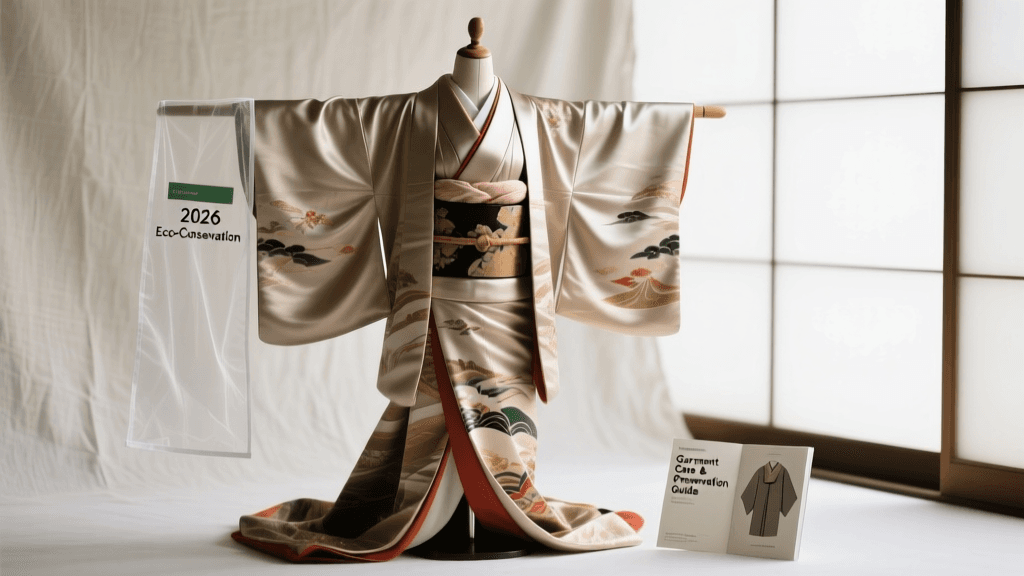
Japanese traditional theater is a mesmerizing convergence of movement, music, and textile artistry. At the heart of this visual spectacle lies shozoku, the specialized costumes worn in Kabuki, Noh, and Bunraku performances. Unlike everyday kimono, shozoku are engineered specifically for the stage—designed to exaggerate the human form, convey instant character archetypes, and withstand the rigorous physical demands of classical theater. As we navigate the 2026 performance season, the intersection of centuries-old silk weaving and modern preservation technology has brought these magnificent garments into a new era of global appreciation and technical study.
Noh Theater Costumes: Karaori and the Weight of Tradition
Noh theater, recognized by UNESCO as an Intangible Cultural Heritage, relies heavily on the subtle interplay of light and shadow. The costumes, particularly the karaori (literally 'Chinese weave,' though perfected in Japan), are masterpieces of Nishijin brocade. Worn primarily by the shite (lead actor) when portraying noblewomen or deities, the karaori is incredibly stiff and heavy, often weighing between 4.5 and 6 kilograms. This rigidity is highly intentional; when the actor raises their arms, the garment forms a perfect, statuesque triangle that masks the human body beneath, transforming the performer into an otherworldly spirit.
In 2026, master weavers in Kyoto's Nishijin district have successfully revived lost 16th-century safflower and natural indigo dyeing techniques. This renaissance allows for historically accurate restorations of Edo-period karaori that are now being cycled back into active stage rotation, replacing the synthetic dyes that dominated the late 20th century.
Kabuki Theater Costumes: Hikinuki and Spectacular Transformations
If Noh is the theater of subtlety, Kabuki is the theater of spectacular excess. Kabuki costumes are designed to project emotion and narrative to the back rows of massive venues like the Kabuki-za. The most iconic technique unique to Kabuki is hikinuki, a rapid on-stage costume change. Stage assistants (kuroko) pull specific basting threads, causing the outer robe to instantly fall away and reveal a completely different, vibrantly colored kimono underneath, all in a fraction of a second.
Furthermore, the nuihaku—a heavily embroidered robe often featuring gold and silver leaf—is frequently worn by onnagata (male actors playing female roles) draped loosely over one shoulder to signify deep emotion or a state of undress. The sheer weight of a full Kabuki uchikake (outer robe) can exceed 15 kilograms in 2026 productions. The Japan Arts Council notes that modern Kabuki actors undergo specialized core-strength training specifically to manage the kinetic load of these textiles during dynamic mie (dramatic poses).
Bunraku Puppet Costumes: Miniature Masterpieces of Silk
Bunraku, the classical puppet theater of Japan, presents a unique textile challenge: scaling. The puppets (ningyo) are roughly two-thirds the size of a human, operated by three visible puppeteers. The costumes for these puppets must be meticulously scaled down, yet they are constructed using the exact same authentic silk-weaving and yuzen dyeing techniques as full-sized human garments. A Bunraku kosode (basic robe) requires miniature precision; the patterns must be proportionally reduced so they do not look comically oversized on the puppet.
In 2026, the National Bunraku Theatre has introduced specialized climate-controlled storage units for these delicate miniature silks. The constant friction from the puppeteers' hands and the internal wooden mechanisms causes accelerated wear on the historic fabrics, making these new micro-climate vitrines essential for preserving the 19th-century miniature textiles still used in repertory performances today.
The Architecture of Silhouette: Layering and Undergarments
The visual impact of shozoku is not achieved by the outer robe alone. The foundation of Japanese theater costuming relies on complex layering. In Kabuki, the juban (under-kimono) and specialized padding are used to completely alter the actor's physical proportions. For an onnagata actor, layers of padded cotton and silk are bound around the waist and hips to create the idealized, sloping feminine silhouette, while the neck is left exposed to highlight the nape—a traditional focal point of beauty.
In Noh, the kitsuke (dressing method) involves tying the karaori in a way that forces the actor's arms outward, creating the iconic wide stance. In 2026, traditional costume dressers (kozo) utilize modern, breathable bamboo-fiber under-layers to help actors manage the intense heat generated by wearing up to 15 kilograms of silk and padding under heavy stage lights, blending Edo-period aesthetics with 21st-century material science.
Decoding Motifs: Color and Pattern Symbolism on Stage
Every thread in a shozoku garment communicates narrative information to the audience. In Kabuki, color is deeply tied to the kumadori (makeup) and the character's moral alignment. A villain might wear a kimono featuring jagged, lightning-like patterns in deep indigo and black, while a heroic samurai is adorned with auspicious cranes or dragons in vibrant vermilion and gold. Noh costumes, conversely, rely on the subtle interplay of woven patterns that catch the light differently depending on the actor's angle. A karaori woven with scattered autumn maple leaves immediately tells the audience the season and the melancholic nature of the spirit being portrayed. The 2026 repertory season has seen a renewed emphasis on these historically accurate botanical motifs, restoring the muted, complex color palettes of the Tokugawa shogunate era.
Comparative Textile Analysis: Noh vs. Kabuki vs. Bunraku
To understand the distinct material requirements of these three art forms, we must look at the physical properties of the garments.
| Theater Form | Primary Garment | Average Weight | Key Textile Technique | Stage Function |
|---|---|---|---|---|
| Noh | Karaori | 4.5 - 6.0 kg | Nishijin Brocade | Creates rigid, statuesque silhouette for spirits |
| Kabuki | Uchikake / Nuihaku | 8.0 - 15.0 kg | Heavy Embroidery & Gold Leaf | Visual spectacle and dramatic stage presence |
| Bunraku | Scaled Kosode | 0.5 - 1.2 kg | Miniature Yuzen & Weaving | Allows fluid puppet movement with realism |
2026 Preservation and Museum Technologies
The preservation of shozoku in 2026 has moved far beyond simple climate control. Institutions like the Tokyo National Museum now employ hyperspectral imaging to monitor the molecular degradation of silk proteins and metallic threads in 400-year-old costumes without requiring physical contact. This non-invasive technology allows conservators to detect microscopic fungal growth or metal fatigue in gold-leaf applications long before they become visible to the naked eye.
Furthermore, for audiences attending live performances in 2026, select venues have begun offering augmented reality (AR) smart-glasses. When a patron looks at a Kabuki actor performing a hikinuki change, the AR overlay highlights the hidden basting threads and the structural layering of the kimono, providing an educational x-ray view of the garment's engineering in real-time. This technological leap has drastically increased engagement among younger demographics, bridging the gap between ancient textile arts and modern digital interactivity.
Conclusion
The shozoku of Kabuki, Noh, and Bunraku are not merely clothing; they are architectural marvels of silk, thread, and cultural memory. Whether it is the stiff, spiritual brocade of a Noh karaori, the explosive, heavy embroidery of a Kabuki uchikake, or the meticulously scaled silks of a Bunraku puppet, these garments dictate the very movement and soul of Japanese classical theater. As 2026 brings unprecedented technological tools to both the preservation and the audience experience of these textiles, the ancient art of Japanese theater costume continues to weave its magic, ensuring that the loom of history remains vibrant for generations to come.