Mamianqun Horse-Face Skirt: 2026 Modern Styling Guide
The intersection of heritage and contemporary fashion has reached a definitive tipping point in 2026. No longer confined to historical reenactments or niche ceremonial wear, traditional Asian garments are now foundational pieces in the modern global wardrobe. At the forefront of this sartorial revolution is the Mamianqun, or "horse-face skirt." Originating in the Song and Ming Dynasties, this structured, pleated skirt has captivated designers and everyday fashion enthusiasts alike. But how exactly do you integrate a centuries-old masterpiece into a 2026 capsule wardrobe without looking like you are wearing a costume? This guide breaks down the anatomy, modern fabric innovations, and precise styling formulas for wearing the Mamianqun in corporate and streetwear settings today.
The Anatomy of the Mamianqun
To style the Mamianqun effectively, one must first understand its unique architectural construction. As detailed in historical textile archives, the skirt is defined by its four flat panels—two overlapping in the front and two in the back—with heavily pleated sides (Source: Wikipedia - Mamianqun). The overlapping flat panels, often adorned with intricate woven motifs or embroidery, create a smooth, unbroken visual line, while the side pleats allow for expansive movement. The waistband traditionally extends into long ties, though 2026 ready-to-wear adaptations frequently incorporate hidden side zippers and adjustable hook-and-eye closures for modern convenience.
2026 Fabric Innovations for Daily Wear
Historically crafted from heavy brocades or delicate silks, the modern Mamianqun has benefited immensely from 2026 textile engineering. Today's market offers wrinkle-resistant crepe silks and high-density polyester blends that mimic the drape and sheen of mulberry silk while surviving the rigors of a daily commute. For the eco-conscious consumer, brands are now utilizing Tencel and bamboo-silk blends, which provide a luxurious, breathable drape ideal for transitional spring and autumn weather. When shopping for an everyday skirt, look for a fabric weight between 120 and 150 GSM (grams per square meter) to ensure the pleats hold their knife-edge structure without adding excessive bulk to your silhouette.
Color Theory and Motif Selection for 2026
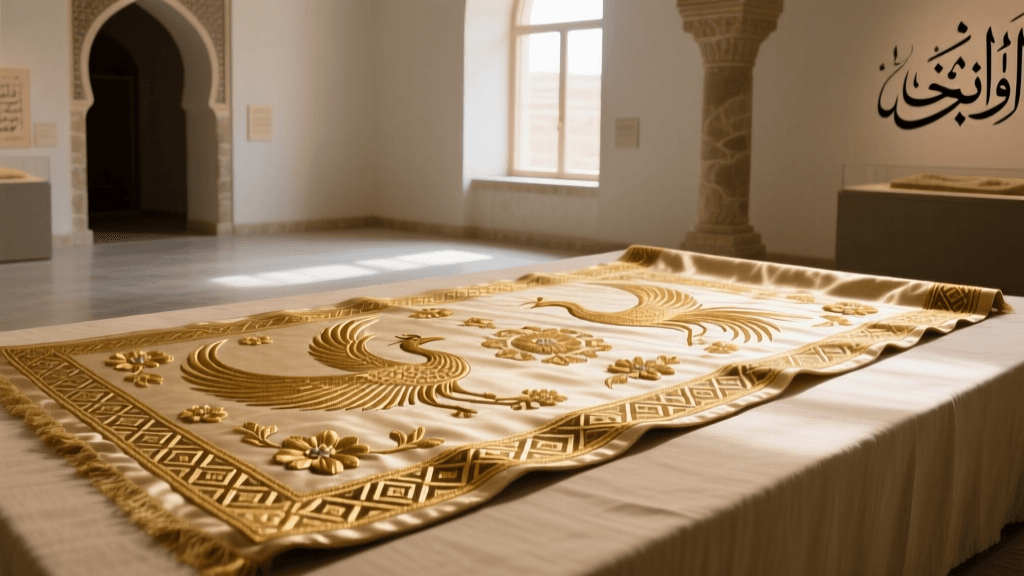
When integrating the Mamianqun into a modern wardrobe, color and motif selection dictate the versatility of the piece. Traditional Ming Dynasty skirts often featured auspicious motifs like dragons, phoenixes, or lotus flowers woven in gold or silver threads. While these are breathtaking for ceremonial wear, they can clash with the minimalist ethos of a 2026 corporate wardrobe. For maximum versatility, opt for tone-on-tone jacquard weaves. A deep emerald green skirt with a subtly woven bamboo motif, or a midnight blue skirt featuring a tonal cloud pattern, allows the texture to catch the light without overwhelming your outfit. If you prefer bold colors, treat the skirt as the statement piece and anchor it with neutral tops—think crisp white poplin shirts, camel turtlenecks, or soft grey cashmere knits. This approach respects the garment's intricate artistry while maintaining a balanced, contemporary silhouette.
The Corporate Hanfu: Office Wardrobe Integration
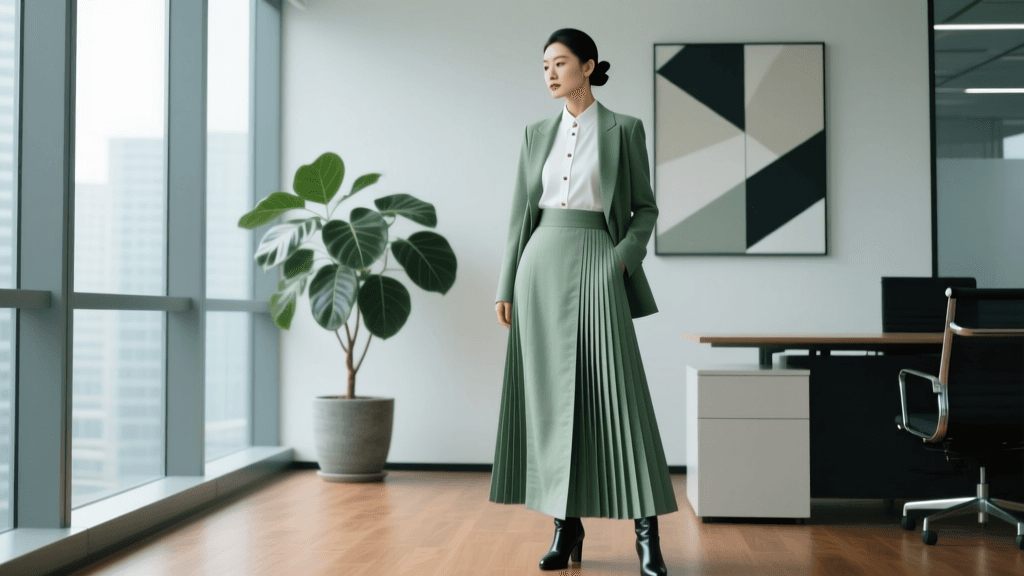
The Mamianqun is surprisingly well-suited for the modern corporate environment, provided you balance its voluminous lower half with structured, tailored upper garments. The key to office-appropriate styling is proportion and restraint.
The Tailored Blazer and Turtleneck Formula
For a commanding boardroom look, pair a mid-calf length Mamianqun (approximately 75cm to 80cm from the waist) with a fitted, ribbed merino wool turtleneck. Tuck the turtleneck in completely to highlight the skirt's ornate waistband. Layer a sharp, oversized wool-blend blazer over the top. The contrast between the rigid, geometric pleats of the skirt and the soft drape of the modern blazer creates a sophisticated, avant-garde silhouette. Stick to a monochromatic palette—such as charcoal grey, deep navy, or obsidian black—to let the subtle jacquard patterns of the skirt speak for themselves.
Footwear and Accessories
Avoid traditional embroidered slippers for the office. Instead, ground the look with chunky leather loafers or pointed-toe block heels (5cm to 7cm). A minimalist leather tote bag and subtle gold geometric jewelry will bridge the gap between Ming Dynasty heritage and 2026 minimalism.
Streetwear Fusion: Casual & Weekend Styling
When the workday ends, the Mamianqun transitions effortlessly into high-fashion streetwear. The juxtaposition of traditional elegance with utilitarian casualwear is a hallmark of current Asian street style.
Oversized Knits and Denim
For a relaxed weekend aesthetic, pair a shorter, ankle-grazing Mamianqun with an oversized, distressed graphic tee or a slouchy mohair cardigan. Allow the top to hang loosely over the waistband, or execute a "French tuck" (tucking only the front center of the shirt) to hint at the skirt's structure without appearing overly formal. Layering a cropped, vintage-wash denim jacket adds a rugged, textural contrast to the smooth, shimmering panels of the skirt.
The Sneaker Pairing
Sneakers are the ultimate equalizer in 2026 fashion. Pair your skirt with technical running shoes or retro-style low-top basketball sneakers. The bulkiness of modern dad shoes or sleek, futuristic knit runners perfectly balances the wide hemline of the pleated sides, ensuring your outfit doesn't look top-heavy.
Mamianqun Styling Matrix: 2026 Pairing Guide
| Occasion | Top Pairing | Outerwear | Footwear | Skirt Length & Fabric |
|---|---|---|---|---|
| Corporate Office | Fitted Ribbed Turtleneck | Structured Wool Blazer | Leather Loafers / Block Heels | Mid-Calf (75cm), Heavy Crepe |
| Casual Streetwear | Oversized Graphic Tee | Cropped Denim Jacket | Chunky Technical Sneakers | Ankle-Length (90cm), Tencel Blend |
| Evening / Gala | Silk Corset Top / Camisole | Faux Fur Stole / Capelet | Strappy Stiletto Sandals | Floor-Length (100cm), Silk Brocade |
| Art Gallery / Cafe | Asymmetric Knit Sweater | Longline Trench Coat | Chelsea Boots | Mid-Calf (80cm), Matte Polyester |
Pleat Care and Maintenance
The most intimidating aspect of owning a Mamianqun is maintaining its crisp, knife-edge pleats. Improper washing can reduce a stunning garment to a crumpled mess. According to textile conservation principles outlined by major institutions, structured historical garments require meticulous, low-heat care to preserve their fiber integrity and physical shaping (Source: The Metropolitan Museum of Art - Conservation Department). Furthermore, general preservation techniques emphasize avoiding harsh chemicals and excessive mechanical agitation (Source: Victoria and Albert Museum - Conservation).
Washing and Drying
Never machine wash or aggressively wring a Mamianqun. For synthetic blends, use a gentle hand-wash method with a pH-neutral detergent in cold water. For pure silk or brocade, dry cleaning is highly recommended. When drying, never hang the skirt by the waistband while wet, as the weight of the water will pull the pleats out of alignment. Instead, lay it flat on a mesh drying rack, manually accordion-folding the pleats back into their original position and securing them with rust-proof sewing clips.
Steaming and Storage
Avoid traditional flat irons, which can create unwanted shine and flatten the overlapping panels unevenly. Invest in a high-quality vertical garment steamer. Hang the skirt from a specialized clip-hanger that grips the entire waistband evenly. Steam the pleated sides from top to bottom, using your fingers to gently press the folds flat while the fibers are warm and damp. For long-term storage in 2026, utilize breathable cotton garment bags and insert acid-free tissue paper between the flat panels to prevent dye transfer and friction wear.
Traveling with Structured Pleats
Packing a Mamianqun for business trips or fashion week requires strategy. Never fold the skirt haphazardly into a suitcase. Instead, utilize the "bundle wrapping" technique. Lay the skirt flat, accordion-fold the pleated sides inward so the flat front and back panels are exposed, and roll the skirt gently from the hem up to the waistband around a core of soft garments (like rolled t-shirts or knitwear). This prevents hard creases from forming across the pleats. Upon arriving at your destination, immediately unroll the skirt, hang it in the bathroom, and run a hot shower for ten minutes to let the ambient steam release any minor travel wrinkles.
Conclusion
The Mamianqun is a testament to the enduring power of Asian sartorial heritage. By understanding its architectural roots and applying modern 2026 styling principles, you can seamlessly integrate this historical masterpiece into your daily rotation. Whether you are commanding a boardroom in a tailored blazer or navigating city streets in retro sneakers, the horse-face skirt offers a masterclass in the art of cultural fusion, proving that true style transcends time.