Styling the Romanian Ia Blouse in 2026: Modern Revival
The Renaissance of the Romanian Ia in 2026
The European folk dress landscape has experienced a profound transformation over the last decade, shifting from static museum preservation to dynamic, everyday integration. At the forefront of this movement in 2026 is the Romanian Ia (pronounced 'ee-ah'), a traditional peasant blouse that has transcended its rural Carpathian roots to become a cornerstone of the global slow-fashion wardrobe. Far from being a mere costume, the Ia represents a living textile tradition. Following its celebrated inscription on the UNESCO Intangible Cultural Heritage list, the 2026 market has seen an unprecedented surge in demand for authentic, ethically sourced garments that honor the original artisans.
Today’s conscious consumers are actively rejecting mass-produced, culturally appropriated knockoffs. Instead, they are investing in heritage pieces that support rural artisan cooperatives. The modern revival of the Ia is not about wearing a costume; it is about integrating centuries-old European craftsmanship into contemporary, sophisticated styling. Whether you are attending a summer festival in Transylvania or navigating the creative districts of London and Paris, the Ia offers a masterclass in volumetric silhouette, intricate texture, and sustainable luxury.
Decoding the Anatomy of the Traditional Blouse
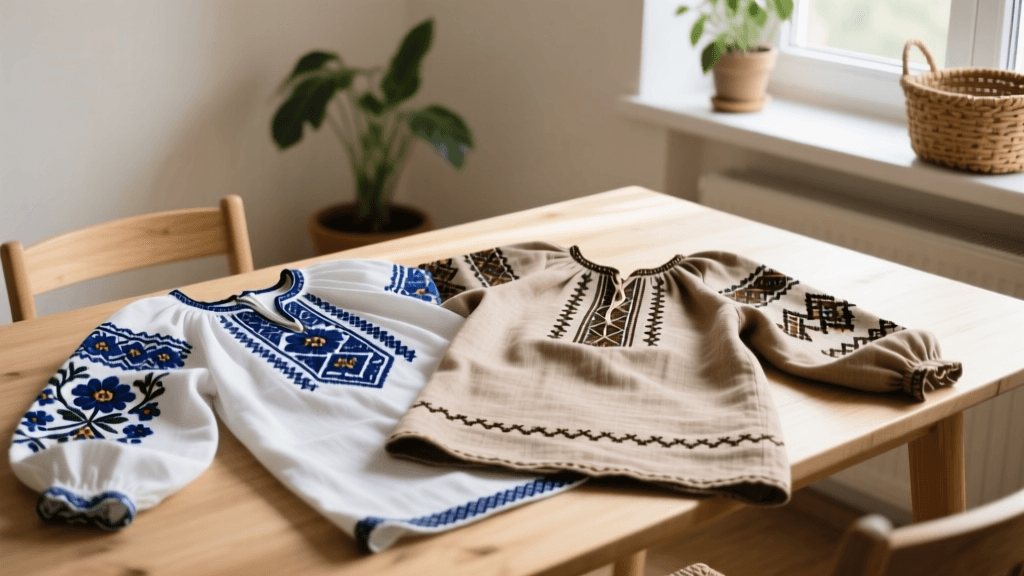
To style the Ia authentically and respectfully, one must first understand its architectural anatomy. A true traditional blouse is not merely a shirt with embroidery; it is a highly structured garment governed by regional codes and ancient symbolism. The construction relies on rectangular pieces of hand-woven fabric, minimizing waste and creating a distinctive, flowing drape.
The Core Elements
- Altita (The Shoulder Band): This is the most heavily embroidered and culturally significant part of the blouse. Located on the upper shoulder, the altita acts as a protective talisman and a canvas for complex geometric or floral motifs. In 2026, contemporary designers often highlight the altita by pairing the blouse with structured outerwear that frames the shoulder.
- Incret (The Neckline Gather): The fabric is gathered into a delicate, ruffled neckline, often secured with a braided cord or a subtle ribbon. This creates a soft, romantic volume that contrasts beautifully with modern tailored pieces.
- Rauri (The Rivers): These are the vertical bands of embroidery that flow down the sleeves and sometimes the bodice. They symbolize the flow of water and life, guiding the eye vertically and elongating the silhouette.
Regional variations are vast. The blouses from Moldova often feature dense, dark geometric patterns and heavy cross-stitch work, while those from Muntenia and Olt are renowned for their delicate, flowing floral motifs and intricate openwork (cutwork) lace techniques. Understanding these distinctions allows the modern wearer to curate a collection with genuine historical depth.
Sourcing Authentic Artisanal Pieces in 2026
The market for European folk dress has matured significantly. As of 2026, sourcing an authentic Ia requires navigating a landscape of dedicated artisan cooperatives, heritage boutiques, and specialized online platforms. Organizations like the global community La Blouse Roumaine have been instrumental in educating buyers on how to distinguish between a hand-stitched heritage piece and a factory-made imitation.
What to Expect in the Current Market
Authenticity comes with a reflection of true labor costs. A genuine, hand-embroidered Ia crafted from hand-woven hemp or cotton using natural dyes requires anywhere from 40 to 120 hours of meticulous needlework. Consequently, current 2026 pricing for authentic artisanal pieces generally ranges from $350 to $750 USD, depending on the complexity of the altita and the rarity of the regional pattern. While this is a significant investment, these garments are treated as heirloom assets that appreciate in cultural and aesthetic value over time.
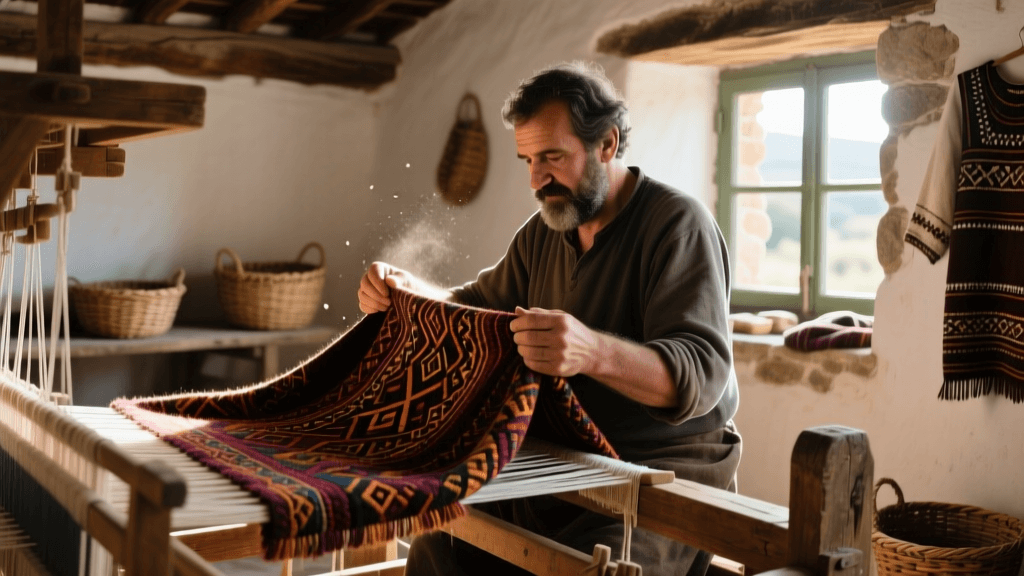
When sourcing, look for sellers who provide transparency regarding the artisan's name, the specific village or region of origin, and the materials used. The revival of natural dyeing—using madder root for deep reds, woad for blues, and walnut hulls for rich browns—has become a major hallmark of premium 2026 folk dress collections.
Contemporary Styling: Integrating the Ia into Modern Wardrobes
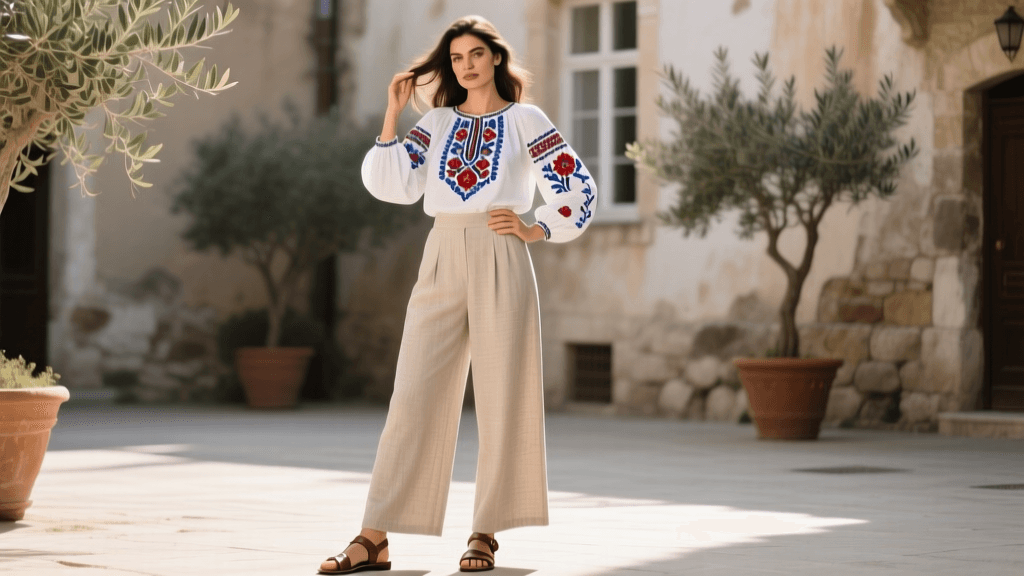
The true triumph of the European folk dress revival is its adaptability. The voluminous, romantic nature of the Ia makes it a perfect counterpoint to the sharp, minimalist silhouettes dominating 2026 fashion. Here are three actionable styling frameworks for the modern wardrobe.
Look 1: The Tailored Contrast (Office & Gallery Openings)
Play with proportion by contrasting the romantic volume of the Ia with severe, structured tailoring. Tuck a lightweight, white cotton Ia with black geometric embroidery into a pair of high-waisted, wide-leg charcoal wool trousers. Layer a sharply tailored, oversized 2026 blazer over the shoulders. The key here is to let the altita (shoulder embroidery) peek out from beneath the blazer's lapel, creating a subtle but striking flash of heritage craftsmanship. Finish with pointed-toe leather boots and minimalist gold hoop earrings.
Look 2: Elevated Summer Bohemia (Festivals & Travel)
For warmer months, lean into the breathable, natural fibers of the traditional blouse. Pair a raw-hemp Ia featuring delicate cutwork lace with high-waisted, tailored linen shorts in a muted earth tone like sage or terracotta. Instead of traditional peasant skirts, which can sometimes read as costumey in a modern urban setting, opt for structured leather sandals and a woven rattan shoulder bag. This approach honors the agrarian roots of the garment while keeping the silhouette decidedly contemporary and chic.
Look 3: Evening Elegance (Dinners & Cultural Events)
The Ia is not restricted to daytime wear. A dark, black-on-black embroidered blouse—where the thread is silk and catches the light subtly—is a breathtaking option for evening wear. Tuck the blouse into a flowing, bias-cut silk midi skirt in a deep jewel tone, such as emerald or sapphire. Cinch the waist with a thin, modern leather belt to define the silhouette, and pair with strappy velvet heels. The gathered incret neckline provides an elegant, modest, yet deeply romantic framing for the face and décolletage.
Investment Comparison: Artisanal vs. Mass-Produced
As the popularity of European folk dress continues to rise, the market has become saturated with varying tiers of quality. Use the table below to understand the true value of your investment in 2026.
| Feature | Authentic Artisanal Ia | Boutique 'Inspired' Blouse | Fast-Fashion Knockoff |
|---|---|---|---|
| Price Range (2026) | $350 - $750+ | $120 - $250 | $25 - $60 |
| Material | Hand-woven cotton, hemp, or linen | Commercial cotton or linen blends | Polyester, rayon, or synthetic blends |
| Embroidery | 100% hand-stitched (40-120 hours) | Machine-embroidered with some hand-finishing | Mass machine-embroidered, flat, and stiff |
| Dyes | Often natural/plant-based dyes | Commercial synthetic dyes | Harsh chemical dyes, prone to bleeding |
| Cultural Impact | Directly supports rural artisans and heritage | Supports commercial design, minimal artisan aid | Exploitative, erodes cultural integrity |
Garment Care and Preservation
Owning an authentic piece of European folk dress comes with the responsibility of proper preservation. The hand-woven fabrics and natural dyes of the Ia require specific care to ensure they last for generations.
- Washing: Never machine wash an authentic Ia. Hand wash in cold water using a pH-neutral, gentle detergent specifically formulated for delicate textiles. Do not wring or twist the fabric, as this can distort the hand-woven warp and weft. Instead, gently press the water out and roll the garment in a clean, dry towel to absorb excess moisture.
- Drying: Lay the blouse flat to dry in the shade. Direct sunlight can rapidly fade natural dyes, particularly the reds derived from madder root and the blues from woad.
- Ironing: Iron the garment while it is still slightly damp, using a low-to-medium heat setting. Always iron on the reverse side, placing a clean cotton pressing cloth between the iron and the embroidery to prevent crushing the intricate three-dimensional stitches of the altita.
- Storage: Store your Ia flat or gently rolled in acid-free tissue paper. Avoid wire hangers, which can stretch the delicate gathered neckline over time. Place natural cedar blocks in your storage drawer to deter moths without introducing the harsh chemicals found in synthetic mothballs.
The Future of European Folk Dress
The revival of the Romanian Ia in 2026 is a testament to the enduring power of European textile traditions. By choosing to wear, style, and care for these garments, we do more than just elevate our personal wardrobes; we participate in an act of cultural preservation. The contemporary styling of folk dress proves that heritage and modernity are not mutually exclusive. When paired with intention and respect, the Ia transcends its historical boundaries, offering a sustainable, deeply meaningful alternative to the fleeting trends of the modern fashion cycle. As we continue to embrace slow fashion, the intricate stitches of the past will undoubtedly remain a vital, beautiful part of our future.