Styling the Romanian Ia Blouse: 2026 Revival & Modern Outfits
The Renaissance of the Romanian Ia in 2026
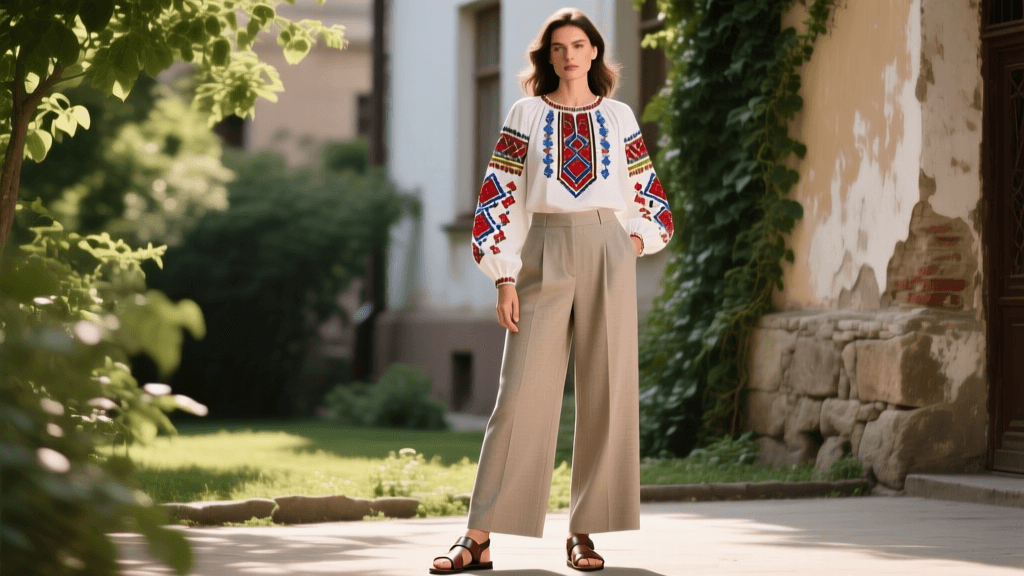
In the landscape of 2026 sustainable fashion, the European folk dress revival has moved far beyond costume parties and museum archives. At the forefront of this movement is the Romanian Ia (pronounced 'ee-eh'), a traditional embroidered peasant blouse that has captivated global designers, slow-fashion advocates, and heritage enthusiasts. Once relegated to rural villages and folk festivals, the Ia has been reclaimed as a masterpiece of textile engineering and a versatile staple for the modern capsule wardrobe.
Unlike the mass-produced 'peasant tops' of previous decades, the 2026 revival focuses on authenticity, traceability, and artisanal integrity. Today's consumers demand to know the origin of the flax, the natural dyes used for the threads, and the hands that stitched the intricate geometric and floral patterns. Recognizing its profound cultural significance, the traditional blouse with embroidery on the shoulder was officially inscribed on the UNESCO Representative List of the Intangible Cultural Heritage of Humanity, cementing its status not just as a garment, but as a living cultural treasure.
Decoding the Anatomy: Altiță, Increț, and Râuri
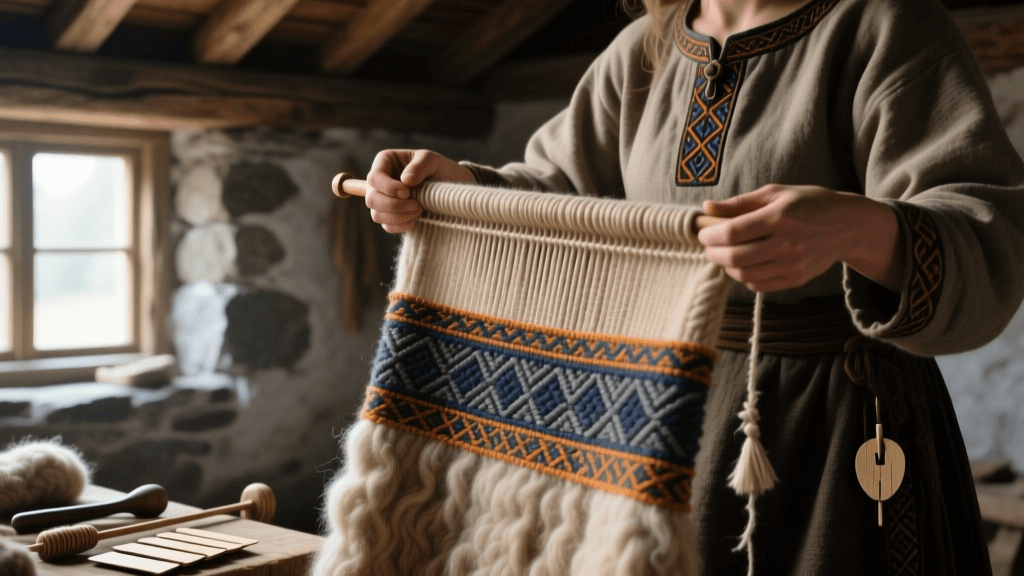
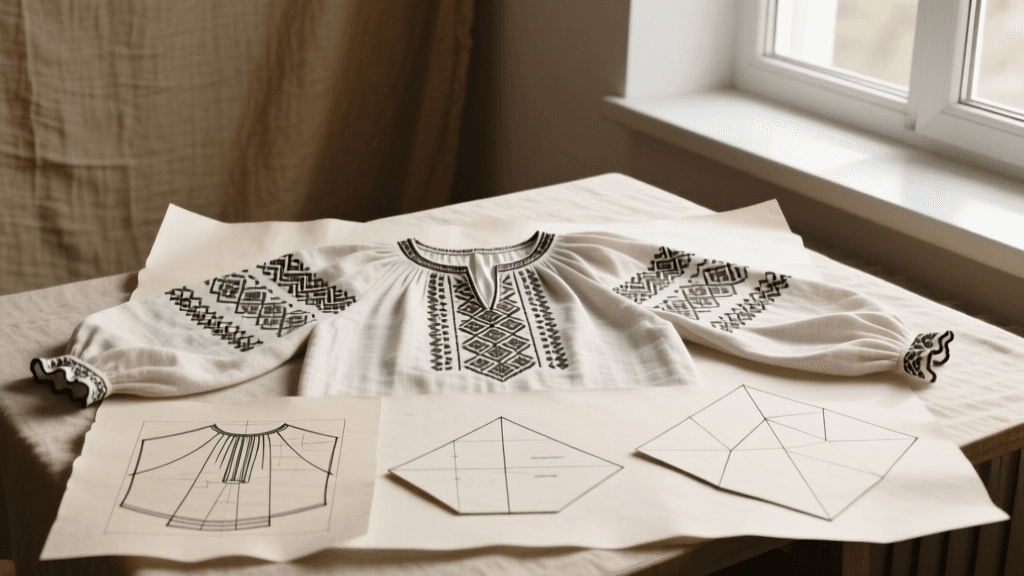
To style the Ia correctly, one must first understand its sacred anatomy. The garment is not merely a shirt; it is a canvas of symbolic protection and regional identity. The traditional construction relies on rectangular pieces of handwoven linen or hemp, minimizing fabric waste—a principle that resonates deeply with today's zero-waste fashion movement.
- Altiță: The most crucial element, located on the shoulder. This dense, heavily embroidered rectangular panel was historically meant to protect the wearer's joints and ward off evil spirits. In 2026, the altiță remains the focal point of the garment, often featuring the most complex motifs and expensive silk or metallic threads.
- Increț: The delicate gathering or smocking at the neckline. This technique allows the flat-woven fabric to drape elegantly across the collarbone while providing structural integrity to the garment's opening.
- Râuri: Translating to 'rivers,' these are the vertical stripes of embroidery that flow down the sleeves and the bodice. They guide the eye and create a slimming, elongating silhouette that translates beautifully to modern styling.
Regional Motifs: From Bucovina to Olt
When curating a contemporary wardrobe, the region of your Ia dictates its styling potential. The vibrant, sprawling floral motifs of the Bucovina region, often dyed with madder root and woad, offer a bohemian, romantic aesthetic. Conversely, the stark, geometric black-and-white patterns of the Olt region provide a striking, minimalist contrast that pairs effortlessly with modern monochromatic tailoring. Understanding these regional distinctions allows the modern wearer to treat the Ia as a deliberate design choice rather than a generic ethnic top.
Contemporary Styling: Integrating the Ia into a Modern Wardrobe
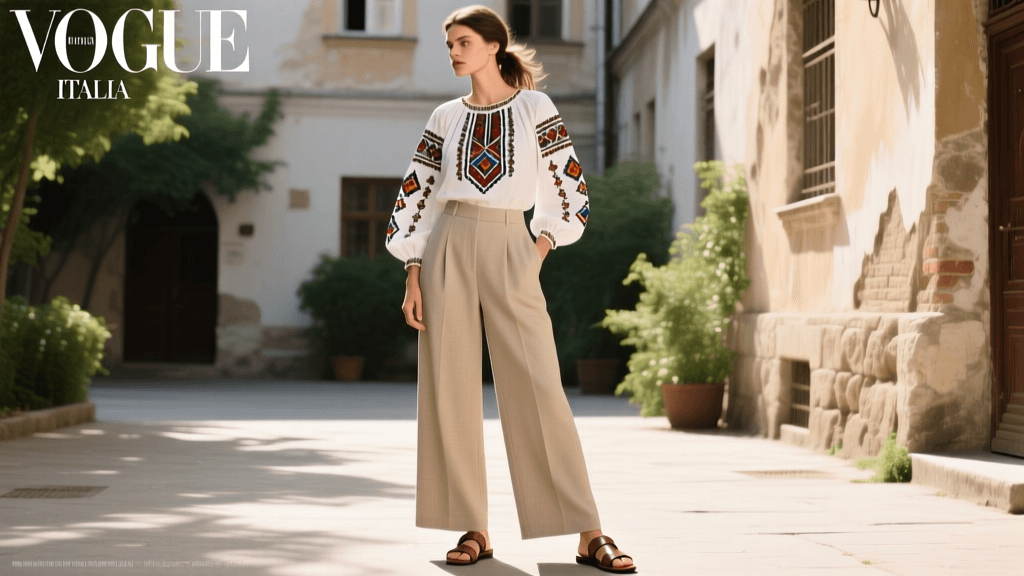
The key to wearing European folk dress in 2026 is juxtaposition. The voluminous, textured nature of the Ia requires grounding with structured, contemporary pieces to avoid looking theatrical.
The Modern Office Uniform
For a smart-casual or creative office environment, an Olt-region Ia with subtle black geometric râuri is unparalleled. Pair it with high-waisted, wide-leg charcoal wool trousers and a sleek, minimalist leather belt. The volume of the blouse should be balanced by the sharp, tailored lines of the trousers. Tuck the front of the Ia slightly into the waistband to define your silhouette, and finish the look with pointed-toe leather loafers. The result is an outfit that commands respect while showcasing a deep appreciation for global textile heritage.
Elevated Weekend Streetwear
Weekend styling calls for a relaxed yet intentional approach. A mid-weight linen Ia from the Argeș region, featuring warm terracotta and olive green embroidery, pairs beautifully with raw, dark-wash selvedge denim. In 2026, the trend of 'heritage streetwear' encourages mixing handwoven textiles with modern utilitarian pieces. Layer the Ia under a structured, cropped leather jacket or a heavy cotton canvas chore coat. Footwear should remain grounded—think chunky leather boots or minimalist retro sneakers. This combination highlights the delicate embroidery while keeping the outfit practical for urban exploration.
Evening and Formal Adaptations
For evening wear, seek out an Ia crafted from a fine hemp-silk blend, featuring metallic thread accents in the altiță. Tuck the blouse into a flowing, floor-length satin skirt in a complementary jewel tone, such as deep emerald or midnight blue. Allow the increț at the neckline to sit elegantly off the shoulder or frame the collarbone. Accessorize sparingly; let the intricate shoulder embroidery serve as your primary jewelry, perhaps adding only a pair of simple gold drop earrings. Institutions like the Victoria and Albert Museum have long documented the intricate textile traditions of Eastern Europe, noting how the structural ingenuity of these loom-woven garments naturally lends itself to dramatic, elegant draping.
Sourcing Authentic Pieces: 2026 Buyer's Guide and Cost Breakdown
As the demand for authentic European folk dress has surged, the market has segmented into distinct tiers. When investing in an Ia in 2026, transparency is paramount. Reputable artisan cooperatives now provide digital passports via QR codes, detailing the weaver, the origin of the fibers, and the botanical sources of the dyes. Digital archives such as Europeana's Fashion Collection provide invaluable reference points for buyers and historians looking to trace the evolution of regional motifs and verify the authenticity of vintage or newly commissioned pieces.
| Category | Material & Dyes | Embroidery Technique | 2026 Price Range (USD) | Lead Time |
|---|---|---|---|---|
| Heritage Artisan | 100% handwoven hemp/linen, botanical dyes | Hand-spun silk, traditional cross-stitch | $450 - $850 | 3 - 6 months |
| Contemporary Studio | Organic cotton/linen blend, eco-certified dyes | Mercerized cotton, mixed hand/machine | $180 - $320 | 4 - 8 weeks |
| Vintage / Antique | Aged linen, natural patina, fragile threads | 100% hand-embroidered, historical motifs | $300 - $1,200+ | Immediate (Curator sourced) |
| Mass-Market 'Inspired' | Viscose/Polyester, synthetic chemical dyes | Machine embroidery, simplified patterns | $45 - $95 | Immediate |
Textile Care: Preserving Handmade Embroidery
Owning an authentic Ia requires a commitment to proper garment care. The handwoven linen and natural dyes are highly sensitive to modern laundering methods.
- Washing: Never machine wash an authentic Ia. Hand wash in cold water using a pH-neutral detergent specifically formulated for delicate natural fibers. Avoid soaking for more than ten minutes to prevent natural dyes from bleeding.
- Drying: Never wring the fabric. Gently press out excess water and lay the garment flat on a clean, dry towel in the shade. Direct sunlight will rapidly fade botanical dyes like walnut husk and madder root.
- Ironing: Iron the garment while it is still slightly damp, using a low-to-medium heat setting. Always iron on the reverse side, placing a clean cotton pressing cloth between the iron and the embroidery to prevent crushing the three-dimensional texture of the altiță and râuri.
- Storage: Store the Ia folded in acid-free tissue paper inside a breathable cotton bag. Avoid wire hangers, as the weight of the wet or heavy linen can distort the delicate increț at the neckline over time.
The Future of Slow Fashion and Folk Revival
The 2026 revival of the Romanian Ia represents a broader shift in how we value our clothing. By integrating these masterpieces of European folk dress into our daily lives, we are not merely playing dress-up; we are participating in the preservation of ancestral knowledge. Every time we choose a hand-embroidered, naturally dyed garment over a fast-fashion alternative, we support rural artisan economies and champion a more sustainable, deeply meaningful approach to personal style. The Ia is no longer a relic of the past—it is a vital, breathing component of the future of conscious fashion.