Romanian IE Folk Blouse Revival: 2026 Modern Styling Guide
The Renaissance of the Romanian IE in 2026
The global fashion landscape in 2026 has witnessed a profound shift toward "heritage luxury," a movement that prioritizes artisanal traceability, cultural preservation, and sustainable textiles over fleeting micro-trends. At the forefront of this European folk dress revival is the Romanian ie (pronounced "yeh"), a traditional hand-embroidered blouse that has transcended its rural origins to become a cornerstone of contemporary, conscious wardrobes. No longer relegated to museum displays or seasonal folk festivals, the ie is being reimagined by modern stylists, textile conservators, and fashion enthusiasts who recognize its unparalleled craftsmanship and timeless silhouette.
This resurgence is not merely an aesthetic choice; it is a deliberate act of cultural preservation. The contemporary styling of the ie in 2026 bridges the gap between ancestral techniques and modern urban living. By integrating these hand-woven masterpieces into daily capsule wardrobes, wearers are actively supporting rural artisan cooperatives, sustaining centuries-old weaving methods, and pushing back against the homogenization of global fast fashion. Whether crafted from raw borangic (hand-reeled silk) or heavy hemp-linen canvases, the modern ie offers a masterclass in sustainable elegance.
The UNESCO Effect and Cultural Authenticity
A major catalyst for the current revival was the inscription of the "Art of the traditional blouse with embroidery on the shoulder (altiță)" on the UNESCO Representative List of the Intangible Cultural Heritage of Humanity. This global recognition validated the immense skill required to create the altiță—the dense, geometrically complex shoulder panel that serves as the focal point of the garment. In 2026, consumers are far more educated about these structural nuances. Shoppers now actively seek out blouses that adhere to traditional regional patterns, utilizing natural dyes and historically accurate cross-stitch or chain-stitch techniques, rather than settling for mass-produced, machine-embroidered approximations.
According to textile archives documented by institutions like The Metropolitan Museum of Art, the structural integrity and symbolic motifs of Eastern European folk dress offer a rich visual language. Modern styling respects this language by allowing the embroidery to remain the undisputed protagonist of an outfit, avoiding clashing prints or overly busy accessories that might dilute the garment's historical narrative.
Decoding Regional Embroidery: A 2026 Buyer’s Guide
Understanding the geography of Romanian embroidery is essential for the contemporary collector. Different historical regions utilize distinct color palettes, motifs, and fabric weights, which in turn dictate how the blouse should be styled in a modern context. Below is a comparative guide to the most prominent regional styles and their current market positioning in the artisan sector.
| Region | Dominant Colors | Key Motifs & Characteristics | 2026 Average Artisan Price (EUR) |
|---|---|---|---|
| Argeș | Deep Red, Black, Gold | Geometric sun wheels, dense altiță, heavy linen | €280 - €450 |
| Olt | Crimson, White, Silver | Floral vines, river motifs, lighter cotton weaves | €220 - €380 |
| Maramureș | Black, Red, Dark Green | Cross-stitch horns, minimalist spacing, hemp blends | €300 - €550 |
| Vrancea | Black, Gold, Orange | Saddle motifs, spirals, curved sleeve gatherings | €260 - €420 |
Note: Prices reflect direct-from-artisan commissions and certified cooperative pricing in 2026, ensuring fair wages for rural embroiderers.
Contemporary Styling: Integrating Folk Dress into Modern Wardrobes
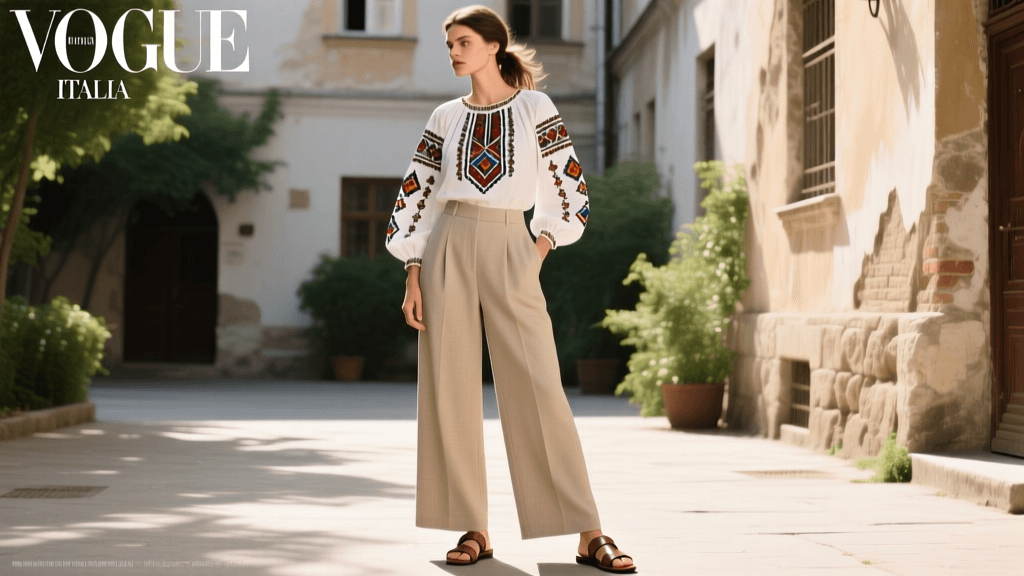
The key to styling the ie in 2026 lies in juxtaposition. The voluminous, romantic sleeves and intricate embroidery of the blouse pair best with structured, minimalist, and tailored modern garments. This contrast prevents the outfit from looking like a theatrical costume, grounding the folk element in contemporary urban reality.
The Corporate Capsule: Office-Ready Heritage
For professional environments, the voluminous nature of the ie requires balancing. Opt for a blouse from the Olt or Vrancea regions, which often feature slightly more subdued, monochromatic embroidery (such as black-on-white or navy-on-cream). Tuck the blouse into high-waisted, wide-leg wool trousers in charcoal or camel. The structured drape of the wool grounds the ethereal quality of the hand-woven linen. Finish the look with a sharply tailored, single-breasted blazer worn over the shoulders, and minimalist leather loafers. This approach honors the "quiet luxury" aesthetic while introducing a profound layer of cultural depth and artisanal texture that machine-made silk blouses simply cannot replicate.
Weekend Artisan Casual
For weekend wear, lean into the sustainable, slow-living ethos that the ie represents. Pair a heavier, hemp-linen Argeș blouse with raw, selvedge denim or structured organic cotton canvas shorts. The ruggedness of the denim complements the rustic, unbleached texture of the traditional fabric. In 2026, the trend of "craft-core" encourages visible mending and natural textiles; thus, accessorizing with a hand-woven leather belt and oxidized silver filigree jewelry (sourced from Transylvanian silversmiths) creates a cohesive, globally conscious aesthetic. Footwear should remain grounded—think suede ankle boots or minimalist leather slides.
Evening Heritage Luxury
When transitioning to evening wear, the borangic (raw silk) ie is unmatched. The natural slubs and subtle sheen of hand-reeled silk catch the light beautifully. Style a black-on-black embroidered silk blouse with a sleek, floor-length column skirt in heavy crepe or vegan leather. The monochromatic palette allows the textural contrast between the glossy silk and the matte skirt to take center stage. Add sculptural, modern gold earrings and a structured clutch. This styling method proves that European folk dress is not merely historical artifact, but a viable, breathtaking option for high-end contemporary evening wear.
Sourcing Authentic Artisan Pieces vs. Fast Fashion
As the popularity of the ie has grown, so too has the market for counterfeit, mass-produced knockoffs manufactured in overseas factories using synthetic threads and historically inaccurate, culturally appropriative patterns. In 2026, the most vital skill for a folk dress enthusiast is provenance verification. Authentic pieces are typically sourced through established artisan cooperatives, specialized cultural NGOs, and direct relationships with rural embroiderers.
Organizations and digital archives, such as those supported by the National Museum of the Romanian Peasant, have been instrumental in educating the public on pattern authenticity. When purchasing, look for the telltale signs of handwork: slight irregularities in the cross-stitch, the use of natural fibers that possess a distinct, earthy scent, and the presence of the altiță structured correctly according to regional mathematics. A genuine hand-embroidered ie takes anywhere from 40 to 120 hours to complete; if a retailer is selling them in bulk at under €100, it is a guarantee of exploitative, machine-made manufacturing that harms the very heritage the garment purports to celebrate.
Caring for Hand-Embroidered Heritage Textiles
Investing in an authentic ie requires a commitment to proper textile conservation. The natural dyes and hand-spun threads used in 2026's premium heritage pieces are highly sensitive to modern chemical detergents and high heat.
- Washing: Never machine wash an ie. Hand wash in cold water using a pH-neutral, eco-friendly detergent specifically formulated for delicate natural fibers. Do not wring or twist the fabric; instead, press the water out gently between two clean, dry towels.
- Drying: Lay the garment flat to dry in the shade. Direct sunlight will rapidly fade natural dyes like madder root (red) and walnut husk (brown).
- Ironing: Always iron the blouse inside out on a low-to-medium heat setting, placing a damp cotton pressing cloth between the iron and the embroidery to protect the raised stitches from being crushed.
- Storage: Store the blouse wrapped in unbleached, acid-free muslin or cotton. Avoid wire hangers, which can distort the delicate shoulder seams; instead, use padded wooden hangers or fold the garment carefully with tissue paper to prevent hard creases in the embroidery.
Conclusion: Wearing History in the Modern Age
The 2026 revival of the Romanian ie is a testament to the enduring power of European folk dress. By thoughtfully integrating these garments into contemporary wardrobes, we do more than elevate our personal style; we participate in a living tradition. The ie challenges the modern consumer to slow down, to value the human hands that stitched the altiță, and to wear their heritage with pride, intention, and profound respect for the artisans who keep the flame of traditional textile arts burning brightly into the future.