Sardinian Folk Dress & Heritage Brands: 2026 Revival Guide
The Enduring Legacy of the Abito Sardo
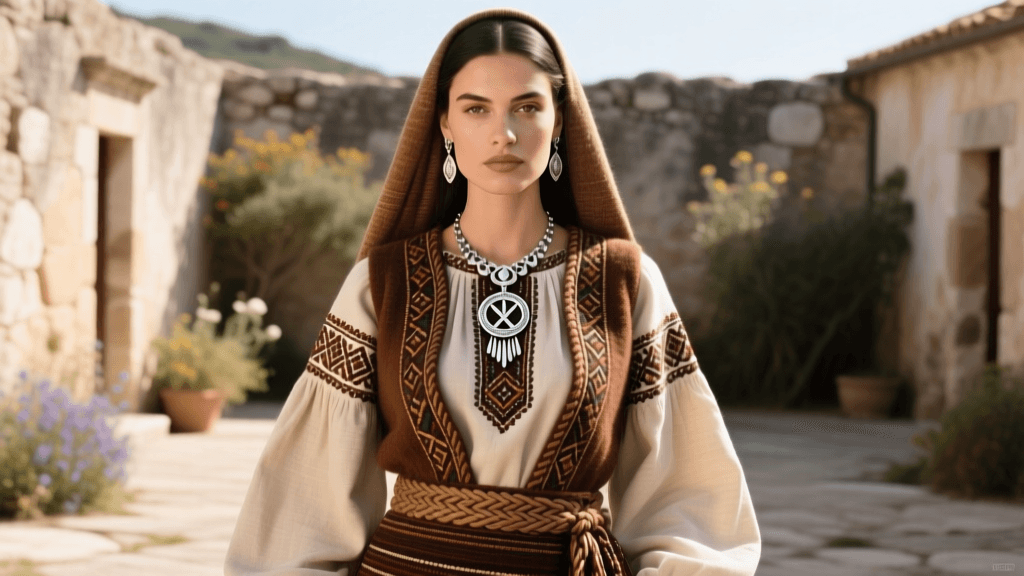
Sardinia, an island characterized by its rugged interior and historical isolation, has cultivated one of the most diverse and meticulously preserved traditional dress codes in Europe. Known collectively as the abito sardo, Sardinian folk dress is not a single uniform, but rather a complex visual language that historically communicated a wearer’s village, marital status, social class, and even their mood. In 2026, we are witnessing a profound renaissance of these garments. Far from being relegated to museum displays, the abito sardo is being actively revived by a new generation of Sardinian youth and supported by heritage brands that are modernizing traditional textile techniques while strictly honoring ancestral patterns.
According to cultural preservation data published by ISOLA (Istituto Superiore Regionale Etnografico), there has been a 30% increase in young artisans registering with regional weaving and filigree guilds since 2024. This surge is driven by a desire to reclaim regional identity in a globalized world, making Sardinian traditional garments a vibrant, living aspect of contemporary Italian fashion and culture.
The Anatomy of Traditional Sardinian Attire
To understand the current heritage revival, one must first understand the foundational elements of the island's historic dress, which varies dramatically from the coastal plains of Cagliari to the mountainous Barbagia region.
Women’s Traditional Garments
The women’s abito sardo is a masterpiece of layered textiles and vivid color. The foundation is the camicia (camicia), a crisp white linen shirt often heavily embroidered at the cuffs and neckline. Over this sits the corpetto, a structured bodice that is tightly laced and frequently woven with silk or velvet. The skirt, or pannu, is typically made of heavy, hand-dyed wool, featuring deep pleats that create a striking silhouette. The ensemble is completed with the faldetta, a versatile veil or cape that could be draped over the head for church or wrapped around the waist for warmth. In 2026, contemporary heritage brands are adapting the corpetto into standalone bodices for modern formal wear, utilizing sustainable, locally sourced organic cottons.
Men’s Traditional Garments
Men’s attire is characterized by its practical, pastoral origins. The most iconic element is the berritta, a long, tubular black wool cap that can be worn upright, folded back, or wrapped like a turban. Men traditionally wear a white linen camisa beneath a tailored vest, paired with cartzones (white linen trousers). Over the trousers, men wear the ragas, a pleated black wool skirt that provides protection against the harsh mountain winds. The outfit is secured with a wide, intricately woven belt and finished with heavy leather gaiters. Today, the ragas and berritta remain staples at major cultural festivals, with modern tailors refining the cut for better mobility without sacrificing historical accuracy.
Orbace Wool and Samugheo Textiles: The Fabric of the Island
The true soul of Sardinian folk dress lies in its textiles, most notably orbace (or orbaci). Orbace is a coarse, highly durable, and naturally waterproof wool woven from the fleece of indigenous Sardinian sheep. Historically, it was the fabric of the working class, dyed black or brown using local flora. In 2026, heritage brands have elevated orbace into a luxury sustainable textile. By blending traditional orbace with finer merino fibers, modern weavers are producing lightweight, breathable jackets that retain the rustic aesthetic of the original material but offer the comfort required for contemporary urban wear.
Equally important are the textiles of Samugheo, a village world-renowned for its handwoven carpets and tapestries. The weavers of Samugheo utilize ancient wooden looms to create intricate geometric patterns and stylized animal motifs. According to regional tourism and cultural reports from Sardegna Cultura, the Samugheo weaving cooperatives have recently integrated natural, plant-based dyes—such as madder root for reds and walnut husks for browns—into their 2026 collections, appealing to the growing global market for eco-conscious, slow-fashion textiles.
Fede Sarda and Filigree: The Crown Jewels of Sardinian Dress
No Sardinian folk costume is complete without its accompanying jewelry, the most famous being the fede sarda (Sardinian wedding ring) and the buttones (filigree buttons). Sardinian filigree is a delicate metalworking technique where fine threads of gold or silver are twisted into lace-like patterns and soldered onto a metal base. The fede sarda is distinct for its band of small, spherical beads, symbolizing fertility and prosperity.
In 2026, the town of Nuoro remains the epicenter of this craft. Contemporary jewelers are innovating by incorporating ethically sourced precious metals and introducing modular filigree pieces that can transition from traditional festival wear to everyday minimalist jewelry. The buttones, traditionally used to fasten the women's bodice and men's cuffs, are now being repurposed by heritage brands as standalone brooches and hair accessories.
2026 Pricing and Sourcing Guide for Authentic Pieces
As the demand for authentic, handcrafted Sardinian garments grows, understanding the market value is crucial for collectors and cultural enthusiasts. Below is a structured guide to the average costs and primary sourcing hubs for authentic heritage pieces in 2026.
| Garment / Accessory | Primary Material & Technique | Average 2026 Cost (EUR) | Best Sourcing Hubs |
|---|---|---|---|
| Fede Sarda (Ring) | 18k Gold / Sterling Silver Filigree | €180 - €650 | Cagliari, Nuoro, Dorgali |
| Orbace Jacket | Handwoven Coarse Sheep Wool | €600 - €1,100 | Oristano, Nuoro, Samugheo |
| Berritta (Cap) | Black Wool Felt / Hand-knitted | €80 - €160 | Sassari, Mamoiada |
| Buttones (Filigree Buttons) | Silver Filigree (Set of 4-6) | €120 - €350 | Cagliari, Iglesias |
| Cambusciu Lace Shawl | Handmade Bobbin Lace (Trachellus) | €250 - €800 | Teulada, Villacidro |
Leading Heritage Brands and Artisan Cooperatives to Watch
When investing in Sardinian traditional garments, it is vital to support the artisans who are keeping these techniques alive. Several heritage brands and cooperatives are leading the 2026 revival:
- Artigianarte (Cagliari): A historic cooperative that brings together dozens of local artisans. In 2026, they have expanded their online catalog, making authentic filigree and woven textiles accessible to an international audience while ensuring fair compensation for the craftsmen.
- ISOLA Certified Weavers: While not a single brand, looking for the ISOLA certification mark guarantees that the textile you are purchasing was handwoven in Sardinia using traditional methods, protecting buyers from mass-produced imports.
- Su Trobbu (Samugheo): A specialized weaving collective focused exclusively on preserving the ancient Samugheo loom techniques. Their contemporary home textiles and heavy wool shawls are highly sought after by interior designers and fashion houses alike.
Experiencing the Revival: Festivals and Events
To truly appreciate the scale and beauty of the abito sardo, one must see it in motion. The island’s calendar is packed with religious and secular festivals where thousands don their village-specific attire. The Cavalcata Sarda in Sassari, held annually in May, is a spectacular showcase of equestrian skill and regional dress. Similarly, the Festa di Sant'Efisio in Cagliari, which takes place on May 1st, features a massive procession that draws participants from all over the island. According to the official Sardegna Turismo portal, the 2026 festival seasons are expected to see record international attendance, driven by a global resurgence of interest in authentic, localized cultural tourism.
Caring for Your Sardinian Heritage Garments
Authentic Sardinian textiles and jewelry require specific care to ensure their longevity. Orbace wool should never be machine washed; instead, it should be dry-cleaned by a specialist familiar with heavy, rustic wools, or gently spot-cleaned with cold water and a mild, lanolin-based soap. Filigree silver, which is prone to tarnishing in humid coastal climates, should be polished regularly with a soft microfiber cloth and stored in anti-tarnish bags. Bobbin lace is incredibly delicate and should be stored flat, interleaved with acid-free tissue paper, to prevent the threads from breaking under their own weight.
Conclusion
The Sardinian folk dress is a testament to the island’s resilience, artistry, and deep connection to the land. As we move through 2026, the collaborative efforts of local artisans, heritage brands, and cultural institutions ensure that the abito sardo will not fade into history. Instead, it continues to evolve, offering a masterclass in how traditional European garments can be preserved, respected, and beautifully integrated into the modern world.