Sardinian Pibiones Weaving: Top Heritage Brands for 2026
The Enduring Legacy of Sardinian Folk Dress
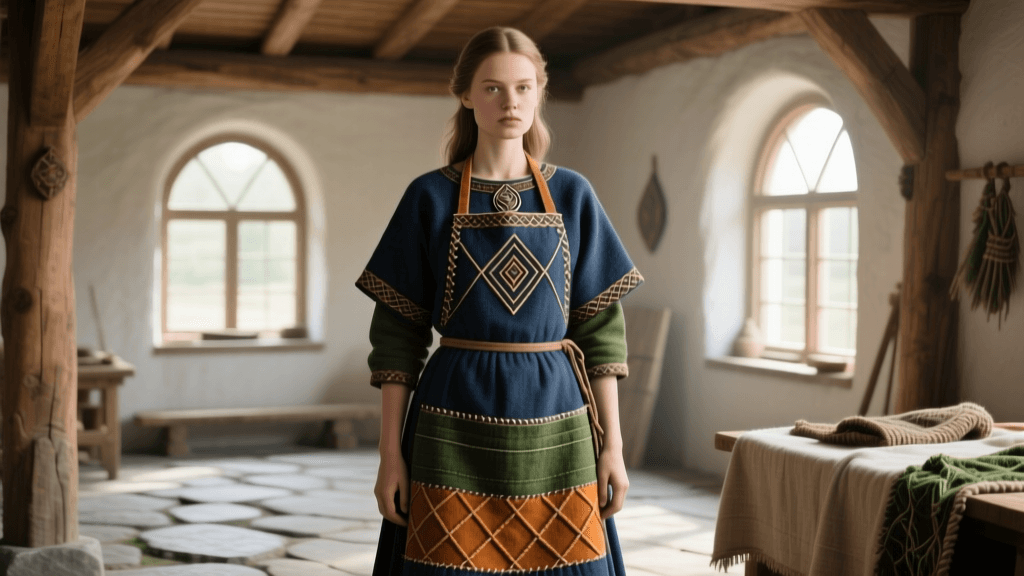
Sardinia, an island steeped in ancient Mediterranean history, boasts one of the most diverse and meticulously preserved traditional garment cultures in Europe. The abito sardo (Sardinian traditional dress) is not a single monolithic costume, but rather a vibrant tapestry of regional variations that change from village to village. From the dark, heavily embroidered woolens of the Barbagia region to the bright, gold-filigreed bodices of the Campidano plains, Sardinian folk dress is a testament to the island's fierce independence and deep-rooted artisanal heritage. In 2026, there is a profound resurgence of interest in these traditional garments, not merely as museum relics, but as living, breathing elements of contemporary European heritage fashion.
At the very heart of this textile renaissance is the ancient weaving technique known as pibiones. Once reserved exclusively for a bride's trousseau and the most sacred household linens, pibiones weaving has evolved. Today, heritage brands and artisan cooperatives are adapting this intricate method to create high-end garments, luxury accessories, and modern home textiles that honor the past while serving the present. For collectors, fashion historians, and enthusiasts of European folk dress, understanding the landscape of Sardinian pibiones weaving in 2026 is essential for making authentic, culturally respectful investments.
The Magic of Pibiones: Sardinia’s Signature Grain Weave
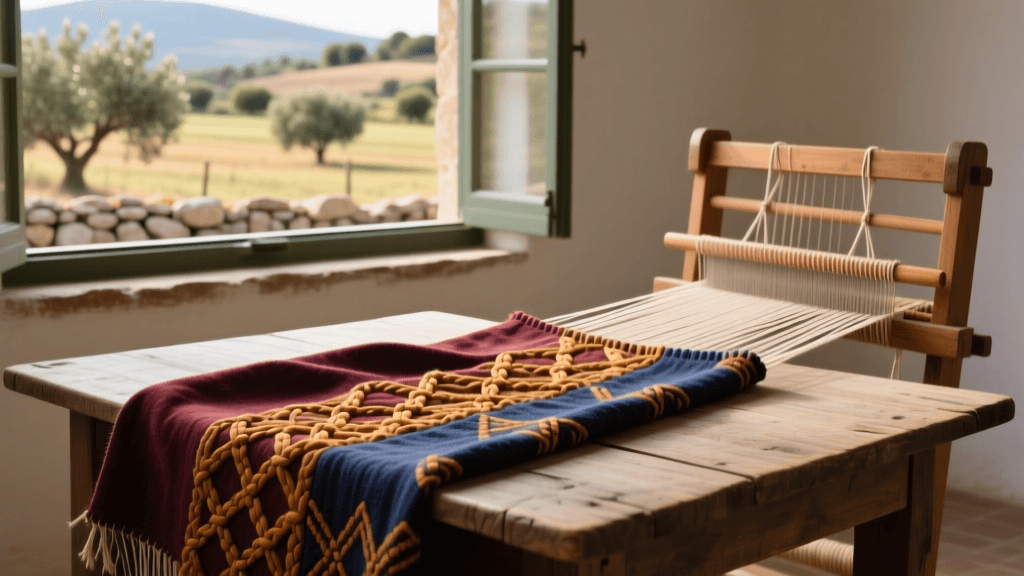
The word pibiones translates from the Sardinian dialect to 'grains' or 'grapes,' a fitting description for the distinctive raised bumps that characterize the fabric's surface. This three-dimensional effect is achieved through a highly specialized, labor-intensive process on a traditional wooden floor loom. According to archival records preserved by the Museo del Costume in Nuoro, the technique dates back centuries and was historically used to create heavy bedspreads and ceremonial shawls that provided both warmth and a display of a family's wealth and status.
The weaver creates the 'grains' by placing a smooth, cylindrical iron or wooden rod across the warp threads. The weft thread is then wrapped tightly around this rod before the rod is removed, leaving a raised, uncut loop of yarn on the surface of the fabric. In 2026, master weavers are experimenting with varying rod diameters to create intricate geometric patterns, floral motifs, and even stylized representations of local flora and fauna. The tactile nature of pibiones fabric makes it incredibly durable, naturally insulating, and visually striking, qualities that modern heritage brands are leveraging to introduce Sardinian textiles to a global audience.
Leading Heritage Brands and Artisan Cooperatives in 2026
The survival of pibiones weaving relies entirely on the dedication of local artisans and the cooperative models that sustain them. When seeking authentic Sardinian textiles in 2026, it is crucial to look beyond mass-market souvenir shops and engage directly with recognized heritage brands and weaving cooperatives.
Cooperativa Tessitori di Samugheo
The village of Samugheo, located in the rugged heart of Sardinia, is universally acknowledged as the capital of pibiones weaving. The Cooperativa Tessitori di Samugheo has been the vanguard of preserving this craft. In 2026, the cooperative has introduced a stunning new line of garment-weight pibiones shawls and wrap skirts. By utilizing locally sourced Sardinian sheep's wool blended with organic linen, they have created fabrics that are lighter and more suitable for modern wardrobes while retaining the structural integrity of the traditional grain weave. Their 2026 collection heavily features natural dyes, including madder root for deep reds and walnut husks for rich browns, aligning perfectly with the global shift toward sustainable, eco-conscious fashion.
Tessitura Artigianale di Aggius
While Samugheo dominates the central regions, the northern Gallura region, specifically the town of Aggius, offers a distinct interpretation of Sardinian weaving. Tessitura Artigianale di Aggius specializes in heavier, more robust wool blends traditionally used for carpets, but recently adapted for outerwear. In 2026, their heritage brand collaboration with contemporary Italian outerwear designers has resulted in limited-edition pibiones-woven ponchos and capes. These garments feature the striking black-and-white or indigo-and-cream geometric patterns native to the Gallura region, offering a bold, architectural silhouette that appeals to high-fashion consumers seeking authentic European folk dress inspiration.
The ISOLA Network and Certification
To combat the influx of machine-made imitations flooding the market, the ISOLA (Istituto Superiore Regionale Etnografico della Sardegna) has expanded its certification program in 2026. ISOLA operates a network of official artisan boutiques across the island and online. When purchasing from an ISOLA-affiliated brand, buyers are guaranteed a certificate of authenticity that details the weaver's name, the village of origin, the specific loom used, and the exact material composition. This institutional backing is vital for collectors investing in high-value heritage garments.
2026 Investment Guide: Pricing and Availability of Pibiones Garments
Investing in hand-woven pibiones is an investment in time, culture, and unparalleled craftsmanship. Because a single weaver can produce only a few centimeters of complex pibiones fabric per day, the pricing reflects the immense labor involved. Below is a comprehensive guide to the average market prices and lead times for authentic Sardinian pibiones garments and accessories in 2026.
| Garment / Accessory Type | Material Composition | Average Dimensions | 2026 Price Range (EUR) | Artisan Lead Time |
|---|---|---|---|---|
| Ceremonial Fringed Shawl (Scialle) | 100% Sardinian Sheep Wool | 180cm x 70cm | €850 - €1,400 | 3 - 5 Months |
| Garment-Weight Wrap Skirt | Wool & Organic Linen Blend | Custom Fit (approx. 2m fabric) | €1,200 - €1,800 | 4 - 6 Months |
| Contemporary Woven Tote Bag | Heavy Cotton & Wool Pibiones | 40cm x 35cm x 10cm | €350 - €550 | 1 - 2 Months |
| Outerwear Cape / Poncho | Thick Gallura Wool Blend | One Size (Draped) | €1,500 - €2,500 | 5 - 8 Months |
| Traditional Bodice Fabric Panel | Fine Linen with Silk Pibiones | 50cm x 50cm (Panel) | €400 - €600 | 2 - 3 Months |
Note: Prices fluctuate based on the complexity of the geometric pattern and the rarity of the natural dyes used. Commissioning a fully bespoke piece directly from a master weaver will typically incur a 20% premium over standard cooperative catalog prices.
Authenticating Hand-Woven Pibiones: A Buyer’s Guide
As the popularity of European folk dress has surged, so too has the market for machine-made fabrics designed to mimic the pibiones effect. Industrial looms can produce a raised-loop fabric that looks similar at a glance, but it lacks the soul, durability, and cultural significance of the hand-woven original. When shopping in 2026, use these actionable authentication techniques to ensure you are purchasing genuine Sardinian heritage textiles:
- The Reverse Side Test: This is the most reliable method. Turn the fabric over. On a genuine hand-woven pibiones textile, the reverse side will show the distinct path of the weft thread wrapping around the warp, with slight, natural irregularities. Machine-made imitations often have a perfectly uniform back, or worse, feature 'floating' threads that are simply stitched onto a base fabric.
- The Tactile 'Grain' Test: Run your fingers over the raised bumps. Hand-woven pibiones grains are tightly wound, firm, and structurally integrated into the base cloth. They should not pull away easily or feel loosely attached. The base fabric itself should feel dense and substantial, not flimsy.
- Examine the Selvedge: Authentic pieces woven on traditional floor looms will have a clean, tightly bound selvedge (the self-finished edge of the fabric). Machine fabrics often require overlocking or hemming to prevent fraying, which is a dead giveaway of industrial production.
- Request the Weaver’s Mark: Reputable heritage brands and ISOLA-certified cooperatives will provide documentation. As highlighted by regional cultural initiatives detailed on Sardegna Turismo, supporting verified artisans is a key pillar of the island's sustainable tourism and cultural preservation strategy for 2026.
Sustainable Care for Heritage Sardinian Textiles
Owning a piece of Sardinian textile history comes with the responsibility of proper preservation. The natural wools and linens used in 2026 heritage collections require specific care to maintain their structural integrity and vibrant natural dyes.
Never machine-wash or dry-clean authentic pibiones garments. The agitation and harsh chemicals will destroy the raised grains and cause the natural dyes to bleed. Instead, rely on professional wet-cleaning services that specialize in heritage textiles and use pH-neutral, biodegradable detergents. For routine maintenance, air the garments outside in the shade on a dry, breezy day to naturally refresh the wool fibers. When storing your pibiones shawls or capes for the season, avoid plastic garment bags, which trap moisture and encourage mold. Opt for breathable cotton storage bags and include natural cedar blocks or dried lavender sachets to deter moths without introducing toxic chemical odors into the wool.
The Future of Sardinian Textile Heritage
The landscape of European folk dress is continually evolving, and Sardinia’s pibiones weaving stands as a shining example of how ancient traditions can thrive in the modern era. The heritage brands and artisan cooperatives operating in 2026 are not merely preserving a technique; they are actively innovating, ensuring that the rhythmic clack of the wooden loom remains a vital part of the island's cultural heartbeat. By investing in authentic, ethically produced Sardinian textiles, collectors and fashion enthusiasts do more than acquire a beautiful garment—they become active participants in the safeguarding of Europe's rich, woven heritage for generations to come.