2026 Guide To Styling Nishijin-Ori Kimono And Haori
The Evolution of Japanese Traditional Fashion in 2026
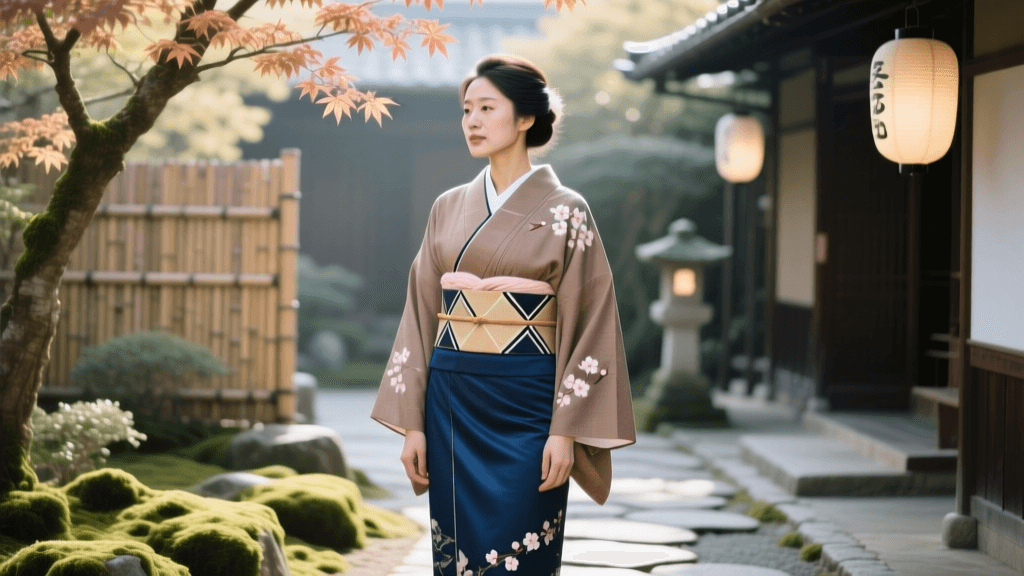
As we navigate the global fashion landscape of 2026, the intersection of heritage craftsmanship and contemporary streetwear has never been more prominent. Japanese traditional garments, specifically the kimono and the haori, have transcended their historical boundaries to become highly coveted pieces in modern, international wardrobes. At the forefront of this movement is Nishijin-ori, the luxurious, intricately woven brocade originating from Kyoto. No longer reserved exclusively for formal ceremonies or tea houses, these masterpieces of textile engineering are being reimagined by a new generation of stylists who value sustainability, artisanal quality, and sartorial storytelling.
According to the Japan National Tourism Organization, the Nishijin Textile Center in Kyoto continues to be a vital hub for preserving these ancient weaving techniques while adapting to modern aesthetic demands. In 2026, the integration of traditional Japanese fashion into everyday wear is not about costume; it is about thoughtful curation, layering, and respecting the profound history embedded in every thread.
The Heritage of Nishijin-Ori Weaving
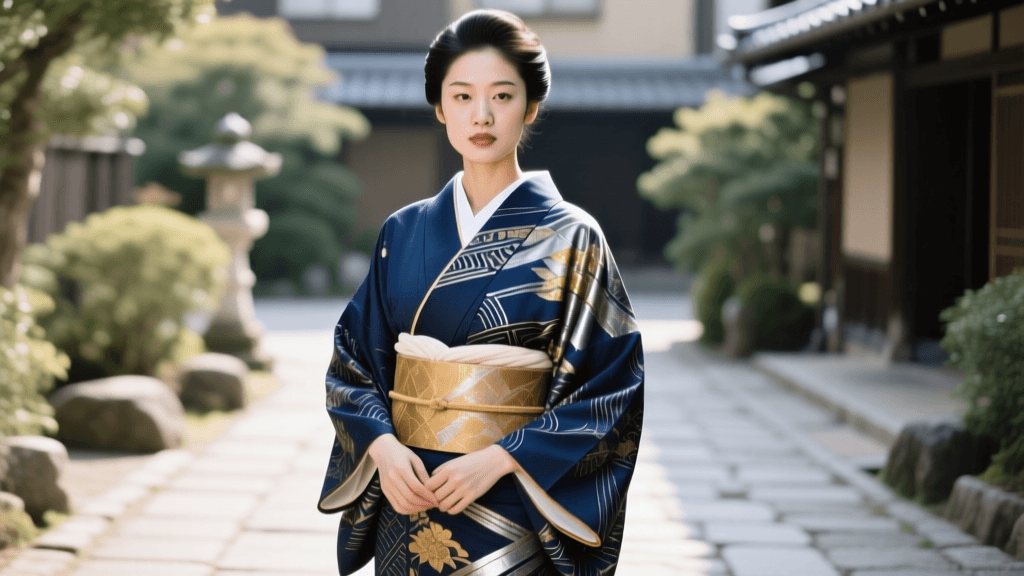
To truly appreciate styling these garments, one must understand the textile itself. Nishijin-ori is not a single fabric but a collective term for the elaborate, multi-colored brocades produced in the Nishijin district of Kyoto. The process involves dozens of meticulous steps, from the initial design and yarn dyeing to the complex setup of jacquard looms. As documented by the Metropolitan Museum of Art's Heilbrunn Timeline of Art History, Japanese textile traditions have long utilized complex weave structures like tsuzure-ori (tapestry weave) and kara-ori (Chinese-style weave) to create three-dimensional, embossed effects using gold and silver leaf threads.
In 2026, contemporary Nishijin artisans are blending these heritage methods with sustainably sourced, high-tenacity silk and recycled metallic threads, creating fabrics that are not only visually breathtaking but also more resilient to the rigors of modern daily wear. The resulting textiles feature a distinct stiffness and structural integrity that makes them ideal for outerwear and tailored layering.
Kimono vs. Haori: Structural Differences and Functions
Before attempting to style these garments, it is crucial to distinguish between the kimono and the haori. While both share similar T-shaped silhouettes and straight-line cutting methods, their functions and proportions differ significantly. The kimono is a full-length, wrap-around robe secured by an obi (sash), whereas the haori is a shorter, open-front jacket designed to be worn over the kimono.
| Feature | Kimono | Haori |
|---|---|---|
| Length | Full-length (ankle to floor, approx. 150-160cm) | Hip to mid-thigh (approx. 80-100cm) |
| Closure | Wrap-around, secured tightly with an Obi | Open front, secured loosely with a Haori-himo (braided tie) |
| Sleeve Drop | Standard (49cm) to Furisode (100cm+) | Standardized, typically matching the hip length |
| 2026 Styling Role | Statement dress, formal wrap, or deconstructed tailoring | Outerwear, duster coat, mid-layer over knitwear |
| Lining | Often fully lined, sometimes featuring hidden art (hakkake) | Frequently features elaborate, hidden silk linings (uragawari) |
2026 Styling Masterclass: Integrating Tradition into Modern Wardrobes
The key to wearing traditional Japanese garments in 2026 without appearing as though you are wearing a costume lies in juxtaposition. By pairing the structured, ornate silk of a Nishijin-ori haori with minimalist, contemporary basics, you allow the textile to serve as the focal point of your outfit.
1. The Haori as a Structured Duster
The most versatile way to incorporate a haori into a 2026 wardrobe is to treat it as a lightweight duster coat. Choose a Nishijin-ori haori with a more subdued, geometric pattern or a dark base color interwoven with subtle metallic threads. The Outfit: Pair the haori with a high-neck, ribbed merino wool turtleneck in charcoal or ivory, tailored wide-leg trousers, and minimalist leather loafers. The straight cut of the haori complements the vertical lines of wide-leg trousers, creating a sleek, elongated silhouette. Leave the traditional haori-himo (front tie) removed for a cleaner, modern lapel effect.
2. Belted Kimono Silhouettes
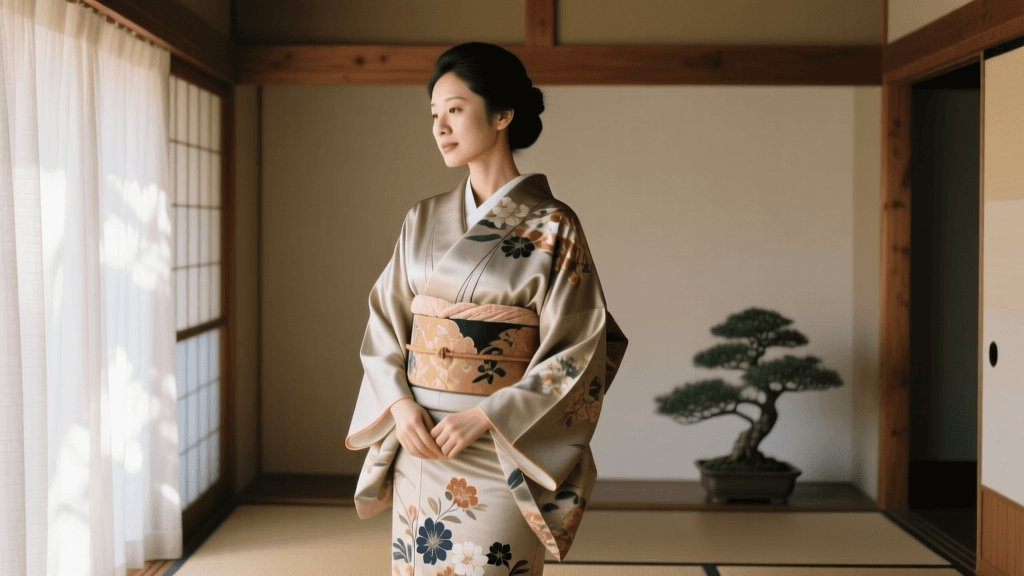
For those looking to wear a full kimono as a primary garment, the traditional obi can be swapped for contemporary leather accessories. The Outfit: Wrap a lightweight silk or synthetic-blend kimono over a simple slip dress or a fitted t-shirt and denim combination. Instead of the bulky, traditional brocade obi, cinch the waist with a wide, structured leather belt or a braided cord belt. This defines the waist, prevents the garment from overwhelming your frame, and firmly grounds the piece in modern streetwear aesthetics.
3. Highlighting the Uragawari (Hidden Lining)
One of the most exquisite features of the haori is the uragawari—the elaborately painted or woven lining that is traditionally hidden. In 2026, fashion enthusiasts are actively showcasing these linings. By folding back the cuffs or pinning the front panels open, you reveal intricate Yuzen-dyed landscapes or bold, modern abstract art hidden within the garment. The Victoria and Albert Museum notes that this interplay between public restraint and private expression is a hallmark of Japanese sartorial philosophy, a concept that resonates deeply with modern luxury consumers.
Sourcing and Pricing in the 2026 Market
Acquiring authentic Nishijin-ori requires an understanding of the current market dynamics. In 2026, the market is distinctly divided between vintage archives and contemporary bespoke commissions.
- Vintage and Upcycled (1970s–1990s): The secondhand market in Tokyo (specifically in neighborhoods like Shimokitazawa and Koenji) and Kyoto remains the most accessible entry point. A high-quality, vintage Nishijin-ori haori in excellent condition typically ranges from ¥35,000 to ¥85,000 ($230 to $560 USD). Look for the official Nishijin textile certification seal on the inner seam to verify authenticity.
- Contemporary Artisan (New): Commissioning or purchasing a newly woven Nishijin-ori haori directly from a Kyoto atelier is a significant investment. Due to the rising costs of raw silk and the scarcity of master weavers, new bespoke pieces start at ¥250,000 ($1,650 USD) and can easily exceed ¥800,000 for complex kara-ori weaves incorporating genuine gold leaf.
- Modern Synthetic Blends: For daily wear and travel, several 2026 heritage brands have introduced washable, high-tech polyester blends that mimic the weight and sheen of Nishijin brocade. These are priced between ¥15,000 and ¥30,000 and are highly recommended for those living in humid climates where pure silk is difficult to maintain.
Preservation and Care for Silk Brocades
Nishijin-ori is heavily structured and often contains metallic threads that are highly susceptible to moisture, friction, and direct sunlight. Proper care is non-negotiable if you wish to preserve the garment's structural integrity.
Storage: Never hang a heavy silk kimono or haori on standard wire or wooden hangers for long periods, as the weight of the fabric will distort the shoulder seams. In 2026, the standard practice remains folding the garment along its natural seam lines and storing it flat in a breathable, acid-free tatoushi (traditional paper wrapper). Keep the storage drawer lined with natural camphor wood to deter insects without the use of harsh chemical mothballs, which can tarnish metallic threads.
Cleaning: Do not attempt to spot-clean Nishijin-ori with water or commercial stain removers. The water rings left on pure silk are often permanent. Rely exclusively on specialized arai-hari services—traditional Japanese laundry experts who dismantle the garment, wash the flat silk panels, and re-sew them. While this service is expensive (often costing upwards of ¥20,000 per garment), it is the only safe method for deep cleaning heritage textiles.
Conclusion
The integration of Nishijin-ori kimono and haori into 2026 fashion is a testament to the timelessness of Japanese craftsmanship. By understanding the structural nuances of the garments, respecting the intricate weaving techniques, and employing thoughtful, modern styling strategies, you can seamlessly weave centuries of Asian tradition into your contemporary wardrobe. Whether you are draping a vintage haori over a tailored suit or belting a silk kimono for an evening out, you are participating in a living, breathing fashion legacy that continues to evolve and inspire.