2026 Japanese Kimono Layering: Weaving Styles & Life Stages
The Renaissance of Japanese Fashion in 2026
In 2026, the global fashion landscape has witnessed a profound return to heritage craftsmanship, with Japanese traditional garments leading the charge toward sustainable, meaningful wardrobes. The kimono is no longer viewed merely as a relic of the past or a costume reserved strictly for festivals; it is a living, breathing textile art form that adapts to contemporary life stages, international travel, and modern minimalist aesthetics. Understanding the intricate layering of Japanese fashion requires a deep dive into the sensory experience of its textiles, the meticulous weaving methods passed down through generations, and the symbolic transitions marked by specific garments throughout a person's life.
This comprehensive guide explores the intersection of Zen spirituality, historical preservation, and 2026 styling techniques, offering actionable advice for collectors, cultural enthusiasts, and modern fashion aficionados looking to integrate authentic Japanese garments into their daily lives.
The Sensory Experience of Traditional Weaving
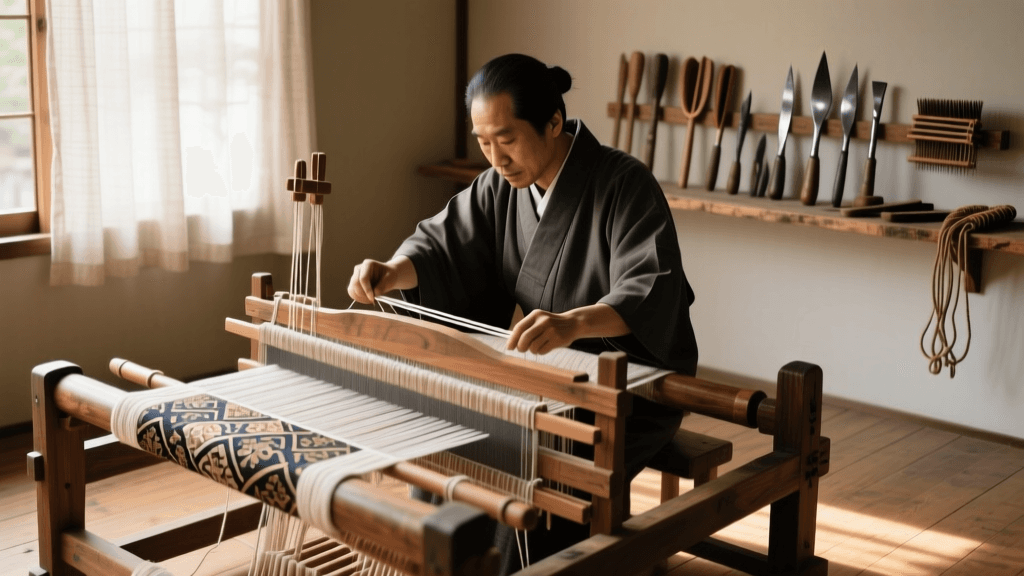
To truly appreciate Japanese fashion, one must engage with the sensory experience of the textiles. The concept of kinu-nari (the rustling sound of silk) is a prized auditory element of wearing a high-quality kimono. In 2026, discerning buyers prioritize textiles that offer a multi-sensory experience: the visual depth of the dye, the tactile weight of the weave, and the acoustic signature of the fabric in motion.
Nishijin-ori and Yuki-tsumugi
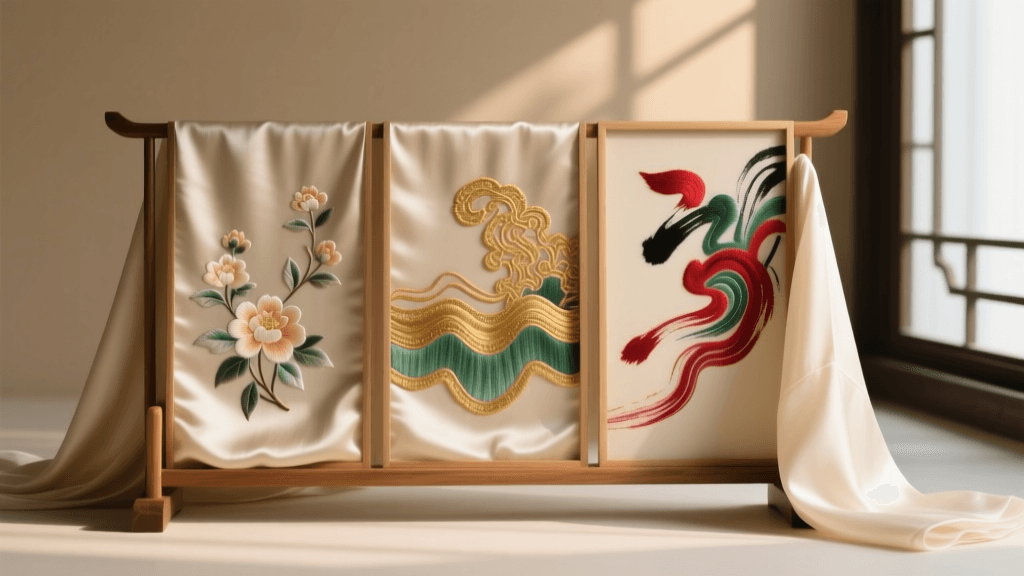
Nishijin-ori, the luxurious brocade weaving tradition of Kyoto, remains the pinnacle of formal Japanese fashion. Characterized by its use of pre-dyed threads woven into complex, raised patterns, Nishijin-ori obi sashes are heavy, structured, and visually stunning. The tight weave creates a stiff, supportive garment that holds the elaborate knots (musubi) required for formal events.
Conversely, Yuki-tsumugi offers a completely different sensory profile. Recognized for its exceptional craftsmanship, this pongee silk is hand-spun and woven, resulting in a fabric that is remarkably lightweight, breathable, and soft against the skin. According to the UNESCO Intangible Cultural Heritage archives, the meticulous hand-tying and mud-dyeing processes of Yuki-tsumugi create a textile that actually improves in texture and softness with decades of wear, making it a highly sought-after investment piece in the 2026 vintage and artisanal markets.
Kimono Layering Across Life Stages
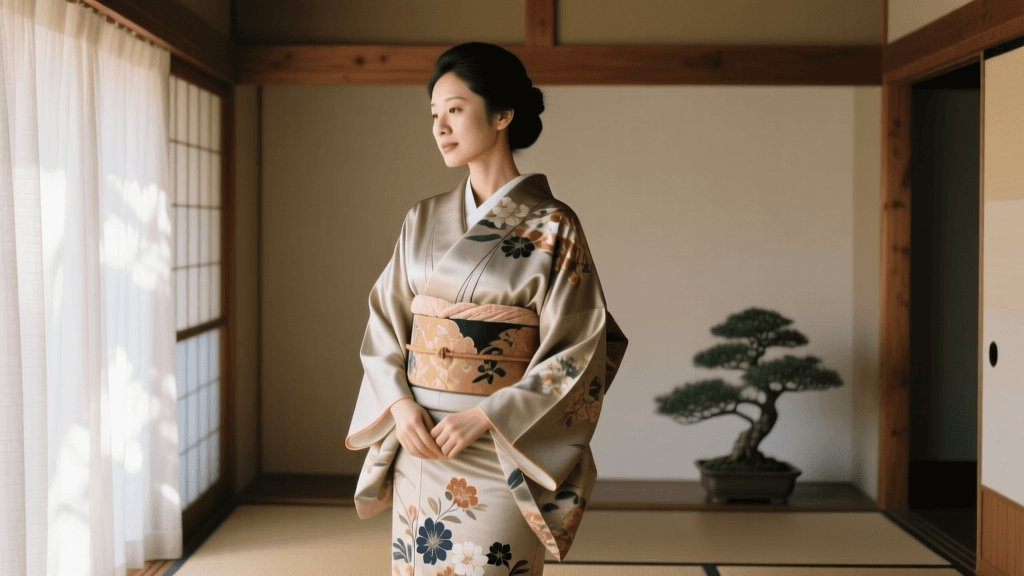
Japanese fashion is deeply intertwined with life stages, with specific layering techniques, motifs, and weaving styles designated for different ages and milestones. The art of layering, known as kasane, involves not just the outer kimono, but the undergarments (juban), the sash (obi), and the accessories (obijime and obiage) that peek out to create a harmonious color palette.
Shichi-Go-San (Childhood Milestones)
For the Shichi-Go-San festival, which celebrates children at ages three, five, and seven, garments prioritize comfort and vibrant symbolism. Young girls wear brightly colored Yuzen-dyed silk kimono with motifs of cranes and pine trees, representing longevity. In 2026, modern parents often opt for lightweight, washable silk blends or high-grade synthetic alternatives for the innermost layers to ensure the child remains comfortable during long shrine visits, while the outer layer remains authentic, hand-painted silk.
Seijin-shiki (Coming of Age)
The Coming of Age ceremony marks a young adult's transition into society at age 18 or 20. Young women don the furisode, a kimono characterized by its dramatically long, swinging sleeves. The layering here is highly formal, featuring a heavy, ornate Nishijin-ori obi tied in a large, decorative knot at the back. The furisode's long sleeves are historically meant to ward off evil spirits and signify unmarried status, making the textile choice and sleeve measurement critical elements of the garment's cultural grammar.
Wedding Ceremonies (Shiromuku and Uchikake)
Traditional Japanese weddings feature the ultimate expression of textile layering. The shiromuku is an all-white ensemble symbolizing purity and the bride's willingness to be dyed in the colors of her new family. Beneath the heavy, padded outer robe (uchikake), the bride wears multiple layers of white silk. The uchikake itself is often woven with gold and silver threads, featuring auspicious motifs like the phoenix or the turtle. The sheer weight of these garments requires physical endurance, transforming the act of wearing the kimono into a moving meditation.
Mature Elegance (Edo-Komon and Shibori)
As individuals mature, Japanese fashion shifts toward subtle elegance and understated sophistication. Older women and men frequently favor Edo-komon, a dyeing technique that produces incredibly fine, micro-geometric patterns that appear solid from a distance but reveal intricate designs upon closer inspection. This aligns with the Zen aesthetic of shibui—simple, subtle, and unobtrusive beauty. Layering for mature adults focuses on high-quality, muted tones and exquisite, understated obi sashes.
2026 Sourcing, Pricing, and Textile Comparison
Navigating the market for authentic Japanese garments in 2026 requires an understanding of current pricing, weaving methods, and appropriate use cases. The table below provides a structured comparison of the most prominent traditional textiles available today.
| Textile / Technique | Weaving / Dyeing Method | Sensory Profile | 2026 Average Price (USD) | Best Use Case |
|---|---|---|---|---|
| Nishijin-ori | Jacquard brocade weaving with pre-dyed threads | Heavy, structured, visually raised patterns | $800 - $3,500 (Obi) | Formal events, weddings, tea ceremonies |
| Yuki-tsumugi | Hand-spun silk, hand-tied resist, mud-dyeing | Lightweight, breathable, softens over time | $1,500 - $5,000 (Full set) | High-end casual, mature daily wear |
| Kyo-Yuzen | Hand-painted resist dyeing on white silk | Smooth, fluid drape, vibrant pictorial designs | $1,200 - $4,000 (Kimono) | Coming of age, formal parties, festivals |
| Oshima-tsumugi | Mud-dyed silk with precise geometric kasuri | Crisp, rustling (kinu-nari), durable | $900 - $2,800 (Kimono) | Semi-formal gatherings, cultural outings |
| Edo-Komon | Micro-pattern stencil dyeing | Matte finish, subtle texture, understated | $600 - $2,000 (Kimono) | Tea ceremonies, mature elegance, business |
Zen Spirituality and Minimalist Styling
The influence of Zen Buddhism on Japanese fashion cannot be overstated. In 2026, the global trend toward minimalism has drawn heavily from the Japanese concept of Ma (negative space). In kimono styling, Ma is represented by the unadorned spaces of the fabric, the deliberate exposure of the nape of the neck (eri-nuki), and the restrained use of color. Zen spirituality teaches that true beauty lies in restraint and the acceptance of imperfection (wabi-sabi).
When styling a kimono today, practitioners are encouraged to leave intentional gaps in the layering, allowing the garments to breathe and move naturally with the body rather than forcing them into rigid, uncomfortable silhouettes. This philosophy extends to the selection of accessories; a simple, unpolished stone obidome (sash clip) is often preferred over flashy, mass-produced metallic alternatives, grounding the wearer in the natural world.
International Travel and Modern Wardrobe Integration
One of the most exciting developments in 2026 is the seamless integration of traditional Japanese garments into international, Western-style wardrobes. As noted by the Victoria and Albert Museum in their extensive studies on the global impact of the kimono, the garment's T-shape construction makes it inherently versatile and adaptable to modern styling.
- The Haori as Outerwear: The traditional hip-length jacket (haori) is increasingly worn open over tailored trousers, turtlenecks, and evening dresses. Its lightweight silk construction makes it an ideal, breathable layering piece for international travel and transitional weather.
- Obi Sashes in Interior Design: Vintage Nishijin-ori obi, which may be too stiff or damaged for wear, are being repurposed in 2026 as luxurious table runners, wall hangings, and upholstery accents, preserving the textile's life in a new sensory context.
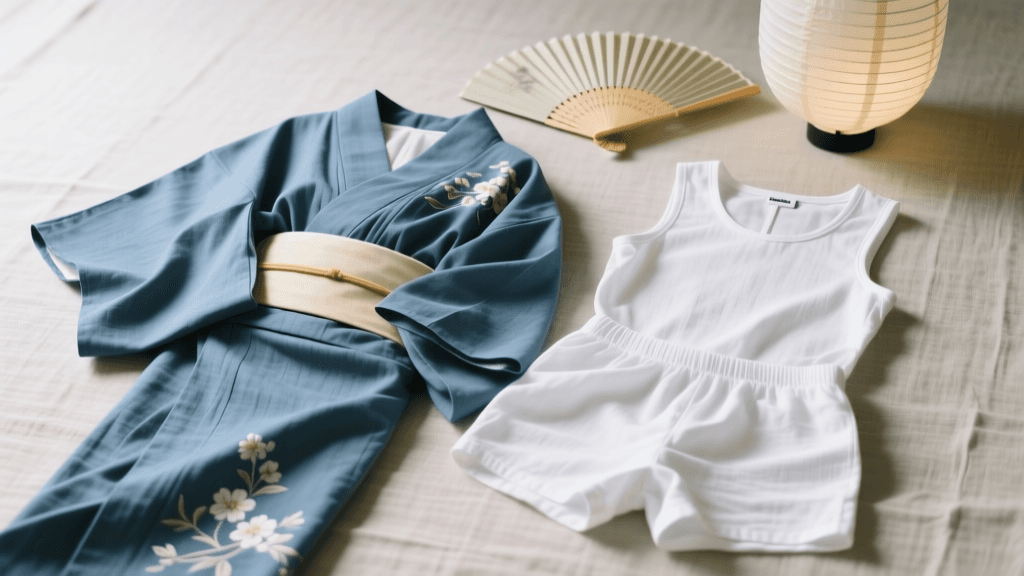
- Jinbei and Yukata for Resort Wear: For summer travel, the casual cotton yukata and the two-piece jinbei offer sustainable, breathable alternatives to synthetic resort wear, easily packing into luggage without wrinkling.
Preservation and Care for Heritage Textiles
Preserving these intricate garments requires a shift away from harsh modern chemicals toward traditional, eco-friendly care methods. The Metropolitan Museum of Art emphasizes the importance of proper storage and environmental control for historical silk garments.
In 2026, collectors utilize climate-controlled tansu (traditional wooden chests) made from paulownia wood, which naturally regulates humidity and repels insects. When cleaning is necessary, the traditional method of arai-hari—where the kimono is entirely taken apart, washed, stretched, and re-sewn—is experiencing a revival. This not only ensures the longevity of the silk but also allows the garment to be resized or restyled for the next generation, embodying the ultimate form of sustainable fashion.
Conclusion
The comprehensive guide to Japanese fashion in 2026 reveals a culture deeply committed to the preservation of its sensory and spiritual heritage. From the rustling silk of a Nishijin-ori obi to the quiet elegance of an Edo-komon kimono, these garments offer a profound connection to life stages, nature, and Zen philosophy. By understanding the weaving methods, respecting the layering traditions, and embracing modern, sustainable styling, we ensure that the art of the kimono continues to evolve and inspire for generations to come.