Start a Kimono Rental Shop: The Ultimate Business Guide
The Experiential Tourism Boom and the Kimono Market
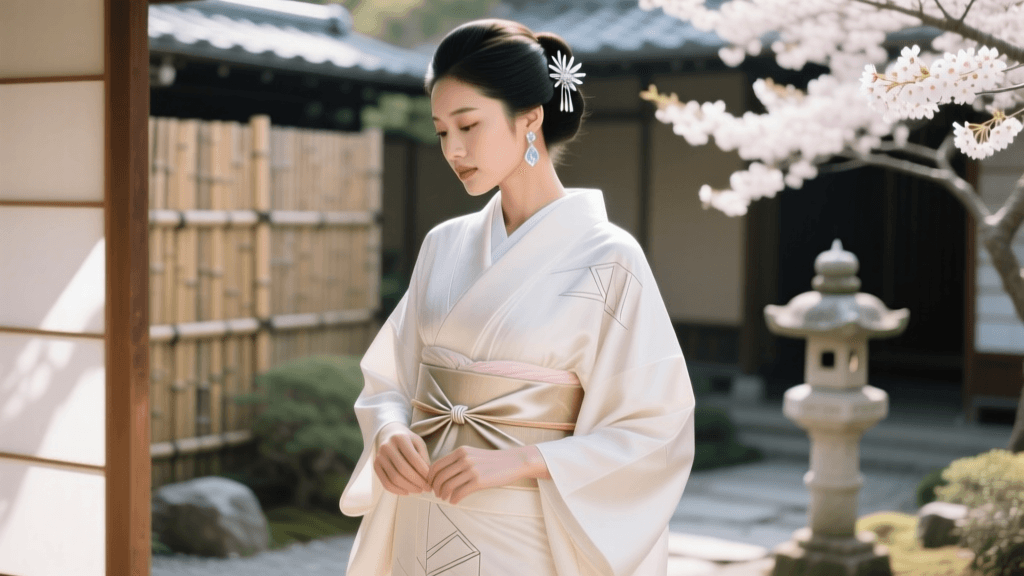
The global shift toward experiential tourism has transformed traditional garment rentals from a niche local service into a highly lucrative international business model. Nowhere is this more evident than in Japan, where dressing in traditional attire to explore historical districts has become a cornerstone of the inbound travel experience. According to the Kyoto City Tourism Association, cultural immersion activities, particularly kimono rentals, consistently rank among the top requested experiences for international and domestic tourists alike. For entrepreneurs, starting a kimono rental shop offers a unique intersection of cultural preservation, fashion, and hospitality. However, running a successful kimono rental (着物レンタル) business requires far more than simply purchasing beautiful garments; it demands a deep understanding of traditional sizing, specialized shop layouts, expert staffing, and meticulous garment care.
Startup Costs and Financial Planning
Opening a kimono rental shop requires a moderate initial capital investment, heavily weighted toward inventory acquisition and specialized interior build-outs. Unlike standard retail boutiques, a rental shop must function as a salon, a dressing room, and a storage facility all in one. Below is a structured breakdown of estimated startup costs for a mid-sized shop capable of servicing 20 to 30 clients per day.
| Expense Category | Estimated Cost (USD) | Details & Considerations |
|---|---|---|
| Initial Inventory (100 Sets) | $25,000 - $40,000 | Includes kimono, obi, juban, and accessories. Mix of silk and high-grade polyester. |
| Lease & Deposits | $8,000 - $15,000 | Varies by location. Historic districts command premium rents and strict facade rules. |
| Fitting Room Buildout | $6,000 - $12,000 | Tatami installation, specialized lighting, full-length mirrors, and privacy partitions. |
| Marketing & Booking System | $3,000 - $5,000 | Multi-language website, SEO, social media setup, and automated reservation software. |
| Licenses & Insurance | $1,500 - $3,000 | Business registration, liability insurance, and garment damage protection policies. |
Note: Costs can be significantly reduced by sourcing vintage kimono from wholesale auction houses (such as those in Kyoto or Tokyo) rather than purchasing newly tailored garments, which can cost upwards of $2,000 each.
Sourcing Inventory: Sizing, Anatomy, and Durability
One of the most common pitfalls for new kimono rental business owners is misunderstanding how traditional Japanese garments are sized. As noted by The Metropolitan Museum of Art, the kimono is fundamentally a T-shaped garment constructed from a single bolt of fabric known as a tanmono. This bolt is typically around 36 centimeters wide and 11 to 12 meters long. Because the width is fixed, kimono are essentially 'free-size' in terms of girth, but they vary significantly in length.
Managing Length and the Ohashori
Unlike Western dresses, a kimono is not hemmed to the exact ankle. Instead, it is pulled up and folded at the waist to create a tuck called the ohashori. This fold allows a single kimono to fit a range of heights, but rental shops must still categorize their inventory to ensure efficient dressing:
- S-Size (Kohjaku): Best for clients 145 cm to 152 cm tall.
- M-Size (Chubaka): The standard size, fitting clients 153 cm to 162 cm tall. This should make up 60% of your inventory.
- L-Size (Ohashi): For clients 163 cm to 172 cm tall.
- LL-Size / Custom: For clients over 172 cm, often requiring specialized modern-length kimono or men's styles adapted for women.
Fabric Choices for Rental Durability
While authentic silk (kinu) is the gold standard for formal wear, it is highly susceptible to staining and sweat damage. For a high-volume rental shop, it is highly recommended to stock a blend of fabrics. Use high-quality polyester blends for casual komon (everyday patterns) and yukata (summer cotton), as these can be machine washed or easily spot-cleaned. Reserve authentic silk for premium houmongi (visiting wear) and furisode (long-sleeved formal wear) packages, which command a higher rental fee and include a mandatory damage deposit.
Designing the Fitting Space and Shop Layout
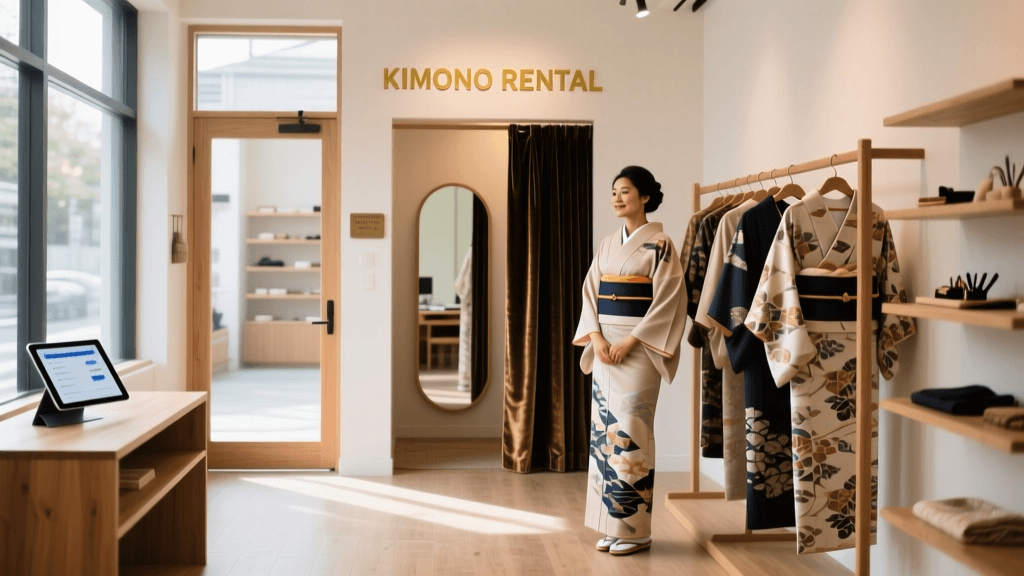
The physical layout of your shop directly impacts your daily throughput and customer satisfaction. The dressing process, known as kitsuke, requires space, specific lighting, and traditional flooring.
Fitting Room Specifications
Each dressing station should measure a minimum of 2.5 meters by 2.5 meters. The kitsuke-shi (professional dresser) must be able to walk a full 360 degrees around the client to properly tie the obi (sash) and adjust the collar. Flooring should ideally be traditional tatami or a high-quality synthetic tatami alternative, as clients will be stepping out of their shoes and wearing delicate tabi (split-toe socks).
Mirrors and Lighting
Mirrors must be at least 180 cm tall and positioned flush against the wall or on a slight tilt. Lighting is critical; you must install high CRI (Color Rendering Index > 90) LED lighting at a color temperature of 4000K (neutral white). This ensures the vibrant dyes of the silk are accurately represented and prevents the harsh shadows that occur with standard overhead retail lighting.
The Art of Kitsuke and Staffing Requirements
Your staff is the core of your business. A kimono rental shop requires two distinct types of employees: front-of-house stylists and back-of-house dressers.
Hiring and Training Kitsuke-shi
A certified kitsuke-shi can dress a client in a standard kimono in 20 to 30 minutes, and a formal furisode in 45 to 60 minutes. If you are operating outside of Japan, you may need to sponsor the training of local staff through online certification programs or by hiring a master dresser to conduct intensive multi-week workshops. The physical toll of dressing clients is high, so ergonomic mats and scheduling rotations are essential to prevent staff fatigue.
The Complete Accessory Checklist
A common mistake is underestimating the number of small accessories required for a single client. For every kimono in your inventory, you must have the following accessories ready:
- Juban & Han-eri: Undergarment and decorative collar.
- Koshihimo (x3): Thin cotton cords used to tie the kimono and juban in place.
- Datejime (x2): Wide under-sashes to flatten the cords and prepare the waist for the obi.
- Obi-makura: A small padded pillow used to give the obi knot its volume and shape.
- Obi-age & Obi-jime: The decorative silk scarf and braided cord that finish the obi knot.
Maintenance, Cleaning, and Storage
Proper garment care is what separates a profitable rental business from one that bleeds money through ruined inventory. Silk is a protein fiber that is highly sensitive to environmental factors. According to textile conservation experts at the Victoria and Albert Museum, silk is particularly vulnerable to degradation from prolonged light exposure, fluctuating humidity, and improper folding, which can cause permanent creasing and fiber snapping.
Storage Protocols
Kimono must never be stored on Western-style hangers, as the weight of the garment will distort the shoulders and stretch the delicate silk. They must be folded along their original seam lines and stored flat in specialized cedar drawers or breathable cotton storage bags called tato-shi. Cedar naturally repels insects and absorbs excess moisture, which is vital for preventing mold in humid climates.
Cleaning and Damage Control
Implement a strict inspection process upon the return of every garment. Check the collar for foundation makeup stains and the hem for mud or street dirt. Spot cleaning should be done immediately using specialized silk-safe solvents. For full cleanings, you must establish a relationship with a traditional maru-arai (kimono dry cleaning) service. This process involves un-stitching the kimono, washing the fabric panels, and re-stitching them, which can cost between $80 and $150 per garment. To mitigate this risk, always include a clear damage waiver and a hold on the customer's credit card at the time of booking.
'The kimono is not merely a piece of clothing; it is an architectural structure of fabric that requires respect, precision, and an understanding of its history to be worn and maintained correctly.' — Traditional Kitsuke Proverb
Marketing and the Customer Experience
To stand out in a saturated market, your shop must offer more than just a garment; it must offer a seamless, culturally rich experience. Invest heavily in a multi-language booking platform that allows tourists to reserve their time slots, select their preferred kimono styles, and add on services like professional photography, traditional Japanese hairstyles (nihongami), and guided walking tours. Partnering with local tea houses, shrines, and historic gardens for exclusive photo locations will elevate your brand from a simple rental shop to a premier cultural concierge.
Starting a kimono rental shop is a deeply rewarding venture that bridges the gap between historical artistry and modern entrepreneurship. By respecting the intricate anatomy of the garments, investing in the proper infrastructure, and prioritizing the customer's cultural immersion, your business can thrive while helping to keep the magnificent tradition of the kimono alive for future generations.