Tarantella Dance Costumes: 2026 Pizzica Festival Guide
The Resurgence of the Pizzica: 2026 Festival Season
The rhythmic, hypnotic beat of the tambourine echoes through the olive groves of Southern Italy, signaling the arrival of the 2026 summer festival season. At the heart of this cultural renaissance is the Pizzica, a traditional folk dance originating from the Salento peninsula in Puglia. Once a ritualistic dance believed to cure the venomous bite of the tarantula spider, the Pizzica has evolved into a powerful symbol of regional identity and communal joy. The crown jewel of this movement is La Notte della Taranta, Europe's largest folk music and dance festival, which draws over 200,000 attendees to Melpignano every August.
For dancers and cultural enthusiasts preparing for the 2026 festival circuit, understanding the anatomy, textile dynamics, and sourcing of traditional Tarantella costumes is essential. The garments are not merely decorative; they are engineered for the vigorous, spinning choreography that defines the dance. This comprehensive guide explores the intricate details of Southern Italian folk dress, offering actionable advice for sourcing authentic pieces and mastering the textile dynamics of the Pizzica.
Anatomy of the Female Tarantella Costume
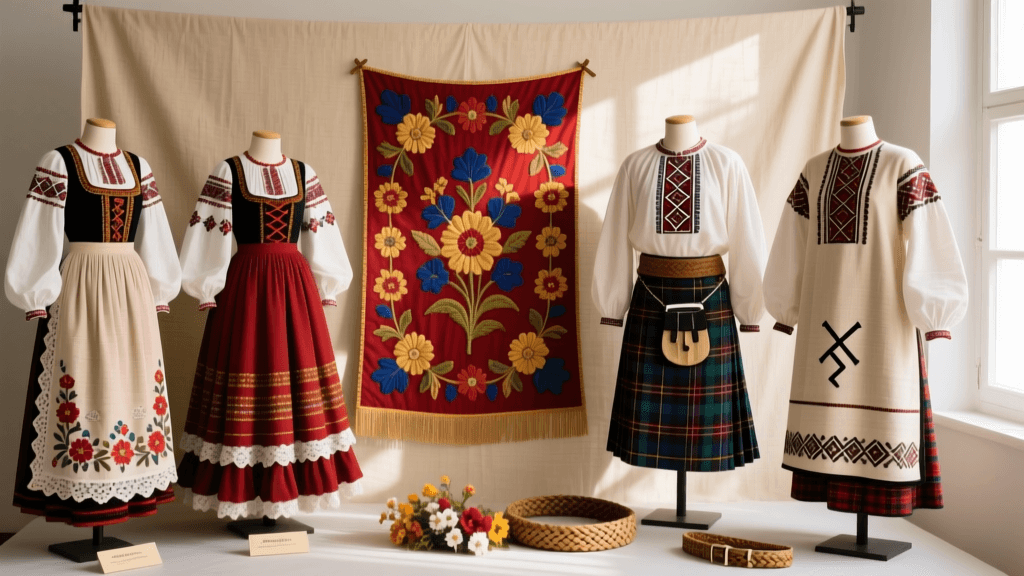
The traditional female Pizzica dress, often referred to as the abito da tarantella or vestito alla contadina, is a masterclass in functional folk design. It balances modest, historical peasant aesthetics with the dramatic flair required for stage and festival performances.
The Gonna (Skirt)
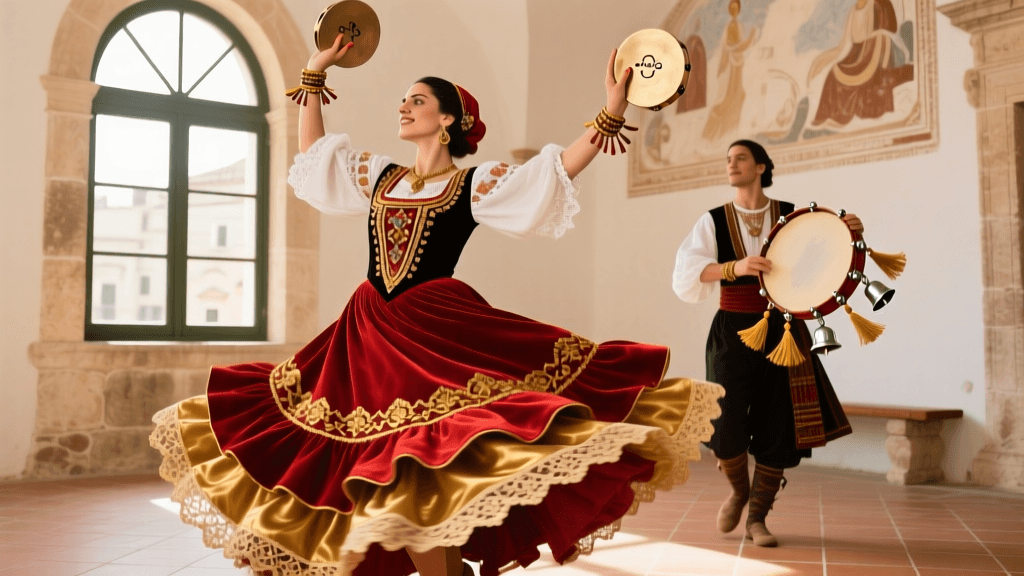
The most iconic element of the costume is the gonna, a sweeping, circular skirt designed to create a spectacular visual bell when the dancer executes the ruota (spinning). For the 2026 festival season, artisan tailors in Lecce and Otranto are heavily favoring unbleached, raw linen and lightweight cotton blends to combat the intense 35°C (95°F) Puglian summer heat. A proper dance skirt requires a hem circumference of at least 4 to 6 meters. Crucially, the hem is often weighted with a thick cotton binding or subtle lead-free weights to ensure the fabric flares outward predictably during rapid pivots, preventing the material from tangling around the dancer's legs.
The Camicia (Blouse) and Corpetto (Bodice)
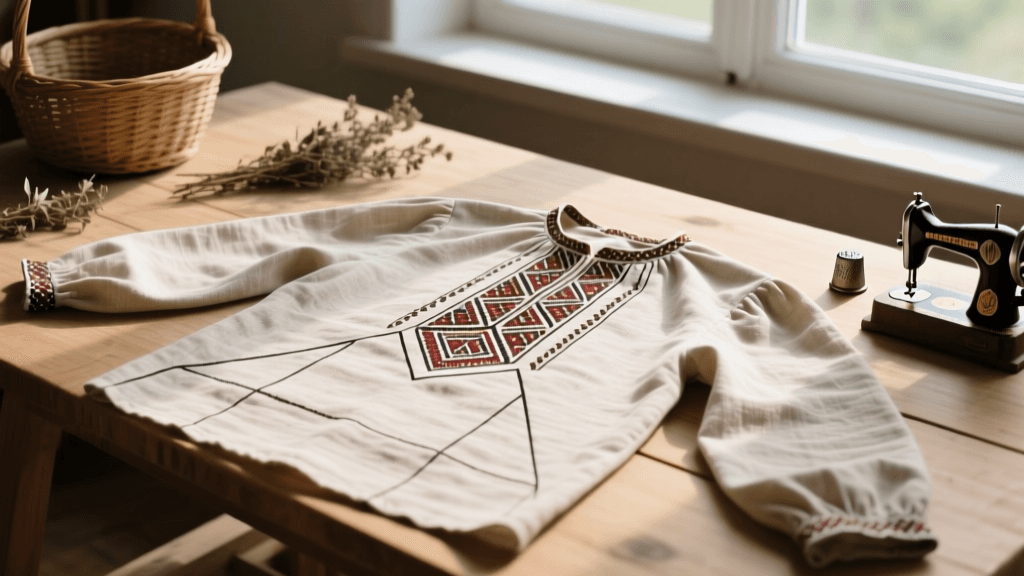
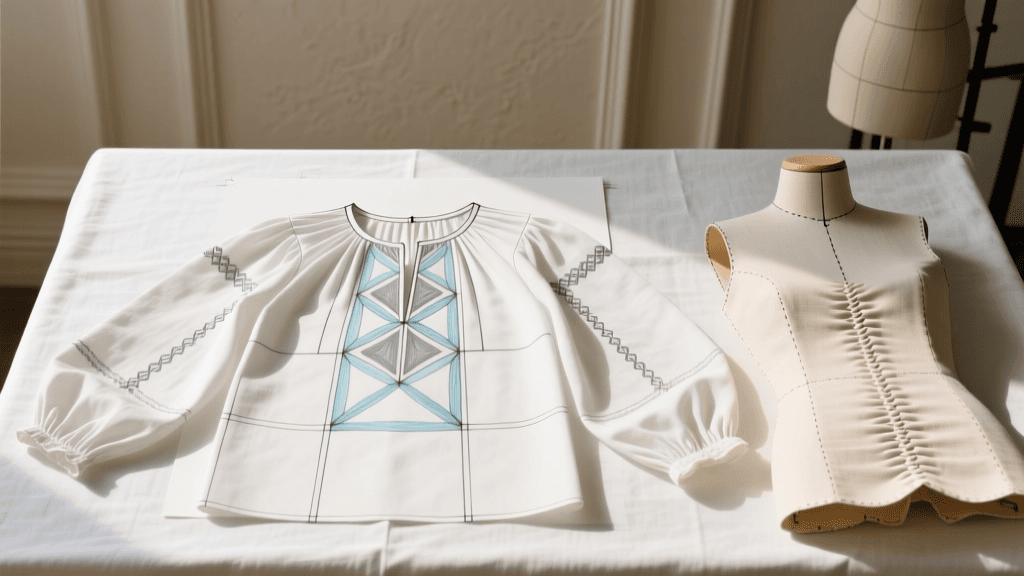
Beneath the bodice, dancers wear a camicia, a white linen peasant blouse featuring billowing sleeves gathered at the elbow or wrist. The neckline is typically square or rounded, adorned with tombolo (bobbin lace) or delicate crochet trim. Over the blouse sits the corpetto, a structured, sleeveless bodice. Historically made of dark wool or velvet, modern 2026 iterations utilize breathable cotton sateen or lightweight brocade. The bodice is laced at the front or back with silk or cotton cords, providing essential core support for the dancer's upright posture during hours of continuous leaping and stomping.
The Scialle (Shawl) and Fazzoletto (Handkerchief)
No Tarantella costume is complete without the scialle, a fringed shawl draped over the shoulders or tied at the waist, and the fazzoletto rosso (red handkerchief). The red handkerchief is a vital prop in the courtship variations of the Pizzica. Dancers wave, drop, and retrieve the handkerchief in a choreographed game of pursuit and evasion, making its lightweight, hemmed cotton construction crucial for fluid wrist articulation.
Men’s Folk Dance Attire: Functionality and Form
While the female costume is defined by its voluminous skirts, the male Pizzica attire prioritizes agility and grounded footwork. The traditional male ensemble reflects the historical wardrobe of the Southern Italian agricultural worker, elevated for festival performance.
- Camicia e Panciotto: A crisp, white linen shirt with a relaxed fit, worn beneath a panciotto (vest). The vest is typically crafted from dark corduroy or velvet, featuring brass or horn buttons.
- Pantaloni alla Zuaava: Knee-length breeches or knickerbockers that allow for unrestricted leg movement during the intricate, percussive foot-stomping sequences.
- La Fascia (The Sash): A wide, woven wool or cotton sash wrapped tightly around the waist. Historically used to support the lower back during heavy farm labor, in the context of the Pizzica, it provides core stability and a striking splash of color—often deep crimson or forest green—against the white linen.
- Foulard: A silk or cotton neckerchief tied loosely at the throat, absorbing sweat and adding a touch of Mediterranean flair.
The Tamburello: The Heartbeat of the Dance
In the Pizzica tradition, the instrument is as much a part of the costume as the textiles. The tamburello (tambourine) dictates the tempo and energy of the dancers. According to ethnomusicological archives preserved at the Museo delle Civiltà in Rome, the traditional Salentine tambourine is distinct from its northern counterparts. It features a wide cherry wood or olive wood frame, covered with taut, naturally tanned goat skin. The brass piattini (jingles) are arranged in a specific pattern to produce a sharp, cutting sound that pierces through the noise of crowded outdoor festivals. For 2026, master luthiers in Salento are experiencing a surge in demand for custom, lightweight tambourines (under 400 grams) designed specifically for dancers who play the instrument while executing complex choreography.
2026 Sourcing Guide: Bespoke vs. Ready-to-Wear
Acquiring an authentic Tarantella costume requires navigating a market that ranges from high-end artisanal bespoke tailoring to mass-produced tourist souvenirs. Below is a comparative breakdown of the 2026 market tiers to help you make an informed investment.
| Costume Tier | Estimated Cost (EUR) | Lead Time | Materials & Construction | Best Suited For |
|---|---|---|---|---|
| Artisan Bespoke | €850 - €1,600 | 3 - 5 Months | Hand-loomed linen, silk ribbons, custom bodice fitting, hand-embroidery. | Professional troupes, heritage collectors, serious competitors. |
| Semi-Custom Local | €350 - €650 | 4 - 8 Weeks | Cotton-linen blends, machine embroidery, standardized sizing with minor alterations. | Dedicated festival dancers, cultural association members. |
| Festival Ready-to-Wear | €90 - €180 | Immediate | Polyester blends, synthetic lace, elastic waistbands, unweighted hems. | First-time attendees, tourists, casual workshop participants. |
Note: For the August 2026 festival season, bespoke orders from Puglian ateliers must be placed no later than March 2026 to guarantee delivery and allow time for fitting adjustments.
Textile Dynamics in Motion: Dressing for the Dance
The Pizzica is a highly aerobic dance characterized by rapid shifts in direction, deep squats, and continuous rotation. The interplay between the dancer's body and the textile is a critical component of the performance. When executing the ruota, the dancer must generate enough centrifugal force to lift the 4-meter hem of the gonna into a perfect horizontal circle. If the fabric is too heavy (such as thick wool or dense velvet), the skirt will drag, exhausting the dancer and disrupting the visual line. Conversely, if the fabric is too light (like cheap synthetic chiffon), it will collapse inward, wrapping around the legs and creating a tripping hazard.
Expert dancers recommend a mid-weight cotton-linen blend (approximately 180-220 gsm) for the skirt. This weight provides the necessary structural integrity to catch the air and hold its bell shape, while remaining breathable enough for the sweltering Southern Italian summer. Furthermore, the bodice must be laced firmly but not restrictively; the dancer requires full diaphragmatic expansion to maintain stamina over sets that can last up to 20 minutes without a break.
Care and Maintenance for Summer Festivals
Festival environments are notoriously harsh on traditional textiles. The combination of red dust from the Salento countryside, spilled wine, and profuse sweating can quickly degrade natural fibers. To preserve your 2026 festival garments:
- Pre-Treatment: Before your first wear, treat the underarms and inner bodice of your camicia with a natural, aluminum-free antiperspirant or wear a washable, nude-toned cotton slip beneath the corset to act as a sweat barrier.
- Spot Cleaning: Avoid machine washing heavily embroidered bodices. Use a damp cloth with a mild, pH-neutral soap (like Marseille soap) to spot-clean the velvet or brocade corpetto immediately after the festival.
- Skirt Storage: Never fold a weighted gonna for long periods, as this will permanently crease the hem binding. Roll the skirt loosely around a cardboard tube or hang it on a wide, padded hanger in a breathable cotton garment bag.
- Tambourine Care: The goat skin head of the tamburello is highly sensitive to humidity. In the damp coastal evenings of Puglia, the skin may slacken, lowering the pitch. Keep your instrument in a padded, climate-controlled case when not in use, and gently warm the skin with a hair dryer on a low, cool setting if it becomes too slack before a performance.
Embracing the Tradition in 2026
Attending a Pizzica festival in Southern Italy is a transformative experience that connects participants to centuries of Mediterranean history. By investing in properly constructed, culturally respectful Tarantella costumes, dancers do more than look the part; they actively participate in the preservation of a living textile and choreographic heritage. Whether you are commissioning a bespoke linen skirt from a Lecce tailor or carefully selecting the perfect tambourine for your debut on the Melpignano dance floor, understanding the mechanics and history of these garments will profoundly elevate your 2026 festival experience.