South Tyrolean Sarner Jackets: 2026 Heritage Brands Guide
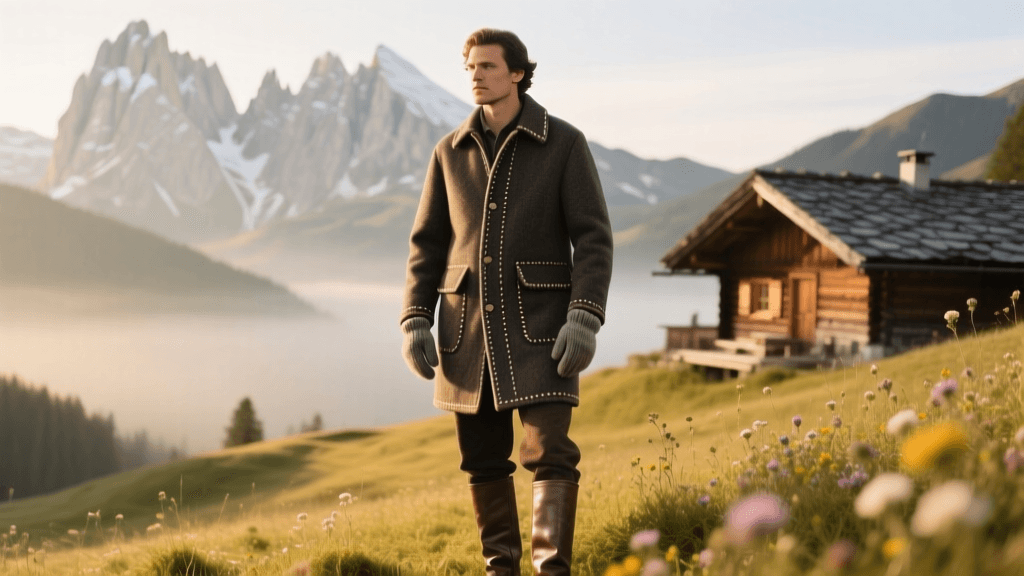
The Alpine Soul of Italian Folk Dress: South Tyrol’s Sarner
When discussing Italian regional traditional garments, the sun-drenched textiles of Sicily or the intricate lace of Burano often dominate the conversation. Yet, in the northernmost reaches of Italy, nestled against the Austrian border, lies South Tyrol (Alto Adige). Here, the folk dress—known locally as Tracht—represents a profound intersection of Italian sartorial elegance and Alpine Austro-Bavarian utility. At the heart of this heritage is the Sarner, a traditional knitted, boiled-wool jacket that has evolved from humble shepherd's wear to a globally recognized symbol of Alpine luxury. As we navigate the 2026 landscape of heritage fashion, the Sarner and its woven cousin, Loden, stand out for their uncompromising commitment to sustainability, traceability, and artisanal craftsmanship.
According to South Tyrol's cultural traditions archives, the preservation of these garments is not merely an exercise in nostalgia; it is a living, breathing textile economy that supports local shepherds, weavers, and master tailors. In 2026, the demand for authentic, regionally specific European folk dress has surged, driven by a global consumer base that values slow fashion, natural fibers, and garments that tell a verifiable story.
Historical Roots: From Sarntal Shepherds to Aristocratic Hunt
To understand the Sarner, one must look to the Sarntal (Val Sarentino) valley, a rugged, isolated region in the heart of South Tyrol. For centuries, the farmers and shepherds of this valley needed clothing that could withstand biting alpine winds, freezing rain, and the physical demands of mountain agriculture. They developed a technique of knitting heavy, coarse wool and then boiling and fulling it in hot water and lye. This process caused the wool fibers to shrink and mat together, creating a dense, windproof, and highly water-resistant fabric.
While the Sarner was born of peasant necessity, its woven counterpart, Loden, experienced a different trajectory. Originally worn by the rural poor, Loden caught the attention of the Habsburg aristocracy in the late 19th century. Emperor Franz Joseph I famously adopted Loden for his hunting expeditions, transforming the humble wool into a fabric of prestige. Today, the heritage brands of South Tyrol maintain both traditions: the knitted, fulled Sarner of the working mountains, and the woven, fulled Loden of the aristocratic lodge.
Anatomy of the Sarner: What to Look for in 2026
When investing in an authentic South Tyrolean Sarner in 2026, discerning buyers must look beyond the label and examine the construction. A true heritage piece features several non-negotiable anatomical details:
- The Fulled Knit (Walkstrick): Unlike standard knitwear, the Sarner is heavily milled. The resulting fabric should feel dense, almost felt-like, with no visible gaps between the stitches.
- The Yoke (Schulterpasse): A reinforced, often double-layered shoulder panel designed to bear the weight of alpine packs and resist heavy rainfall.
- Horn Buttons (Hirschhornknöpfe): Authentic jackets exclusively use carved deer horn or antler buttons, which are durable, naturally water-resistant, and uniquely patterned.
- Contrasting Piping (Paspelierung): The edges of the jacket, collar, and pockets are typically bound in a contrasting color. Traditional colors include forest green, deep burgundy, or charcoal, often signifying the specific valley or village of origin.
- Decorative Stitching (Zierstich): Hand-embroidered blanket stitching along the lapels and cuffs. In 2026, artisanal cooperatives are reviving hyper-local stitch patterns that serve as a geographic fingerprint.
Top Heritage Brands & Artisans for 2026
The market for Alpine heritage wear has seen a renaissance, with several historic manufacturers and cooperatives leading the charge in sustainable production.
Moessmer 1882 (Brunico)
Moessmer is arguably the most famous name in South Tyrolean Loden. Founded in 1882 in Brunico, the mill has operated continuously for over a century. As detailed in Moessmer's historical archives, the brand has masterfully bridged the gap between traditional alpine manufacturing and modern ecological standards. In 2026, Moessmer's 'Alpine Traceability' initiative allows buyers to scan a QR code on their garment's label, revealing the exact Tyrolean Steinschaf flock that provided the wool, the mill where it was spun, and the artisan who tailored the piece. Their 2026 Sarner-Loden hybrid jackets feature a slightly relaxed, contemporary drop-shoulder fit while retaining the classic horn buttons and water-resistant finish.
Sarntaler Strickstube (Sarentino)
For those seeking the purest expression of the original knitted Sarner, the Sarntaler Strickstube is a women's artisanal cooperative located in the very valley where the garment was born. Operating on a made-to-order basis, these master knitters use locally sourced, un-dyed sheep's wool. The 2026 waitlist for a bespoke, hand-embroidered Sarner from the cooperative is currently eight months long, a testament to the global appreciation for genuine, unhurried craftsmanship. Each jacket is signed by the artisan who spent over 60 hours knitting and milling it.
Südtiroler Heimatwerk (Bolzano)
Acting as both a cultural guardian and a retail hub, the Südtiroler Heimatwerk curates the finest regional textiles. While they do not manufacture in-house, their 2026 curated collection features limited-run collaborations with independent tailors from the Val Gardena and Val Pusteria. They are the premier destination for buyers looking for historically accurate Tracht that adheres strictly to the guidelines of the South Tyrolean Folk Dress Association.
2026 Buyer’s Comparison: Heritage Sarner Jackets
When budgeting for a heritage South Tyrolean jacket, prices reflect the intensive labor and premium natural materials involved. Below is a comparison of the primary market options available in 2026.
| Brand / Artisan | Base Material | 2026 Price Range (EUR) | Signature Feature | Customization Lead Time |
|---|---|---|---|---|
| Moessmer 1882 | Woven Loden / Merino Blend | €450 - €780 | QR Traceability & Modern Tailoring | 2 - 4 Weeks |
| Sarntaler Strickstube | 100% Local Raw Boiled Knit | €650 - €950 | Hand-Embroidered Zierstich | 6 - 9 Months |
| Heimatwerk Curated | Steinschaf Wool Felt | €380 - €550 | Historical Accuracy & Guild Certified | 4 - 6 Weeks |
| Independent Alpine Tailors | Custom Milled Loden | €900 - €1,400+ | Bespoke Measurements & Monogramming | 3 - 5 Months |
Caring for Boiled Wool and Loden in a Modern Climate
A common mistake made by new collectors of European folk dress is treating Loden and Sarner wool like modern cashmere or cotton. The natural lanolin present in the wool is the secret to the garment's legendary water and dirt resistance. Dry cleaning is strictly forbidden, as the harsh chemicals strip the lanolin, leaving the wool brittle and vulnerable to moisture.
In 2026, heritage brands recommend a strict 'air and brush' regimen. After wearing the jacket in damp conditions, hang it in a well-ventilated, humid environment (such as a bathroom after a shower) to allow the fibers to relax and release odors. Use a soft-bristled boar-bristle brush to gently remove surface dust and dirt, always brushing in the direction of the nap. For localized stains, a damp cloth with a mild, lanolin-based wool soap is sufficient. During the summer months, store the jacket in a breathable cotton garment bag with blocks of untreated cedar wood to naturally repel moths without resorting to chemical deterrents.
Styling the Sarner: Traditional vs. Contemporary 2026
The versatility of the South Tyrolean Sarner is a major factor in its enduring appeal. For traditional festivals, such as the Herz-Jesu-Fest (Sacred Heart Festival) or the numerous autumn Almabtrieb (cattle drives), the Sarner is worn in its historical context: over a crisp linen shirt, paired with leather Lederhosen or heavy wool breeches, and finished with calf-high wool socks and traditional Haferlschuhe (Bavarian-style shoes).
However, the 2026 urban styling paradigm has fully embraced the Sarner as a cornerstone of the 'heritage workwear' and 'quiet luxury' movements. Contemporary menswear and womenswear enthusiasts are pairing deep forest-green Moessmer Loden jackets with raw selvedge denim, heavy flannel shirts, and leather Chelsea boots. The structured shoulder and natural water resistance make it an ideal, sustainable alternative to synthetic technical outerwear or mass-produced trench coats. For women, the cropped, tailored Sarner jackets are increasingly worn over flowing midi-skirts and silk blouses, creating a striking contrast between rugged alpine utility and refined elegance.
Conclusion: Investing in Living History
The South Tyrolean Sarner and Loden jacket are far more than mere clothing; they are wearable archives of Italian Alpine history. By choosing to invest in heritage brands and artisanal cooperatives in 2026, consumers are directly funding the preservation of endangered textile techniques, supporting regional agriculture, and rejecting the ephemeral nature of fast fashion. Whether you opt for the historical purity of a hand-knitted piece from the Sarntal valley or the refined, traceable Loden of a historic Brunico mill, you are acquiring a garment designed to weather the elements—and outlast the trends—for generations to come.