Norwegian Bunad Sølje Silver Brooches: 2026 Buying Guide
The Heart of Norwegian Folk Dress: Understanding the Sølje
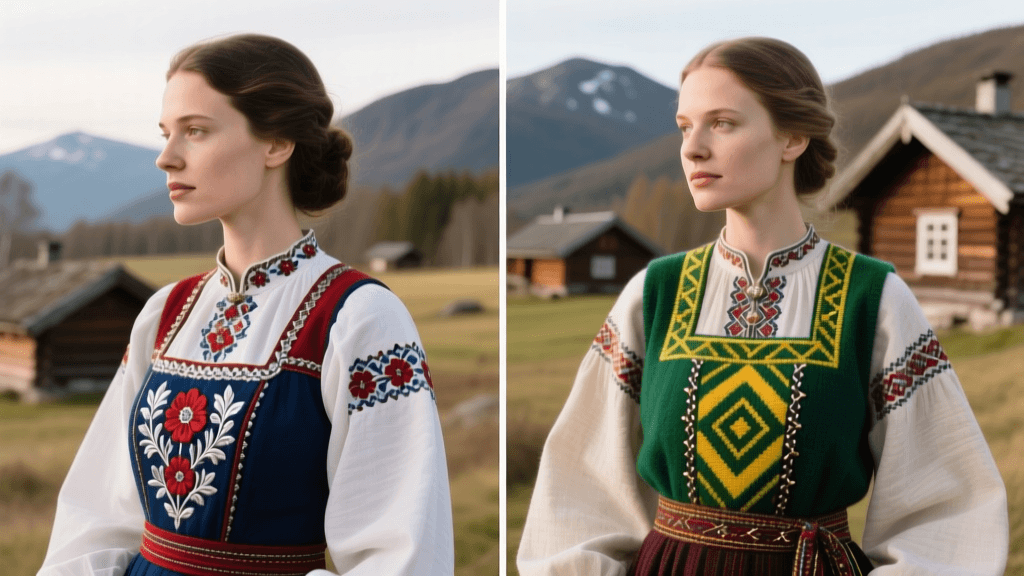
When discussing European folk dress, few accessories carry the profound cultural weight, historical continuity, and artisanal mastery of the Norwegian sølje. As we navigate the heritage revival of 2026, the traditional Norwegian bunad remains a vibrant, living garment, worn not just as a museum piece but as a celebrated symbol of regional identity during national holidays, weddings, and milestone celebrations. At the very center of this textile tradition is the sølje—the intricate, often oxidized silver brooch that fastens the bunad shirt at the neck, breast, and cuffs. Far from being mere decorative hardware, these silver pieces are deeply embedded in Scandinavian folklore, regional pride, and familial lineage.
In 2026, the appreciation for authentic, handcrafted European folk accessories has surged, driven by a global interest in slow fashion and ancestral heritage. According to the Norwegian Institute of Bunad and Folk Costume, the demand for historically accurate, locally forged silver accessories has reached new heights, with younger generations actively seeking out both antique heirlooms and newly commissioned pieces from certified master silversmiths. Whether you are a collector of European traditional jewelry, a bunad enthusiast, or a cultural historian, understanding the nuances of the sølje is essential to appreciating the complete anatomy of Norwegian folk dress.
Mythology, Trolls, and the Huldrefolk
To understand the sølje, one must look beyond its metallurgical beauty and into the rich tapestry of Norwegian folklore. Historically, silver was believed to possess potent apotropaic qualities—meaning it had the power to ward off evil spirits, sickness, and the huldrefolk (the hidden people or trolls of Scandinavian myth). In rural agrarian societies, infants and children were particularly vulnerable to being swapped with changelings by the huldrefolk. To protect them, parents would pin small silver brooches to their children's clothing. The bright flash of polished silver and the loud, clinking noise of the dangling elements were thought to blind and deafen malicious spirits, keeping the wearer safe.
This mythological function directly influenced the design of the jewelry. The most traditional søljer feature numerous dangling, spoon-shaped pendants known as skjeier. While modern wearers appreciate these for their melodic chiming and kinetic beauty, historically, they represented the tears of the trolls or served as spiritual mirrors to confuse evil eyes. Today, the Norwegian Folk Art and Craft Association continues to champion these traditional motifs, ensuring that the symbolic language of the silver remains intact even as the superstitions fade into cultural memory.
The Anatomy of a Traditional Sølje
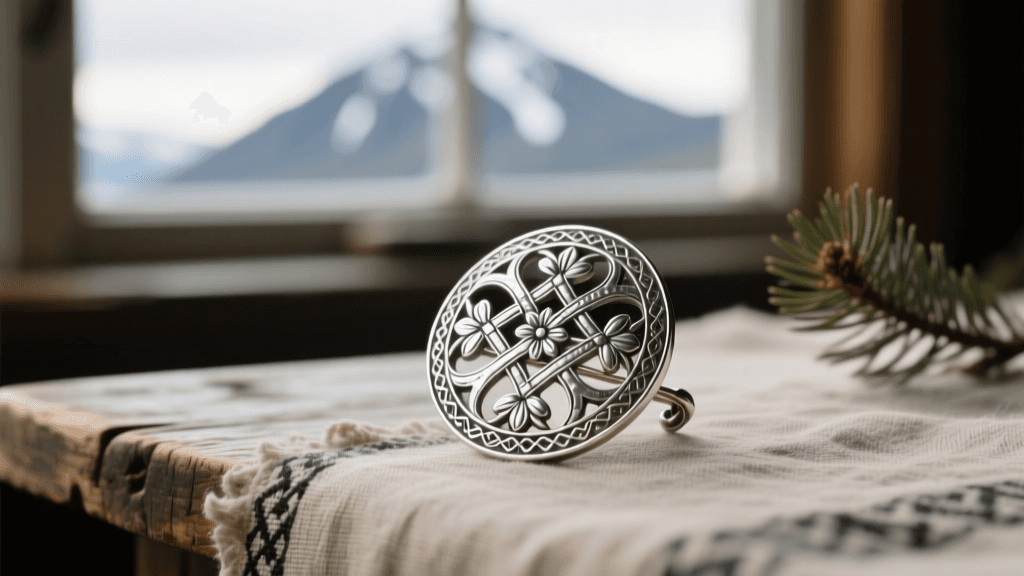
A genuine bunad sølje is a marvel of traditional silversmithing, utilizing techniques such as filigree, granulation, and repoussé that have been passed down through generations of Norwegian artisans. While designs vary wildly by region, a classic neck brooch (halssølje) typically consists of several distinct structural elements:
- Krans (The Crown or Ring): The main structural body of the brooch, often featuring a central dome or a flat, intricately engraved circular plate.
- Skjeier (The Spoons/Dangles): The teardrop or spoon-shaped pendants that hang from the lower half of the krans. A high-quality neck sølje may feature anywhere from three to over a dozen skjeier.
- Kuler (Silver Beads): Often integrated into the filigree work or used as weights at the end of the dangling chains to ensure they hang perfectly against the linen shirt.
- Maljer (Eyelets): The small rings through which the linen shirt collar is drawn and pinned by the snor (silver pin).
Regional Variations Across Norway
Just as the bunad itself is strictly tied to specific valleys, fjords, and counties, the silver accessories must match the regional origin of the garment. Wearing a Telemark sølje with a Hardanger bunad is considered a significant faux pas in Norwegian culture. Below is a comparison of the most prominent regional styles dominating the 2026 market.
| Region | Design Characteristics | Typical Finish | Notable Elements |
|---|---|---|---|
| Hardanger | Cross-shaped or symmetrical geometric patterns, heavily layered. | Oxidized (darkened) silver with polished highlights. | Often features a prominent central cross and heavy, spoon-like dangles. |
| Telemark | Elaborate, sprawling filigree work with organic, floral-inspired curves. | Bright, highly polished sterling silver. | Large central domes, intricate wirework, and occasionally integrated semi-precious stones. |
| Valdres | Delicate, heart-shaped motifs with fine chainwork. | Matte or lightly oxidized silver. | Known for the 'Valdres-hjerte' (Valdres heart) and smaller, more refined skjeier. |
| Setesdal | Bold, archaic designs reflecting Viking and medieval metalwork roots. | Deeply oxidized, almost blackened silver. | Heavy use of granulation, thick silver bands, and distinct, large circular pendants. |
2026 Market Guide: Pricing, Silver Trends, and Authenticity
Navigating the market for traditional European folk jewelry requires an understanding of both historical value and current commodity trends. In 2026, the global spot price of silver has experienced notable fluctuations, which has directly impacted the retail pricing of newly forged bunad accessories. Master silversmiths at renowned workshops like Sylvsmia in Voss have adjusted their pricing structures to reflect the cost of raw 925 sterling silver, combined with the immense labor required for hand-soldering filigree.
As of early 2026, buyers can expect the following pricing tiers for authentic Norwegian søljer:
- Standard Neck Sølje (Halssølje): 2,800 NOK to 5,500 NOK ($260 - $520 USD), depending on the complexity of the filigree and the number of dangles.
- Breast Brooch (Brystsølje): 3,500 NOK to 8,000 NOK ($330 - $750 USD). These are typically larger and feature more elaborate central motifs.
- Cufflinks (Mansjettknapper): 1,200 NOK to 2,500 NOK ($110 - $235 USD) for a matched pair.
- Antique and Vintage Pieces (Pre-1950): Highly sought after by collectors, verified antique pieces with original maker's marks frequently fetch between 12,000 NOK and 25,000 NOK at specialized Scandinavian auctions.
When purchasing, always verify the hallmarks. Authentic Norwegian silver will bear the 925S stamp (indicating sterling silver) alongside the maker's mark and, often, the town mark. Beware of mass-produced, nickel-silver alloys imported from outside Europe that attempt to mimic traditional designs; these lack the cultural authenticity and metallurgical integrity required for a true bunad ensemble.
The Confirmation Tradition and Heirloom Gifting
In Norway, the bunad and its accompanying silver are deeply tied to the konfirmasjon (confirmation) tradition, which typically occurs when a youth is 14 or 15 years old. In 2026, it remains incredibly common for grandparents and parents to gift a complete set of sølje to the confirmand. This is not merely a financial gift; it is the passing down of family heritage. Many families opt to have a modern silversmith replicate a great-grandmother's lost or damaged brooch, ensuring the lineage of the accessory continues. When commissioning a custom piece, expect a lead time of four to six months, as master artisans in Norway are currently experiencing a renaissance in custom heritage commissions.
Checklist for Buying a Sølje in 2026
If you are investing in Norwegian folk jewelry this year, use this checklist to ensure authenticity and quality:
- Verify the Origin: Purchase directly from established Norwegian silver workshops or authorized Husflid retailers. Avoid generic souvenir shops.
- Check the Hallmarks: Look for the 925S stamp and the registered maker's mark. Use the Norwegian Silver Registry to verify the artisan if buying vintage.
- Match the Region: Ensure the design strictly corresponds to the specific bunad you own. Consult a regional bunad council if you are unsure.
- Inspect the Soldering: High-quality filigree should have clean, nearly invisible solder joints. The skjeier (dangles) should hang freely without catching on the wirework.
- Request a Certificate: Reputable dealers will provide a certificate of authenticity detailing the weight, silver content, and artisan's name.
Care and Maintenance for Heritage Silver
Proper care is vital, especially for oxidized pieces where the dark patina is an intentional part of the design. Never use harsh chemical silver dips or abrasive polishing cloths on an oxidized sølje, as this will strip the dark contrast from the crevices and ruin the artisan's intended finish. Instead, use a soft-bristled brush with mild soap and warm water to gently remove skin oils and environmental dirt.
For bright, polished silver styles (like those from Telemark), the traditional electrochemical reduction method is highly effective and safe for 2026 collectors. Line a glass bowl with aluminum foil, add a tablespoon of baking soda, and pour in boiling water. Submerge the silver brooch for a few minutes. The chemical reaction will lift the tarnish from the silver and transfer it to the foil without removing any base metal. Rinse thoroughly and dry with a microfiber cloth. Always store your søljer in airtight, anti-tarnish flannel bags to minimize exposure to sulfur in the air, ensuring these magnificent pieces of European folk dress remain pristine for the next generation.