Authentic Baltic Amber & Slavic Vinok Wreaths: 2026 Buyer Guide
The 2026 Revival of Eastern European Folk Accessories
As we navigate the cultural landscape of 2026, the European folk dress revival has reached an unprecedented level of historical accuracy and artisanal pride. Enthusiasts, reenactors, and cultural heritage advocates are no longer satisfied with mass-produced, synthetic approximations of traditional garments. Instead, the focus has shifted decisively toward authentic accessories, specifically the intricate jewelry and headwear that define regional identities. In Eastern European and Slavic traditions, no ensemble is complete without the heavy, golden resonance of Baltic amber jewelry and the vibrant, deeply symbolic floral crown known as the vinok.
This comprehensive guide explores the current market for authentic folk accessories in 2026, providing actionable advice on sourcing genuine Baltic amber, identifying synthetic imposters, and constructing a historically accurate Slavic floral wreath. Whether you are preparing for upcoming Midsummer celebrations, Kupala Night festivals, or simply integrating heritage pieces into a modern wardrobe, understanding the material culture of these accessories is essential.
Sourcing Authentic Baltic Amber Jewelry
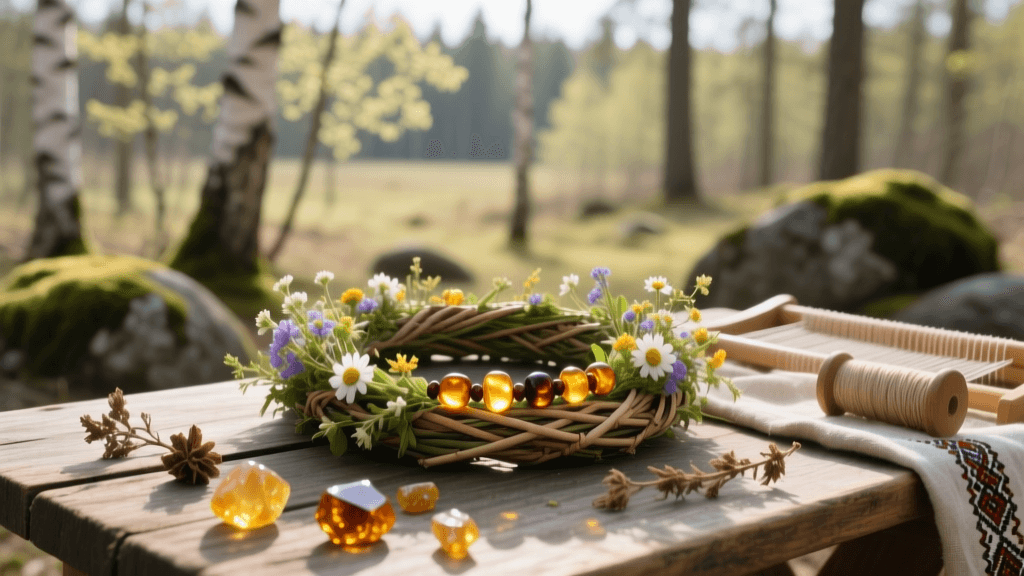
Baltic amber, often referred to as 'Northern Gold,' has been a cornerstone of Slavic and Baltic folk dress for millennia. In traditional Ukrainian, Polish, and Lithuanian costumes, amber was not merely decorative; it was believed to possess protective, healing, and solar properties. The most iconic amber accessory is the namysto, a multi-strand necklace featuring dozens of unpolished or lightly tumbled amber beads, graduating in size from the clasp to the center of the collarbone.
The 2026 Amber Market and Sourcing Hubs
In 2026, the demand for unmodified, natural Baltic amber has surged, driven by a global return to organic and historically grounded materials. The primary sourcing hubs remain the coastal regions of Lithuania, Poland, and the Kaliningrad enclave. However, the rise of ethical and traceable sourcing means that buyers in 2026 are increasingly relying on certified artisans who provide provenance documentation for their beads. According to the International Amber Association, certified natural amber must be accompanied by a guarantee of origin, ensuring it has not been subjected to autoclave treatments or artificial dyeing processes that alter its natural inclusions and color profiles.
When sourcing amber for a traditional namysto, look for 'butterscotch' or 'cognac' colored beads with natural matrix inclusions. A standard five-strand folk necklace requires approximately 150 to 200 grams of amber, with bead sizes ranging from 8mm at the edges to 15mm or larger at the center drape.
Identifying Genuine Baltic Amber vs. Copal and Resin
With the high value of natural amber, the market is unfortunately flooded with copal (immature tree resin) and synthetic plastics. To ensure your folk dress accessories are authentic, you must employ rigorous testing methods. The Gemological Institute of America (GIA) outlines several non-destructive tests that buyers and collectors can perform:
- The Saltwater Test: Genuine Baltic amber has a specific gravity of roughly 1.08. It will sink in fresh water but float in a saturated saltwater solution (mix 1 part salt to 2 parts water). Copal and most plastics will sink.
- The UV Light Test: Under ultraviolet light, authentic Baltic amber fluoresces a pale blue or milky green. Synthetic resins and plastics will typically show no fluorescence or a stark, artificial white glare.
- The Thermal Rub Test: Vigorously rubbing amber against a soft cloth generates enough heat to release a distinct, pleasant pine-forest scent. Copal smells sweet but slightly acidic, while plastic yields a harsh, chemical odor.
Crafting the Traditional Slavic Vinok (Floral Wreath)
While amber grounds the folk ensemble with earth and ancient resin, the vinok crowns it with the ephemeral beauty of nature. The vinok is a traditional headwear piece worn primarily by unmarried young women across Slavic cultures, symbolizing purity, youth, and connection to the natural world. In 2026, the crafting of the vinok has evolved from a purely rural practice to a celebrated urban art form, with workshops and masterclasses thriving in cities from Kyiv to Warsaw.
Floral Symbolism and the Rule of Twelve
A historically accurate vinok is not a random assortment of wildflowers. Tradition dictates the inclusion of up to twelve specific flowers, each carrying distinct symbolic weight. According to research archived by the Smithsonian Center for Folklife and Cultural Heritage, the selection of flora is deeply tied to agrarian calendars and regional folklore. Essential flowers include:
- Cornflower (Voloshka): Represents simplicity, grace, and the beauty of the natural landscape.
- Chamomile (Romashka): Symbolizes peace, tenderness, and familial warmth.
- Yarrow (Tysyacholytysnyk): Believed to be an indestructible plant that offers protection against dark spirits and illness.
- Poppy (Mak): A complex symbol of beauty, youth, and the fleeting nature of life, often associated with dream-state divination.
- Periwinkle (Barvinok): Represents eternity, enduring love, and the resilience of the human spirit.
Ribbon Mechanics and Measurements
The flowers are only half of the vinok's composition. The trailing ribbons, attached to the back of the wreath base, are equally vital. Traditionally, the ribbons must be cut to the exact length of the wearer's braid, typically ranging from 80cm to 120cm. In 2026, artisans strongly advocate for 100% mulberry silk or high-grade linen ribbons, avoiding the polyester satins that dominated the late 20th century due to their tendency to trap heat and lack of natural movement in the wind.
The colors of the ribbons are strictly codified. A traditional set includes twelve ribbons, starting with light brown or gold (representing the sun) at the center, flanked by yellow, light green, dark green, blue, and finishing with purple or deep red on the outer edges. The ribbons are secured to a base of woven birch bark or, for modern durability, a 0.8mm gauge florist wire wrapped in green floral tape.
2026 Buyer’s Comparison: Natural vs. Synthetic Folk Accessories
When building your folk dress accessory collection this year, it is crucial to weigh the investment of natural materials against the lower cost of synthetics. The table below outlines the current 2026 market realities for heritage materials.
| Material | 2026 Market Cost | Authenticity Marker | Best Use in Folk Dress |
|---|---|---|---|
| Natural Baltic Amber | $4 - $12 / gram | UV Fluorescence (Pale Blue) | Multi-strand Namysto Necklaces |
| Copal (Immature Resin) | $0.50 - $2 / gram | Sticky to alcohol swab | Avoid (Not Historically Accurate) |
| Mulberry Silk Ribbons | $8 - $15 / meter | Burns to fine ash, smells like hair | Vinok Wreath Ties |
| Polyester Satin | $1 - $3 / meter | Melts into hard plastic bead | Avoid (Traps heat, inaccurate) |
| Birch Bark Base | $2 - $5 / sheet | Natural papery texture, flexible | Vinok Structural Foundation |
Caring for Your Heritage Accessories
Investing in authentic materials requires a commitment to proper maintenance. Baltic amber is a fossilized resin, meaning it is relatively soft (2 to 2.5 on the Mohs hardness scale) and can be easily scratched by harder gemstones or metal clasps. In 2026, conservators recommend storing amber namysto necklaces flat in soft, unbleached cotton pouches. Never clean amber with ultrasonic jewelry cleaners, steam, or harsh chemical solvents; instead, gently wipe the beads with a slightly damp, lint-free microfiber cloth and occasionally polish them with a drop of pure almond oil to maintain their luster.
Silk ribbons and dried floral elements of the vinok require climate-controlled storage. Humidity is the enemy of both natural silk dyes and dried periwinkle. Store your wreath in a wide, shallow archival box with silica gel packets to prevent mold and color bleeding. If the silk ribbons become creased, use a low-heat steamer held at least six inches away from the fabric to gently relax the fibers without scorching the delicate natural dyes.
Integrating Traditional Accessories into Modern Wardrobes
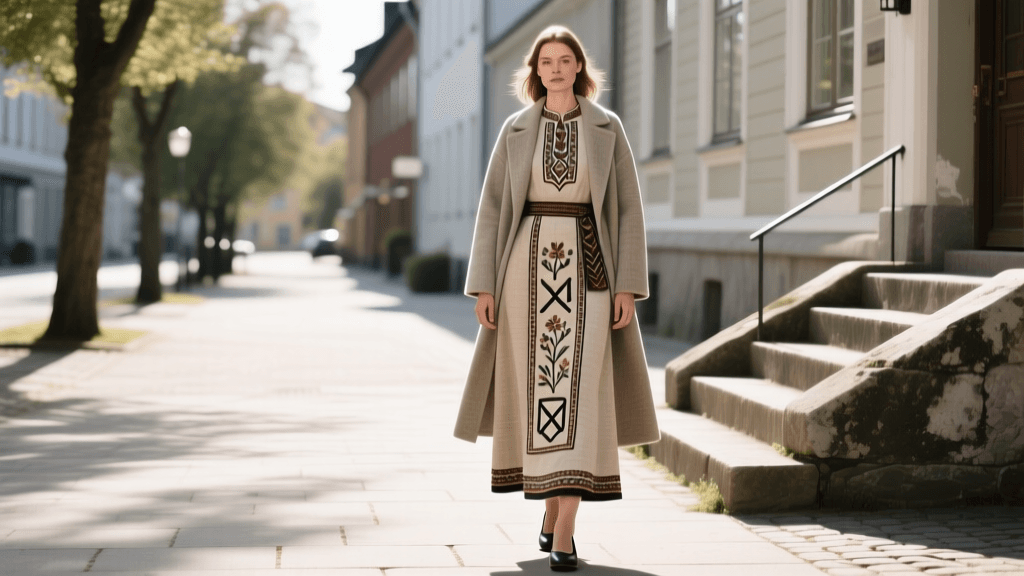
The beauty of the 2026 folk revival lies in its versatility. You do not need to wear a full, heavy woolen regional costume to honor these traditions. A carefully sourced Baltic amber necklace pairs beautifully with a modern, minimalist linen vyshyvanka (embroidered shirt) and tailored wide-leg trousers for a sophisticated, culturally grounded summer look. Similarly, a simplified vinok featuring fresh seasonal greenery and just three symbolic silk ribbons can serve as a breathtaking headpiece for outdoor weddings, cultural diaspora events, and midsummer solstice gatherings. By prioritizing authentic materials and understanding the deep-rooted symbolism of each bead and petal, you ensure that these ancient European traditions continue to thrive with dignity and accuracy in the modern era.