2026 Textile Guide: Nishijin-Ori & Peace Silk Weaves
The Evolution of Asian Heritage Textiles in 2026
As we navigate the sartorial landscape of 2026, the intersection of ancestral craftsmanship and modern ethical consciousness has profoundly reshaped how we source fabrics for traditional Asian garments. Whether you are commissioning a formal uchikake (wedding kimono), tailoring a contemporary chima jeogori (hanbok), or restoring a vintage textile, understanding the nuances of heritage weaves is paramount. The days of choosing solely based on visual luster are over; today's collectors and bespoke tailors demand transparency in sericulture, structural integrity, and cultural authenticity.
This comprehensive guide explores the premier fabric choices for traditional East Asian garments in 2026, focusing on the unparalleled artistry of Japan's Nishijin-ori brocades and the rising dominance of Ahimsa (peace) silk in Korean and Chinese bespoke tailoring. We will break down the technical specifications, current market pricing, and conservation requirements for these extraordinary textiles.
Nishijin-Ori: The Gold Standard for Formal Kimono
Originating in the Nishijin district of Kyoto, Nishijin-ori is not merely a fabric; it is a designated traditional Japanese craft that represents the zenith of jacquard weaving. In 2026, authentic Nishijin textiles remain the undisputed choice for high-ceremony kimono components, particularly the fukuro obi (the formal, double-width sash) and the elaborate collars of furisode.
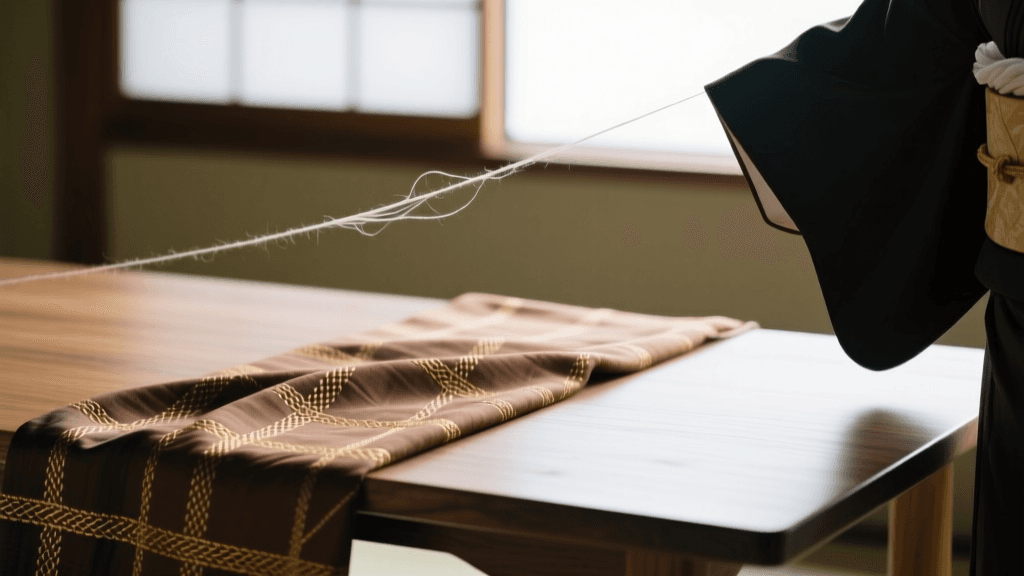
The weaving process is astonishingly complex, often requiring over twenty distinct preparatory steps before a single thread touches the loom. Artisans utilize kinran (gold and silver metallic threads) and hikihaku (flattened metallic foil-wrapped silk) to create the raised, three-dimensional brocade patterns that define the style. According to the Japan National Tourism Organization (JNTO), the Nishijin Textile Center continues to preserve these multi-harness Jacquard techniques, even as modern computerized looms are integrated for less formal, everyday silk blends.
Sourcing Authentic Nishijin-Ori in 2026
When purchasing Nishijin-ori for a bespoke project, you must understand the traditional measurement system. Kimono fabric is sold in a tanmono (a narrow bolt). A standard tanmono measures approximately 36 centimeters (14.2 inches) in width and 11 to 12 meters (12 to 13 yards) in length. This specific width dictates the T-shaped construction of the kimono, where panels are sewn together without cutting the fabric, preserving its integrity for future generations.
- Cost per Tanmono (2026): A standard silk tanmono with subtle Nishijin woven motifs ranges from $1,200 to $2,800.
- Obi Pricing: A fully hand-woven, heavy brocade fukuro obi featuring extensive kinran work starts at $3,500 and can exceed $15,000 for master-weaver commissioned pieces.
- Lead Times: Bespoke commissions from Kyoto ateliers currently require 8 to 14 months due to the scarcity of master weavers and the meticulous nature of thread dyeing.
Peace Silk (Ahimsa Silk): The Ethical Choice for Modern Hanbok
While traditional Korean myeongju (a lightweight, plain-weave silk) and Chinese xiangyunsha (mud-dyed silk) have historically dominated the hanbok and cheongsam markets, 2026 has seen a massive pivot toward sustainable alternatives. Peace silk, also known as Ahimsa silk, has emerged as the premier choice for eco-conscious clients who refuse to compromise on the structural requirements of traditional dress.
Unlike conventional Bombyx mori silk, where the silkworm is boiled inside the cocoon to prevent the breaking of the continuous filament, peace silk allows the moth to emerge naturally. This results in a staple fiber rather than a continuous filament, which is then spun similarly to cotton or wool. The Food and Agriculture Organization of the United Nations (FAO) notes that sustainable sericulture practices, including non-violent silk extraction, are vital for the ecological and economic future of rural textile communities in Asia.
Drape, Weight, and Ceremonial Suitability
Because peace silk is spun from broken cocoons, it possesses a slightly nubby texture, a matte finish, and a heavier, more fluid drape than the crisp, highly reflective sheen of traditional myeongju. This makes it exceptionally well-suited for the voluminous chima (skirt) of a hanbok, as the fabric falls in luxurious, heavy folds rather than stiffly flaring outward.
For the jeogori (jacket), tailors in Seoul are currently blending peace silk with wild Tussah silk to add structural rigidity to the collar and sleeve cuffs, ensuring the garment maintains its architectural silhouette without the use of synthetic interfacing.
Dyeing Techniques: Yuzen vs. Natural Fermentation Dyes
The base textile is only half the equation; the dyeing technique imparts the soul of the garment. In 2026, two distinct dyeing philosophies dominate the bespoke market:
- Kyo-Yuzen (Japan): A resist-dyeing technique using rice paste to outline intricate, painterly designs on Nishijin and standard silk crepe (chirimen). Modern 2026 iterations utilize organic, plant-derived pigments combined with traditional mineral mordants to achieve vibrant, wash-fast colors without synthetic runoff.
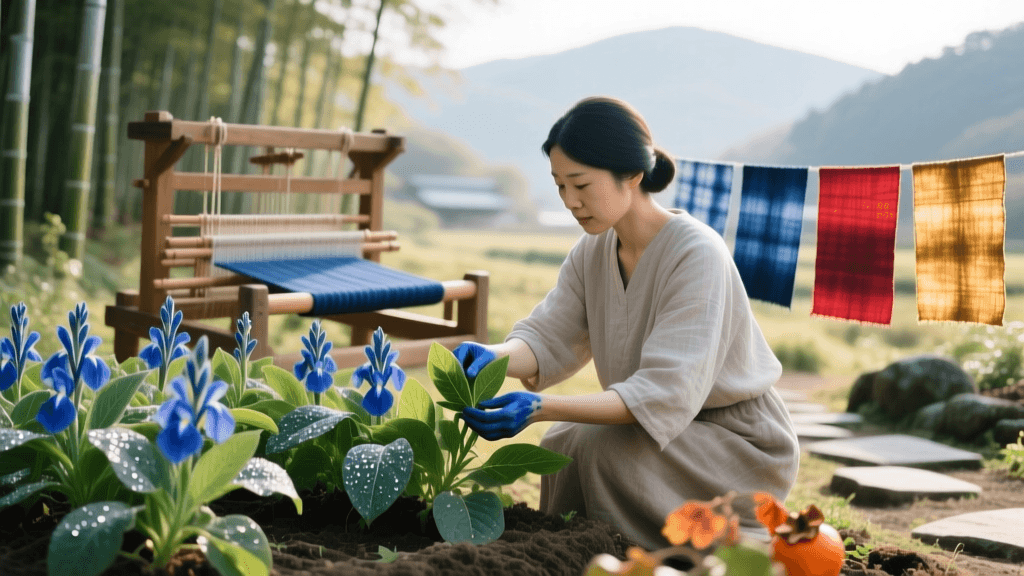
- Galot and Natural Indigo (Korea/China): For hanbok and summer-weight cheongsam, unripe persimmon juice (galot) and fermented indigo are highly prized. Persimmon dyeing naturally strengthens the silk fibers, making the fabric water-resistant and exceptionally durable, a crucial feature for garments intended to be passed down as family heirlooms.
Comparative Analysis: Traditional vs. Sustainable Weaves
To assist tailors and collectors in selecting the appropriate textile for their 2026 commissions, we have compiled a technical comparison of the most sought-after heritage and sustainable fabrics.
| Textile Type | Origin / Technique | Luster & Texture | Drape Quality | 2026 Avg. Cost (Per Yard/Bolt) | Best Garment Application |
|---|---|---|---|---|---|
| Nishijin-Ori Brocade | Kyoto, Japan (Jacquard) | High luster, raised 3D metallic motifs | Stiff, highly structured | $350 - $800 / yard | Fukuro Obi, Uchikake hems |
| Traditional Myeongju | Korea (Plain Weave) | Medium sheen, smooth and crisp | Lightweight, flares naturally | $90 - $140 / yard | Summer Hanbok Jeogori |
| Ahimsa (Peace) Silk | India/Global (Spun Staple) | Matte, slightly nubby/linen-like | Heavy, fluid, elegant folds | $85 - $130 / yard | Winter Chima, Everyday Cheongsam |
| Xiangyunsha | Guangdong, China (Mud-dyed) | Dark, leather-like sheen on one side | Crisp, breathable, cooling | $150 - $220 / yard | Heritage Cheongsam, Summer Robes |
Care, Storage, and Preservation
Investing in heritage textiles requires a commitment to proper conservation. The The Metropolitan Museum of Art's Heilbrunn Timeline of Art History emphasizes that silk is a protein fiber highly susceptible to photodegradation, moisture-induced mold, and insect predation. In 2026, best practices for storing Nishijin-ori and peace silk garments include:
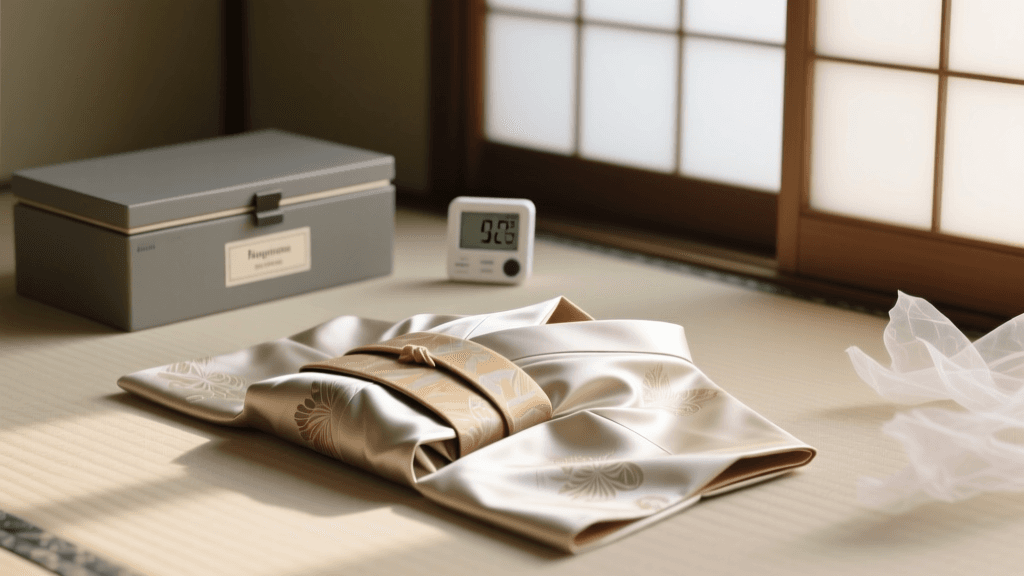
- Acid-Free Enclosures: Never store silk in plastic garment bags, which trap off-gassing chemicals and moisture. Use unbleached, acid-free cotton muslin bags or traditional Japanese tatou-shi (anti-moth paper infused with natural camphor).
- The Tatami Folding Method: Kimono and hanbok must be folded along their original seam lines. Stuffing the folds with acid-free tissue paper prevents hard creases from fracturing the metallic threads in Nishijin brocades over time.
- Professional Arai-Hari: For vintage Nishijin pieces requiring cleaning, do not use modern dry cleaning chemicals. Seek out artisans practicing arai-hari—a traditional Japanese method where the garment is entirely unstitched, the fabric panels are washed with natural soapberry (sapindus) solutions, stretched on bamboo frames to dry, and then meticulously re-sewn.
Where to Source Authentic Textiles in 2026
Sourcing authentic, high-grade textiles requires navigating a mix of historic physical storefronts and specialized global exporters. For Nishijin-ori, the Masunaga and Kawashima Selkon ateliers in Kyoto remain the premier destinations for bespoke metallic brocades, offering international shipping and virtual consultation services established in the mid-2020s.
For peace silk and sustainable hanbok fabrics, Seoul's Dongdaemun Design Plaza textile hubs have dedicated entire floors to certified Ahimsa and organic wild silks. When purchasing online, always request a swatch book first. The monitor calibration of digital devices cannot accurately convey the subtle textural differences between a spun peace silk and a continuous-filament Tussah, nor can it capture the way metallic hikihaku threads catch the light in a Nishijin weave.
Conclusion
The year 2026 represents a golden era for traditional Asian garments, where the reverence for ancestral techniques like Nishijin-ori weaving harmonizes beautifully with the ethical imperatives of peace silk production. By understanding the structural properties, historical contexts, and precise sourcing methods of these textiles, you ensure that the kimono, hanbok, or cheongsam you commission is not just a garment, but a wearable archive of Asian cultural heritage built to endure for generations.