Authentic Alpine Tracht: Sourcing Dirndls & Lederhosen 2026
The Renaissance of Alpine Tracht in 2026
When discussing European folk dress, few garments possess the global recognition and deep regional pride of Alpine Tracht. Encompassing the traditional clothing of Bavaria, Austria, Tyrol, and surrounding alpine regions, Tracht is far more than a seasonal festival costume; it is a living, breathing textile tradition. As we navigate the 2026 festival season—from the grand tents of the Munich Oktoberfest to the intimate Schützenfeste (marksmen's festivals) in Tyrolean villages—a definitive shift has occurred. Consumers and cultural preservationists alike are rejecting mass-produced, synthetic 'costumes' in favor of historically accurate, sustainably sourced, and handcrafted heritage garments.
According to archival research preserved by the Bavarian National Museum, the evolution of Tracht is deeply tied to the rural working classes of the 18th and 19th centuries, later romanticized and standardized by alpine clubs in the 20th century. Today, in 2026, the focus is on artisanal preservation. Sourcing an authentic Dirndl or a pair of bespoke Lederhosen requires an understanding of regional nuances, premium natural materials, and the master artisans who keep these techniques alive.
The Anatomy of an Authentic 2026 Dirndl
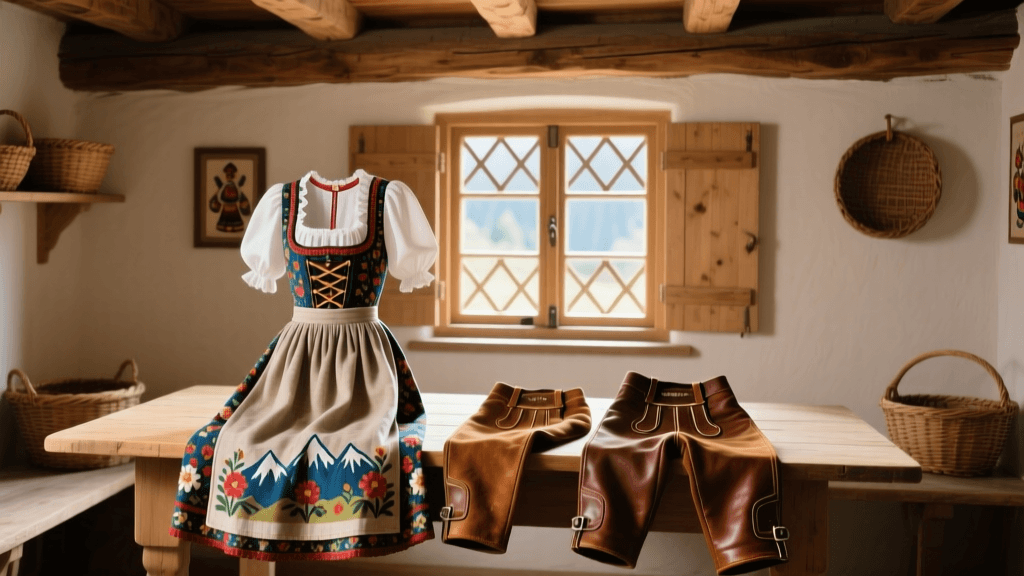
The Dirndl is a sophisticated ensemble consisting of four distinct components, each governed by unwritten rules of craftsmanship and regional identity. When sourcing a genuine piece, you must evaluate each element separately.
1. The Mieder (Bodice)
The Mieder is the structured core of the Dirndl. In 2026, heritage ateliers are moving away from rigid, synthetic boning, opting instead for flexible, natural reeds or hand-stitched cotton cording that molds to the wearer's body over time. Authentic bodices feature a front lacing system (using silver or horn hooks) or a hidden hook-and-eye closure. The neckline varies by region, but the 2026 trends heavily favor the high-necked 'Kabinett' style or the classic square 'Eckausschnitt', both trimmed with delicate, hand-made cotton lace known as 'Froschgoscherl' (little frog mouths).
2. Der Rock (Skirt)
The skirt is heavily gathered or pleated at the waistband to create volume. The most critical factor in authenticity is length. While mini-skirts are sold in tourist shops, true Tracht dictates a 'Midi' length, typically falling between 70 and 80 centimeters, resting just below the knee. In 2026, sustainable textile mills in Austria and Southern Germany are producing stunning organic linen and naturally dyed wool blends, replacing the polyester satins of previous decades.
3. Die Schürze (Apron)
No Dirndl is complete without the Schürze, traditionally made of raw silk, fine linen, or lightweight cotton. The apron must be slightly shorter than the skirt. The placement of the apron bow (Schleife) is a strict cultural code: tied on the left indicates the wearer is single; on the right means she is married or taken; in the center traditionally signifies virginity (though rarely used today); and tied at the back indicates widowhood or that the wearer is a working waitress.
4. Die Bluse (Blouse)
Worn beneath the bodice, the blouse is typically stark white or cream. For 2026, the most sought-after blouses are crafted from 'peace silk' (Ahimsa silk) or fine organic batiste cotton, featuring intricate hand-smocking (Smokarbeit) across the bust and shoulders.
Tyrolean and Bavarian Lederhosen: Beyond the Tourist Trap
Lederhosen, translating literally to 'leather trousers,' are masterpieces of leatherworking and embroidery. Authentic pairs are generational investments, often passed down from father to son, developing a rich patina over decades of wear.
The Leather: Hirschleder vs. Rindsleder
The gold standard for authentic Lederhosen is Hirschleder (deer leather), specifically from the European red deer. The finest examples utilize a traditional brain-tanning method known as 'sämisch gegerbt.' This labor-intensive process uses natural oils and smoke, resulting in a leather that is incredibly soft, breathable, and washable—a stark contrast to the stiff, chrome-tanned cow leather (Rindsleder) used in cheap imports. When sourcing in 2026, always request certification of the sämisch tanning process from the atelier.
Stickerei (Embroidery)
The embroidery on the front flap (Latz) and the sides of the trousers is where regional pride is displayed. Hand-stitched using silk or heavy linen thread, the motifs often feature alpine flora like edelweiss, gentian, or oak leaves, as well as hunting scenes. Machine embroidery is easily spotted by its uniform, flat appearance, whereas hand-sticked (handgestickt) work has a raised, three-dimensional texture and slight, beautiful imperfections.
Hosenträger and Hardware
Suspenders (Hosenträger) are essential. They are typically crafted from the same deer leather and feature a cross-piece at the back adorned with embroidery. The hardware, including the distinctive horn buttons carved from stag antler or cow horn, must be securely hand-stitched, never glued or riveted.
Regional Variations: A Comparative Guide
Alpine Tracht is not a monolith. The Austrian cultural heritage boards and regional Tracht associations emphasize that garments vary wildly across valleys and states. Below is a breakdown of the primary regional styles you will encounter when sourcing garments in 2026.
| Region | Primary Garment Focus | Signature Colors & Materials | Typical Accessories |
|---|---|---|---|
| Upper Bavaria | Midi Dirndl / Kurze Lederhosen (Short) | Earth tones, forest green, navy blue, raw silk | Gamsbart hat, silver filigree jewelry, Haferlschuhe |
| Tyrol (Austria) | Tyrolean Anzug / Festtagsdirndl | Deep red, charcoal grey, alpine white, heavy loden wool | Feathered Tirolerhut, horn buttons, carved wood accents |
| Styria (Austria) | Steireranzug / Steirisches Dirndl | Green and white (Steirerfarben), green velvet trims | Green velvet corsages, silver pocket watch chains, lace shawls |
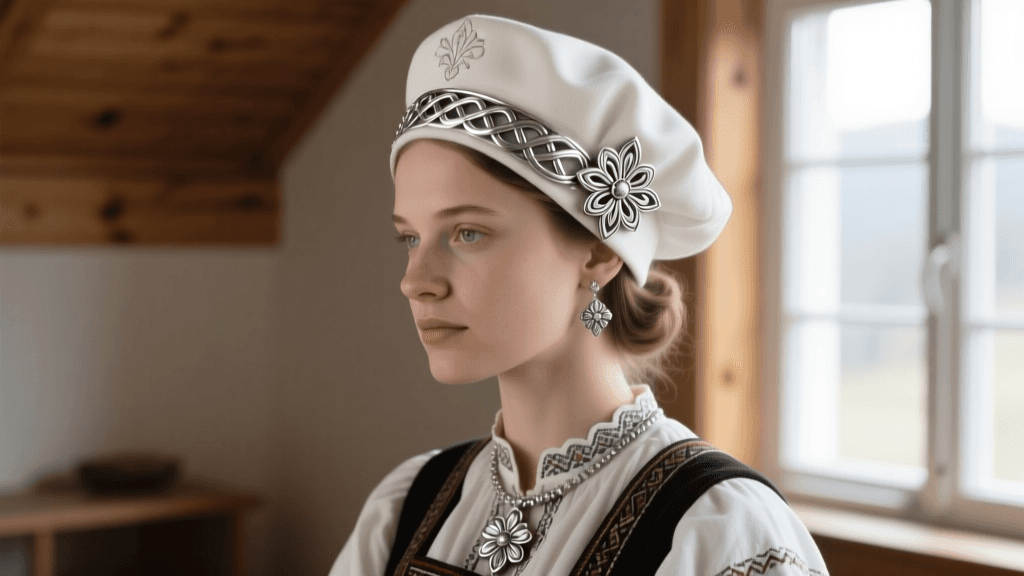
| Salzburg | Goldhaube (Golden Bonnet) Ensembles | Pastels, gold thread, heavy brocades, fine linens | Goldhaube headpiece, silk fans, pearl necklaces |
Where to Source Authentic Tracht in 2026
Finding genuine Tracht requires bypassing the souvenir shops lining the Marienplatz in Munich or the Getreidegasse in Salzburg. In 2026, the most discerning buyers seek out specialized 'Trachtenstuben' and heritage ateliers.
- Bespoke Ateliers: For custom-fitted garments, look for master tailors (Trachtenmeister) in rural Bavarian and Tyrolean towns. The process involves multiple fittings and can take three to six months. Expect to pay between €1,200 and €3,500 for a fully bespoke Dirndl ensemble, and €1,500 to €4,000+ for hand-stitched Hirschleder Lederhosen.
- Heritage Brands: Established houses that maintain in-house production and use regional materials offer excellent 'Prêt-à-porter' (ready-to-wear) options. Prices for authentic, off-the-rack Dirndls from these houses typically range from €450 to €900, while ready-made genuine deer leather Lederhosen start around €800.
- Vintage and Estate Markets: Because authentic Tracht is built to last generations, the vintage market in 2026 is thriving. Sourcing a mid-century hand-stitched piece from specialized antique textile dealers in Munich or Vienna is a sustainable and historically rich alternative to buying new.
Essential Accessories: Completing the Ensemble
A common mistake made by newcomers is neglecting the accessories, which are just as vital as the garments themselves.
Footwear: Haferlschuhe
The traditional Bavarian shoe is the Haferlschuh. Characterized by its side-lacing mechanism and sturdy, nailed leather sole, this shoe was originally designed for navigating steep alpine terrain. In 2026, artisan cobblers in the Chiemgau region are producing highly sought-after pairs using vegetable-tanned leather, priced between €250 and €400. Avoid modern rubber-soled imitations if you are attending a formal heritage event.
Headwear: The Gamsbart and Tirolerhut
For men, the Tirolerhut (Tyrolean hat) made of green or grey loden wool is standard. The ultimate status symbol is the Gamsbart, a tuft of chamois hair mounted on the hat or worn as a brush on the Lederhosen. A genuine Gamsbart, hand-tied and graded by hair length and darkness, can cost anywhere from €150 to over €1,000 depending on the size and origin of the hair.
Caring for Heritage Garments
Investing in authentic Tracht means committing to its proper maintenance. The preservation of traditional textile crafts, a subject frequently highlighted by UNESCO's Intangible Cultural Heritage initiatives, relies heavily on the end-user's ability to care for natural materials.
'Lederhosen are not meant to be kept pristine in a closet. They are meant to be lived in, stained with beer, softened by rain, and dried by the sun. The leather remembers every festival.' — Master Leatherworker, Garmisch-Partenkirchen.
- Leather Care: Never dry-clean or machine-wash Hirschleder. If the trousers become heavily soiled, they can be gently hand-washed in lukewarm water with a specialized leather soap, then massaged while damp to retain softness. Regular application of pure deer tallow or specialized leather milk keeps the hide supple.
- Dirndl Maintenance: The Mieder should always be professionally dry-cleaned to protect the internal structure and delicate silk fabrics. The cotton or linen Bluse and Schürze can be gently hand-washed and ironed on a high setting to maintain crispness.
- Storage: Store wool and loden garments with natural cedar blocks or dried lavender to deter moths. Never hang heavy Dirndl skirts by the waistband for long periods; fold them carefully in breathable cotton garment bags to prevent the pleats from stretching.
Conclusion
Sourcing authentic Bavarian Dirndls and Tyrolean Lederhosen in 2026 is an exercise in cultural appreciation and sustainable fashion. By understanding the anatomy of the garments, respecting regional variations, and investing in the master artisans who utilize traditional brain-tanning and hand-embroidery techniques, you ensure that these magnificent examples of European folk dress continue to thrive for generations to come. Whether you are attending a local alpine festival or simply honoring your heritage, true Tracht is an investment in history, craftsmanship, and identity.