Complete Guide to Norwegian Bunad Silver & Headwear 2026
The Enduring Legacy of Norwegian Bunad Accessories in 2026
In the vibrant landscape of European folk dress, few traditions command as much reverence and meticulous attention to detail as the Norwegian bunad. As we navigate the cultural revivals and festival seasons of 2026, the bunad remains far more than a mere historical costume; it is a living, breathing expression of regional identity, family lineage, and artisanal mastery. While the hand-woven wool and intricate embroidery of the garments themselves often capture the eye, it is the bunadsølv (traditional silver jewelry) and hodebunad (traditional headwear) that truly complete the ensemble, grounding the wearer in centuries of Scandinavian heritage.
For modern enthusiasts, collectors, and those preparing for milestone celebrations like Syttende Mai (Constitution Day) or summer weddings in 2026, understanding the nuances of these accessories is paramount. The market for authentic folk dress accessories has evolved, with a strong contemporary push toward sustainable, locally forged metals and historically accurate textile techniques. According to the Norwegian Museum of Cultural History, the preservation of these specific regional silversmithing and lace-making techniques is vital, as they serve as tangible links to Norway's pre-industrial agrarian society.
The Soul of the Bunad: Silver Jewelry (Bunadsølv)
Historically, silver in rural Norway was not just decorative; it was a wearable bank account. Farmers and rural citizens would melt down coins and commission local silversmiths to create elaborate brooches, belt buckles, and cufflinks that could be liquidated in times of hardship. Today, in 2026, bunad silver is a highly regulated and deeply respected craft. Authentic pieces are typically forged in 830 silver (the traditional Norwegian standard, containing 83% pure silver) or 925 sterling silver, offering a slightly warmer, antique patina compared to the bright shine of modern commercial jewelry.
The Solje: The Sun Brooch
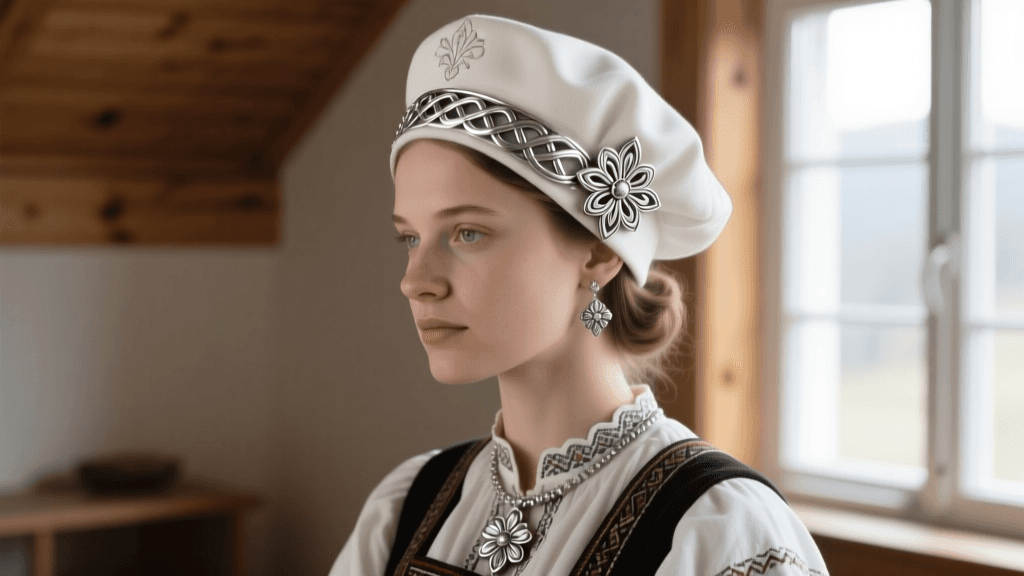
The most iconic piece of Norwegian bunad silver is the solje (sun brooch). Originating from the Telemark and Hardanger regions, the solje is characterized by a central dome surrounded by radiating, dangling shields or spoon-shaped pendants. The dangling elements are designed to catch the light and create a soft chiming sound, which folklore claimed would ward off evil spirits and the huldra (mythical forest creatures). In 2026, master silversmiths are seeing a surge in demand for custom, hand-forged soljer, with buyers actively rejecting mass-produced, imported alloys in favor of domestically hallmarked pieces.
Beltestølv and Cufflinks
Beyond the neckline, silver extends to the waist and wrists. The beltespenne (belt buckle) is particularly prominent in the Gudbrandsdal and Valdres bunads, featuring large, ornate floral motifs that mirror the rosemaling (traditional wood painting) of the region. Cufflinks, often shaped like interlocking hearts or geometric knots, secure the linen undershirts. The weight and complexity of these silver pieces historically denoted the wearer's social standing and wealth, a visual language that modern wearers proudly maintain during 2026's cultural festivals.
Traditional Headwear (Hodebunad): Crowns, Caps, and Veils
Headwear in Norwegian folk dress is strictly governed by historical marital and regional rules. In 2026, while some modern wearers adapt these rules for comfort, the core symbolism of the hodebunad remains a focal point of ethnographic study and cultural pride, as documented in the Europeana digital heritage archives.
The Skaut and the Lin
For married women, the head is traditionally covered. The skaut is a highly structured, starched white linen cap, most famously associated with the Hordaland and Hardanger regions. Creating and pinning a skaut is an art form in itself; the linen must be boiled, heavily starched, and folded into precise, architectural pleats that frame the face and secure tightly at the nape of the neck. In 2026, specialized workshops across Norway are teaching a new generation of women the intricate folding techniques required to properly mount a skaut, ensuring the skill is not lost to convenience.
Alternatively, the lin (veil) is a delicate piece of white linen or lace, draped softly over the head and secured with a silver linnål (veil pin). This is common in Eastern Norwegian traditions and offers a softer silhouette compared to the rigid skaut.
The Brudekrone (Bridal Crown)
Perhaps the most breathtaking of all European folk headpieces is the Norwegian brudekrone. Worn exclusively by unmarried women on their wedding day, these towering crowns are crafted from silver, brass, glass stones, and sometimes adorned with silk ribbons and mirrors. The crown symbolizes purity and the bride's transition into married life. Because authentic antique brudekroner are incredibly valuable and fragile, many brides in 2026 rent them from local historical societies (bygdemuseum) or commission modern replicas from specialized bunad silversmiths, with prices reflecting the hundreds of hours of meticulous hand-assembly required.
2026 Market Guide: Bunad Silver and Headwear
Understanding the current market is essential for anyone looking to acquire authentic pieces. The table below outlines the primary accessories, their regional associations, and the average costs for authentic, domestically crafted items in 2026.
| Accessory Type | Traditional Name | Region Prominence | 2026 Avg. Price (USD) | Cultural Symbolism |
|---|---|---|---|---|
| Sun Brooch | Solje | Hardanger, Telemark | $250 - $650 | Light, protection from evil spirits |
| Bridal Crown | Brudekrone | Setesdal, Voss | $1,200 - $3,500 | Purity, virginity, family heritage |
| Married Cap | Skaut | Hordaland | $150 - $400 | Marital status, modesty, maturity |
| Belt Buckle | Beltespenne | Gudbrandsdal | $400 - $1,100 | Wealth, agrarian social standing |
| Veil Pin | Linnål | Østlandet (East) | $80 - $200 | Securing the sacred marital veil |
Sourcing Authentic Accessories: Avoiding the 2026 Counterfeit Market
As the global fascination with European folk dress has grown, so too has the market for cheap, mass-produced imitations. In 2026, it is easier than ever to find 'bunad-style' silver online, but these pieces are often cast from low-grade pewter or nickel alloys in overseas factories, lacking the historical accuracy and metallurgical integrity of true Norwegian silver.
To ensure authenticity, buyers must look for the official Norwegian assay marks. Authentic bunad silver will bear the maker's registered mark and the silver content stamp (usually 830S or 925S). Furthermore, the Visit Norway cultural heritage guides strongly recommend purchasing directly from established, multi-generational silversmiths located in the specific regions where the bunad originates. For example, if you are acquiring a Telemark bunad, sourcing the silver from a smith in Telemark ensures that the floral motifs perfectly match the region's specific embroidery patterns.
Verifying Headwear Textiles
The same vigilance applies to headwear. A true skaut or lin should be made from high-quality, historically accurate linen or cotton lace, often hand-stitched. Machine-made polyester blends, which are prevalent in fast-fashion costume shops, do not hold starch properly and will collapse in the humid summer weather typical of Norwegian May celebrations. Sourcing from certified bunad manufacturers (bunadtilvirkere) guarantees that the textile weight, weave, and folding properties meet the strict standards of the Norwegian Council for Folk Costumes.
Care and Maintenance of Heirloom Silver and Linens
Proper maintenance is crucial for preserving these investments for future generations. Bunad silver, particularly 830 silver, tarnishes naturally over time. In 2026, conservationists advise against using harsh, abrasive chemical dips that strip the silver of its patina and can damage the delicate soldering on the dangling solje spoons. Instead, use a mild, phosphate-free silver polish and a soft microfiber cloth, taking care to clean the crevices of the rosemaling motifs with a soft-bristled brush.
Headwear requires equally careful attention. Linen caps and veils should be hand-washed in lukewarm water with a gentle, pH-neutral detergent. They must never be wrung out; instead, they should be rolled in a clean towel to absorb excess moisture and then ironed while slightly damp to achieve the crisp, glass-like finish required for proper pleating. Store linens in acid-free tissue paper within a breathable cotton bag, away from direct sunlight to prevent yellowing.
Conclusion: Wearing History in the Modern Era
The accessories of the Norwegian bunad are not mere embellishments; they are the historical anchors of the garment. The heavy silver solje resting over the heart and the meticulously starched skaut framing the face tell a story of survival, artistry, and deep connection to the Scandinavian landscape. As we celebrate the folk traditions of 2026, investing in authentic, ethically crafted jewelry and headwear ensures that the masterful techniques of rural Norwegian silversmiths and lace-makers continue to shine for centuries to come. Whether you are a lifelong collector or a first-time bunad wearer, respecting the origins and craftsmanship of these pieces is the ultimate tribute to European folk dress heritage.