Authentic Sardinian Orbace Wool: 2026 Heritage Brand Guide
The Legacy of Sardinian Orbace Wool
Sardinia’s rugged, windswept landscape has long dictated the wardrobes of its people, necessitating garments that offer both resilience and profound cultural identity. At the heart of this sartorial tradition is Orbace, a coarse, hand-woven sheep’s wool fabric that has clothed Sardinian shepherds and nobility alike for centuries. As we navigate the slow-fashion renaissance of 2026, authentic Sardinian Orbace wool has transcended its pastoral roots to become a highly sought-after heritage textile. Global collectors and folk-dress enthusiasts are increasingly turning to the island’s master artisans to acquire genuine, historically accurate garments. This comprehensive 2026 guide explores the legacy of Orbace, profiles the leading heritage weaving cooperatives keeping the craft alive, and provides actionable advice on acquiring, styling, and maintaining these extraordinary pieces of Italian regional dress.
The Anatomy of Authentic Orbace Wool
To understand the value of an Orbace garment in 2026, one must first understand its painstaking creation. True Orbace is not merely woven; it is engineered from the fleece of the indigenous Sardinian sheep, a breed prized for its lanolin-rich, durable wool. The process begins with the spring shearing, followed by washing the fleece in cold, running river water to preserve the natural oils that make the final fabric water-resistant.
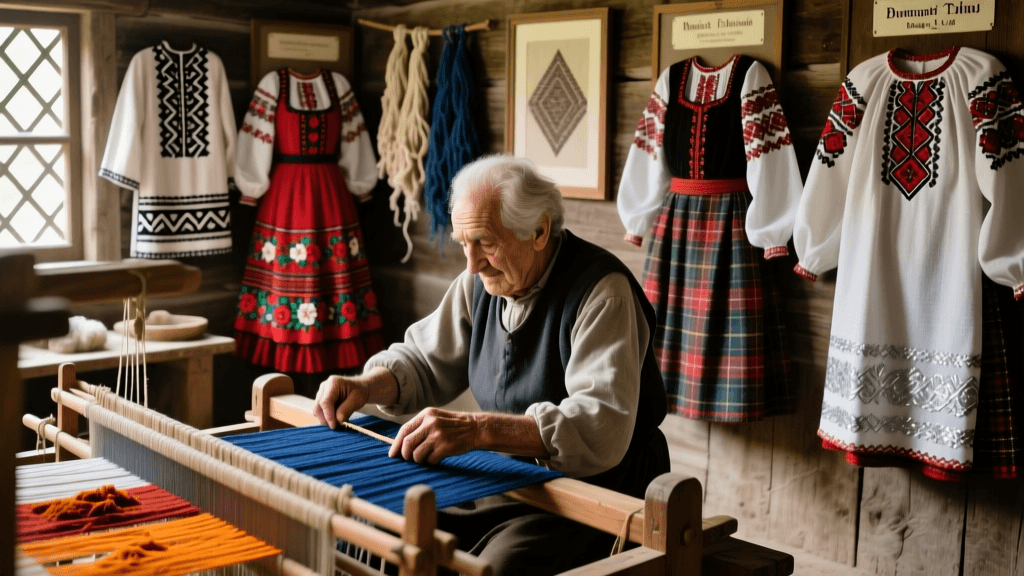
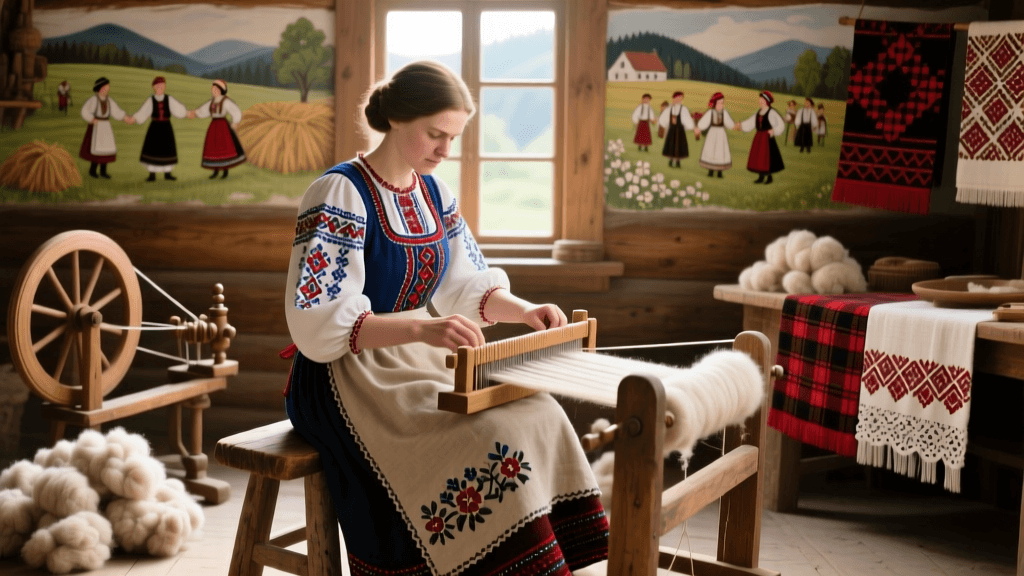
Once carded and spun on traditional wooden drop spindles or antique spinning wheels, the yarn is set onto a wooden floor loom. The weaving technique requires immense physical strength, as the heavy yarn must be beaten down tightly to create a dense, windproof textile. However, the weaving is only half the battle. The resulting cloth must undergo fulling—a process historically achieved by stamping the wool in wooden troughs with water and natural soap. Today, heritage brands utilize restored, water-powered fulling mills known as gualchiere to shrink and felt the fabric, giving Orbace its signature stiff, weatherproof drape. According to the Istituto Superiore Regionale Etnografico (ISRE), the preservation of these water mills is critical to maintaining the structural integrity of authentic folk garments, as modern mechanical pressing cannot replicate the unique tension of the traditional fulling process.
Leading Heritage Brands and Cooperatives in 2026
Acquiring genuine Orbace requires bypassing mass-produced tourist souvenirs and connecting directly with the island’s established weaving cooperatives and family-run artisan studios. Here are the premier heritage brands producing authentic Sardinian wool garments in 2026.
1. Tessitura Artigiana Mulas (Samugheo)
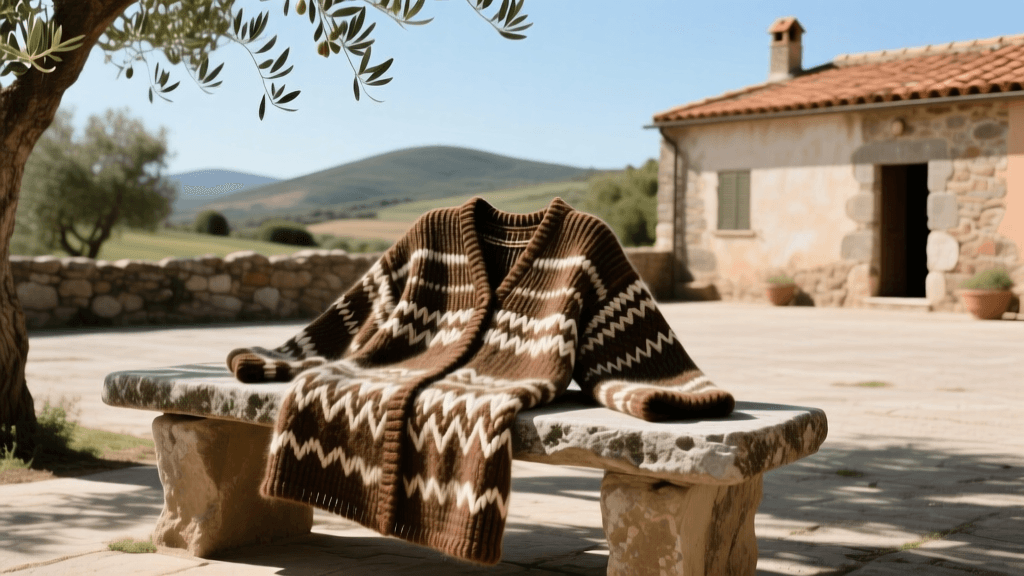
Samugheo is widely recognized as the capital of Sardinian weaving, and the Mulas family has been at the forefront of this tradition for generations. In 2026, Tessitura Mulas specializes in the mastruca—the iconic, sleeveless shepherd’s vest crafted from heavy, un-dyed black or brown Orbace. The Mulas studio is one of the few remaining ateliers that still processes raw fleece on-site. A custom-fitted mastruca from Mulas features reinforced shoulder panels designed to withstand the friction of carrying heavy loads, a functional detail retained from its pastoral origins. Lead times for bespoke pieces currently range from four to six months due to the limited number of master weavers employed.
2. Cooperativa Tessitrice di Morgongiori
While Morgongiori is globally celebrated for its intricate panneddos (tapestries), the local women’s weaving cooperative also produces exceptional, lightweight Orbace shawls and ceremonial capes. Their 2026 collection focuses on natural dyeing techniques, utilizing madder root for deep reds and walnut husks for rich browns. The cooperative operates as a social enterprise, ensuring that the elderly master weavers are paired with younger apprentices to transfer the complex liettu (pattern tie-up) knowledge to the next generation.
3. S'Isola Artigianato Collective (Cagliari)
For buyers unable to travel to the remote mountain villages, S'Isola Artigianato in Cagliari acts as a curated guild representing over thirty rural weavers. In 2026, they have introduced a digital authentication ledger for high-end folk garments. When you purchase an Orbace coat or vest through S'Isola, it comes with a scannable tag detailing the specific artisan, the village of origin, the sheep breed, and the date of weaving. This transparency has made them the most trusted conduit for international collectors of European folk dress.
2026 Buyer’s Comparison and Pricing Guide
The cost of authentic, hand-woven Orbace reflects the hundreds of hours of manual labor required for its production. Below is a comparative breakdown of what to expect when commissioning or purchasing heritage wool garments in 2026.
| Artisan / Cooperative | Signature Garment | Base Price (EUR) | Lead Time | Customization Options |
|---|---|---|---|---|
| Tessitura Mulas | Mastruca (Shepherd's Vest) | € 850 - € 1,200 | 4 - 6 Months | Custom measurements, natural black/brown fleece selection |
| Coop. Morgongiori | Ceremonial Wool Cape | € 600 - € 950 | 2 - 3 Months | Botanical dye choices, embroidered collar linings |
| S'Isola Collective | Modern Orbace Overcoat | € 1,400 - € 2,100 | In-stock / 1 Month | Tailored lapels, silk-lined interiors, authenticated ledger |
Garment Care and Maintenance for Heavy Wool
Orbace is remarkably resilient, but its coarse, lanolin-rich nature requires specific maintenance to ensure it lasts for generations. Modern dry-cleaning chemicals will strip the wool of its natural oils, leaving the fabric brittle and prone to tearing. Follow these actionable care steps for your heritage garments:
- Aeration over Washing: Orbace is naturally odor-resistant and antimicrobial due to its high lanolin content. Instead of washing, hang the garment outside on a dry, breezy, overcast day to naturally refresh the fibers.
- Spot Cleaning: For localized stains, use a damp cloth with a pH-neutral, olive-oil-based soap (such as traditional Aleppo or Castile soap). Gently dab the area without rubbing, which can cause the wool to felt further and pucker.
- Storage: Never hang heavy Orbace coats on wire or thin wooden hangers, as the weight of the wet or dry wool will distort the shoulder seams. Use wide, padded cedar hangers. Store the garment in a breathable cotton canvas bag with natural cedar blocks to deter moths—avoid chemical mothballs, which will permanently taint the wool with a harsh odor.
- Re-waxing: If the garment loses its water-resistant properties after several years, artisans recommend lightly treating the exterior with a specialized, lanolin-based wool wax, gently melted into the fibers using a low-heat hair dryer.
Experiencing the Culture: Festivals and Folk Dress in Motion
To truly appreciate the drape, movement, and cultural significance of Orbace wool, one must see it worn in its intended context. Sardinia hosts some of Europe’s most vibrant traditional festivals, where regional folk dress is not a costume, but a living expression of civic pride and ancestral continuity.
The Cavalcata Sarda in Sassari, held annually in late May, is a spectacular showcase of regional variations in Sardinian dress. Here, you will observe the mastruca worn over crisp white linen shirts and wide leather belts by horsemen representing the island's pastoral heartlands. Similarly, the Festa di Sant'Efisio in Cagliari on May 1st draws thousands of participants adorned in historically accurate garments. The Sardegna Cultura portal provides extensive archival and contemporary documentation on the specific sartorial rules governing each village's traditional attire, noting how the weight and color of the Orbace often signify the wearer's marital status, profession, or hometown.
For those planning a 2026 heritage textile tour, the official Sardegna Turismo board recommends visiting the inland villages of the Barbagia region during the autumn Cortes Apertas (Open Courtyards) festival. During this event, private homes and artisan workshops open their doors to the public, offering an unprecedented opportunity to watch the weaving and fulling of Orbace firsthand, and to commission pieces directly from the makers.
Preserving a Legacy
Investing in an authentic Sardinian Orbace wool garment in 2026 is more than a sartorial choice; it is an act of cultural preservation. By supporting the heritage brands and cooperatives that refuse to compromise on traditional methods, buyers ensure that the rhythmic clatter of the wooden loom and the splash of the water-powered fulling mills continue to echo through the valleys of Sardinia. Whether you are acquiring a rugged shepherd’s vest or a finely dyed ceremonial cape, these garments stand as enduring testaments to the ingenuity and artistry of European folk dress.