Modern Vyshyvanka Styling 2026: Ethical Brands & Outfit Guides
The 2026 Vyshyvanka Revival: From Heritage to High Fashion
The traditional Ukrainian vyshyvanka has firmly transcended its role as a garment reserved solely for cultural holidays. In 2026, the global appreciation for Eastern European folk dress has matured into a sophisticated slow-fashion movement. Today, the vyshyvanka is celebrated not just as a symbol of national identity, but as a masterclass in artisanal textile design. Contemporary wardrobes increasingly feature these hand-embroidered linen tunics, styled with modern tailoring to bridge the gap between ancient Carpathian heritage and modern urban streetwear. According to The Crafts Council, the 2026 consumer shift toward artisan-made, ethically sourced textiles has propelled traditional Eastern European embroidery into the spotlight of sustainable fashion.
Decoding the Embroidery: Regional Styles for Modern Wardrobes
Before integrating a vyshyvanka into your daily rotation, it is essential to understand the regional dialects of Ukrainian embroidery. The placement, color, and stitch types carry centuries of meaning, serving as both protective talismans and regional identifiers.
- Borshchiv (Black on White): Originating from the Ternopil region, this striking style uses dense black thread on white linen. Historically associated with mourning and resilience, in 2026 it is highly prized for its graphic, monochromatic aesthetic that pairs effortlessly with minimalist modern tailoring.
- Poltava (White on White): The epitome of subtle elegance. Poltava embroidery relies on complex geometric cut-work and white-on-white stitching. It catches the light beautifully, making it the preferred choice for contemporary office wear and high-end evening styling.
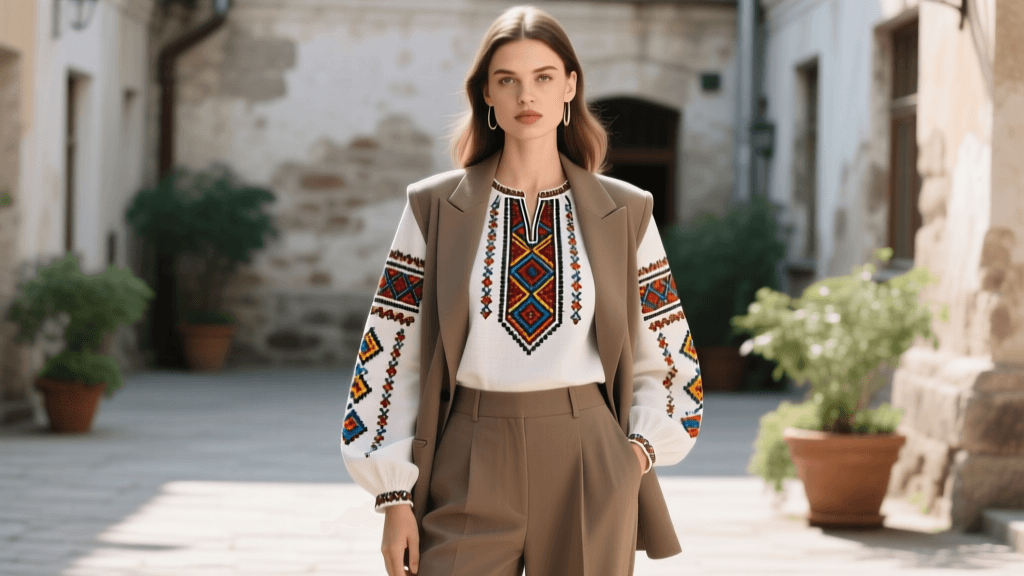
- Hutsul (Vibrant Geometrics): Hailing from the Carpathian Mountains, Hutsul embroidery is famous for its vibrant cross-stitch patterns in red, black, yellow, and green. This maximalist approach is currently trending in 2026 streetwear, often featured on oversized silhouettes.
The anatomical structure of the shirt is equally important. The altita (the densely embroidered shoulder panel) is the focal point of the garment. As documented by The Ukrainian Museum, the altita historically denoted social status and regional origin, functioning as a protective shield for the wearer's shoulders. Modern designers have preserved this structural element while adapting the sleeves and hemlines for contemporary proportions.
Top Ethical Ukrainian Brands for 2026
Sourcing an authentic vyshyvanka requires navigating a market flooded with mass-produced imitations. True folk dress revival relies on supporting ethical brands that employ local artisans, use organic European flax, and pay fair wages. Below is a comparison of the most reputable brands operating in 2026, detailing their current pricing, textile choices, and production timelines.
| Brand | Price Range (USD) | Primary Textiles | Production Model | 2026 Lead Time |
|---|---|---|---|---|
| Etnodim | $120 - $180 | 100% Organic Linen | Small-batch ready-to-wear | 2 - 3 Weeks |
| Gunia Project | $280 - $450 | Raw Silk, Heavy Linen | Made-to-order artisanal | 4 - 6 Weeks |
| Folkmotives | $95 - $140 | Cotton-Linen Blends | Ready-to-wear | 1 Week (In Stock) |
| Lviv Linen | $80 - $130 | Pure Mid-weight Linen | Ready-to-wear | 1 - 2 Weeks |
Note: Pricing reflects 2026 retail rates including standard international shipping. Brands like Gunia Project command a premium due to their use of rare, museum-archived patterns and hand-loomed textiles.
Contemporary Styling Guide: Wearing the Vyshyvanka in 2026
The key to styling folk dress today is juxtaposition. Pairing the intricate, historical handiwork of the vyshyvanka with structured, modern garments prevents the outfit from looking like a theatrical costume.
1. The Modern Office (Poltava White-on-White)
For a professional environment, opt for a Poltava-style vyshyvanka with a mandarin collar and subtle white-on-white embroidery. Tuck the tunic into high-waisted, wide-leg wool trousers in charcoal or navy. Finish the look with leather loafers and a structured tote. The tonal embroidery provides visual interest without violating conservative dress codes, while the breathable linen ensures comfort during long workdays.
2. Urban Streetwear (Borshchiv Monochrome)
The graphic nature of Borshchiv embroidery makes it a staple for streetwear. Choose an oversized, drop-shoulder linen shirt featuring dense black geometric patterns. Layer it over a fitted black turtleneck for cooler months, or wear it open over a ribbed tank top in the summer. Pair with relaxed-fit cargo trousers and chunky sneakers. This styling technique aligns perfectly with the 2026 trend of utilitarian folk-fusion.
3. Evening Elegance (Gunia Project Silk-Blend)
For evening events, elevate the traditional silhouette by selecting a vyshyvanka crafted from a raw silk and linen blend. The natural luster of the silk catches ambient lighting, highlighting the three-dimensional texture of the cross-stitch. Pair with a tailored midi skirt and minimalist metallic jewelry. Keep the hair and makeup sleek to let the altita shoulder embroidery serve as the statement piece of the ensemble.
Sizing, Fit, and Proportions
Traditional Ukrainian folk dress was never designed to be form-fitting. The authentic silhouette relies on volume, drape, and strategic gathering. When shopping for a modern vyshyvanka, understanding how to measure for this specific drape is crucial.
- Chest Ease: Add 12cm to 15cm to your actual chest measurement. The linen must billow slightly to allow the embroidery to lay flat rather than stretch and distort.
- Shoulder Drop: Authentic patterns feature a drop shoulder. Ensure the shoulder seam falls at least 4cm past your natural shoulder bone to accommodate the structural altita panel.
- Sleeve Volume: Look for sleeves that feature a lastka (a diamond-shaped underarm gusset). This traditional tailoring technique provides mobility and prevents the heavy embroidered cuffs from pulling the garment upward when you raise your arms.
Textile Care: Preserving Hand-Embroidered Linen
Investing in an artisanal vyshyvanka requires a commitment to proper textile care. The techniques used to preserve these garments are rooted in historical textile conservation, as detailed in Encyclopædia Britannica's guide to embroidery and textile preservation.
- Washing: Never machine wash a hand-embroidered vyshyvanka. Submerge the garment in cool water (maximum 30°C) using a pH-neutral, enzyme-free detergent. Agitate gently by hand and let it soak for no more than 15 minutes to prevent dye bleeding, especially with Hutsul red and black threads.
- Drying: Do not wring the linen, as this will snap the embroidery threads. Roll the garment in a clean, dry towel to press out excess moisture, then lay it flat on a drying rack away from direct sunlight to prevent the flax fibers from becoming brittle.
- Ironing: Always iron the vyshyvanka on the reverse side. Place a damp cotton pressing cloth over the back of the embroidery and use a medium-high steam setting. Ironing from the back pushes the embroidered stitches outward, preserving their three-dimensional texture and preventing the threads from flattening against the iron's plate.
Conclusion
The 2026 landscape of European folk dress is defined by a deep respect for authenticity and a willingness to adapt heritage garments for modern life. By understanding the regional nuances of Ukrainian embroidery, supporting ethical artisan brands, and mastering contemporary styling techniques, you can seamlessly integrate the vyshyvanka into your daily wardrobe. This approach not only honors the master artisans of Eastern Europe but also champions a more sustainable, story-rich approach to global fashion.