2026 Fashion Media: Sourcing Editorial Hanbok & Cheongsam
The Renaissance of Asian Silhouettes in 2026 Editorials
As we navigate the 2026 global fashion media landscape, the integration of Asian traditional garments has decisively moved beyond superficial cultural borrowing into a realm of deep, respectful, and highly technical appreciation. Leading publications such as Vogue, Harper's Bazaar, and Elle are now collaborating directly with heritage artisans and avant-garde Asian designers to feature the hanbok and the cheongsam not merely as historical costumes, but as the pinnacle of modern high fashion. The structural brilliance of these garments—characterized by fluid lines, intricate closures, and architectural collars—has made them a staple in Spring/Summer 2026 editorial spreads and red-carpet styling.
For fashion stylists, collectors, and enthusiasts, understanding how to source, commission, and style these pieces for contemporary media events is essential. The 2026 market demands a fusion of ancestral techniques and modern sustainability, requiring buyers to be more informed than ever. According to archives and ongoing exhibitions maintained by the Victoria and Albert Museum's Asian collections, the global appetite for authentic, meticulously constructed Asian textiles has reached an all-time high, driven by a consumer base that values heritage craftsmanship over fast-fashion approximations.
Deconstructing the 2026 Editorial Hanbok
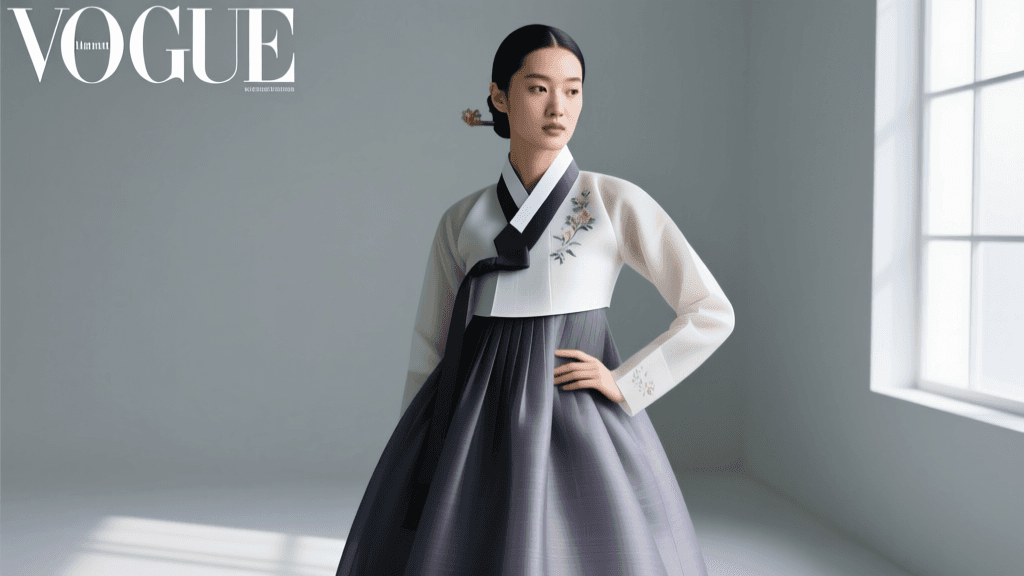
The hanbok, with its iconic voluminous skirts and structured jackets, has undergone a radical transformation in the hands of 2026's top editorial stylists. While the traditional silhouette remains a protected cultural treasure, the modern editorial interpretation focuses on proportion manipulation and textile innovation. In recent high-profile magazine covers, the jeogori (traditional jacket) is frequently cropped to emphasize the high waist, paired not with the traditional chima (skirt), but with tailored, wide-leg ramie trousers or structured bio-leather skirts.
This avant-garde approach honors the garment's foundational geometry while adapting it for the dynamic movement required in modern fashion photography. The structural evolution of these garments is well-documented by institutions like the Metropolitan Museum of Art's Asian Art department, which highlights how the hanbok's flat-pattern cutting technique inherently supports zero-waste design—a major selling point in 2026's eco-conscious media narratives.
Key Fabrics and Silhouettes
Sustainable and innovative textiles dominate the 2026 hanbok conversation. Designers are utilizing lab-grown peace silk, recycled ramie blends, and bio-iridescent organza that shifts color under studio lighting. When sourcing an editorial hanbok, look for artisans who employ traditional natural dyeing methods, such as indigo and persimmon tannin, combined with modern color-fastness treatments to ensure the garment survives rigorous photoshoots without bleeding.
The Modern Cheongsam on the Global Stage
Simultaneously, the cheongsam (or qipao) is experiencing a structural renaissance in high-fashion editorials. The 2026 media iteration of the cheongsam often features modular elements, catering to the fast-paced environment of fashion weeks and global press tours. Detachable mandarin collars, hidden magnetic closures replacing traditional hand-knotted pankou buttons, and strategic cut-outs lined with sheer silk organza are defining the new wave of cheongsam styling.
The garment's inherent body-consciousness makes it a favorite for red-carpet editorials, but the 2026 approach prioritizes ergonomic comfort without sacrificing the iconic silhouette. Tailors are now incorporating hidden gussets and four-way stretch silk blends that allow for unrestricted movement, a crucial feature for celebrities and models navigating crowded premieres and lengthy interview sessions.
Structural Innovations and Sourcing
Sourcing an editorial-grade cheongsam requires engaging with bespoke tailors who understand both traditional Shanghai and Hong Kong tailoring techniques and modern ergonomic demands. The most sought-after tailors in 2026 are those who offer a 'digital twin' fitting process. Using 3D body scanning, they create a virtual prototype of the cheongsam, allowing the client to adjust the placement of the floral brocade motifs and the height of the collar before a single piece of heritage silk is cut.
Sourcing Guide: Where to Buy Editorial-Grade Pieces
For those looking to acquire these pieces for editorial shoots, gala events, or high-end personal wardrobes, the 2026 market offers several distinct pathways. Authenticity and ethical production are paramount. For those seeking authentic context and verified artisan directories, official Korean cultural portals provide extensive guidelines and lists of certified hanbok masters, ensuring your investment supports genuine heritage preservation.
Authentic Hanbok Artisans
Commissioning a modern hanbok for editorial or red-carpet use typically requires a lead time of 10 to 14 weeks. The process involves an initial consultation to select the dang-ui (ceremonial robe) or modern jeogori silhouette, followed by fabric sourcing from specialized mills in regions like Jinju. Expect to invest between $1,500 and $3,500 USD for a fully bespoke, editorial-grade hanbok set. Always request a muslin toile fitting to perfect the drape of the sleeves and the sit of the collarbone tie (goreum).
Bespoke Cheongsam Tailors
A bespoke cheongsam demands rigorous precision. Expect to provide up to 18 distinct measurements, including the exact circumference of the neck at the base of the mandarin collar and the drop of the shoulder. Lead times are generally 8 to 12 weeks. Pricing for a master-tailored cheongsam using premium 2026 sustainable silks ranges from $1,200 to $4,000 USD. Ensure your tailor specializes in the 'shuihu' (water-wave) hem finishing technique, which ensures the garment hangs perfectly straight regardless of the wearer's posture.
Comparison Table: Editorial vs. Traditional Garments
| Garment Type | Traditional Context | 2026 Editorial Adaptation | Average Bespoke Cost (USD) | Lead Time |
|---|---|---|---|---|
| Hanbok (Jeogori & Chima) | Festivals, weddings, ancestral rites | Cropped jackets, wide-leg trousers, bio-silks | $1,500 - $3,500 | 10 - 14 Weeks |
| Cheongsam / Qipao | Formal events, 1920s-40s daily wear | Modular collars, hidden stretch gussets, 3D scanning | $1,200 - $4,000 | 8 - 12 Weeks |
| Hanbok (Dang-ui Robe) | Court ceremonies, high nobility | Oversized outerwear, metallic thread weaving | $2,500 - $5,000 | 12 - 16 Weeks |
Fabric Innovation and Sustainability in 2026
The 2026 fashion media cycle is heavily focused on sustainability, and traditional Asian garments are uniquely positioned to lead this charge. The historical construction of the hanbok relies on flat-pattern cutting, which inherently produces zero fabric waste—a stark contrast to Western draped tailoring. Modern artisans are capitalizing on this by utilizing upcycled antique textiles, weaving discarded silk threads into new, durable brocades.
Furthermore, the use of Piñatex (pineapple leather) and mushroom-based mycelium textiles is beginning to appear in avant-garde cheongsam styling, offering vegan alternatives that mimic the structured stiffness required for high mandarin collars. When pitching stories or styling for 2026 editorials, highlighting these sustainable innovations provides a compelling narrative that resonates with modern, eco-conscious audiences.
Styling Traditional Garments for Modern Media Events
Styling these garments for contemporary media events requires a delicate balance of reverence and modernity. For a 2026 red carpet, pair a heavily embroidered, floor-length hanbok skirt with a minimalist, structured bodice to allow the traditional textile work to take center stage. Avoid over-accessorizing; let the intricate pankou knots of a cheongsam or the flowing silk goreum ties of a hanbok serve as the primary jewelry.
Footwear is equally critical. The traditional flat silk shoes are rarely practical for modern press lines. Instead, stylists are opting for custom-dyed, architectural heels that match the exact hex code of the garment's primary silk, elongating the leg while maintaining color continuity. Hair and makeup should remain sleek and modern—sharp bobs, slicked-back buns, and glowing, minimal skin—to ensure the traditional garment reads as a deliberate, high-fashion choice rather than a period costume.
Conclusion
The integration of the hanbok and cheongsam into 2026 global fashion media represents a triumph of cultural appreciation and sartorial innovation. By understanding the historical foundations, embracing modern sustainable textiles, and engaging with master artisans for bespoke commissions, stylists and fashion lovers can participate in this renaissance respectfully and stylishly. As the boundaries of global fashion continue to expand, the meticulous craftsmanship of Asian traditional garments will undoubtedly remain at the forefront of editorial excellence.