Sourcing Custom Shanghai Qipao Online: 2026 Buyer's Guide
The Renaissance of the Bespoke Qipao in 2026
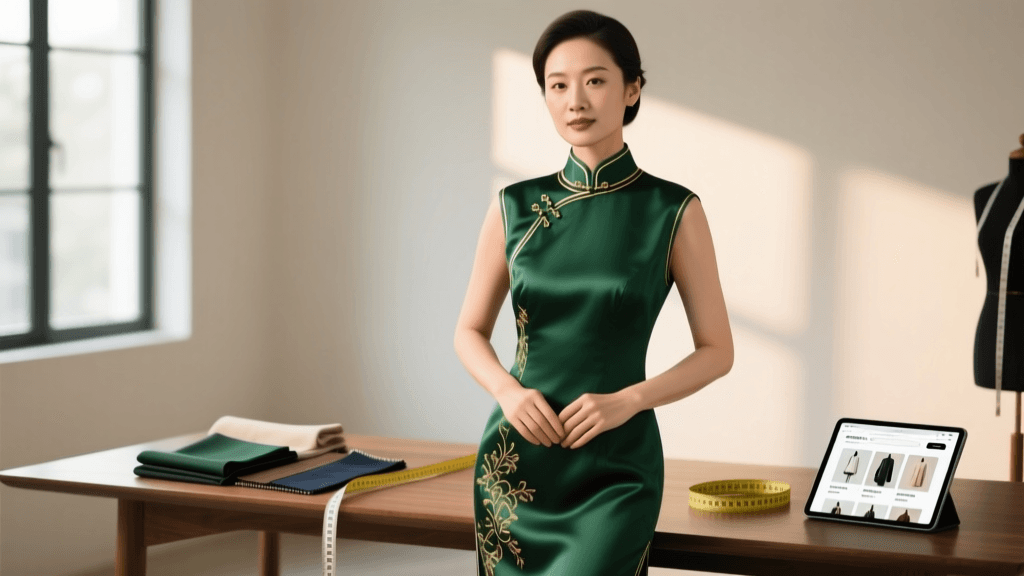
The qipao, often referred to in the West as the cheongsam, remains a pinnacle of East Asian sartorial elegance. Characterized by its high mandarin collar, asymmetrical opening, and form-fitting silhouette, the Shanghai-style qipao is a masterclass in structural tailoring. As we navigate through 2026, the global appetite for authentic, heritage-driven fashion has surged, leading to a renaissance in digital bespoke tailoring. Today, buyers no longer need to board a flight to the French Concession in Shanghai to commission a garment from a master artisan. Cross-border e-commerce platforms and specialized digital ateliers have democratized access to high-end traditional Asian garments.
However, this accessibility comes with a caveat. The proliferation of fast-fashion imitations on global marketplaces means that distinguishing between a mass-produced polyester blend and a hand-finished, authentic silk qipao requires a highly discerning eye. This comprehensive guide will walk you through the intricacies of sourcing, verifying, and commissioning a custom Shanghai qipao online in 2026, ensuring your investment honors the rich legacy of Asian textile traditions.
Navigating the 2026 Online Marketplace Landscape
When sourcing an authentic qipao, the platform you choose dictates the caliber of craftsmanship you will receive. In 2026, the market is segmented into three primary tiers:
- Tier 1: Independent Heritage Ateliers (Direct-to-Consumer) - Studios like Ms Min and specialized Shanghai-based tailors operating via proprietary websites or WeChat mini-programs. These offer the highest quality, direct communication with pattern-makers, and premium fabric archives.
- Tier 2: Curated Global Artisan Platforms - Marketplaces like Etsy have introduced strict 'Heritage Maker' verification badges in 2026, allowing diaspora artisans and verified Asian studios to sell bespoke pieces with transparent supply chains.
- Tier 3: Taobao and Tmall Independent Studios - The 'Independent Designer' tiers on Chinese domestic platforms offer incredible value and access to domestic-only textiles, though they require navigating language barriers and utilizing third-party shopping agents for international shipping.
Fabric Verification: Beyond Basic Silk
The soul of a traditional qipao lies in its textile. According to the UNESCO Intangible Cultural Heritage registry, Chinese sericulture and silk craftsmanship involve centuries-old techniques that modern synthetic fabrics simply cannot replicate. When browsing online listings in 2026, look for these specific heritage textiles:
Xiangyunsha (Gambiered Guangdong Silk)
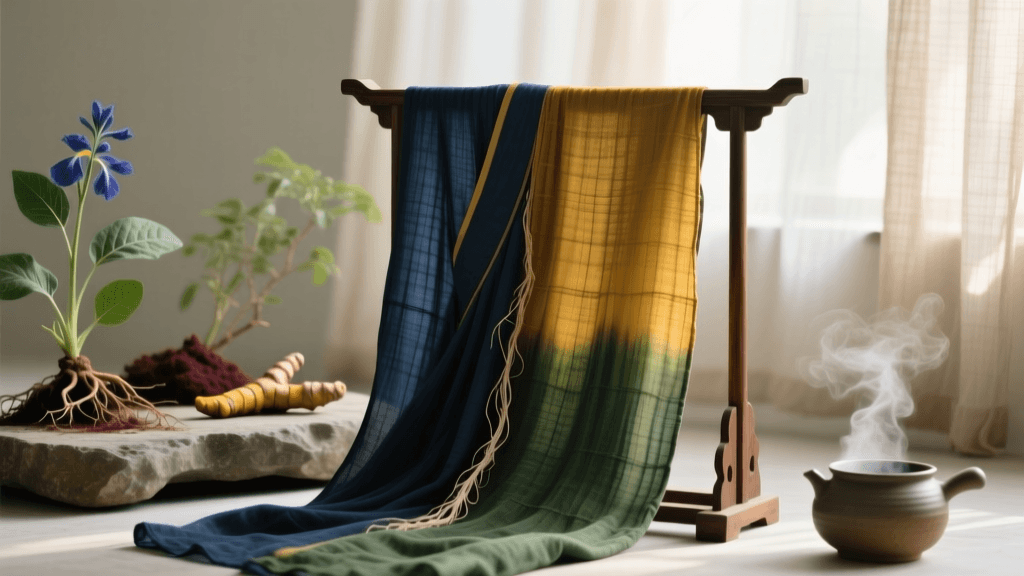
Often called 'mud silk,' Xiangyunsha is dyed using the juice of the薯莨 (shoulang) plant and coated with iron-rich river mud. The result is a deeply lustrous, rustling fabric that is naturally water-resistant and cooling. Authentic Xiangyunsha will always feature a distinctive black coating on one side and a brownish hue on the reverse. If an online vendor claims to sell Xiangyunsha but the fabric is uniformly colored and lacks the characteristic 'cracking' sound when manipulated, it is likely a printed imitation.
Song Brocade (Songjin)
Originating from Suzhou, Song brocade is renowned for its complex jacquard weaving and subtle, matte sheen. Unlike the highly reflective satin often used in cheap theatrical costumes, authentic Song brocade absorbs light, giving the qipao an understated, aristocratic elegance. When requesting fabric swatches online, ask the seller for a 'burn test' video. Authentic silk will burn slowly, smell like burnt hair, and leave a crushable black ash, whereas synthetic blends will melt into a hard plastic bead.
The Art of Pankou and Hand-Finishing
The hardware and finishing techniques are the truest indicators of a qipao's authenticity. The Victoria and Albert Museum's Asian collections highlight the historical importance of the pankou (frog buttons) in Chinese dress. In a genuine bespoke Shanghai qipao, pankou are never purchased pre-made and sewn on. Instead, the tailor cuts bias strips of the exact same silk used for the dress, stuffs them with cotton or silk thread for structure, and hand-knots them into intricate motifs like plum blossoms, butterflies, or the traditional 'ruyi' cloud shapes.
Furthermore, examine the hemlines in the vendor's macro-photography. A master-tailored qipao features hand-rolled hems that are virtually invisible from the outside, allowing the silk to drape fluidly. Machine-stitched, visible top-stitching on the hem or slit is an immediate red flag indicating factory-line production.
The Bespoke Measurement Guide
Unlike Western tailoring, which often relies on standard block patterns, the Shanghai qipao is engineered to follow the natural contours of the body without restricting movement. When commissioning a piece online, you will need to provide a precise set of measurements. It is highly recommended to hire a local tailor to take these measurements for you to ensure accuracy.
| Measurement Point | How to Measure | Why It Matters for the Qipao |
|---|---|---|
| Neck Circumference | Measure around the base of the neck where the collar will sit. | The mandarin collar must be snug but allow for a single finger's width of breathing room to prevent choking. |
| Apex (Bust Point) | Measure from the base of the front neck down to the bust apex. | Crucial for placing the darts correctly; ensures the fabric contours the bust without pulling or gaping. |
| Waist & High Hip | Measure the natural waist and the widest part of the upper hip. | The qipao relies on high-hip fitting to create the elongated torso illusion characteristic of the 1930s Shanghai silhouette. |
| Shoulder Slope | Provide a photo of your back profile or measure the angle of the shoulder. | Prevents the 'pull lines' across the upper back; traditional qipaos lack shoulder pads and rely on precise slope cutting. |
| Slit Height | Measure from the floor up to the desired starting point of the leg slit. | Modesty and mobility balance; typically placed just above the knee for modern wear, or higher for formal evening styling. |
Pricing, Timelines, and Logistics in 2026
Understanding the financial and temporal investment is crucial for online buyers. As of 2026, the global supply chain for heritage textiles has stabilized, but true bespoke work remains a slow-craft process.
- Entry-Level Bespoke (Machine-assisted, standard silk): $350 - $600 USD. Expect a 3-week turnaround. Often sourced from highly rated Taobao studios utilizing semi-traditional assembly lines.
- Mid-Tier Artisan (Hand-rolled hems, custom pankou, Song Brocade): $800 - $1,500 USD. Turnaround is typically 6 to 8 weeks. This is the sweet spot for serious collectors and wedding garments.
- Master Heritage Tier (Fully hand-stitched, Xiangyunsha, historical replication): $2,500 - $5,000+ USD. Turnaround can exceed 3 months, as the tailor may need to commission specific textile weaves or dye lots exclusively for your garment.
When shipping internationally, always opt for DHL or FedEx express services provided by the atelier. Silk is highly susceptible to moisture; ensure the vendor uses vacuum-sealed inner packaging with silica gel desiccants before placing the garment in a breathable canvas outer garment bag. Never accept a qipao shipped in standard plastic poly-mailers, as the friction and trapped humidity can permanently crease or mildew the silk.
Modern Styling and Care for Your Investment
Once your custom qipao arrives, proper care is paramount. Heritage silks should never be subjected to standard dry-cleaning chemicals, which strip the natural sericin proteins from the fibers. In 2026, the industry standard for cleaning high-end qipaos is specialized liquid CO2 cleaning or gentle, pH-neutral hand washing in cold water with a silk-specific enzymatic detergent.
Styling the qipao in 2026 has moved beyond strict traditionalism. While it remains the ultimate garment for Lunar New Year celebrations and weddings, contemporary fashion enthusiasts are pairing mid-calf, sleeveless qipaos with oversized structured blazers, wide-leg trousers underneath for modesty, or minimalist leather ankle boots. The key to modernizing the silhouette is to let the textile and the pankou remain the focal points, keeping jewelry minimal and opting for sleek, architectural hairstyles that highlight the elegance of the mandarin collar.
Conclusion
Sourcing a custom Shanghai qipao online is a deeply rewarding journey that connects the wearer to centuries of Asian textile mastery. By prioritizing heritage fabrics like Xiangyunsha, demanding hand-finished construction details, and providing meticulous measurements, you can bypass the noise of fast fashion and secure a garment that is not only a perfect fit but a wearable piece of history. As digital bespoke tailoring continues to evolve, the bridge between traditional Asian artisans and the global consumer has never been stronger, ensuring the qipao's legacy endures for generations to come.