Vintage Silk Kimono & Hanbok Preservation: 2026 Guide
The Evolution of Asian Garment Conservation in 2026
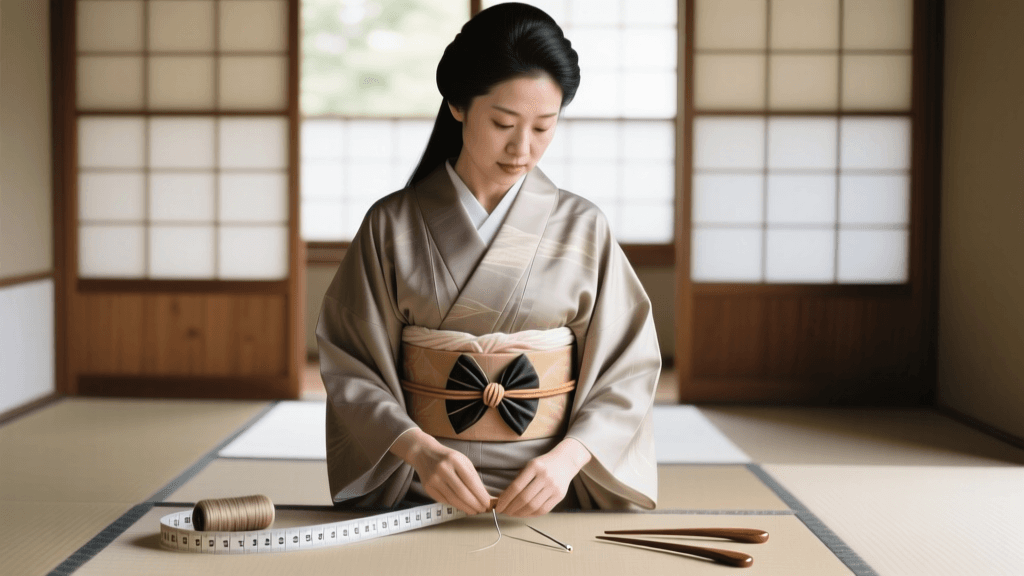
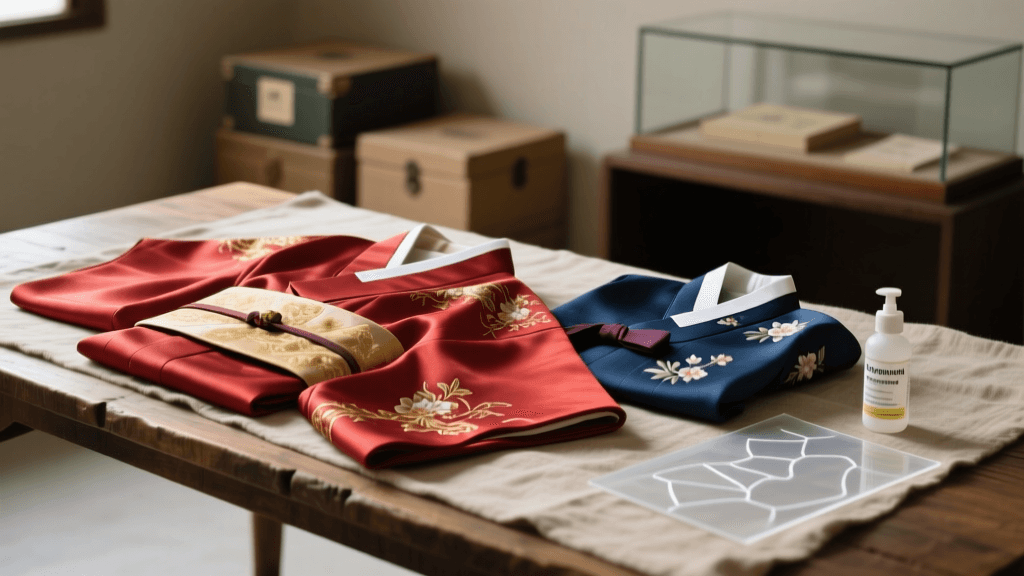
Preserving vintage Asian garments, particularly silk kimonos and traditional hanboks, requires a meticulous understanding of both historical construction and modern textile science. As we navigate 2026, the field of textile conservation has undergone a massive paradigm shift. Collectors, archivists, and heritage enthusiasts are moving away from the harsh chemical solvents and irreversible synthetic polymers of the past decade. Today, the focus is on bio-based consolidants, nanotechnology, and precision climate control. Whether you are safeguarding a Meiji-era silk kimono with delicate surihak (gold leaf) embroidery or a mid-century Korean hanbok featuring vibrant chima (skirt) and jeogori (jacket) silhouettes, understanding the latest preservation techniques is vital for maintaining the structural integrity and cultural legacy of these masterpieces.
The protein structure of silk—comprising fibroin and sericin—makes it uniquely vulnerable to environmental stressors. Ultraviolet light, fluctuating humidity, and biological agents can cause the fibers to become brittle, leading to the dreaded 'shattered silk' phenomenon. In 2026, leading conservation labs emphasize preventative care and reversible, non-toxic interventions. According to the Library of Congress guidelines on textile preservation, maintaining a stable microenvironment and utilizing chemically inert storage materials remain the foundational pillars of garment longevity, though the specific technologies we use to achieve this have become vastly more sophisticated.
Archival Storage Solutions for Delicate Brocades
The way we store traditional Asian garments has evolved significantly. Flat storage is universally recommended for heavy, embroidered, or beaded kimonos and hanboks to prevent gravitational stress on weakened shoulder seams and woven brocades. In 2026, smart archival cabinetry equipped with localized micro-climate sensors allows private collectors to monitor temperature and relative humidity (RH) in real-time via mobile applications.
For silk garments, the ideal environment is a stable 18°C to 20°C (64°F to 68°F) with an RH of 45% to 50%. Fluctuations beyond these parameters cause the silk fibers to expand and contract, accelerating mechanical fatigue. Furthermore, the choice of interleaving tissue is critical. While buffered (alkaline) tissue is excellent for cotton and linen, it can damage silk and wool. Vintage kimonos and hanboks must be wrapped in unbuffered, pH-neutral, acid-free tissue paper.
2026 Storage Material Comparison
| Material / Technology | Traditional Approach (Pre-2020) | 2026 Archival Standard | Best Used For |
|---|---|---|---|
| Interleaving Tissue | Standard acid-free buffered tissue | Unbuffered, pH-neutral nano-smooth tissue | All silk kimonos, hanbok chima, and metallic threads |
| Storage Containers | Corrugated cardboard archival boxes | Inert polypropylene smart-bins with RH sensors | Long-term flat storage of heavy obi and ceremonial wear |
| Moth & Pest Deterrent | Chemical mothballs or loose cedar blocks | Ultrasonic IPM monitors and sealed argon gas chambers | Wool-lined haori, winter hanboks, and silk blends |
| Hanging Supports | Padded wooden hangers | Carbon-fiber contoured supports with memory-foam silk wraps | Lightweight, structurally sound everyday kimonos |
Enzymatic Stain Removal Techniques
Stain removal on vintage Asian silk is fraught with peril. Traditional wet-cleaning methods often result in 'tidelines'—permanent water rings caused by the migration of dyes and sizing agents as the fabric dries. Furthermore, the metallic threads used in Korean geumbak (gold foil stamping) and Japanese nishijin-ori brocades will tarnish or dissolve if exposed to standard aqueous solutions.
In 2026, professional conservators utilize targeted enzymatic gels for localized stain removal. By suspending specific enzymes—such as protease for protein-based stains (blood, sweat) or lipase for lipid-based stains (oils, cosmetics)—within an agarose gel matrix, the cleaning agent can be applied directly to the stain without saturating the surrounding fabric. The agarose gel acts as a semi-permeable membrane, allowing the enzymes to break down the stain molecules while the gel absorbs the residue, preventing the water from penetrating the silk's deeper layers.
'The application of rigid polysaccharide gels has revolutionized spot-cleaning on historical Asian textiles. We can now lift decades-old organic stains from fragile Edo-period kosode without risking dye bleed or structural distortion.' — Textile Conservation Journal, 2025 Symposium Proceedings.
For private collectors, attempting enzymatic cleaning at home is discouraged unless using commercially available, conservation-grade poultices specifically formulated for heritage silks. Always test an inconspicuous area, such as the inner lining of the okumi (front panel), before proceeding.
Structural Stabilization of Weakened Fibers
One of the most pressing issues in vintage kimono preservation is 'shattered silk,' a condition where the fabric cracks and disintegrates under its own weight. This is frequently seen in late 19th and early 20th-century garments due to the historical practice of 'weighting' silk with metallic salts (like tin chloride) to increase the fabric's drape and luster. Over time, these salts become highly acidic, essentially burning the silk from the inside out.
The breakthrough of the mid-2020s in addressing this is the use of nanocellulose whiskers. Derived from plant cellulose, these microscopic fibers are suspended in a neutral, reversible aqueous solution. When applied to the reverse side of shattered silk, the nanocellulose penetrates the micro-fissures and dries to form a flexible, transparent, and incredibly strong scaffold. Unlike older synthetic adhesives that stiffened the fabric and altered its historical 'hand-feel,' nanocellulose stabilizes the fiber while maintaining the original drape and breathability of the garment.
Because this process requires microscopic precision and a deep understanding of historical garment anatomy, it is strictly the domain of professionals. The American Institute for Conservation (AIC) maintains a directory of certified textile conservators who specialize in Asian heritage garments and are trained in nanocellulose application.
Routine Maintenance and Integrated Pest Management
Asian traditional garments often feature organic embellishments that are highly attractive to pests. The starch-based pastes used in Japanese yuzen dyeing, the natural indigo vats, and the silk threads themselves can attract carpet beetles, silverfish, and webbing clothes moths. In 2026, the gold standard for pest prevention in private collections is Integrated Pest Management (IPM).
IPM relies on monitoring and environmental control rather than chemical pesticides, which can off-gas and degrade silk dyes. Modern collectors use wireless ultrasonic pest monitors placed discreetly within storage rooms to detect the specific acoustic frequencies of insect larvae. If an active infestation is suspected, the garment is not frozen—as rapid temperature drops can cause condensation that ruins metallic threads and gold leaf. Instead, the garment is placed in an anoxic chamber filled with argon gas. Argon is an inert, heavy gas that safely displaces oxygen, eliminating pests at all life stages without altering the textile's moisture content or chemical composition.
Quarterly Inspection Checklist for Collectors
- Visual Sweep: Inspect the inner folds of the obi and the hem of the chima for frass (insect droppings) or micro-tears.
- Olfactory Check: Note any musty odors, which indicate early-stage mold growth due to localized humidity spikes.
- Hardware Check: Ensure smart-closet RH sensors are calibrated and batteries in data loggers are fully charged.
- Rotation: Gently refold garments along different lines to prevent permanent crease weakening, using unbuffered tissue to pad the new folds.
When to Seek Professional Restoration
While routine dusting (using a low-suction vacuum with a micro-screen and soft brush) and proper storage can be managed at home, structural interventions require expert hands. If your vintage kimono features splitting seams along the eri (collar), active dye bleeding, or brittle, cracking silk along the fold lines, halt all handling immediately. The Victoria and Albert Museum Conservation Department frequently publishes case studies highlighting the irreversible damage caused by well-meaning but untrained attempts at sewing shattered silk with modern polyester threads, which act like a saw against fragile historical fibers.
Conclusion
The preservation of vintage kimonos and hanboks in 2026 is a harmonious blend of honoring ancient craftsmanship and utilizing cutting-edge material science. By adopting archival-grade smart storage, embracing non-invasive enzymatic cleaning protocols, and relying on nanocellulose for structural reinforcement, we can ensure that these magnificent symbols of Asian cultural heritage survive for future generations to study and admire. Whether you are a museum curator or a dedicated private collector, treating these garments with the scientific rigor they demand is the ultimate act of cultural respect.