Top Sustainable Japanese Natural Dye Plants For 2026
The Renaissance of Kusaki-Zome in 2026
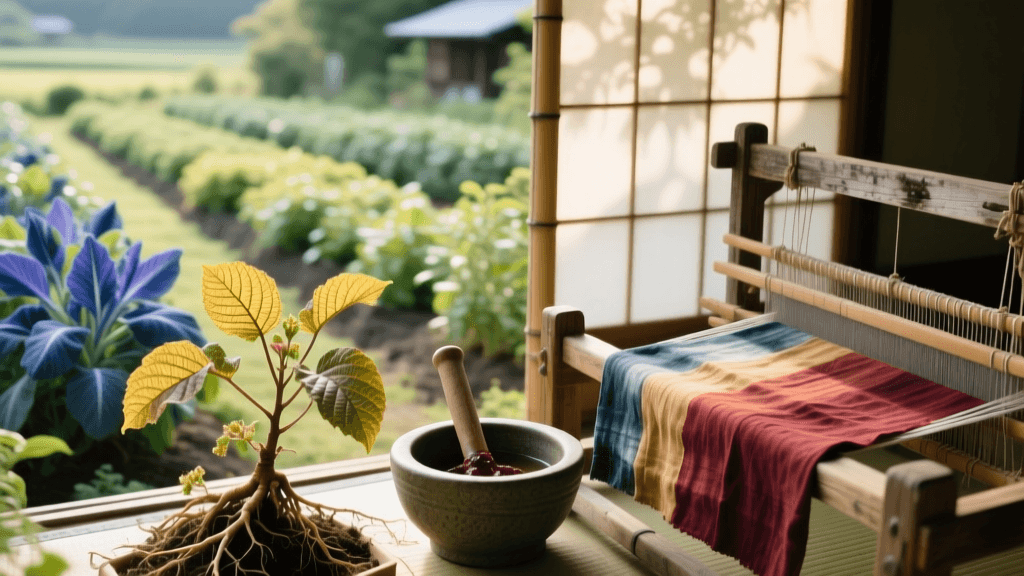
The global textile industry is undergoing a massive ecological reckoning in 2026. As synthetic dye pollution continues to strain freshwater ecosystems, artisans, eco-fashion brands, and home dyers are turning back to ancient, regenerative practices. At the forefront of this movement is kusaki-zome (草木染め), the traditional Japanese art of botanical dyeing. Far from being a mere historical curiosity, kusaki-zome has evolved into a highly scientific, zero-waste methodology that aligns perfectly with modern circular economy goals. According to the Ellen MacArthur Foundation, transitioning to regenerative agricultural inputs for textiles is a critical pillar of circular fashion, and Japanese dye plants offer a masterclass in this approach.
Unlike synthetic counterparts that rely on petrochemicals and heavy metal fixatives, traditional Japanese dye plants can be cultivated in home gardens, small urban plots, or peri-urban farms. They improve soil health, support local pollinators, and yield a breathtaking spectrum of colors when paired with eco-friendly mordants. In this comprehensive 2026 guide, we explore the most sustainable Japanese dye plants, how to cultivate them, and the modern, closed-loop methods used to extract their pigments without harming the environment.
Top Eco-Friendly Japanese Dye Plants to Cultivate
Ai (Japanese Indigo - Persicaria tinctoria)
No discussion of Japanese natural dyes is complete without Ai. Unlike tropical indigo species, Persicaria tinctoria thrives in temperate climates, making it highly accessible for growers across North America, Europe, and Japan. In 2026, urban dyers are successfully cultivating Ai in raised beds and hydroponic setups, harvesting the leaves in late summer. The sustainability of Ai lies in its dual-purpose nature: the plant biomass left over after pigment extraction is routinely composted and returned to the soil as a nitrogen-rich fertilizer. Furthermore, the traditional method of creating sukumo (composted indigo leaves) requires zero chemical inputs, relying entirely on microbial fermentation over a 90-day period.
Kihada (Amur Cork Tree - Phellodendron amurense)
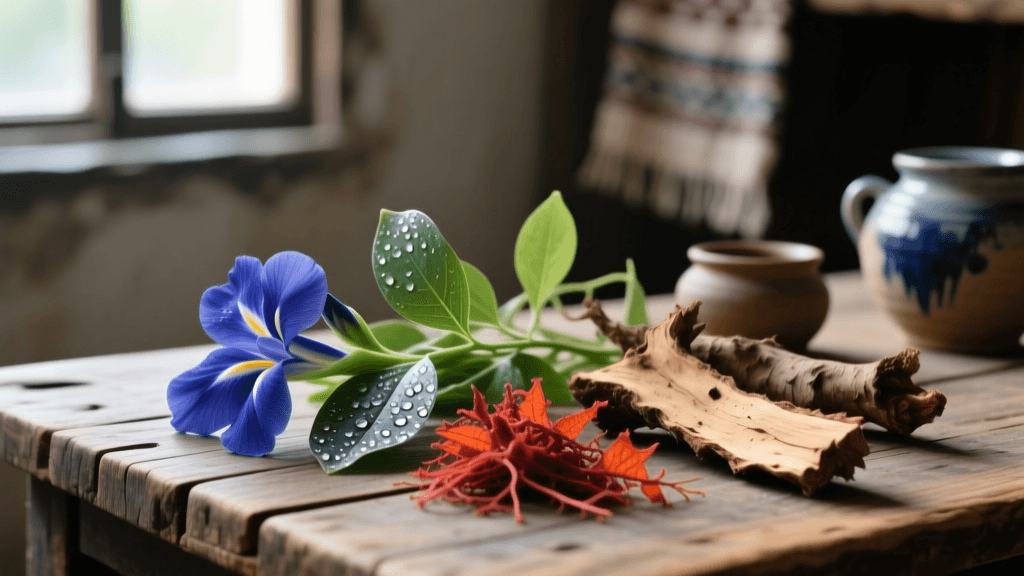
Kihada has been prized since the Nara period for its brilliant, luminous yellow hues, derived from the alkaloid berberine found in the tree's inner bark. Historically, harvesting Kihada involved stripping the bark, which could harm the tree. However, modern 2026 forestry practices and sustainable pruning techniques now allow for the careful harvesting of cork layers without felling the tree. Kihada is unique because it contains a natural cationic dye, meaning it bonds directly to cellulose fibers like cotton and linen without the need for a metallic mordant, drastically reducing the water pollution associated with heavy metal runoff.
Suou (Sappanwood - Caesalpinia sappan)
Suou yields a stunning range of colors, from delicate cherry blossoms pinks to deep, royal purples, depending on the pH of the dye bath and the mordant used. The pigment, brazilein, is extracted from the heartwood of the tree. To ensure eco-friendly sourcing in 2026, ethical dyers are purchasing Suou from certified agroforestry cooperatives that practice selective pruning rather than clear-cutting. Suou is highly efficient; a single kilogram of heartwood chips can dye multiple batches of silk and wool, and the exhausted wood chips are subsequently repurposed as mulch or burned to create wood ash lye, a vital alkaline agent for indigo vats.
Tama-negi (Onion Skins - Allium cepa)
While not exclusively Japanese, the use of Tama-negi (yellow and red onion skins) is a staple in the Japanese home-dyeing tradition, embodying the ultimate zero-waste philosophy. Sourced entirely from culinary waste, onion skins require no dedicated land or water to cultivate. They yield warm golds, oranges, and rusts, and are incredibly rich in quercetin, making them highly colorfast on protein fibers. In 2026, community dye studios frequently partner with local restaurants to collect onion skins, diverting hundreds of pounds of organic waste from landfills each month.
2026 Comparison Chart: Yield, Color, and Eco-Impact
| Plant Name | Botanical Name | Primary Color Yield | 2026 Avg. Market Cost | Mordant Required | Eco-Impact & Waste Profile |
|---|---|---|---|---|---|
| Ai (Indigo) | Persicaria tinctoria | Deep Blue to Navy | ¥4,500 / kg (Sukumo) | Alkaline (Wood Ash) | Regenerative; biomass composted |
| Kihada | Phellodendron amurense | Vibrant Yellow | ¥3,200 / 500g (Bark) | None (Cationic) | Low; sustainable cork harvesting |
| Suou | Caesalpinia sappan | Pink to Deep Purple | ¥1,800 / kg (Chips) | Alum or Iron | Medium; relies on agroforestry |
| Tama-negi | Allium cepa | Gold to Rust Orange | Free (Culinary Waste) | Alum or Soy Milk | Zero-waste; diverts landfill organics |
Sustainable Mordanting and Water Recycling Methods
A critical component of eco-friendly kusaki-zome is the mordant—the substance used to bind the dye to the fiber. Historically, and even in modern commercial natural dyeing, heavy metals like chrome, tin, and copper have been used. However, these are highly toxic to aquatic life. In 2026, the standard for sustainable Japanese dyeing relies on bio-mordants and naturally occurring minerals.
- Soy Milk (Protein Binder): For cellulose fibers like cotton and hemp, which naturally resist water-based dyes, treating the fabric in a bath of diluted, unflavored soy milk (1 part soy milk to 5 parts water) coats the fibers in protein. This allows the fabric to accept dyes as if it were silk or wool, eliminating the need for metallic mordants entirely.
- Symplocos (Natural Alum): The leaves of the Symplocos plant naturally accumulate aluminum from the soil. Boiling these leaves creates a gentle, highly effective alum mordant that is entirely biodegradable and safe for greywater systems.
- Iron Water (Tetsu): To shift colors (e.g., turning Suou pink into a deep plum), dyers use iron water. This is easily made at home by submerging rusty iron nails in a jar of water and white vinegar for two weeks. It requires only trace amounts to shift pH and color, and the leftover iron water can be safely diluted and used as an iron supplement for acid-loving garden plants.
Water conservation is equally paramount. Modern eco-studios in 2026 utilize closed-loop greywater systems. After a dye bath is exhausted, the water is neutralized using food-grade citric acid. Once the pH is balanced, the water is filtered through a bio-char and sand filtration bed, making it safe for irrigating ornamental garden beds, ensuring not a single drop of dyed water enters the municipal sewage system.
Step-by-Step Eco-Dyeing Process: Fresh Leaf Ai (Indigo)
For the home dyer looking to start immediately, extracting indigo from fresh Persicaria tinctoria leaves is an accessible, low-barrier entry point into kusaki-zome. This method, known as nama-ba zome (fresh leaf dyeing), bypasses the months-long sukumo composting process.
- Harvesting: Pick 500 grams of fresh Ai leaves early in the morning when the moisture content is highest. Remove the thick stems, keeping only the leafy greens.
- Blending: Place the leaves in a high-powered blender with 2 liters of cold water (ideally below 20°C to prevent premature oxidation). Blend on high for exactly 60 seconds until a deep green froth forms.
- Straining: Immediately pour the mixture through a fine mesh nut-milk bag into a stainless steel dye pot. Squeeze out as much liquid as possible. The leftover green pulp is an excellent nitrogen additive for your compost bin.
- Dyeing: Submerge your pre-scoured, soy-milk-treated cotton or silk fabric into the green liquid. Knead the fabric gently for 15 minutes. The fabric will appear greenish-yellow at this stage.
- Oxidation: Remove the fabric and expose it to the air. Over the next 20 minutes, the oxygen in the atmosphere will react with the indigotin, magically shifting the color from yellow-green to a vibrant, colorfast blue.
- Repetition: For deeper shades, repeat the blending and dipping process up to three times. In 2026, a single 500g harvest can yield a beautiful mid-tone blue on up to 100 grams of dry fabric weight.
Preserving Intangible Heritage Through Modern Ecology
The practice of kusaki-zome is deeply intertwined with Japan's cultural identity, recognized and protected under frameworks detailed by the UNESCO Intangible Cultural Heritage lists, which emphasize the transmission of traditional knowledge to future generations. However, preservation does not mean stagnation. By integrating modern ecological science, such as the closed-loop water systems and bio-mordants championed by institutions like Cornell University's Department of Fiber Science, artisans are ensuring that these ancient techniques remain viable and relevant.
As we navigate the environmental challenges of 2026, Japanese natural dye plants offer more than just beautiful colors; they offer a blueprint for a harmonious relationship between human creativity and the natural world. Whether you are cultivating a small patch of Ai on your balcony or sourcing ethical Suou for a fashion line, embracing kusaki-zome is a powerful step toward a truly sustainable, zero-waste textile future.