2026 Guide to Borshchiv Vyshyvanka Embroidery Sourcing
The Enduring Legacy of Borshchiv Embroidery in 2026
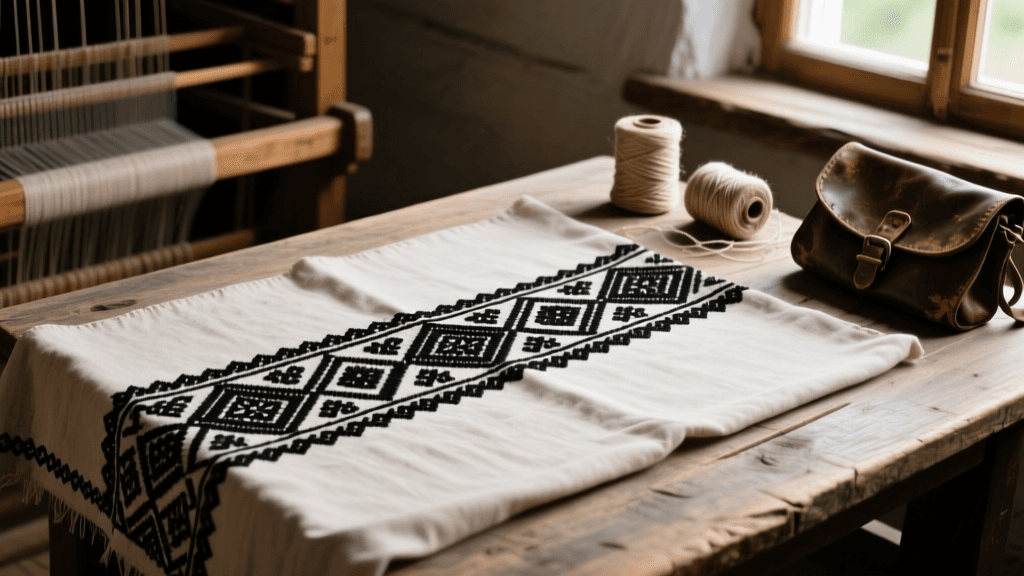
The landscape of Eastern European folk dress has experienced a monumental renaissance over the last decade, culminating in the highly refined, globally connected artisan market we see today in 2026. Among the most striking and sought-after regional styles is the Borshchiv vyshyvanka. Originating from the Ternopil region of Ukraine, this specific folk dress tradition is instantly recognizable by its dense, intricate, and almost entirely black geometric embroidery. Historically, local legend suggested the black thread was a symbol of mourning for fallen Cossacks, though textile historians note it was also heavily influenced by the local abundance of sheep with dark wool and the use of iron-based natural dyes.
As of 2026, the Borshchiv aesthetic has transcended its traditional peasant blouse origins. Contemporary folk dress makers and avant-garde fashion designers are integrating these heavy, dark, textural patterns into modern silhouettes, from wide-leg linen trousers to structured trench coats. However, achieving an authentic Borshchiv look requires a deep understanding of historical materials. You cannot simply purchase standard craft-store Aida cloth and black cotton floss and expect to replicate the profound cultural weight and tactile beauty of a genuine Eastern European folk garment. This guide will walk you through the exact sourcing strategies, material specifications, and techniques required to craft an authentic Borshchiv-inspired piece in the current market.
Sourcing the Base Fabric: The Quest for Authentic Kholst
The foundation of any Slavic or Balkan folk dress is the fabric. In the Carpathian and Podillian regions, this was traditionally kholst—a handwoven, unbleached, or slightly greyish homespun linen. The irregularities of handwoven linen are not flaws; they are the very soul of the garment, providing a textured grid that interacts beautifully with heavy wool embroidery.
In 2026, true handwoven kholst is a premium commodity. While rural weaving cooperatives in Ukraine and neighboring Belarus still produce it on traditional floor looms, the global supply chain for high-quality Eastern European flax has become highly specialized. For most international makers, sourcing the correct evenweave linen is the first major hurdle. You need a fabric with a thread count that supports dense geometric stitching without puckering, typically ranging from 25 to 32 threads per inch (TPI).
Below is a comparison of the primary linen sourcing avenues available to folk dress makers in 2026:
| Vendor Type | Origin | Thread Count | 2026 Avg. Price (per meter) | Best Application |
|---|---|---|---|---|
| Rural Artisan Cooperatives | Ukraine / Belarus | 20-24 TPI (Irregular) | $85 - $120 | Museum-grade historical replicas, heirloom pieces |
| Specialized European Mills | Lithuania / Ireland | 28-32 TPI (Even) | $45 - $65 | Contemporary folk dress, high-end fashion integration |
| Premium Craft Importers | Global (Processed in EU) | 32-36 TPI (Very Fine) | $30 - $40 | Delicate accessories, modern minimalist vyshyvanka |
When ordering from European mills in 2026, always request 'unbleached' or 'natural grey' linen. The stark white linens popular in Western European embroidery lack the earthy, organic contrast required for the deep black Borshchiv patterns to truly pop.
Thread Selection and the Revival of Natural Dyes
According to textile historians documented by the Victoria and Albert Museum's textile archive, the structural integrity and visual impact of traditional stitchery rely heavily on the interplay between the thread's fiber content and the base fabric. Traditional Borshchiv embroidery was rarely executed in cotton or silk; it was predominantly wool. The matte finish of hand-spun wool absorbs light differently than mercerized cotton, giving the black geometric shapes a rich, velvety depth that appears almost three-dimensional against the rough linen.
For your 2026 projects, sourcing authentic black wool thread requires looking beyond standard embroidery floss. You should seek out 'tapestry wool' or 'crewel wool' from heritage breed sheep, such as the Karakul or specific regional dark-fleeced breeds. Many specialized dyers in Eastern Europe have revived the historical iron-and-tannin dyeing process. By using oak galls (rich in tannin) and an iron mordant, they achieve a black that is incredibly colorfast and possesses a subtle, organic warmth that synthetic chemical dyes simply cannot replicate.
If wool is too heavy for your specific modern garment design, opt for a high-quality, matte-finish linen thread. Avoid shiny rayon or standard mercerized cotton, as the reflectivity will clash with the rustic nature of the Borshchiv aesthetic and detract from the historical accuracy of your folk dress.
Decoding the Borshchiv Geometric Patterns
The visual language of the Borshchiv region is dense, protective, and highly geometric. Unlike the floral and curvilinear patterns found in central Ukrainian or Balkan traditions, Borshchiv motifs rely on strict angularity. The primary motifs include the ruzha (an eight-pointed star or rose), intricate rhombuses, and zigzagging lines that represent plowed fields and water.
The structural integrity of these traditional stitches, as noted in Britannica's comprehensive guide to embroidery, requires specific techniques to ensure the fabric does not warp under the heavy tension of dense wool work. The three most critical stitches you must master for this regional style are:
- Nyzynka (Darning Stitch): A counted-thread technique worked on the reverse side of the fabric. It creates a dense, almost woven appearance on the front, which is essential for the solid black blocks in Borshchiv patterns.
- Zavolikannya (Curly Stitch / Running Stitch): Used to create horizontal bands of geometric patterns. It mimics the look of woven fabric and is excellent for filling large areas with rhythmic, repeating motifs.
- Cross-Stitch (Khrestyk): While ubiquitous across Eastern Europe, in the Borshchiv tradition, cross-stitch is often layered or combined with outline stitches to create a raised, textured effect.
Adapting Vintage Patterns for 2026 Silhouettes
One of the most exciting developments in the 2026 European folk dress revival is the adaptation of vintage museum charts into modern, wearable silhouettes. Historically, the heavy black embroidery was concentrated on the collar, cuffs, and a central chest panel. Today, makers are scaling these dense geometric borders to wrap around the hems of wide-leg linen trousers, or cascading down the spine of unstructured linen dusters.
To adapt these patterns, modern makers utilize digital charting software. By importing high-resolution photographs of vintage garments from digital museum archives, you can trace the geometric grids and scale them to fit your specific garment's measurements. When scaling up a Borshchiv pattern for a large surface area, ensure you maintain the 'breathing room' (negative space) between the dense black blocks. Overcrowding the pattern will cause the linen to pucker and the design to lose its striking visual rhythm.
Essential Tools for the Modern Folk Dress Maker
Working with heavy wool on high-count linen requires specialized tools to maintain tension and prevent hand fatigue. In 2026, the following tools are considered essential for serious Eastern European folk dress makers:
- Adjustable Slate Frames: Unlike circular embroidery hoops which can stretch and distort evenweave linen, traditional slate frames (or modern magnetic equivalents) keep the fabric under perfect, drum-like tension. This is non-negotiable for nyzynka darning stitches.
- Blunt Tapestry Needles (Size 22-24): To avoid piercing and splitting the threads of your base linen, always use blunt-tipped needles. This forces the needle to pass between the woven threads, maintaining the structural grid of the fabric.
- Thread Conditioners: Wool thread can sometimes fray or catch on high-count linen. Using a natural beeswax thread conditioner helps the wool glide smoothly through the dense fabric without compromising the matte finish.
Caring for Your Handwoven Eastern European Linens
Once you have invested the time and resources into sourcing authentic materials and executing the complex Borshchiv stitches, proper care is vital. Handwoven linen and naturally dyed wool require specific maintenance to ensure the garment lasts for generations. Recognized for its cultural significance, many regional techniques are now protected under frameworks similar to the UNESCO Intangible Cultural Heritage lists, emphasizing the need to preserve both the physical garments and the knowledge of their care.
Always hand-wash your finished folk dress in cool water using a pH-neutral, lanolin-based wool wash. Never wring or twist the heavy embroidered sections, as the wet wool can become incredibly heavy and distort the linen base. Instead, roll the garment in a clean, dry towel to press out excess moisture, and lay it flat to dry away from direct sunlight, which can prematurely fade even the most robust natural black dyes. When ironing, always press from the reverse side over a thick, damp pressing cloth to protect the raised texture of the embroidery stitches.
Conclusion
The Borshchiv vyshyvanka is more than just a garment; it is a profound expression of Eastern European resilience, geometry, and artistry. By taking the time to source authentic handwoven linens, selecting the proper matte wool threads, and mastering the traditional counted-thread stitches, you are participating in a vital cultural continuum. As the 2026 folk dress revival continues to blur the lines between historical preservation and contemporary fashion, the striking, dark beauty of the Borshchiv tradition remains a powerful and endlessly inspiring medium for textile artists worldwide.