Norwegian Sølje Silver & Bridal Crowns: 2026 Buyer Guide
As we navigate the cultural renaissance of 2026, traditional European folk dress has transcended museum archives to become a vibrant, living expression of heritage. Nowhere is this more evident than in the meticulous world of Scandinavian folk accessories. Specifically, Norwegian sølje (traditional silver jewelry) and the magnificent brudekrone (bridal crown) have seen an unprecedented surge in demand. With global silver prices stabilizing at premium tiers in early 2026 and a renewed interest in sustainable, heirloom-quality craftsmanship, understanding the nuances of these accessories is essential for collectors, brides, and cultural enthusiasts alike.
This comprehensive guide explores the anatomy, historical significance, and current market dynamics of Norwegian silver and bridal crowns, providing you with actionable insights for authentic acquisitions in 2026.
The Heritage of Norwegian Sølje and Brudekrone
Historically, silver in rural Norway was much more than mere decoration; it was a portable bank account, a talisman against evil spirits, and a definitive marker of social standing. According to archives preserved by the Norsk Folkemuseum, a family's wealth was often measured by the weight and intricacy of the silver adorning their bunad (traditional folk dress) during church services and weddings.
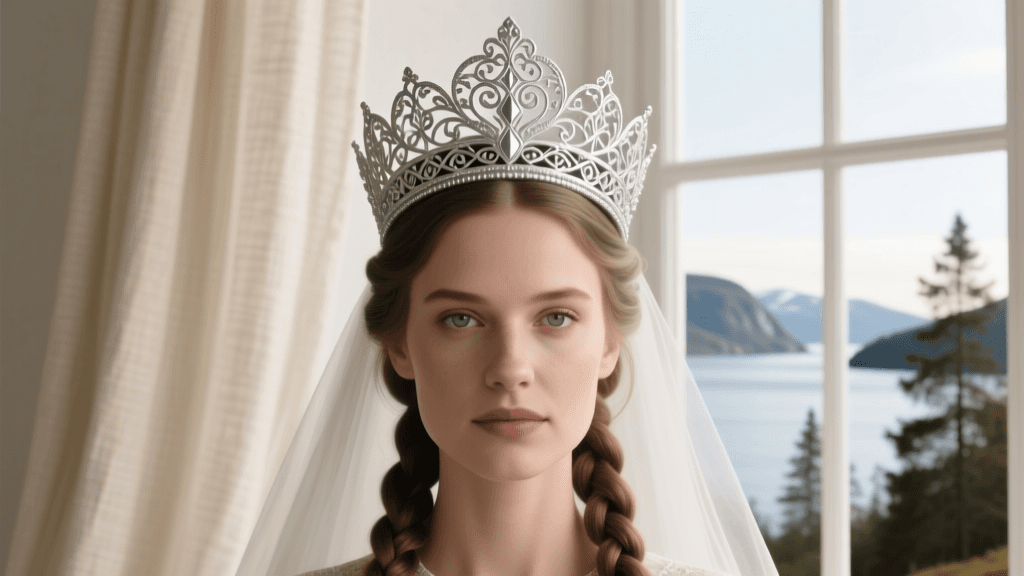
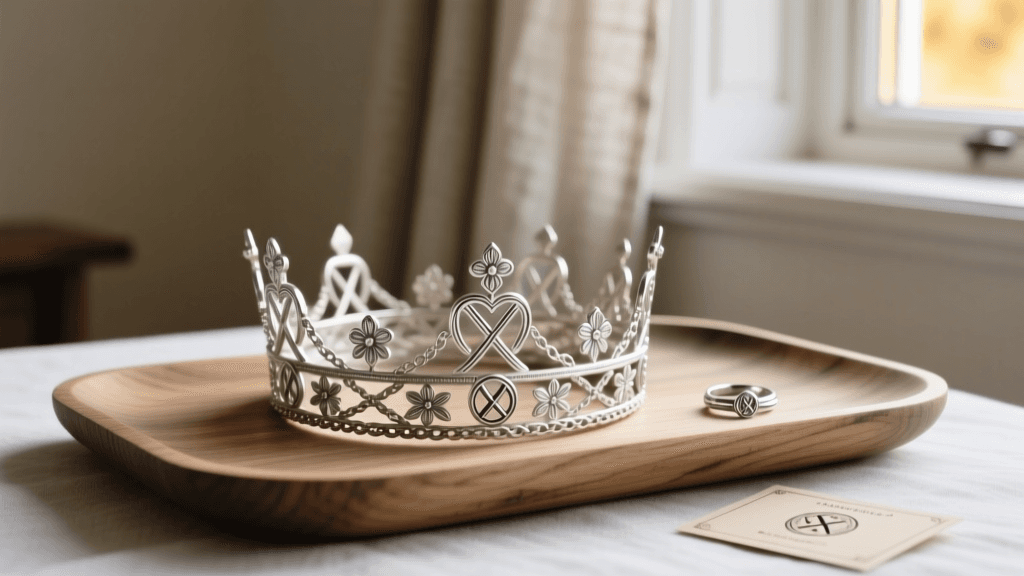
The brudekrone, or bridal crown, represents the pinnacle of this tradition. Originating in the Middle Ages as a symbol of purity and status, the crown evolved from simple Catholic veils into elaborate, towering structures of silver, brass, and glass stones. In 2026, the trend has shifted heavily toward heritage revival. Rather than purchasing mass-produced tiaras, modern Norwegian brides are increasingly renting ancestral brudekroner from local historical societies or commissioning bespoke pieces from master silversmiths in regions like Hardanger and Telemark.
'The bridal crown is not merely an accessory; it is a sacred architectural piece that connects the wearer to centuries of matriarchal lineage. In 2026, we are seeing brides prioritize historical accuracy and regional specificity over modern aesthetic convenience.' — Master Silversmith Guild of Voss, 2026 Annual Report.
Anatomy of Traditional Sølje Jewelry
To navigate the 2026 market, one must understand the specific terminology and function of each silver piece. A complete bunad silver set is highly modular, with each component serving a distinct structural and decorative purpose.
The Halsknapp (Neck Button)
The halsknapp is the foundational piece, used to fasten the collar of the linen shirt. Typically round or oval, it features intricate filigree work and a central cabochon stone or glass bead. In 2026, oxidized silver finishes with deep black patinas are highly sought after, contrasting sharply with the crisp white linen of the skjorte.
The Sølje (Brooch)
Often mistakenly used as a catch-all term for all Norwegian silver, the sølje specifically refers to the large, ornate brooch worn at the neckline or chest. The most iconic is the rosesølje, characterized by its radiating petals and dangling spoon-shaped pendants (skjeer). These pendants were historically believed to mimic the sound of running water, which was thought to ward off the huldra (forest spirits).
Brystnål and Maljer (Chest Pins and Cuff Links)
The brystnål is a long, decorative pin used to secure the front of the bodice or vest. It is often paired with maljer, which are small, hinged silver clasps used to lace the front of the bodice together. A complete set of maljer can require up to a dozen individual silver pieces, making them a significant investment.
Beltestøl (Belt Buckles)
For regions that feature leather belts adorned with silver, the beltestøl consists of ornate silver plates that are riveted or stitched onto the leather. These pieces are heavily influenced by Viking-era metalwork, featuring interlacing knotwork and animal motifs.
2026 Artisan Market and Pricing Guide
The market for Norwegian silver has bifurcated in 2026. On one side, there are large-scale manufacturers utilizing 3D-printed wax molds and centrifugal casting. On the other, a fiercely protected guild of master artisans continues to hand-forge, solder, and oxidize each piece using techniques unchanged since the 18th century. The Victoria and Albert Museum notes that hand-forged folk jewelry carries a distinct metallurgical density and light-refraction quality that cast pieces simply cannot replicate.
Below is a comparative pricing table reflecting the 2026 market rates for authentic Norwegian silver, factoring in current precious metal premiums and artisan labor costs.
| Item Description | Cast / Mass-Produced (2026 Est.) | Hand-Forged Artisan (2026 Est.) | Typical Lead Time |
|---|---|---|---|
| Halsknapp (Neck Button) | $85 - $120 | $250 - $400 | 2 - 4 Weeks |
| Rosesølje (Large Brooch) | $180 - $250 | $600 - $950 | 4 - 8 Weeks |
| Brystnål (Chest Pin) | $110 - $150 | $350 - $550 | 3 - 5 Weeks |
| Maljer Set (6 pairs) | $220 - $300 | $800 - $1,200 | 6 - 10 Weeks |
| Brudekrone (Bridal Crown) | $1,500 - $3,000 | $8,000 - $15,000+ | 6 - 12 Months |
Note: Prices are in USD and reflect the early 2026 silver spot market combined with Norwegian export taxes and artisan guild minimums.
How to Verify Authentic Scandinavian Silver
With the rise of e-commerce and international shipping, the market has seen an influx of counterfeit or 'inspired' pieces manufactured outside of Scandinavia. Verifying authenticity in 2026 requires a keen eye for official hallmarks. The Norwegian Goldsmith Association (Norges Gullsmedforbund) strictly regulates the stamping of precious metals.
- The 925S Mark: Authentic Norwegian sterling silver will always bear the '925S' stamp, indicating 92.5% pure silver. The 'S' is a crucial regional identifier.
- The Maker's Mark: Master silversmiths stamp their unique registered symbol. Historic marks like 'JL' (Jorulf Lie) or 'TS' (Theodor O. Sandberg) are highly collectible, while contemporary 2026 makers will have their newly registered guild marks.
- The City Mark: Older vintage pieces may feature a city stamp, such as the crowned 'O' for Oslo or the crossed arrows for Bergen. Modern pieces often omit this in favor of the maker's mark and the national standard stamp.
- Construction Clues: Inspect the reverse of the piece. Hand-forged sølje will show microscopic file marks, slight asymmetries in the filigree wire, and solder joins that are visible under a jeweler's loupe. Cast pieces will appear perfectly uniform and slightly 'mushy' in their fine details.
Styling and Caring for Heritage Silver
Owning authentic sølje requires a commitment to proper maintenance, especially given the intentional oxidation used to highlight the intricate filigree work. In 2026, conservation-grade care is the standard.
Preserving the Patina
Never use harsh chemical silver dips or ultrasonic cleaners on traditional Norwegian silver. These methods will strip the intentional black oxidation from the crevices, leaving the piece looking flat, overly bright, and historically inaccurate. Instead, use a soft, untreated microfiber cloth to gently buff only the raised, high-polish surfaces.
Storage Best Practices
Silver tarnishes when exposed to sulfur in the air. Store your bunad silver in a dedicated, airtight wooden box lined with anti-tarnish Pacific cloth. Include silica gel packets to control humidity, which is especially important if you live in a coastal or high-humidity environment. For brudekroner, which often feature fragile glass stones, brass wire, and fabric ribbons, custom-fitted archival boxes with acid-free tissue paper are mandatory to prevent structural warping.
Sourcing Authentic Pieces in 2026
If you are looking to acquire authentic pieces, bypass generic online marketplaces. Instead, reach out directly to established Norwegian silver smithies. Institutions like Sylvsmidja in Voss or Sandbergs Sølvsmie in Oslo maintain rigorous historical archives and offer bespoke commissioning services. Many of these heritage workshops have updated their digital storefronts for 2026, offering virtual consultations where artisans can guide you through the regional variations of silver to ensure your accessories perfectly match your specific bunad district.
Investing in Norwegian sølje and brudekroner is an investment in living history. By understanding the craftsmanship, respecting the regional nuances, and prioritizing authentic artisan work, you ensure that these breathtaking examples of European folk dress accessories continue to shine for generations to come.