Authentic Norwegian Bunad Silver & Brudkrona Guide 2026
The Resurgence of Norwegian Folk Accessories in 2026
As we navigate the 2026 wedding and festival seasons, the appreciation for authentic European folk dress has reached new heights. Among the most intricate and highly sought-after traditions is the Norwegian bunad (national folk costume) and its accompanying silver jewelry. Far from being mere decorations, these pieces are profound cultural artifacts, representing regional identity, family lineage, and historical craftsmanship. For collectors, heritage enthusiasts, and brides-to-be, understanding the nuances of Norwegian bunad silver and the iconic brudkrona (bridal crown) is essential. This comprehensive guide explores the anatomy, regional variations, and 2026 market realities of these magnificent accessories.
The Heritage and Anatomy of Bunad Silver
Norwegian bunad silver, or bunadsølv, is historically rooted in the rural farming communities of the 18th and 19th centuries. In a society where wealth was rarely held in banks, farmers invested their surplus in silver, which could be melted down in times of hardship or passed down as heirlooms. Today, institutions like the Norwegian Museum of Cultural History preserve thousands of these historical pieces, showcasing the transition from imported continental styles to distinctly Norwegian rural designs.
A complete set of bunad silver is a multi-piece ensemble that can weigh several pounds. The core components include:
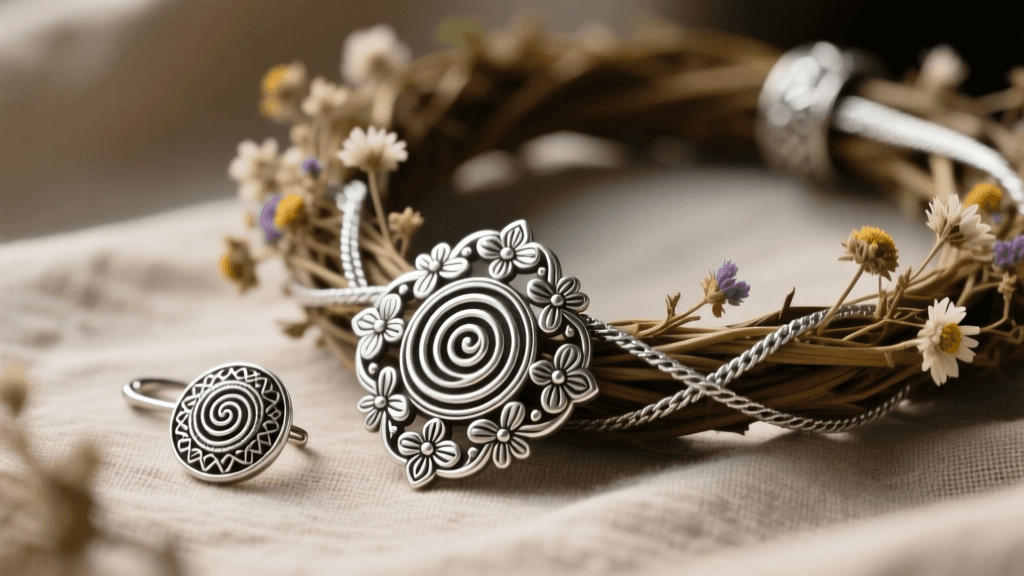
- Sølje (Neck Brooch): The centerpiece of the ensemble, worn at the collar. It features a central disc surrounded by intricate filigree and dangling spoons or leaves.
- Vespestøl (Vest Buttons): Ornate, often filigreed buttons used to fasten the bodice or vest.
- Skjerlenke (Watch Chain): A heavy, braided silver chain worn across the torso, historically used to secure a pocket watch, now worn purely for aesthetic balance.
- Beltestølv (Belt Buckle and Fittings): Heavy silver plaques that adorn the leather belt, often featuring cast motifs of dragons, flowers, or geometric patterns.
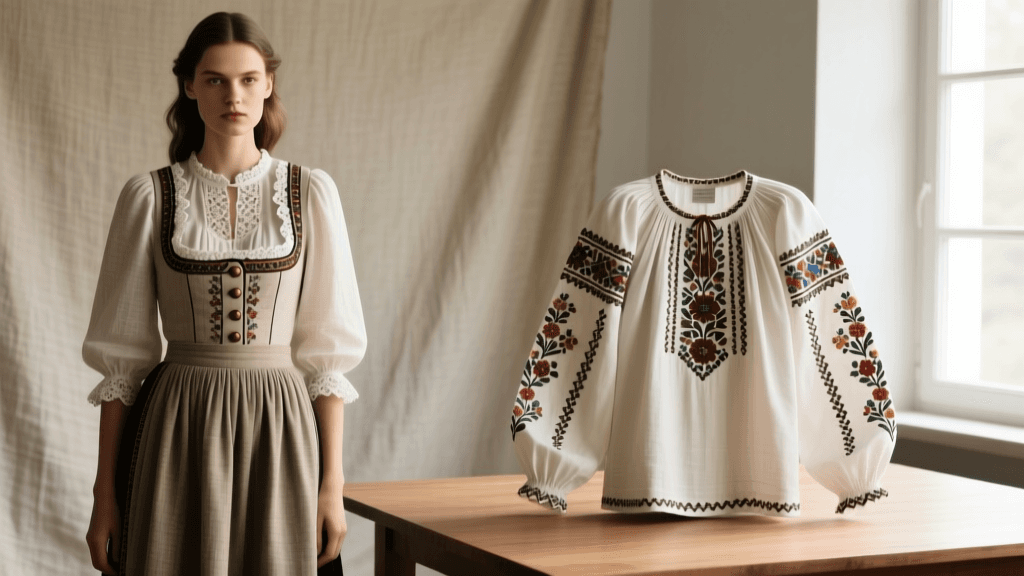
- Ermeringer (Cufflinks): Decorative links used to secure the wide, embroidered cuffs of the bunad shirt.
Regional Variations: Hardanger, Telemark, and Setesdal
The design of bunad silver is strictly dictated by the specific regional costume it accompanies. In 2026, authentic silversmiths continue to enforce these regional boundaries, ensuring that a Telemark sølje is never mistakenly paired with a Hardanger bunad.
Hardanger Silver
Hardanger silver is perhaps the most recognizable internationally. It is characterized by highly polished silver, often accented with red or blue glass stones (simulating rubies and sapphires) and small hanging spoons. The polished finish reflects the bright, festive nature of the Hardanger costume, which features stark white aprons and vibrant red bodices.
Setesdal Silver
In stark contrast, Setesdal silver is heavy, dark, and deeply oxidized. It features large, flat filigree discs and lacks the colorful glass stones of Hardanger. The darkened silver provides a striking visual contrast against the heavy, dark woolen fabrics of the Setesdal valley costumes.
Telemark Silver
Telemark silver is celebrated for its masterful filigree work. The wires are spun incredibly fine, creating delicate, lace-like floral patterns that resemble the region's famous rose-painting (rosemaling) tradition. Master silversmiths at heritage workshops like Sylvsmidja continue to hand-twist these filigree wires using techniques unchanged since the 1700s.
The Brudkrona: Norway's Iconic Bridal Headwear
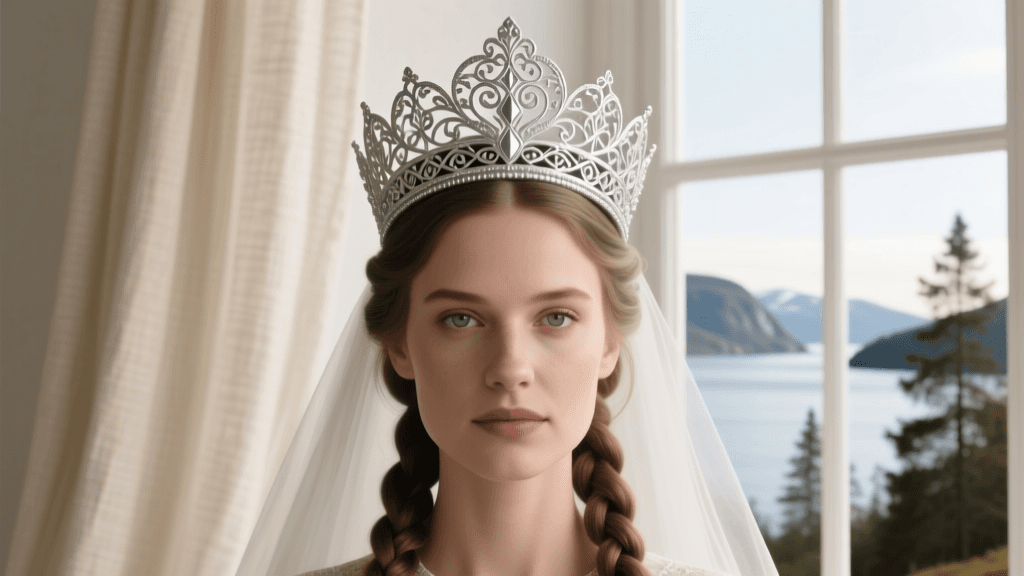
No discussion of Norwegian folk accessories is complete without the brudkrona, the traditional bridal crown. Historically, the crown was a symbol of purity and the bride's transition from maidenhood to married life. In medieval times, these crowns were often made of gilded brass or copper, but by the 18th century, wealthy farming families began commissioning them in solid silver.
The anatomy of a traditional brudkrona is rich in symbolism. The base is a wide, ornate band that sits securely on the head, often lined with velvet for comfort. Rising from the band are intricate spires, leaves, and floral motifs. Crucially, traditional crowns feature two distinct symbolic elements:
- Dangling Leaves and Spoons: These create a gentle chiming sound as the bride moves, which was historically believed to ward off evil spirits and the huldra (mythical forest creatures).
- Mirrors and Glass: Small, polished mirrors or reflective glass pieces are embedded in the crown. Folklore dictated that if a troll or evil spirit looked into the mirror, it would be blinded or frightened away by its own reflection.
In 2026, the brudkrona has experienced a massive revival among modern Norwegian brides. While some families pass down heirloom crowns, many opt to rent from local historical societies or commission modern interpretations from contemporary jewelers who use lightweight silver alloys to reduce the physical strain of wearing a multi-pound crown throughout a long wedding day.
2026 Market Guide: Pricing and Sourcing Authentic Pieces
The market for bunad silver in 2026 is heavily regulated to protect both consumers and local artisans. The Norwegian government and craft guilds strictly monitor the use of the 'Made in Norway' stamp. Below is a comparative look at the current 2026 pricing for authentic, domestically forged silver versus imported replicas.
| Accessory Component | Authentic Norwegian 925 Silver (2026 Avg. Price) | Imported / Mass-Produced Replica | Durability & Heirloom Value |
|---|---|---|---|
| Sølje (Neck Brooch) | $450 - $850 USD | $40 - $90 USD | Authentic pieces last generations; replicas tarnish and break easily. |
| Skjerlenke (Watch Chain) | $600 - $1,100 USD | $80 - $150 USD | Hand-braided links offer superior weight and drape. |
| Vespestøl (Set of 6 Buttons) | $300 - $500 USD | $30 - $60 USD | Authentic buttons feature secure, hand-soldered shanks. |
| Brudkrona (Solid Silver) | $3,500 - $8,000+ USD | $200 - $500 (Plated) | Heirloom value is exceptionally high for solid silver crowns. |
When sourcing pieces in 2026, buyers should prioritize established Norwegian silversmiths. The National Museum of Norway frequently collaborates with contemporary guilds to ensure that modern reproductions maintain historical accuracy in both weight and motif.
Verifying Authenticity: Hallmarks and Stamps
To ensure you are purchasing genuine Norwegian bunad silver, you must know how to read the hallmarks. By Norwegian law, all silver jewelry sold as sterling must bear specific stamps:
- The 925 Stamp: Indicates the piece is 92.5% pure silver.
- The Maker's Mark: A unique symbol or set of initials registered to the specific silversmith or company (e.g., David-Andersen, Tostrup, or modern local artisans).
- The Norwegian Control Mark: Historically, this was a lion holding an axe within a shield. While modern EU regulations have altered some hallmarking requirements, reputable Norwegian smiths still use traditional stamps alongside modern European conformity marks to guarantee origin and purity.
Be highly skeptical of online marketplaces offering 'vintage' bunad silver without clear, macro-photographed hallmarks. The 2026 market has seen an influx of high-quality 3D-printed and cast replicas from overseas that mimic the look of filigree but lack the structural integrity and silver content of the originals.
Care and Preservation of Folk Silver
Proper maintenance is critical for preserving the value and beauty of bunad silver. The cleaning method depends entirely on the regional style of the silver.
Polished Silver (Hardanger Style)
Polished silver should be cleaned regularly to prevent heavy black tarnish. In 2026, eco-friendly, non-toxic silver dips and ultrasonic cleaners are preferred over harsh abrasive pastes, which can wear down the delicate raised patterns over time. Always store polished silver in anti-tarnish cloth bags.
Oxidized Silver (Setesdal and Telemark Styles)
Oxidized silver relies on darkened crevices to highlight the intricate filigree patterns. Never use silver dip or polish on oxidized pieces. Doing so will strip the intentional dark patina, ruining the contrast and significantly lowering the piece's aesthetic and monetary value. To clean oxidized silver, gently wash it with mild dish soap and warm water, using a soft-bristled baby toothbrush to remove skin oils and dirt from the crevices without disturbing the dark oxidation.
Conclusion
Norwegian bunad silver and the majestic brudkrona represent some of the most sophisticated and symbolically rich accessory traditions in European folk dress. Whether you are investing in a complete set of Hardanger silver for a 2026 heritage festival, or commissioning a bespoke bridal crown, understanding the history, regional rules, and hallmarking systems ensures your pieces will be cherished for generations. By supporting authentic, domestically crafted silver, collectors and wearers alike help keep the ancient fires of the Nordic silversmith's forge burning bright in the modern era.