Authentic Vyshyvanka & Balkan Opanci: 2026 Sourcing Guide
The 2026 Resurgence of Slavic and Balkan Heritage Textiles
As the global fashion industry pivots decisively toward sustainable, slow-fashion models in 2026, traditional European folk dress has transcended museum archives to become a cornerstone of contemporary heritage wardrobes. Nowhere is this more evident than in the rich, deeply symbolic textile traditions of the Slavic and Balkan regions. From the intricate, protective geometry of the Ukrainian vyshyvanka to the masterful, hand-wrapped leatherwork of Balkan opanci, Eastern European folk garments offer a masterclass in durability, regional identity, and artisanal craftsmanship.
For collectors, cultural enthusiasts, and sustainable fashion advocates, sourcing authentic pieces requires navigating a complex landscape of heritage cooperatives, independent artisans, and mass-produced commercial replicas. According to the Britannica comprehensive guide to embroidery, traditional needlework techniques are not merely decorative; they are historical records of regional identity, social status, and spiritual belief. In 2026, understanding these nuances is critical for anyone looking to invest in genuine Slavic and Balkan folk dress, ensuring that your purchases support living heritage rather than fast-fashion appropriations.
Decoding the Ukrainian Vyshyvanka: Authenticity in 2026
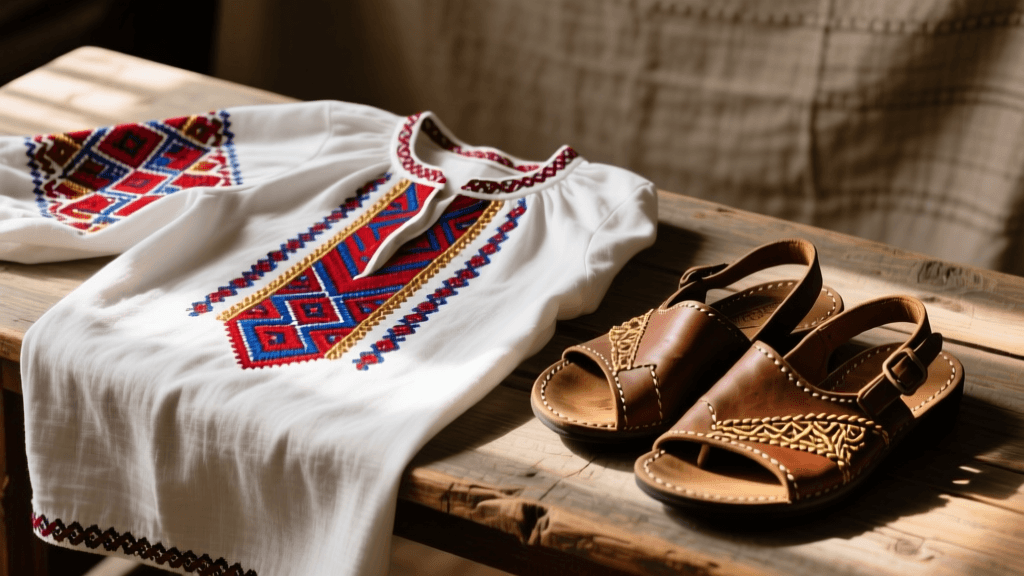
The vyshyvanka, Ukraine’s iconic embroidered shirt, remains one of the most recognizable and culturally significant garments in Eastern Europe. In 2026, the demand for authentic, hand-stitched vyshyvankas has surged, driven by a global appreciation for slow fashion and a deep desire to support Ukrainian artisanal cooperatives. However, the market is simultaneously flooded with machine-embroidered replicas that lack the structural integrity and cultural resonance of true heritage pieces.
Regional Motifs and the Shift to Bio-Mordants
Authenticity begins with the motif and the technique. The Poltava region is famous for its white-on-white embroidery, utilizing complex satin stitches and cutwork that create a textured, almost sculptural surface. In contrast, the Hutsul region in the Carpathian Mountains favors bold, geometric patterns in vibrant reds, blacks, and yellows, often incorporating seed beads and metallic threads. Meanwhile, the Borshchiv region is renowned for its striking black embroidery, historically stitched with dark wool or silk.
A major trend in 2026 is the return to bio-mordants and natural dyes. Artisans are increasingly utilizing madder root for reds, woad for blues, and walnut husks for deep browns, moving away from the synthetic aniline dyes that dominated the late 20th century. When sourcing a vyshyvanka, examine the reverse side of the fabric. Authentic hand-stitching will show a nearly identical pattern on the reverse, with careful thread management, whereas machine embroidery will feature chaotic backing threads and synthetic stabilizers.
2026 Pricing and Sourcing Cooperatives
Due to the intensive labor required—a single hand-embroidered shirt can take between 40 to 120 hours to complete—pricing for authentic pieces has adjusted to reflect fair artisan wages. In 2026, expect to pay between $250 and $450 for a standard hand-stitched linen vyshyvanka, with master-crafted ceremonial pieces exceeding $800. Sourcing directly from verified cooperatives in Lviv, Kyiv, and Chernivtsi ensures that your investment directly supports the makers.
Balkan Opanci: Traditional Footwear Meets Modern Ergonomics
Moving south into the Balkan Peninsula, the opanci (singular: opanak) represent a triumph of functional, resourceful design. Historically worn by peasants across Serbia, Bosnia, Montenegro, and Bulgaria, these shoes were traditionally crafted from a single piece of rawhide, gathered and laced around the foot with leather thongs. The UNESCO Intangible Cultural Heritage lists frequently highlight such traditional craftsmanship as vital expressions of community identity and adaptation to local environments.
Sourcing Artisanal Leatherwork in the Balkans
In 2026, the traditional opanak has undergone a sophisticated evolution. While purists and folk dance troupes still commission rawhide, vegetable-tanned versions for performances, contemporary cobblers in Belgrade, Sarajevo, and Sofia have adapted the footwear for urban environments. Modern artisanal opanci now feature ergonomic, flexible rubber half-soles and memory-foam insoles hidden beneath the traditional hand-woven leather uppers. This hybrid approach preserves the iconic wrapped aesthetic and lacing system while providing the arch support necessary for walking on modern cobblestones and concrete.
When sourcing opanci, look for the signature pletar (weaver) technique on the toe box, where thin strips of leather are intricately braided. High-quality 2026 iterations use full-grain, chrome-free vegetable-tanned leather that molds to the wearer's foot over time. Custom-fitted, artisanal opanci typically range from $140 to $220, a worthwhile investment for a garment that bridges historical authenticity and modern comfort.
Dimije and Pafta: Flowing Silhouettes and Metalwork
No guide to Balkan folk dress is complete without mentioning the dimije, the flowing, harem-style trousers worn historically by women across the Ottoman-influenced Balkans. In 2026, contemporary designers and heritage revivalists are reimagining the dimije using breathable, organic cotton-silk blends, making them a staple of sustainable summer wardrobes. The voluminous silhouette is not only deeply comfortable but also represents a rich history of cross-cultural textile exchange in the region.
To complete the traditional silhouette, the dimije are often gathered at the waist with a sash and secured by a pafta—an ornate, often silver-filigree metal belt buckle. Sourcing vintage or newly forged artisanal pafti from silversmiths in Prizren or Mostar adds a striking, heavy-metal contrast to the soft textiles of the dimije and vyshyvanka. As noted in Britannica's overview of folk art, these functional metalworks are prime examples of how utilitarian objects in folk traditions are elevated to high art through regional craftsmanship.
2026 Buyer’s Comparison: Authentic vs. Commercial Replicas
To help you navigate the market, below is a comparative breakdown of what to expect when sourcing Eastern European and Balkan folk garments in 2026. Understanding these differences is crucial for building an authentic, long-lasting heritage wardrobe.
| Garment / Item | Authentic Artisan (2026 Avg Price) | Commercial Replica (2026 Avg Price) | Material Composition | Expected Lifespan |
|---|---|---|---|---|
| Ukrainian Vyshyvanka | $250 - $800+ | $45 - $90 | Organic Flax Linen / Natural Dyes | Generational (50+ years) |
| Balkan Opanci (Footwear) | $140 - $220 | $30 - $60 | Full-Grain Veg-Tanned Leather | 10 - 15 years (with care) |
| Dimije (Trousers) | $120 - $180 | $25 - $50 | Silk-Cotton Blend / Hand-loomed | 20+ years |
| Pafta (Metal Buckle) | $90 - $300 | $15 - $30 | Sterling Silver / Brass Filigree | Centuries (Heirloom) |
Care, Maintenance, and Storage for Heritage Garments
Investing in authentic Slavic and Balkan folk dress requires a commitment to proper garment care. The natural fibers and dyes used in 2026's heritage pieces are resilient but demand specific maintenance routines to preserve their structural integrity and color vibrancy.
- Washing Linen Vyshyvankas: Never use harsh chemical bleaches or high-heat machine washing. Hand-wash in cool water using a pH-neutral, eco-friendly detergent. Gently press out excess water by rolling the garment in a clean, dry towel, and lay it flat to dry away from direct sunlight to prevent the natural dyes from fading.
- Conditioning Opanci Leather: Vegetable-tanned leather dries out and can crack if neglected. Every three to four months, apply a thin layer of natural beeswax or lanolin-based leather conditioner. This maintains the leather's water resistance and keeps the intricate braided toe-box supple.
- Storing Metalwork and Textiles: Store silver pafti in anti-tarnish cloth bags to prevent oxidation. Keep embroidered garments folded with acid-free tissue paper in a cool, dark, and dry environment. Avoid wire hangers, which can distort the shoulder seams of heavy linen shirts.
Conclusion
The landscape of European folk dress in 2026 is defined by a profound respect for the past and a pragmatic approach to the future. By choosing to source authentic Ukrainian vyshyvankas, Balkan opanci, and traditional dimije, you are not merely acquiring clothing; you are participating in the active preservation of Slavic and Balkan cultural heritage. Whether you are integrating a hand-embroidered linen shirt into your daily rotation or commissioning a pair of custom-wrapped leather shoes, the investment in true artisanal craftsmanship offers a sustainable, deeply meaningful alternative to the ephemeral trends of the modern fashion cycle.