2026 Guide to Authentic Vyshyvanka and Ie Blouses
The Renaissance of Eastern European Folk Dress in 2026
The year 2026 marks a pivotal moment for Eastern European folk dress, characterized by a massive global surge in appreciation for authentic, traceable, and culturally significant garments. Moving far beyond the realm of mere festival costumes or theatrical props, traditional Slavic and Balkan textiles have firmly established themselves as vital expressions of cultural resilience and heritage. For collectors, cultural enthusiasts, and conscious consumers, the Ukrainian Vyshyvanka (embroidered shirt) and the Romanian Ie (traditional blouse) represent the pinnacle of Eastern European needlework. However, as demand has skyrocketed over the past few years, the market has been flooded with mass-produced, machine-embroidered imitations. This comprehensive guide will help you navigate the 2026 market, authenticate genuine hand-stitched pieces, understand regional variations, and properly care for these irreplaceable heritage textiles.
The Anatomy of Authentic Slavic and Balkan Embroidery
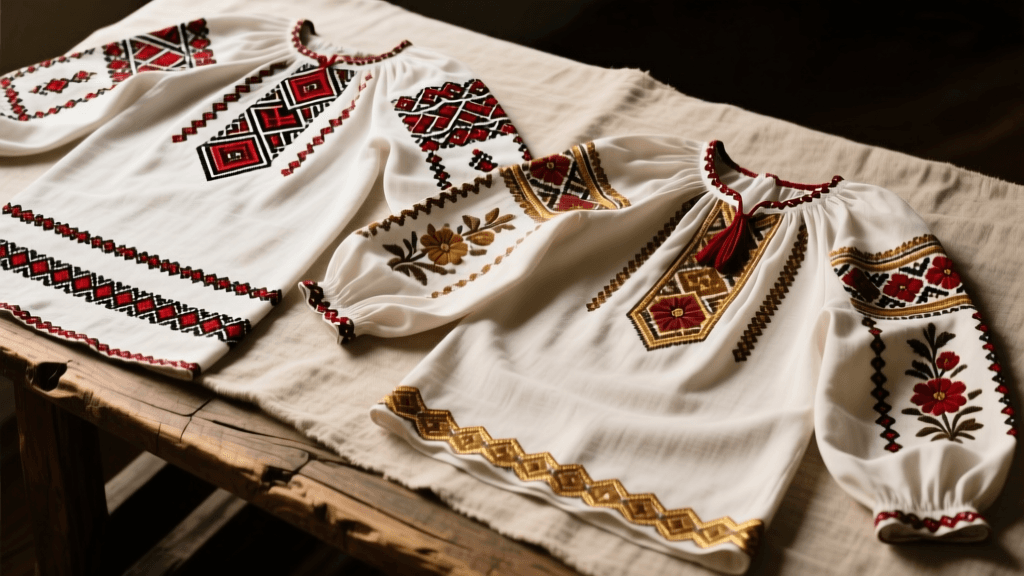
To truly appreciate Eastern European folk dress, one must understand the meticulous construction techniques that define it. The Ukrainian Vyshyvanka is not merely a shirt with decoration; it is a canvas of coded geometry and ancestral protection. Traditional Ukrainian embroidery relies heavily on counted-thread techniques such as nyz (a running stitch worked from the back to create a precise geometric pattern on the front) and zavolikannya (a weaving-like stitch that mimics woven textiles). Authentic pieces from regions like Poltava feature the renowned bila po bilomu (white-on-white) embroidery, which utilizes complex cutwork and satin stitches to create a subtle, textural masterpiece that catches the light.
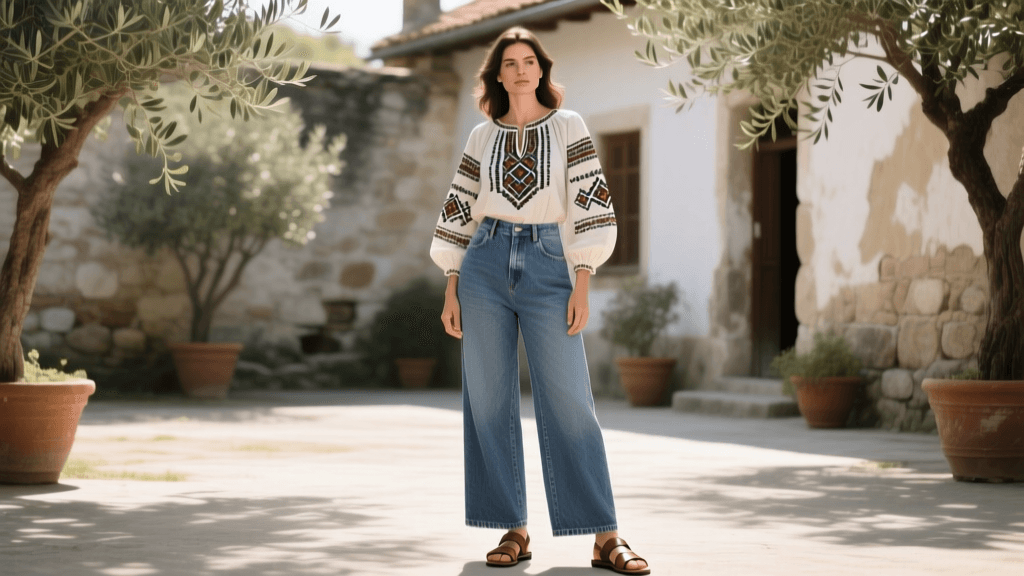
Similarly, the Romanian Ie is defined by its highly structured layout, which follows a strict architectural blueprint. The most critical element of the authentic Ie is the altiță—a wide, densely embroidered rectangular panel located on the upper shoulder. Beneath the altiță lies the increț (a gathering band), followed by the râuri (rivers), which are vertical or diagonal bands of embroidery flowing down the sleeve to the cuff. The altiță was historically a marker of social status and regional identity, utilizing silk, metallic threads, and intricate geometric motifs that map out solar cycles and agricultural rhythms. In 2022, the art of the traditional blouse with embroidery on the shoulder was inscribed on the UNESCO Representative List of the Intangible Cultural Heritage of Humanity, cementing its global importance and driving a renewed interest in authentic sourcing by 2026.
The Symbolism of Color and Geometry
In both Ukrainian and Romanian traditions, color is never arbitrary. Red remains the most dominant and ancient color, symbolizing life, energy, and spiritual protection against malevolent forces. Black, while sometimes associated with sorrow or the earth, is heavily utilized in the Hutsul region of the Carpathian Mountains to create striking, high-contrast geometric patterns. In the wake of recent historical events, black thread in Ukrainian embroidery has also taken on profound layers of mourning, resilience, and remembrance, making contemporary 2026 pieces featuring black and red highly significant to modern collectors. White represents purity and the divine, often serving as the negative space that allows the geometry to breathe. Yellow and green threads, introduced more widely in the 19th century with the advent of aniline dyes, represent the harvest, nature, and the sun.
Regional Variations: A 2026 Market Comparison
Understanding regional nuances is critical for accurate valuation and authentication. The table below outlines the primary characteristics and current 2026 market valuations for authentic, hand-stitched heritage pieces sourced directly from artisan cooperatives or verified antique dealers.
| Region | Country | Dominant Colors | Key Motifs & Techniques | 2026 Avg. Artisan Price (EUR) |
|---|---|---|---|---|
| Poltava | Ukraine | White, Soft Grey | White-on-white cutwork, satin stitch, botanical vines | €450 - €800 |
| Hutsulshchyna | Ukraine | Black, Red, Yellow, Green | Dense geometric cross-stitch, rhombuses, starbursts | €300 - €550 |
| Olt | Romania | Black, Deep Red, Metallic | Curvilinear motifs, intricate altiță, spiral rivers | €350 - €600 |
| Bucovina | Romania | White, Black, Subtle Gold | Geometric cross-stitch, heavy linen, structured cuffs | €250 - €450 |
Note: Prices reflect 2026 market rates for newly commissioned, hand-woven linen garments with 100% hand-embroidery. Antique pieces (pre-1950) in pristine condition can command prices well over €1,500 at specialized European textile auctions.
How to Authenticate Handmade Eastern European Folk Dress
With the influx of factory-made imports from overseas markets, distinguishing a genuine heritage garment from a mass-produced replica is an essential skill for any buyer in 2026. The most definitive method is the 'Wrong Side' test. Turn the garment inside out and examine the back of the embroidery. In authentic hand-stitched counted-thread work (like cross-stitch or nyz), the back of the fabric will look nearly as neat and structured as the front, with minimal loose threads or chaotic knotting. Machine embroidery, conversely, often features a messy underside with thick bobbin threads, jump-stitch cuts, and synthetic stabilizer backing that feels stiff and papery to the touch.
Next, evaluate the base fabric. Authentic historical and high-end contemporary pieces are constructed from hand-woven or traditionally milled linen and hemp. Linen has a distinct, slightly irregular slub texture and a natural luster that softens beautifully over time. Cotton, while used in some mid-20th-century pieces, lacks the structural drape of linen. If the fabric feels overly uniform, synthetic, or lacks the natural cooling properties of plant fibers, it is likely a modern commercial replica. Finally, examine the thread. Traditional embroidery utilized wool, silk, and hand-spun cotton dyed with natural botanicals. Modern replicas almost exclusively use high-sheen polyester or rayon threads, which reflect light with an unnatural, plastic-like glare.
Where to Source Authentic Pieces in 2026
Sourcing authentic Eastern European folk dress requires bypassing generic marketplaces and connecting directly with cultural institutions, verified artisan cooperatives, and specialized heritage organizations. For Romanian textiles, the Romanian Peasant Museum (Muzeul Național al Țăranului Român) in Bucharest remains the ultimate authority. While the museum itself preserves historical artifacts, their affiliated cultural networks and annual heritage fairs are the safest avenues for connecting with master embroiderers from the Olt and Argeș regions who take commissions for authentic Ie blouses.
For Ukrainian Vyshyvanka, the landscape in 2026 is defined by a powerful network of cultural preservation NGOs and artisan guilds that have reorganized to support displaced craftspeople. The Ivan Honchar Museum (National Centre of Folk Culture) in Kyiv provides extensive educational resources and frequently highlights verified contemporary artisans who adhere to strict historical accuracy in their stitching and weaving. Additionally, specialized online cooperatives such as 'Folk Motif' and various verified Etsy guilds (look for sellers who provide video proof of their hand-stitching process and detail the exact village origin of their patterns) have become vital lifelines for acquiring genuine pieces while directly supporting the Eastern European artisan economy.
Caring for Heritage Textiles
Once you have acquired an authentic Vyshyvanka or Ie, proper preservation is paramount. These garments are meant to be worn, but they require mindful maintenance. Never machine-wash hand-embroidered linen or hemp. The agitation can cause the dense embroidery threads to bleed or fray, and the base fabric to warp. Instead, hand-wash the garment in cold water using a pH-neutral, specialized textile detergent. Avoid wringing the fabric; gently press the water out and lay the garment flat on a clean, dry towel to air dry away from direct sunlight, which can fade natural dyes.
When ironing, always turn the garment inside out and place a damp, clean cotton pressing cloth over the embroidery. This prevents the iron from crushing the three-dimensional texture of the stitches and protects delicate silk or metallic threads from heat damage. For long-term storage, never use wire hangers, as they will distort the shoulder seams and stretch the delicate hand-woven fibers. Fold the garment carefully, padding the folds with acid-free tissue paper to prevent hard creases, and store it in a breathable cotton garment bag in a cool, dry environment. By following these preservation protocols, you ensure that these masterpieces of Slavic and Balkan needlework remain vibrant and intact for generations to come, honoring the profound cultural legacy woven into every single thread.