Slavic Folk Dress 2026: Sourcing Authentic Vyshyvanka and Ie
The Resurgence of Eastern European Textile Heritage in 2026
The landscape of European folk dress has experienced a profound renaissance over the last decade, culminating in a massive global appreciation for slow fashion and heritage garments in 2026. Among the most sought-after and culturally significant pieces are the embroidered blouses of Eastern Europe and the Balkans—specifically the Ukrainian Vyshyvanka and the Romanian and Moldovan Ie. These garments are far more than mere clothing; they are wearable archives of regional history, spiritual protection, and ancestral identity. As contemporary fashion continues to pivot toward sustainability and ethical craftsmanship, collectors, historians, and conscious consumers are increasingly turning to authentic, hand-loomed, and hand-embroidered Slavic and Balkan textiles.
However, the surge in popularity has also led to a market flooded with mass-produced, machine-embroidered replicas that lack the structural integrity and cultural soul of genuine artisan work. Navigating the 2026 market requires a keen eye for textile construction, an understanding of regional motifs, and knowledge of how to support the artisan cooperatives keeping these centuries-old traditions alive. This comprehensive guide will walk you through the anatomy, sourcing, and preservation of authentic Eastern European embroidered blouses.
Decoding the Ukrainian Vyshyvanka: Regional Codes and Motifs
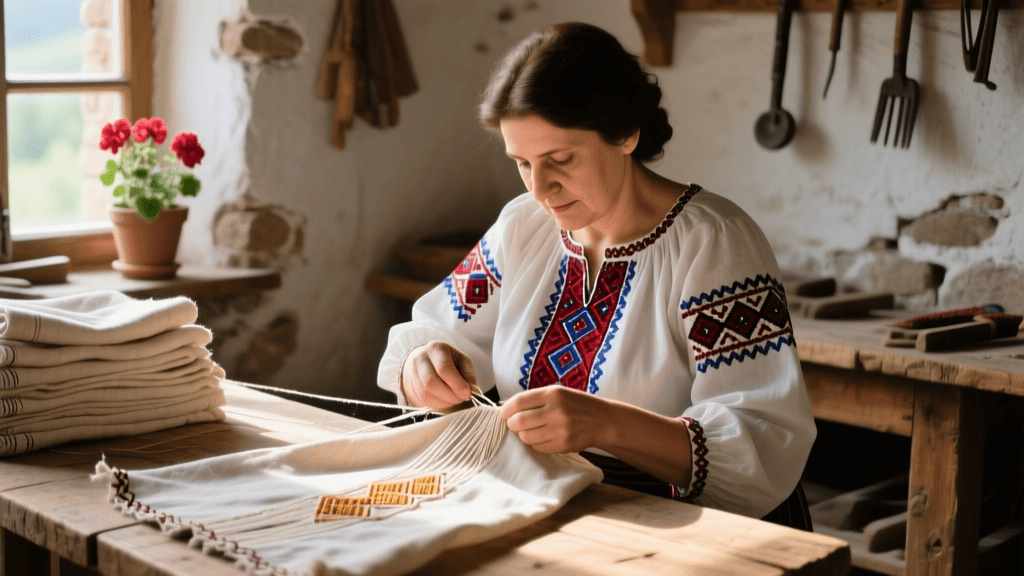
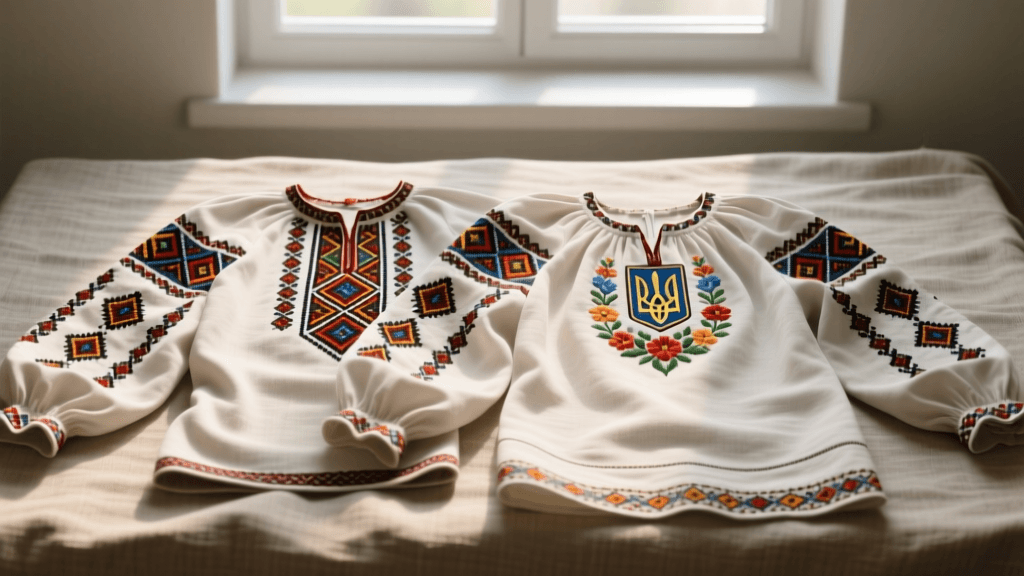
The Vyshyvanka is the quintessential Ukrainian embroidered shirt, historically worn by both men and women, though the women’s blouses often feature far more intricate and expansive embroidery. In 2026, authentic Vyshyvankas are prized for their use of natural fibers—primarily hand-spun hemp and linen—and naturally dyed threads. The motifs used in the embroidery are not random; they serve as a visual language conveying the wearer’s marital status, regional origin, and spiritual protections.
Key Regional Variations
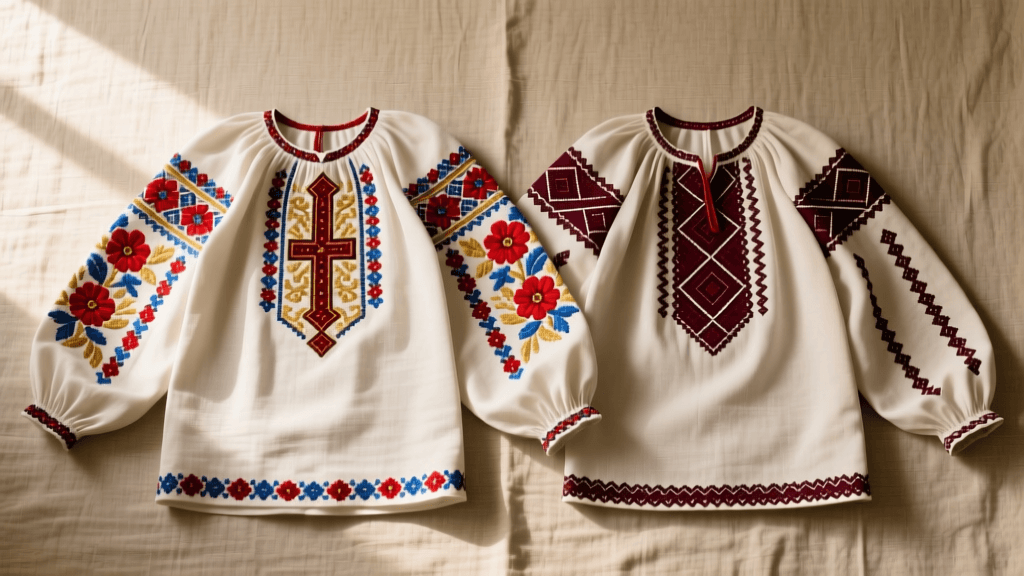
When sourcing a Vyshyvanka, identifying the regional style is crucial for authentication and appreciation of the craft. The major regional styles include:
- Poltava Region: Famous for its ethereal "white-on-white" embroidery (bila po bilomu). Artisans use up to 180 different stitch variations to create subtle, shadow-like geometric and floral patterns that rely on texture rather than color contrast. In 2026, authentic Poltava pieces remain the most expensive and time-consuming to produce.
- Hutsul Region (Carpathian Mountains):strong> Characterized by vibrant, densely packed geometric motifs. The dominant colors are fiery red, deep black, and bright yellow, often incorporating metallic threads or glass beads. The cross-stitch and the "Hutsul nyz" (a stitch that looks identical on both the front and back) are hallmarks of this region.
- Volyn and Polissya: Northern regions known for their strict, rhythmic geometric patterns, predominantly in red and black. The embroidery is often concentrated on the collar, cuffs, and a central chest panel, reflecting ancient Slavic solar and agricultural symbols.
- Bukovyna: A southwestern region where the embroidery is heavily influenced by Balkan and Moldovan aesthetics, featuring lush, oversized floral motifs, heavy use of silk threads, and occasionally silver or gold bullion embroidery.
The Romanian and Moldovan Ie: Anatomy of a Masterpiece
The Ie (pronounced 'ee-yeh') is the traditional embroidered blouse of Romania and Moldova, globally recognized for its striking aesthetic and profound cultural weight. In recent years, the traditional Romanian blouse with embroidery on the shoulder (altiță) was inscribed on the UNESCO Representative List of the Intangible Cultural Heritage of Humanity, cementing its status as a masterpiece of global textile heritage. This recognition has spurred a massive revival in rural cooperatives, with 2026 seeing a new generation of young women taking up the loom and needle to preserve their local variants.
The Structural Anatomy of the Ie
Unlike the Vyshyvanka, which often features embroidery scattered across the bodice, the traditional Ie follows a strict, highly regulated architectural layout:
- Altiță (The Shoulder):strong> The most heavily embroidered and visually dominant part of the blouse. Historically, the altiță was believed to protect the wearer’s shoulders from evil spirits and physical burdens. It is typically a dense, rectangular block of intricate geometric or floral stitching.
- Încreț (The Gather):strong> Located just below the altiță, this is a narrower band of embroidery that acts as a visual transition. It often features a contrasting color or a distinct, simpler stitch pattern, serving to "gather" the visual weight of the shoulder design.
- Râuri (The Rivers):strong> These are the vertical or diagonal bands of embroidery that flow down the sleeves from the încreț to the cuffs. The "rivers" guide the eye downward and are traditionally associated with the flow of water, life force, and fertility.
Authentic Ie blouses from regions like Muscel, Argeș, and Vâlcea are renowned for their use of fine silk threads, metallic gold and silver wire (paftale), and sequins, creating a luxurious, shimmering effect that machine-made replicas simply cannot replicate.
2026 Sourcing Guide: Authenticating Artisan vs. Mass-Produced Garments
As the demand for Eastern European folk dress has grown, so has the proliferation of factory-made imitations, primarily manufactured in large overseas textile hubs. For collectors and cultural enthusiasts in 2026, distinguishing between a genuine artisan piece and a mass-produced costume is essential. According to textile historians and experts in Eastern European folk art traditions, the soul of the garment lies in its imperfections and its construction.
Key Authentication Checks
- The Reverse Side Test: Turn the garment inside out. Hand-embroidered traditional pieces, particularly those using the Hutsul nyz or traditional Romanian stitches, are nearly as neat on the back as on the front. Machine embroidery will show a chaotic web of floating threads, bobbin lines, and synthetic stabilizers.
- Fabric Weave: Authentic garments are made on wooden looms, resulting in a slightly irregular, nubby texture in the linen or hemp. Mass-produced shirts use perfectly uniform, chemically bleached cotton or polyester blends.
- Thread Composition: Burn a tiny, hidden thread (if permitted by the seller). Natural wool, silk, linen, and cotton will turn to ash and smell like burning hair or paper. Synthetic polyester and nylon will melt into a hard plastic bead.
- Digital Provenance: In 2026, many verified artisan cooperatives in Ukraine, Romania, and Moldova utilize blockchain-backed digital certificates or NFC tags woven into the hem, detailing the artisan’s name, village, and the exact hours spent on the embroidery.
Market Comparison Table: 2026 Pricing and Materials
| Market Tier | Material & Thread | Embroidery Method | Est. 2026 Price (USD) | Production Time |
|---|---|---|---|---|
| Mass-Market / Costume | Polyester-cotton blend, synthetic rayon thread | Computerized machine embroidery | $45 - $120 | 2 - 4 hours |
| Semi-Artisan / Boutique | Commercial linen, mercerized cotton or mouline thread | Hand-guided machine or partial hand-stitching | $180 - $350 | 1 - 2 weeks |
| Authentic Heritage Artisan | Hand-loomed hemp/linen, naturally dyed wool, silk, or metallic threads | 100% Traditional hand-embroidery | $600 - $2,500+ | 2 - 6 months |
Integrating Heritage Garments into a Modern 2026 Wardrobe
One of the greatest triumphs of the 2026 slow fashion movement is the seamless integration of heritage garments into everyday wear. The Vyshyvanka and the Ie are remarkably versatile. For a contemporary, sophisticated look, pair a white-on-white Poltava Vyshyvanka with high-waisted, wide-leg linen trousers and minimalist leather sandals. The subtle texture of the embroidery provides visual interest without overwhelming the silhouette.
The Romanian Ie, with its dramatic shoulder embroidery and flowing sleeves, pairs beautifully with structured, modern tailoring. Try tucking a heavily embroidered Muscel Ie into a sleek, dark denim or tailored wool skirt, allowing the altiță to serve as the focal point of the outfit. Avoid overly busy accessories; let the centuries-old textile artistry speak for itself.
Preservation and Care for Hand-Loomed Linens
Investing in an authentic Eastern European blouse requires a commitment to proper textile conservation. Hand-loomed hemp and linen are incredibly durable, but the natural dyes and delicate silk or metallic threads used in the embroidery require specialized care. According to conservation guidelines provided by leading textile institutions like the Victoria and Albert Museum, improper washing is the leading cause of degradation in heritage folk textiles.
- Washing: Never machine wash or dry clean an authentic hand-embroidered blouse. Dry cleaning chemicals can strip natural dyes and tarnish metallic threads. Instead, hand wash the garment in cold water using a pH-neutral, conservation-grade textile detergent.
- Drying: Never wring or twist the fabric, as this will distort the loom weave and pucker the embroidery. Gently press the water out by rolling the garment in a clean, dry cotton towel. Lay it flat on a drying rack away from direct sunlight, which can fade natural botanical dyes.
- Ironing: Iron the garment while it is still slightly damp. Always iron on the reverse side over a thick, soft towel to prevent crushing the three-dimensional texture of the embroidery stitches.
- Storage: Store the blouses flat in acid-free tissue paper inside a cedar chest or a breathable cotton storage box. Avoid wire hangers, which can distort the shoulder seams and stress the heavy altiță embroidery over time.
Conclusion: Investing in Cultural Continuity
Purchasing an authentic Ukrainian Vyshyvanka or a Romanian Ie in 2026 is more than a fashion statement; it is an act of cultural preservation. By understanding the regional codes, demanding structural authenticity, and paying fair market prices for artisan labor, consumers directly support the rural women and weaving cooperatives who are the living guardians of Eastern European heritage. As we continue to navigate an era of fast fashion and digital ephemera, these meticulously crafted garments offer a tangible, beautiful connection to the enduring soul of Slavic and Balkan traditions.