Traditional Slavic Kokoshnik Headwear: 2026 Sizing & Styling Guide
The 2026 Revival of Eastern European Headwear and Jewelry
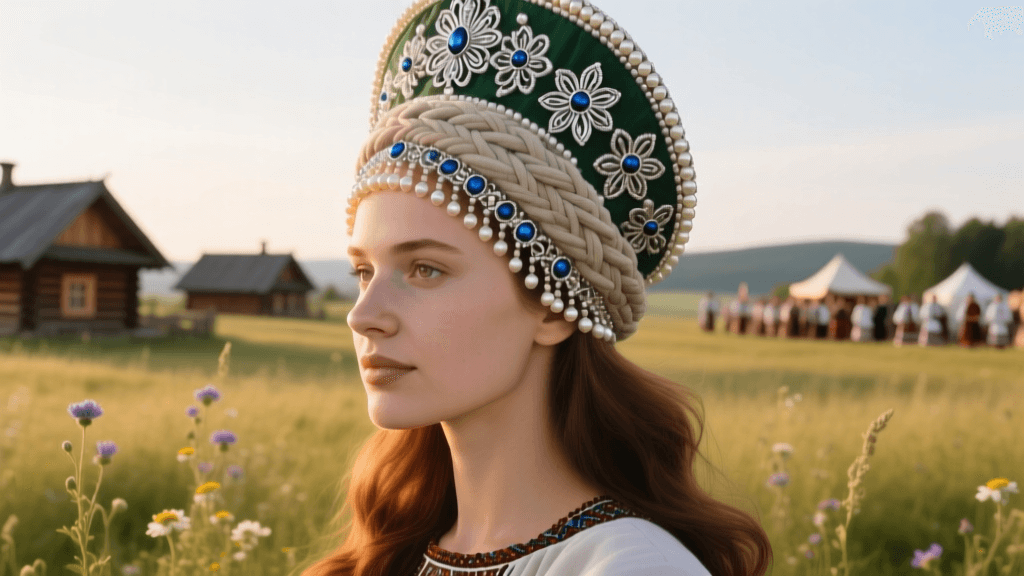
In 2026, the global appreciation for Eastern European folk dress has reached unprecedented heights, moving beyond museum archives and into the vibrant reality of modern cultural festivals, folk-fusion fashion shows, and heritage celebrations. At the very center of this revival is the kokoshnik—the iconic, crested headwear of Slavic tradition—alongside its intricate accompanying jewelry. No longer viewed merely as historical artifacts, these pieces are now being crafted by a new generation of artisans who blend centuries-old goldwork and pearl-stitching techniques with modern ergonomic designs.
Whether you are attending a Midsummer Ivan Kupala festival, participating in a traditional Maslenitsa celebration, or integrating heritage pieces into a contemporary folk-wardrobe, understanding the anatomy, sizing, and styling of Slavic headwear is essential. This comprehensive guide will walk you through everything you need to know about selecting, wearing, and caring for traditional Slavic kokoshniks and beaded accessories in 2026.
Anatomy of the Kokoshnik and Associated Jewelry
The term "kokoshnik" is often used broadly in the West to describe any traditional Russian or Slavic headdress, but historically and technically, it refers to a specific family of rigid, crested headpieces worn primarily by married women in Northern and Central Russia. According to the extensive textile archives at the Textile Research Centre at Leiden University, the integration of metallic threads, river pearls, and semi-precious stones in these garments served as a visual indicator of a family's social standing and regional origin.
The Kika and Soroka Base
Beneath the decorative exterior lies the structural foundation. The kika is the soft, quilted cap that directly touches the hair, designed to completely conceal a married woman's hair—a strict historical requirement in Slavic pagan and Orthodox traditions. Over the kika sits the rigid crest, historically made from birch bark, layered linen stiffened with rye paste, or, in modern 2026 reproductions, lightweight thermoplastic and buckram. The soroka is the decorative outer cover, often made of rich velvet, silk brocade, or heavy linen, which is pinned or tied over the rigid base.
Ryasny and Kolty: Temple and Forehead Jewelry
A kokoshnik is rarely worn alone; it is part of a complex jewelry ecosystem. Ryasny are the cascading strands of pearls or beaded chains that hang from the sides of the headdress down to the shoulders. Historically, they were weighted with river pearls to catch the light and frame the face. Attached to the ends of the ryasny or pinned directly to the temples are kolty—hollow, ornate metal pendants that were sometimes filled with aromatic herbs or resins. In 2026, artisan jewelers are reviving the lost-wax casting and filigree techniques required to create authentic, lightweight silver and brass kolty that do not strain the modern wearer's neck.
Regional Variations Across the Slavic World
When sourcing or commissioning a piece for the 2026 festival season, it is vital to match your headwear to the specific regional folk dress you are wearing. Mixing a Northern Russian crested kokoshnik with a Southern Ukrainian embroidered blouse creates a historical dissonance that heritage enthusiasts actively avoid.
Northern Russian Crested Styles
The most recognizable silhouette is the tall, crescent-shaped or triangular crest of the Arkhangelsk and Vologda regions. These are heavily encrusted with pearl netting (pozatylen) at the back and goldwork embroidery on the front. They are designed to be worn with the heavy, A-line sarafan (pinafore dress) and a short, embroidered rubakha (chemise).
Central and Southern Horned Kichkas
In regions like Tula and Ryazan, the headwear takes on a completely different shape. The rogataya kichka (horned kichka) features two distinct, upward-pointing "horns" made of rigid birch bark. These horns were believed to ward off evil spirits and protect the fertility of the wearer. They are heavily decorated with bright geometric embroidery, gold lace, and trailing ribbons, rather than the dense pearl work of the North.
The Ukrainian and Belarusian Vinok
While the rigid kokoshnik dominated Russia, Ukrainian and Belarusian traditions heavily favored the vinok—a wreath made of fresh or silk flowers, herbs, and long, trailing ribbons. Unmarried women wore elaborate floral vinoks, while married women wore the ochipok or namitka (woven linen wraps). In 2026, the modern vinok has seen a massive resurgence, with botanical artisans creating hyper-realistic silk and preserved floral wreaths that withstand the wind and heat of outdoor summer festivals.
2026 Sizing and Measurement Guide
One of the most common mistakes modern buyers make is treating a kokoshnik like a standard hat. Because the rigid crest sits further back on the crown and is secured with ribbons or velvet ties at the nape of the neck, standard hat sizing does not apply. Below is the 2026 standard measurement chart used by heritage artisans to ensure a secure, comfortable fit without the use of damaging bobby pins.
| Measurement Point | How to Measure | Purpose in Kokoshnik Fitting |
|---|---|---|
| Crown Circumference | Measure around the head where the front band will sit (just above eyebrows and ears). | Determines the width of the front velvet band and ensures the crest does not slip forward. |
| Crest Height | Measure from the front hairline straight up to the desired peak of the crest. | Determines the visual proportion of the piece relative to the wearer's height and neck length. |
| Nape to Crown | Measure from the base of the skull (where ties will knot) to the top of the head. | Ensures the pozatylen (pearl netting at the back) adequately covers the hair bun or braid. |
| Temple to Temple | Measure across the forehead from one temple to the other. | Crucial for the placement of ryasny (pearl strands) so they frame the face without poking the eyes. |
Styling for Modern 2026 Folk Festivals
Wearing traditional headwear in a contemporary setting requires a balance of historical respect and practical comfort. The Victoria and Albert Museum's fashion archives frequently highlight how historical garments were adapted for daily life; modern festival-goers must do the same for outdoor events.
Pairing with the Sarafan and Rubakha
If you are wearing a heavy, brocade sarafan, a tall, pearl-encrusted Northern kokoshnik is the perfect complement. The visual weight of the headpiece balances the voluminous skirt. Ensure that the colors of the goldwork or embroidery on the kokoshnik match the metallic threads or trim on the sarafan. Mixing gold embroidery on the headwear with silver trim on the dress is generally considered a styling faux pas in traditional Slavic aesthetics.
Adapting to 2026 Climate and Comfort
Summer folk festivals can be incredibly warm. For the 2026 season, many artisans are offering "festival-weight" kokoshniks. These pieces utilize aerospace-grade thermoplastics instead of heavy buckram and wood, reducing the overall weight of the crest by up to 40%. Furthermore, modern pozatylen (back netting) is often crafted with breathable, wide-mesh silk threads rather than dense, heavy linen, allowing for better airflow to the scalp during long days of dancing and socializing.
Sourcing Authentic Artisans in 2026
The market for Slavic folk dress has expanded significantly, but mass-produced, synthetic "costume" pieces flood the internet. To find authentic, handcrafted kokoshniks and beaded jewelry, buyers in 2026 are turning directly to heritage guilds and specialized artisan marketplaces. When commissioning a piece, look for artisans who explicitly mention traditional techniques such as Orlovsky schov (a specific type of goldwork couching) or authentic river-pearl stitching. Expect lead times of 3 to 6 months for bespoke, fully embroidered pieces, as the goldwork alone can take hundreds of hours to complete by hand. The preservation of these techniques is closely monitored by organizations dedicated to heritage crafts, as noted by UNESCO's Intangible Cultural Heritage frameworks, which emphasize the importance of supporting living artisans over buying factory-made replicas.
Care and Maintenance of Pearl and Goldwork Accessories
A handcrafted kokoshnik and its accompanying pearl jewelry are significant investments. Proper care is essential to ensure these pieces last for generations.
- Pearl Care: Freshwater and river pearls are organic and highly sensitive to acids, perfumes, and hairsprays. Always put your kokoshnik and ryasny on after applying any cosmetics. After wearing, gently wipe the pearls with a soft, slightly damp microfiber cloth to remove skin oils.
- Velvet and Brocade Storage: Never store a rigid kokoshnik in a way that puts pressure on the crest, as this can crack the internal buckram or birch bark base. Store it upright in a custom-fitted archival cardboard box, stuffed lightly with acid-free tissue paper to maintain the velvet's pile.
- Goldwork Preservation: Metallic threads used in traditional embroidery are often real silver or gold wrapped around a silk core. Avoid exposing the headwear to high humidity, which can cause the metal to tarnish and the silk core to rot. Use silica gel packets in your storage box to control moisture.
- Ribbon Maintenance: The silk ribbons used to tie the kokoshnik at the nape can fray over time. In 2026, many artisans finish these ribbons with subtle, clear heat-sealing or hand-rolled hems to prevent unraveling during frequent festival use.
By understanding the deep history, precise construction, and proper care of Slavic headwear and jewelry, you can confidently participate in the 2026 folk dress revival, honoring the incredible textile heritage of Eastern Europe while expressing your own unique cultural style.