Ancient Greek Chiton & Roman Toga Guide 2026: Fabrics & Draping
The Classical Revival: Embracing Antiquity in 2026
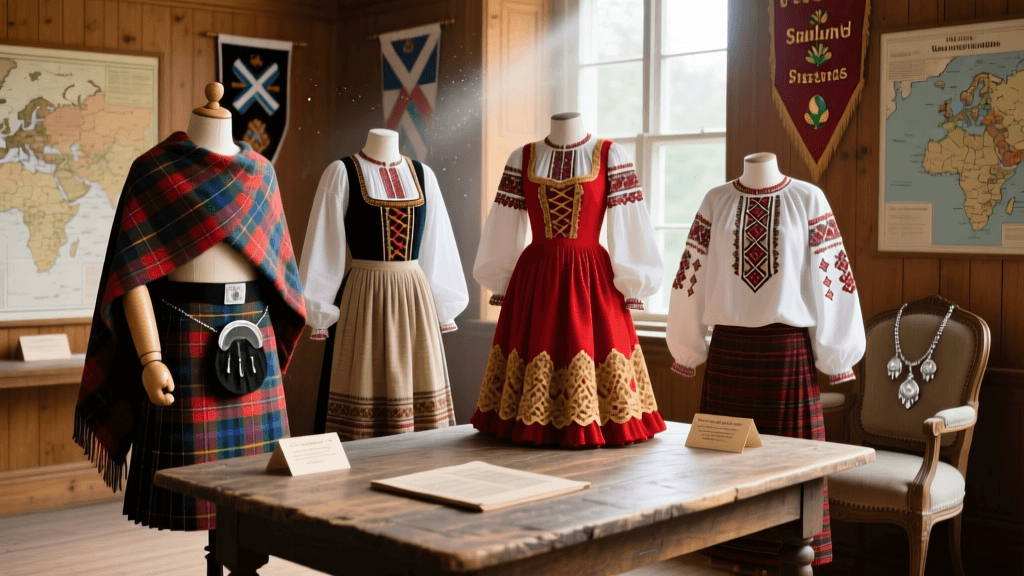
As we navigate the cultural landscape of 2026, the fascination with classical antiquity has transcended museum exhibits and academic journals, finding a vibrant new life in historical reenactments, university classics programs, and modern Hellenic and Roman revival communities. From the sun-drenched amphitheaters of modern Greece to immersive historical festivals across Europe and North America, the demand for authentic ancient garments has never been higher. Today's enthusiasts are no longer satisfied with flimsy, mass-produced costume shop polyester; they seek historical accuracy, proper drape, and period-correct textiles.
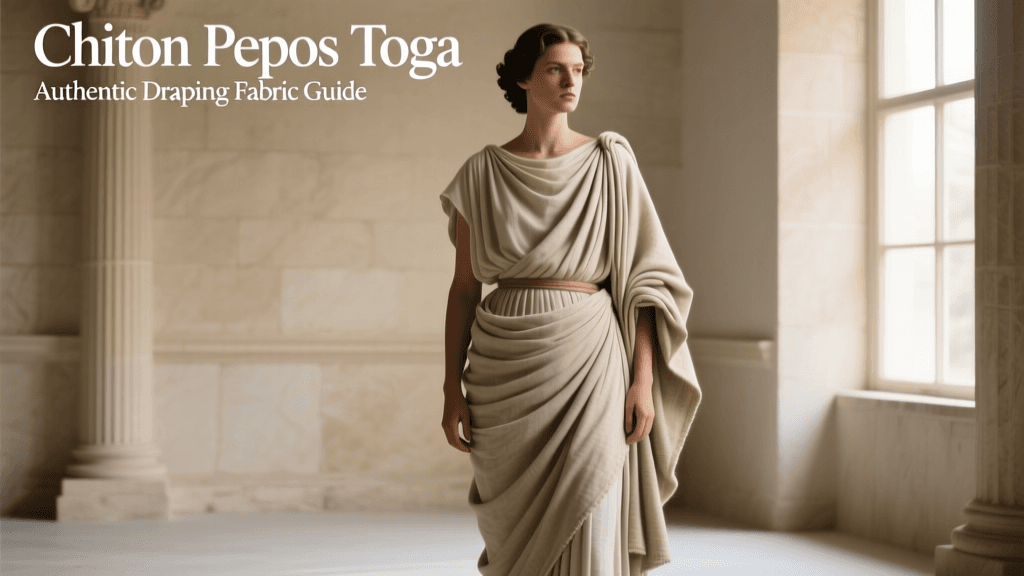
Understanding the foundational garments of ancient Greece and Rome—namely the chiton, the peplos, the stola, and the iconic toga—requires a deep appreciation for the art of draping. Unlike modern tailored clothing, which is cut and sewn to fit the body's exact contours, classical garments were primarily woven as complete rectangles or semicircles of fabric. The garment was created entirely through the act of wrapping, folding, and pinning the cloth directly onto the wearer. This guide will walk you through the anatomy of these garments, where to source historically accurate fabrics in 2026, and the precise techniques required to achieve a flawless classical drape.
Understanding the Core Garments of Antiquity
Before attempting to drape a classical garment, it is vital to understand the distinct types of clothing worn in the ancient Mediterranean. According to the Metropolitan Museum of Art's Heilbrunn Timeline of Art History, ancient Greek dress was fundamentally based on the draping of rectangular pieces of wool or linen, reflecting a society that valued the natural flow of fabric over rigid tailoring.
The Doric and Ionic Chiton
The chiton was the most ubiquitous garment in ancient Greece, worn by both men and women. It evolved into two primary styles:
- The Doric Chiton: Typically made from a single, large rectangle of heavyweight wool. It was folded over at the top to create an overfold (apoptygma), wrapped around the body, and pinned at the shoulders with brooches called fibulae. The sides were often left open or sewn only partially up, allowing for ease of movement.
- The Ionic Chiton: Constructed from much wider, lighter linen. Instead of a single shoulder pin, the top edge was gathered and pinned at multiple points along the arms, creating the illusion of fitted sleeves. This style was particularly popular in the warmer climates of the eastern Mediterranean and during the height of the Ionian influence.
The Peplos
The peplos was a distinctly female garment, characterized by its heavy woolen construction and deep, shoulder-to-waist overfold. As detailed by the World History Encyclopedia, the peplos was often associated with the goddess Athena and was considered a deeply traditional, almost ceremonial garment by the classical period. The heavy weight of the wool allowed the apoptygma to hang straight and structured, providing a striking, columnar silhouette that influenced classical Greek sculpture.
The Roman Toga and Stola
While the Greeks favored rectangular drapes, the Romans elevated the semicircular drape to an art form. The World History Encyclopedia's guide to Roman Dress emphasizes that the toga was not merely clothing; it was a powerful symbol of Roman citizenship, strictly reserved for freeborn male citizens. Woven from massive amounts of white wool, the toga required immense skill to drape correctly, featuring complex folds like the sinus (a deep pouch-like fold across the chest) and the umbo (a decorative knot of fabric at the center). Conversely, respectable Roman women wore the stola, a long, sleeveless tunic worn over a base tunica, often featuring an instita (a woven border) at the hem to signify modesty and social standing.
Sourcing Authentic Textiles in 2026
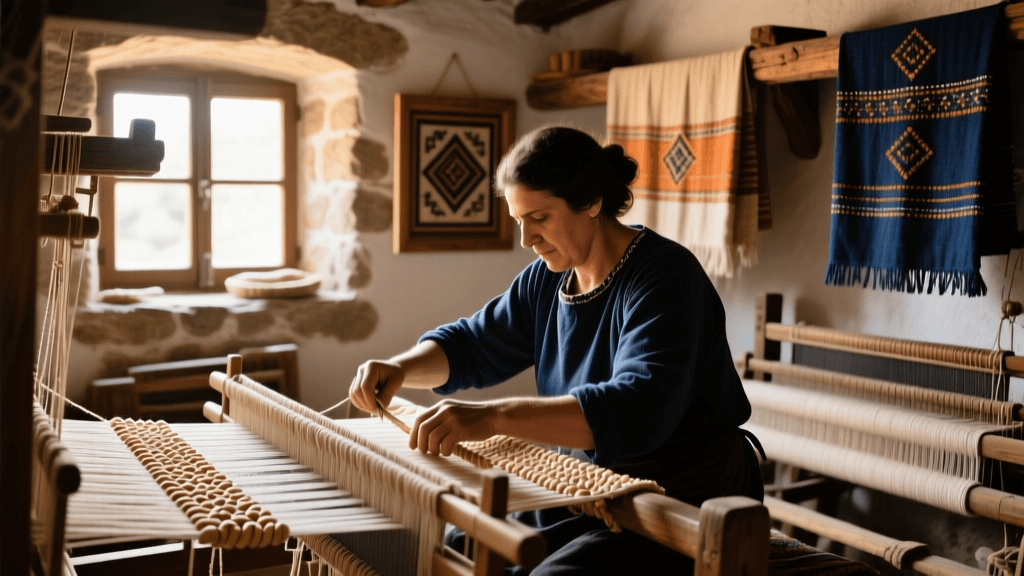
The success of any classical garment relies entirely on the fabric. A modern cotton bedsheet will cling, wrinkle improperly, and completely ruin the historical silhouette. In 2026, heritage textile mills in Belgium, Ireland, and the United Kingdom have seen a massive resurgence in demand for historically accurate, shuttle-loom woven fabrics. When sourcing materials, you must prioritize natural fibers: wool for Doric garments and the toga, and linen for Ionic chitons and summer wear.
| Fabric Type | Historical Equivalent | Weight & Drape | Best Used For | 2026 Est. Cost (per yard) |
|---|---|---|---|---|
| Heavyweight Melton Wool | Doric Wool | 18-22 oz, stiff, structural drape | Peplos, Doric Chiton, Toga | $45 - $65 |
| Medium Worsted Wool | Classical Tunic Wool | 10-14 oz, fluid but warm | Men's Chiton, Base Tunica | $35 - $50 |
| Wet-Spun Irish Linen | Ionic Linen | 5-7 oz, highly fluid, crisp folds | Ionic Chiton, Summer Stola | $28 - $40 |
| Raw Silk Noil | Luxury Elite Silk | 4-6 oz, matte finish, excellent drape | Elite Hellenistic garments | $55 - $75 |
Pro Tip for 2026 Buyers: Avoid synthetic blends at all costs. Polyester and rayon do not hold the sharp, structural folds required for a Roman umbo or a Greek apoptygma. Look for mills that advertise 'shuttle-loom' or 'heritage weave' finishes, as these provide the slight texture necessary for the fabric layers to grip one another when draped.
Mastering the Art of the Drape: Step-by-Step Guides
Draping is a tactile skill that requires patience and a full-length mirror. It is highly recommended to practice with a partner, especially when attempting the more complex Roman folds.
Draping the Doric Chiton
- Preparation: Lay your rectangular wool fabric flat. The width should be roughly twice the distance from your elbow to your other elbow when your arms are outstretched. The height should be your full height plus 12 inches for the overfold and blousing.
- The Overfold: Fold the top edge down by about 12 to 18 inches. This creates the apoptygma, which will hang over your chest and back.
- Wrapping: Wrap the fabric around your body so that the open edges fall on your left side. The fold of the overfold should be on the outside.
- Pinning: Gather the front and back layers at your right shoulder and pin them together using a sturdy, historically accurate bronze or brass fibula. Repeat on the left shoulder, leaving enough space in the center for your head to pass through.
- Belting (The Kolpos):strong> Tie a woven wool cord or leather belt around your waist over the fabric. Pull the top layer of the chiton up and over the belt, allowing it to blouse out. This hides the belt, creates a beautiful draped pouch (the kolpos), and adjusts the hemline to your desired length.
Draping the Roman Toga (The Sinus and Umbo)
The toga of the late Republic and early Empire was a massive semicircle of wool, often measuring up to 18 feet along the curved edge. Draping it alone is nearly impossible; enlist a helper.
- The Initial Drape: Drape one end of the toga over your left shoulder, allowing the hem to fall to your ankles in front. The curved edge should follow the contour of your back.
- Wrapping the Back: Bring the fabric across your back, under your right arm, and across your chest.
- Creating the Sinus: Pull the fabric taut across your torso, then allow a deep, sweeping fold (the sinus) to drop down toward your right knee. This fold was historically used as a pouch to carry small items.
- The Final Throw: Throw the remaining fabric over your left shoulder. The fabric should cascade down your back, reaching the ground.
- Forming the Umbo: Take a small section of the fabric from the front drape and pull it up and over the shoulder throw, creating a decorative, knotted-looking cluster of fabric at the center of your chest. This is the umbo, and it acts as a counterweight to keep the toga secure.
Essential Accessories: Fibulae, Belts, and Footwear
No classical garment is complete without the proper accessories. In 2026, artisan metalworkers specializing in historical jewelry have made it easier than ever to acquire museum-quality replicas. Fibulae (brooches) are not merely decorative; they are structural necessities for the chiton and peplos. Invest in solid cast bronze penannular or bow fibulae with secure, functional pins. Avoid cheap, pot-metal costume jewelry, as the pins will bend under the weight of heavy wool.
For footwear, abandon modern sandals. The Greeks wore krepides, sturdy leather sandals with complex crisscross lacing that reached up the calf, while Roman citizens favored calcei (enclosed leather shoes) when in the city, and caligae (hobnailed military boots) or simple soleae (slippers) in domestic settings. Many specialized historical leatherworkers on platforms like Etsy and dedicated reenactment guilds now offer custom-measured, hand-stitched caligae and krepides that conform to modern orthopedic needs while maintaining strict historical accuracy.
Caring for Your Classical Wardrobe
Maintaining historically accurate textiles requires specific care. Heavyweight wools used for togas and peplos should rarely be washed; instead, rely on the natural lanolin in the wool to repel dirt and odors. Air your garments out in the shade and use a stiff-bristled clothes brush to remove dust. If washing is absolutely necessary, hand-wash in cool water with a specialized wool wash, and never wring the fabric, as this will destroy the drape and cause severe felting.
Linen chitons can be machine washed on gentle cycles, but they must be removed while slightly damp and ironed with heavy steam to restore the crisp, sharp lines required for Ionic draping. By investing in the right fabrics and mastering the ancient art of the drape, you can step into 2026's historical revival movements with unparalleled authenticity, wearing garments that truly honor the ingenuity and aesthetic brilliance of the classical world.