Top Online Marketplaces for Custom Qipao Shopping 2026
The Renaissance of Bespoke Qipao in 2026
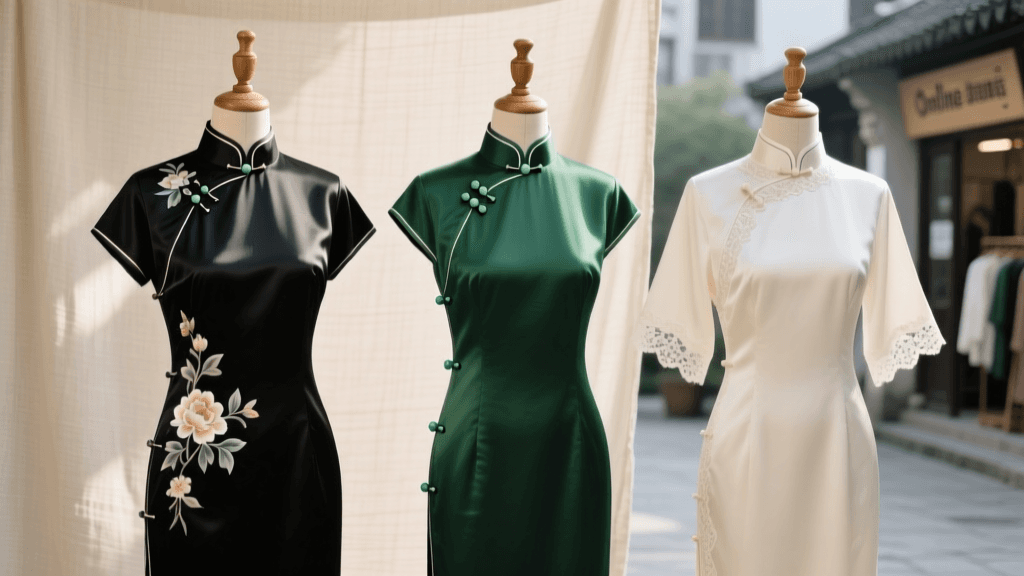
The qipao, widely known in the West as the cheongsam, has transcended its mid-century origins to become a global symbol of elegant, structured tailoring. In 2026, the demand for authentic, custom-tailored qipao has surged, driven by a renewed global appreciation for heritage garments, sustainable slow fashion, and the preservation of traditional Asian textile arts. However, navigating the digital landscape to find genuine artisans—rather than mass-produced, synthetic costume replicas—requires a strategic approach. As cross-border e-commerce logistics have matured in 2026, international buyers now have unprecedented access to master tailors in Shanghai, Guangzhou, and independent diaspora studios worldwide.
According to the Victoria and Albert Museum, the cheongsam evolved significantly through the 1920s and 1930s, blending traditional Manchu silhouettes with Western darting and tailoring techniques to create the form-fitting, iconic garment recognized today. When shopping online in 2026, understanding this historical distinction between traditional flat-pattern cutting (which drapes naturally and requires precise fabric manipulation) and modern Western darting is crucial for communicating your desired fit to an online tailor.
Platform Comparison: Where to Source Authentic Qipao
Choosing the right marketplace depends on your budget, your willingness to navigate foreign interfaces, and your need for direct artisan communication. Below is a comparative analysis of the top online platforms for sourcing custom qipao in 2026.
| Platform | Price Range (USD) | Customization Level | Lead Time | Authenticity & Quality Risk |
|---|---|---|---|---|
| Taobao (via Agents) | $120 - $350 | Extremely High (Full Bespoke) | 15 - 25 Days | Medium (Requires keyword vetting) |
| Etsy (Indie Studios) | $350 - $850 | High (Made-to-Measure) | 30 - 45 Days | Low (Direct maker communication) |
| Specialized D2C Boutiques | $500 - $1,500+ | High (Curated Collections) | 20 - 40 Days | Very Low (Established heritage brands) |
Mastering Taobao for Heritage Tailoring
Taobao remains the undisputed king of sourcing authentic, affordable, and highly customized traditional garments. In 2026, while the platform's interface has integrated more AI-driven translation tools, finding true heritage tailors still requires specific Chinese search terminology. Many mass-market factories use the word 'qipao' loosely; to find ateliers that practice traditional craftsmanship, you must refine your search.
- 旗袍定制 (Qípáo dìngzhì): Custom-tailored qipao. This filters out ready-to-wear factory stock.
- 桑蚕丝 (Sāngcánsī): Mulberry silk. Essential for ensuring you are getting genuine silk rather than synthetic polyester blends.
- 传统平裁 (Chuántǒng píngcái): Traditional flat cutting. This is the holy grail for purists. Flat-cutting avoids Western bust and waist darts, relying instead on the drape of the silk and strategic seam placements to contour the body, offering superior comfort and historical accuracy.
- 香云纱 (Xiāngyúnshā): Gambiered Guangdong gauze. A highly prized, mud-dyed silk that is exceptionally durable, water-resistant, and develops a beautiful patina over time.
When ordering from Taobao in 2026, utilize reputable parcel forwarding and shopping agent services to handle quality control (QC). Request that your agent take detailed macro-photos of the pankou (the traditional knotted frog closures). Handmade pankou should show tight, uniform wrapping with no visible glue or fraying, a hallmark of a skilled artisan.
Sourcing on Etsy and Global Indie Studios
For buyers who prefer English-language communication and consumer protection guarantees, Etsy hosts a growing number of diaspora tailors and independent heritage studios. The challenge on Etsy is filtering out dropshippers who sell machine-made, poorly fitted garments disguised as 'vintage' or 'handmade'.
To verify an authentic maker on Etsy in 2026, look for process documentation. Genuine artisans will post behind-the-scenes content showing their flat-pattern drafting, the hand-stitching of the silk lining, and the meticulous creation of the pankou knots. Furthermore, authentic studios will require a comprehensive measurement form rather than a simple 'Small/Medium/Large' dropdown. Expect to pay a premium for Western-based indie studios, as you are paying for localized customer service, ethical labor practices, and the convenience of domestic or simplified international shipping.
Fabric Selection: Silk Weights and Heritage Textiles
The foundation of a premium qipao is its textile. The Metropolitan Museum of Art notes that Chinese silk craftsmanship has been the cornerstone of global textile trade for millennia, and understanding silk weights is vital for online shopping. Silk weight is measured in 'momme' (mm). For a structured qipao that drapes beautifully without being overly heavy or too sheer, look for silk crepe de chine or silk brocade in the 19mm to 30mm range. Anything below 16mm will be too flimsy and prone to tearing at the stress points of the side slits.
For the ultimate luxury investment, seek out Xiangyunsha. Recognized by the UNESCO Intangible Cultural Heritage lists as a vital traditional craftsmanship, this fabric is dyed using the juice of the薯莨 (Dioscorea cirrhosa) plant and coated with iron-rich river mud. It is a living fabric that breathes exceptionally well in humid climates and commands a higher price point, typically starting around $250 USD just for the raw textile before tailoring fees are applied.
The Ultimate Measurement Guide for Bespoke Qipao
Unlike Western garments that can accommodate slight measurement variances through stretch fabrics or forgiving darts, a traditional silk qipao has zero stretch. Precision is non-negotiable. When submitting your measurements to an online tailor in 2026, provide the following data points, ideally measured by a professional tailor over the undergarments you intend to wear with the qipao:
- Bust, Waist, and Hips: Measure the fullest parts. Do not pull the tape tight; the tailor needs the exact circumference to add the necessary 'ease' for breathing and sitting.
- Shoulder Width: From the edge of one shoulder bone to the other across the back.
- Hollow to Hem: From the hollow at the base of your neck down to your desired hemline. For a classic 1930s silhouette, the hem should fall just below the mid-calf.
- Armhole Depth: Crucial for mobility. A poorly measured armhole will cause the entire garment to pull upward when you raise your arms.
- Slit Height: Measure from your waistline down the side of your leg to where you want the side slit to begin. Traditional slits typically end just above the knee to maintain modesty while allowing for movement.
Navigating Logistics and Final Fittings
As of 2026, cross-border shipping for bespoke garments has become highly streamlined. Most reputable Taobao ateliers and indie Etsy sellers utilize DHL Express or specialized EMS lines, ensuring your garment arrives in 7 to 12 days. Always request that the qipao be shipped rolled rather than folded. Heavyweight silks and brocades can develop stubborn, permanent creases if left folded in a vacuum-sealed bag during international transit.
Finally, leave a generous seam allowance. Many traditional tailors will intentionally leave extra fabric hidden inside the side seams. This is a hallmark of true bespoke tailoring, allowing the garment to be let out or taken in by a local alterations specialist in the future, ensuring your investment in Asian heritage fashion lasts a lifetime.