Japanese Jibata Looms & Hand-Weaving Techniques Guide 2026
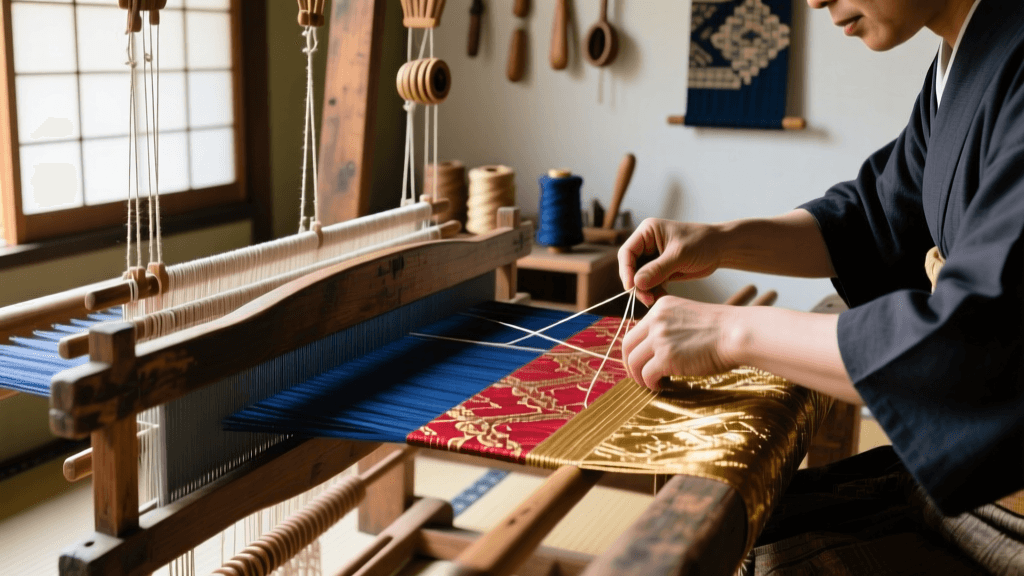
The Resurgence of the Jibata Loom in 2026
The rhythmic clack of the wooden batten against the warp threads is a sound that has echoed through Japanese weaving studios for centuries. In 2026, the global slow-fashion movement and a renewed appreciation for intangible cultural heritage have sparked a massive resurgence in traditional Japanese hand-weaving. At the heart of this revival is the jibata (traditional floor loom), a masterclass in ergonomic woodworking and textile engineering. Whether you are a textile historian, a contemporary fashion designer, or an artisan looking to integrate heritage techniques into modern studios, understanding the mechanics and cultural weight of Japanese hand-weaving methods is essential.
Unlike the rigid, cast-iron industrial looms of the West, the Japanese jibata is typically constructed from flexible, polished woods like Zelkova (keyaki) and Japanese Cypress (hinoki). This flexibility is not an accident; it allows the loom to absorb the kinetic energy of the weaver, creating a symbiotic relationship between artisan and machine. Today, master weavers in Kyoto and Amami Oshima are blending these ancestral tools with 2026's climate-control technologies to preserve fragile silk threads, ensuring that the legacy of Japanese textiles continues to thrive.
Anatomy of the Traditional Japanese Floor Loom
To appreciate the hand-weaving methods of Japan, one must first understand the architecture of the jibata. While Western floor looms often rely on heavy overhead structures, the jibata is remarkably low to the ground, requiring the weaver to sit on a specialized cushion or low bench. This posture allows for precise control over the warp tension using the weaver's own body weight.
Key Components of the Jibata
- Warp Beam (Chikiri): The cylindrical beam at the back of the loom that holds the un-woven warp threads. In 2026, many restored antique looms feature reinforced steel cores hidden within traditional wooden exteriors to handle the high tension of modern metallic threads.
- Heddles (Soukou): The eyes through which individual warp threads are passed. Traditional Japanese heddles are often hand-tied from silk or hemp cord, reducing friction and preventing the delicate warp threads from snapping.
- Reed (Osa): A comb-like structure made from bamboo or metal that beats the weft thread into place. The density of the reed dictates the fabric's final thread count.
- Shuttle (Hi): The boat-shaped tool that carries the weft thread. Artisans practicing Nishijin-ori often use elongated, aerodynamically carved wooden shuttles that glide effortlessly across wide brocade warps.
- Treadles (Ashibumi): The foot pedals that raise and lower the harnesses. The jibata usually employs a counter-march tie-up system, allowing for complex multi-shed patterns essential for traditional kimono fabrics.
Mastering the Weave: Nishijin-Ori vs. Oshima Tsumugi
Japanese hand-weaving is not a monolith; it varies drastically by region, material, and intended use. In 2026, the market for authentic, hand-woven Japanese textiles is dominated by three major heritage styles, each requiring distinct loom setups and weaving methodologies. According to the Kogei Japan Nishijin-ori Archive, the intricate brocades of Kyoto require looms equipped with Jacquard-like mechanisms, whereas the rustic elegance of Amami Oshima relies on meticulous hand-tying and mud-dyeing techniques before the weaving even begins.
Comparative Analysis of Heritage Weaving Methods
| Textile Style | Primary Region | Loom Type & Setup | Material & Thread | 2026 Avg. Price (Per Tan/Bolt) |
|---|---|---|---|---|
| Nishijin-Ori | Kyoto | Heavy-duty Jibata with Jacquard attachment | Degummed silk, gold/silver leaf threads | ¥450,000 - ¥1,200,000+ |
| Oshima Tsumugi | Amami Oshima | Standard Jibata (tight tension) | Hand-spun pongee silk, mud-dyed | ¥350,000 - ¥800,000 |
| Yuki Tsumugi | Ibaraki/Tochigi | Jibata (back-strap tension variation) | Hand-spun silk floss (no twist) | ¥500,000 - ¥1,500,000 |
Note: A standard 'Tan' (bolt) measures approximately 38cm in width and 12 meters in length, enough for one full kimono.
Setting Up Your Jibata: Practical Steps for 2026
For contemporary artisans and dedicated hobbyists setting up a jibata in 2026, environmental control is just as critical as the loom itself. Silk is a hygroscopic protein fiber; it absorbs and releases moisture based on the surrounding environment. If the air is too dry, the warp threads become brittle and snap under the tension of the heddles. If it is too humid, the threads stick together, ruining the shed.
Climate and Tension Management
Modern weaving studios in Kyoto now integrate smart IoT hygrometers directly into the loom's wooden frame. For a home studio, you must maintain a strict ambient humidity level between 60% and 65% at a temperature of 20°C to 22°C (68°F - 72°F).
- Warping the Beam: Use a traditional warping mill (seikei-dai) to measure the warp. For kimono silk, a standard warp requires between 800 to 1,200 individual ends depending on the reed density.
- Sizing the Threads: Apply a natural rice starch or synthetic 2026-equivalent bio-sizing to the warp threads to reduce friction. This is a crucial step often skipped by Western weavers but mandatory for Japanese pongee silks.
- Threading the Heddles: Follow the specific draft pattern. For Oshima Tsumugi, the cross-patterns (kasuri) must align perfectly. A single misaligned heddle will blur the iconic geometric motifs.
- Tensioning with Omori: Traditional weavers use omori (weighted bags of sand or lead) hung from the warp beam to maintain constant tension as the fabric is wound onto the cloth beam. In 2026, many weavers use calibrated spring-tension systems hidden beneath the loom for micro-adjustments without leaving the bench.
Sourcing Looms and Materials in the Modern Market
Acquiring an authentic jibata in 2026 requires navigating a niche market. New, custom-built Zelkova looms commissioned from master woodworkers in Nara or Kyoto can cost upwards of ¥1,500,000 ($10,000 USD) and have a waiting list of up to two years. However, the secondary market is thriving. Due to the aging population of rural weavers, many antique looms are being decommissioned.
Specialized antique textile dealers in Kyoto's Nishijin district and online heritage auctions offer restored jibata for between ¥150,000 and ¥450,000. When purchasing a vintage loom, inspect the chikiri (warp beam) for woodworm damage and ensure the soukou (heddle frames) are not warped. Sourcing authentic silk threads is equally specific; the Oshima Tsumugi Traditional Craft Guide recommends purchasing directly from certified cooperatives in Kagoshima Prefecture to guarantee the authenticity of the mud-dyed pongee silk, which costs approximately ¥25,000 per 100 grams in 2026.
Preservation Efforts and the Future of Hand-Weaving
The survival of Japanese hand-weaving methods hinges on the transmission of knowledge. In 2026, the Japanese government, alongside UNESCO, has heavily subsidized apprenticeship programs. The Yuki Tsumugi Heritage Database highlights how the painstaking process of hand-spinning silk floss—where artisans stretch silk cocoons over their fingers to create a continuous, untwisted thread—is being preserved through immersive, multi-year apprenticeships funded by the Ministry of Economy, Trade and Industry (METI).
Furthermore, international fashion houses are increasingly collaborating with Japanese weaving cooperatives. By integrating Nishijin-ori brocades and Tsumugi textiles into contemporary haute couture, these partnerships provide the financial lifeblood necessary to keep the jibata looms clacking. For the modern weaver, studying these Japanese methods offers more than just technical skill; it provides a profound connection to a philosophy where time, nature, and human touch are inextricably woven into every single thread.