Best Online Marketplaces for Authentic Custom Hanbok in 2026
The 2026 Landscape of Online Hanbok Marketplaces
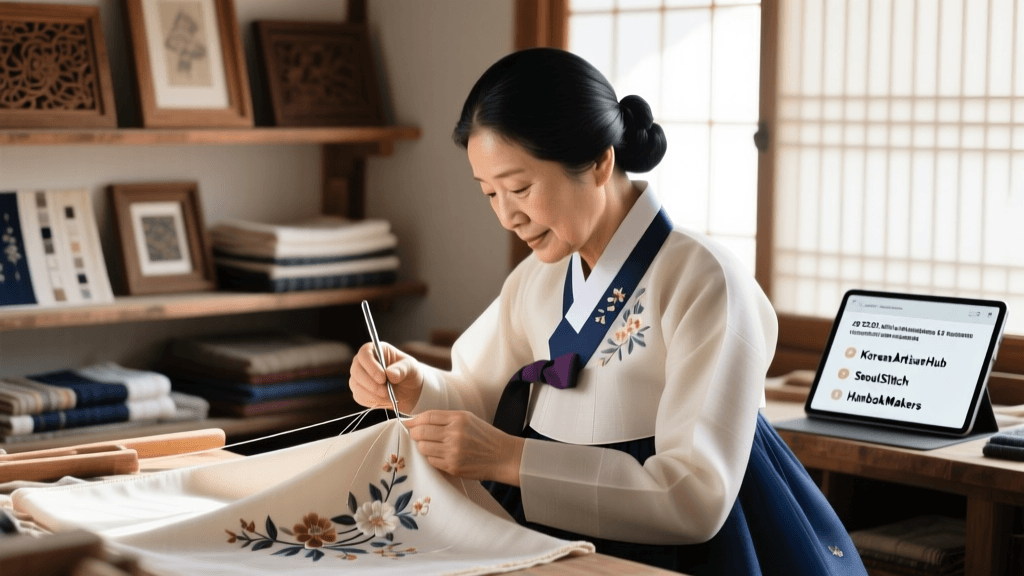
As we navigate the global fashion landscape of 2026, the appreciation for traditional Asian garments has reached unprecedented heights. The Korean Hanbok, with its elegant silhouettes and vibrant color palettes, has transitioned from a purely ceremonial garment to a highly sought-after piece of wearable cultural heritage. However, the surge in global demand has also flooded international e-commerce sites with mass-produced, polyester "costume" versions that lack the structural integrity and historical accuracy of authentic Hanbok. For serious collectors, cultural practitioners, and fashion enthusiasts, knowing where to source genuine, custom-tailored Hanbok online is essential.
In 2026, the most reliable avenues for acquiring authentic Hanbok are no longer generic mega-retailers, but rather specialized Korean artisan platforms, vetted global marketplaces, and direct-to-consumer heritage studios. According to the Korea Craft & Design Foundation, there has been a significant push to digitize and globalize domestic artisan networks, allowing international buyers to commission bespoke pieces directly from masters in Seoul, Jeonju, and Busan. This guide will walk you through the best online marketplaces for authentic Hanbok, how to distinguish heritage textiles from fast-fashion imitations, and exactly how to measure yourself for a custom commission.
Spotting Authenticity: Heritage Textiles vs. Fast-Fashion Costumes
Before adding an item to your cart on any marketplace, you must understand the material and structural hallmarks of authentic Hanbok. The traditional Korean silhouette relies heavily on the quality of the fabric and the precision of the cut, rather than darts or modern tailoring seams.
Fabric Composition and Weave
Authentic Hanbok is traditionally crafted from natural fibers. For everyday or lightweight wear, myeon-ju (high-quality Korean cotton) and ramie are preferred due to their breathability and crisp drape. For formal and ceremonial wear, silk variants such as eunjo (silk with subtle woven patterns) and gap-sa (a lightweight, sheer silk) are the standard. In 2026, reputable online sellers will explicitly list the fabric origin and composition. If a listing simply says "satin" or "polyester blend" without mentioning specific traditional weaves, you are likely looking at a theatrical costume.
The Dongjeong and Goreum
Two critical structural elements define a genuine jeogori (the upper garment). First is the dongjeong, the stiff, white, detachable collar that frames the face. In authentic Hanbok, this is made from starched cotton or specialized paper inserts to maintain a sharp, clean line. Costumes often sew flimsy white ribbon directly onto the collar. Second is the goreum, the long, sweeping ties used to fasten the jacket. Authentic goreum are cut on the bias or straight grain with precise width-to-length ratios (typically 2-3 cm wide and over 70 cm long for modern traditional styles) and require a specific knotting technique. Mass-produced versions frequently substitute these with hidden snaps, hooks, or excessively short, narrow ribbons.
"The beauty of the Hanbok lies in its relationship with the body and the air. The fabric must hold the wind, creating a three-dimensional bell shape that moves with the wearer. Synthetic, mass-market fabrics simply collapse under their own weight." — Master Artisan Interview, National Museum of Korea Heritage Textile Archive.
How to Measure for Custom Online Tailoring
One of the greatest advantages of shopping on specialized 2026 platforms is the ability to commission custom-fitted garments. Traditional Hanbok does not use Western sizing (S, M, L). Instead, it relies on precise bodily measurements to ensure the chima (skirt) sits at the correct height and the jeogori allows for proper arm movement. When ordering online, you will need a soft measuring tape and, ideally, a friend to help you.
| Measurement Point | How to Measure | Garment Impact |
|---|---|---|
| Chest (Bust) | Measure around the fullest part of the chest, keeping the tape level. | Determines the width of the jeogori to ensure the front panels overlap correctly without gaping. |
| Underbust (High Waist) | Measure directly under the bust line where the chima band will sit. | Crucial for the chima waistband. Traditional skirts sit much higher than Western skirts. |
| Arm Length | Measure from the base of the neck, over the shoulder, down to the wrist bone. | Determines sleeve length. Traditional sleeves often extend slightly past the wrist for elegance. |
| Jeogori Length | Measure from the base of the back neck down to the desired hemline (usually just below the bust). | Ensures the jacket is not too long, which ruins the traditional high-waisted proportion. |
| Chima Length | Measure from the underbust down to the ankle bone. | Determines the skirt length. It should graze the top of the foot without dragging on the floor. |
Top 3 Online Avenues for Sourcing Authentic Hanbok in 2026
Navigating the internet for traditional garments requires knowing which platforms prioritize heritage over mass production. Here are the top three avenues for buyers in 2026.
1. Idus (Korean Domestic Artisan Platform)
Idus is South Korea's premier marketplace for independent artisans and craftsmen. While primarily designed for the domestic market, international buyers in 2026 can easily access it using global proxy buying services (like Delivered Korea or Buyee). Idus is the best place to find authentic myeon-ju Hanbok, hand-embroidered goreum, and natural dyeing techniques like jjok (indigo). Because you are dealing directly with small studios, custom measurements are standard, and prices are often 30-40% lower than international boutique markups.
2. Etsy (Vetted Heritage Studios)
Etsy remains a highly viable option for international buyers, provided you know how to filter out the drop-shippers. In 2026, look for studios based in Seoul or Jeonju with extensive photo reviews showing the inside seams and collar construction. Search for specific terms like "Myeon-ju Hanbok," "Traditional Jeogori," or "Custom Chima." Avoid listings that use words like "Cosplay," "Halloween," or "Performance Wear." Reputable Etsy sellers will offer a consultation via message to review your measurements before cutting the fabric.
3. Direct-to-Consumer Heritage Brands
Several established Korean heritage brands have upgraded their international e-commerce infrastructure in 2026, offering seamless global shipping and English-language measurement guides. Brands like Sonjjang Hanbok and Hwaon offer a blend of strict traditional construction with slightly modernized, wearable color palettes. While more expensive than proxy shopping on Idus, buying direct provides robust customer service, easy returns, and guaranteed authenticity. The Korea Tourism Organization frequently highlights these heritage brands as certified cultural ambassadors.
Pricing, Shipping, and Customs Expectations
Understanding the financial and logistical realities of importing traditional garments is crucial for a smooth shopping experience.
- Pricing Tiers: A mass-produced polyester costume will cost between $40 and $80. An authentic, custom-tailored myeon-ju (cotton) Hanbok set typically ranges from $180 to $350. Premium silk sets with hand-embroidered motifs start at $500 and can exceed $1,500 for ceremonial wedding grades (hwarot or wonsam).
- Production Time: Authentic Hanbok is made-to-order. Expect a production time of 2 to 4 weeks. If the artisan is utilizing traditional natural dyeing methods, this can extend to 6 weeks depending on the weather and drying conditions.
- Shipping: Most Korean artisans ship via EMS (Express Mail Service) or DHL. EMS is generally more cost-effective and takes 7 to 14 days to reach North America or Europe. DHL is faster (3 to 5 days) but more expensive.
- Customs and Duties: As of 2026, many countries have lowered the de minimis threshold for textile imports. Be prepared to pay local VAT or import duties upon arrival, which are rarely included in the checkout price on domestic Korean platforms.
Care and Maintenance of Your Online Purchase
Once your authentic Hanbok arrives, proper care is essential to preserve the natural fibers. Never machine wash authentic silk or heavily starched cotton. Spot clean minor stains with a damp cloth and mild detergent. For a full clean, take the garment to a dry cleaner who has explicit experience with traditional Asian garments, as standard chemical solvents can strip the natural dyes and ruin the stiffness of the dongjeong. Store your Hanbok folded in the provided acid-free tissue paper inside a breathable cotton garment bag, away from direct sunlight to prevent the vibrant natural dyes from fading.
Conclusion
Sourcing an authentic Hanbok online in 2026 is a deeply rewarding process that connects you directly with the living heritage of Korean textile arts. By bypassing fast-fashion costume retailers and utilizing specialized artisan platforms, vetted global marketplaces, and direct heritage studios, you invest in a garment that honors traditional construction and supports independent craftspeople. Take the time to measure accurately, understand the fabrics, and communicate with your tailor, and you will receive a breathtaking piece of wearable history that transcends fleeting fashion trends.