Best Hanfu Education Workshops & Certifications 2026
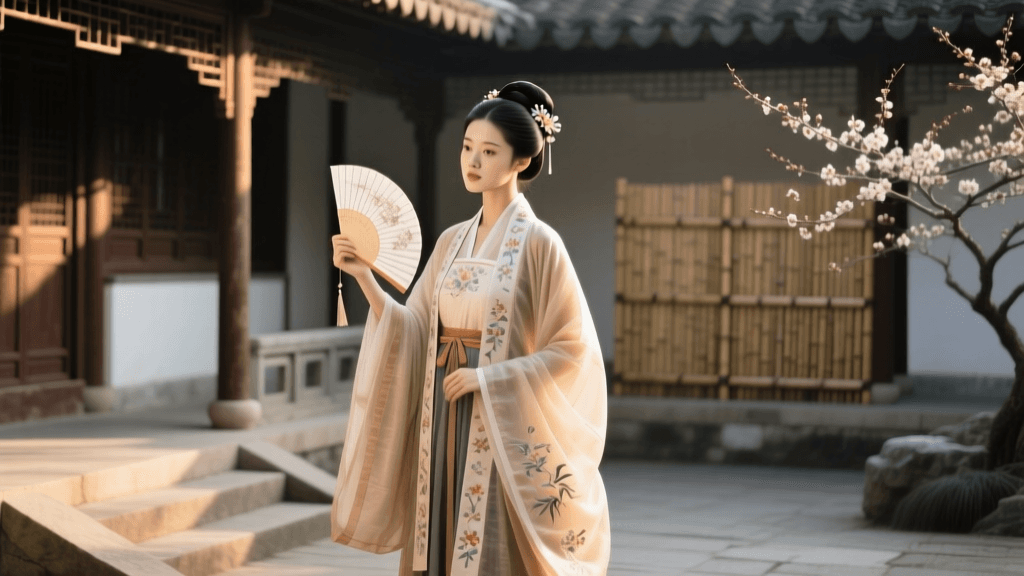
As we navigate through 2026, the global appreciation for traditional Asian garments has transitioned from a niche historical interest into a robust, professionalized industry. The Hanfu movement, which celebrates the traditional clothing of the Han Chinese, is no longer just about wearing beautiful garments for social media; it is about historical accuracy, cultural preservation, and professional artistry. Consequently, Hanfu education workshops and certification programs have surged in both prestige and demand. Whether you are an aspiring costume designer, a cultural heritage educator, or a dedicated enthusiast seeking mastery, obtaining a formal certification in Hanfu styling and historical dressmaking is a vital step in 2026.
The Evolution of Hanfu Education in 2026
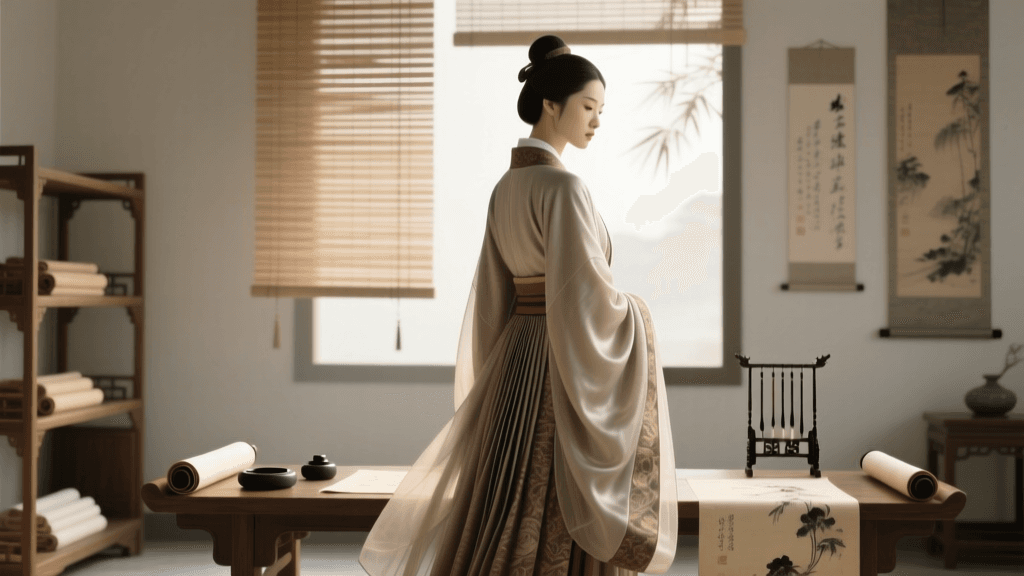
In the early days of the Hanfu revival, knowledge was primarily shared through informal online forums and self-taught experimentation. Today, the landscape has completely transformed. Leading academic institutions and cultural heritage organizations now offer rigorous, standardized curricula. This professionalization ensures that the intricate details of dynastic fashion—from the structural pleating of the Ming dynasty mamianqun (horse-face skirt) to the delicate silk gauze weaving of the Song dynasty—are preserved with academic rigor. Institutions like the Beijing Institute of Clothing Technology have expanded their continuing education departments to meet the 2026 demand for certified Hanfu stylists, historians, and textile conservators.
Premier Certification Programs for 2026
Choosing the right program depends on your career goals, budget, and geographic flexibility. Below are the most highly regarded Hanfu certification pathways available this year.
1. BIFT Professional Hanfu Styling & History Certificate
Offered by one of China's premier fashion universities, this 12-week intensive program is the gold standard for industry professionals. The 2026 curriculum has been updated to include modules on 3D virtual draping and digital archiving, alongside traditional hands-on textile handling. Students learn to identify and authenticate historical replicas, master the complex layering systems of the Tang and Ming dynasties, and understand the socio-political context of sumptuary laws. Graduates receive a university-backed certificate that is highly sought after by film production houses and museum curation teams.
2. Hangzhou Silk & Draping Masterclass
Located in the heart of China's historic silk production region, this 4-week masterclass focuses heavily on material science and traditional garment construction. In 2026, the program places a special emphasis on sustainable heritage textiles, such as Xiangyunsha (gambiered Guangdong silk) and Song brocade. Participants spend half their time in the workshop learning traditional flat-pattern cutting and natural dyeing techniques. This certification is ideal for bespoke tailors and independent designers looking to integrate authentic Hanfu construction techniques into their modern practices.
3. Global Virtual Hanfu Heritage Workshops
For international educators and diaspora community leaders, the Global Virtual Hanfu Heritage certification offers a comprehensive, fully online pathway. Recognized by international cultural exchange boards, this 8-week virtual program covers the pedagogy of teaching Hanfu history, organizing community dressing events, and basic garment maintenance. The 2026 syllabus includes a new module on cross-cultural fashion diplomacy, making it an excellent credential for those working in international arts organizations. This aligns with broader preservation goals outlined in frameworks like UNESCO's Intangible Cultural Heritage initiatives, which emphasize the transmission of traditional knowledge across borders.
Curriculum Breakdown: What You Will Learn
While specific modules vary by institution, a comprehensive 2026 Hanfu certification program will universally cover the following core competencies:
- Dynastic Typology: Deep dives into the silhouettes, collar variations (e.g., jiaoling youren), and sleeve shapes specific to the Han, Tang, Song, and Ming dynasties.
- Textile Science & Conservation: Understanding the drape, weight, and care requirements of traditional silks, hemps, and ramie. This includes climate-controlled storage and ethical cleaning methods.
- Authentic Draping & Pleating: Mastering the precise folding techniques required for garments like the mamianqun and the qixiong ruqun (chest-high skirt), ensuring historical accuracy in movement and structure.
- Etiquette & Ritual Context: Learning the specific garments designated for coming-of-age ceremonies (Guanli and Jili), weddings, and ancestral rites, including the correct color symbolism and accessory pairings.
- Accessory Integration: Sourcing and styling historically accurate hairpins, jade pendants, and woven belts to complete a period-correct ensemble.
2026 Program Comparison Chart
| Program Name | Location / Format | Duration | 2026 Tuition | Best For |
|---|---|---|---|---|
| BIFT Professional Certificate | Beijing, China (In-Person) | 12 Weeks | ¥18,500 RMB | Film/TV Costume Designers, Museum Curators |
| Hangzhou Silk Masterclass | Hangzhou, China (In-Person) | 4 Weeks | ¥12,000 RMB | Bespoke Tailors, Textile Conservators |
| Global Virtual Heritage | Online (Asynchronous + Live) | 8 Weeks | $850 USD | Educators, Cultural Ambassadors, Stylists |
| Suzhou Embroidery & Trim | Suzhou, China (Hybrid) | 6 Weeks | ¥14,200 RMB | Artisans, Embellishment Specialists |
Career Opportunities for Certified Practitioners
Holding a recognized Hanfu certification in 2026 opens doors to a variety of lucrative and culturally significant career paths. The entertainment industry is a major employer; historical drama productions now mandate certified Hanfu consultants to avoid anachronisms and public backlash regarding historical inaccuracies. Furthermore, the booming cultural tourism sector in China and across East Asia actively recruits certified stylists to manage immersive historical experiences, high-end heritage hotel wardrobes, and interactive museum exhibitions.
Beyond entertainment and tourism, certified Hanfu educators are increasingly employed by international museums and cultural centers. Institutions such as the Victoria and Albert Museum frequently collaborate with certified experts to design educational workshops, ensuring that the presentation of Asian dress is both respectful and historically grounded. Additionally, the niche market for authentic, historically accurate Hanfu weddings has created a high demand for specialized bridal stylists who understand the complex layering and ritual significance of traditional matrimonial garments.
How to Choose the Right Program
When selecting a workshop or certification program in 2026, prioritize institutions that offer direct access to historical artifacts or high-fidelity replicas. Programs that partner with local museums or university archives provide an unparalleled tactile learning experience that cannot be replicated through textbooks alone. Additionally, verify the credentials of the lead instructors; the most reputable programs are taught by a combination of academic historians and master artisans who have inherited traditional tailoring techniques. Finally, consider the alumni network. A strong, active alumni association can provide invaluable mentorship, job placements, and sourcing connections for rare heritage textiles.
Conclusion
The formalization of Hanfu education marks a mature and exciting phase in the preservation of Asian traditional garments. By investing in a certified workshop or masterclass in 2026, you are not merely learning how to dress in historical clothing; you are becoming a steward of cultural heritage. Whether your goal is to design for the silver screen, educate the next generation, or simply achieve personal mastery over the art of traditional silk draping, the right certification will provide you with the historical context, technical skills, and professional credibility needed to excel in this vibrant field.