Sourcing Authentic Carpathian Vyshyvanka Embroidery: 2026 Guide
The Resurgence of Eastern European Folk Dress in 2026
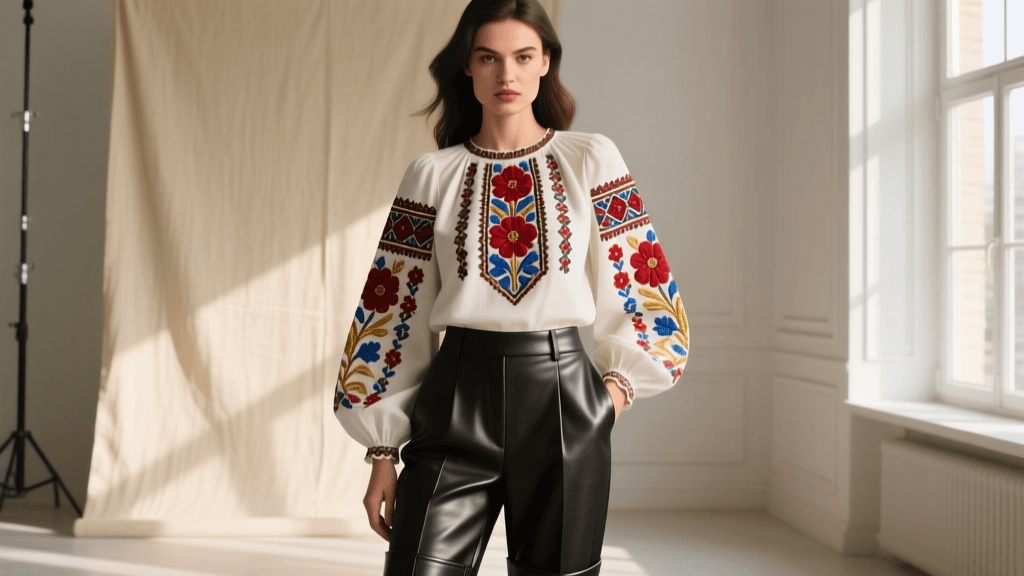
The global appreciation for Eastern European and Balkan folk dress has reached unprecedented heights in 2026. As mass-produced fast fashion faces increasing scrutiny for its environmental and cultural toll, discerning collectors, cultural historians, and sustainable fashion enthusiasts are turning toward heritage garments. Among the most coveted of these are the intricately embroidered blouses of the Slavic and Balkan regions, specifically the Ukrainian vyshyvanka and the Romanian and Moldovan ie. These garments are not merely clothing; they are wearable manuscripts that encode regional identity, spiritual beliefs, and centuries of ancestral knowledge.
However, the soaring demand for these traditional pieces has also flooded the market with machine-made replicas that lack the historical accuracy and soul of genuine hand-stitched textiles. For the modern collector or cultural preservationist, understanding the nuances of Carpathian embroidery is essential. This comprehensive 2026 guide will walk you through the anatomy of authentic Slavic and Balkan needlework, how to distinguish true artisan pieces from factory reproductions, and where to source genuine garments that support living heritage communities.
The Anatomy of Authentic Carpathian Embroidery
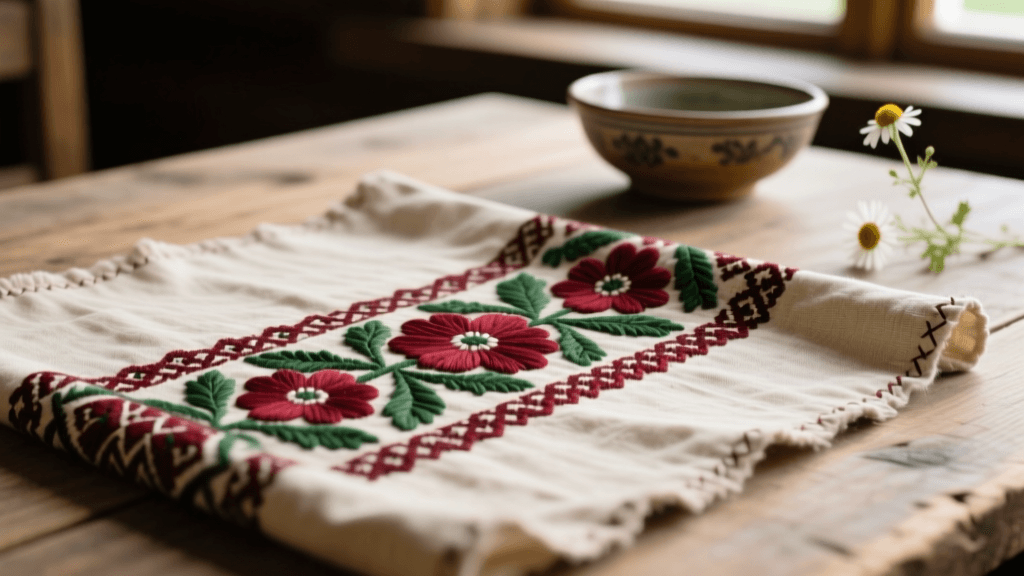
Authentic Eastern European folk dress relies on a harmonious relationship between the base fabric and the embroidery thread. Historically, the foundation of a vyshyvanka or ie was woven from locally grown hemp or flax linen. In 2026, master artisans continue to prioritize hand-woven or high-grade mill-woven linen, which provides a structured, breathable canvas with a distinct, slightly uneven weave that machine-made poly-blends simply cannot replicate. The natural slubs in authentic linen help guide the needle and give the finished garment a rich, tactile depth.
The embroidery itself is executed using a variety of highly specialized regional stitches. While the basic cross-stitch (khrestyk) is widely recognized, true Carpathian masterworks utilize a complex vocabulary of needlework. The satin stitch (hlad) is used to create smooth, raised floral motifs, while cutwork (merezhka) and drawn-thread techniques create delicate, lace-like geometric openings in the fabric. Another hallmark of high-end Slavic embroidery is the zavolikannia (running stitch), which creates dense, ribbed bands of color that mimic woven textiles.
Regional Variations in Slavic and Balkan Needlework
To accurately source and authenticate these garments, one must understand the distinct regional dialects of Eastern European embroidery. The Carpathian basin alone hosts dozens of micro-traditions, each with specific color palettes and motif libraries.
The Hutsul Tradition
Originating from the highland Hutsul people of the Carpathian Mountains, this style is famous for its dense, geometric patterns and vibrant, contrasting colors. Traditional Hutsul embroidery heavily features orange, yellow, and green threads, often accented with metallic elements or small glass beads. The motifs are largely abstract, featuring stars, rhombuses, and the iconic 'tree of life' symbol, which represents cosmic harmony and ancestral lineage.
Maramureș and Bukovinian Cutwork
In the historical regions of Maramureș and Bukovina, the emphasis shifts from dense color to structural elegance. Artisans here are renowned for their merezhka (cutwork and drawn-thread embroidery). By carefully removing warp and weft threads from the linen base and wrapping the remaining threads with fine white or black cotton, they create breathtaking, semi-transparent geometric grids. This technique requires immense mathematical precision and is considered one of the most difficult forms of Slavic needlework.
Balkan Crossovers: Bulgarian and Serbian Influences
Moving south into the Balkans, the embroidery takes on a heavier, more ornate character. Traditional Bulgarian and Serbian folk blouses often feature asymmetrical placements and heavily stylized floral and zoomorphic motifs, such as stylized birds and dragons. The use of heavy wool and silk threads in deep reds, blacks, and golds creates a raised, almost three-dimensional texture that contrasts sharply with the flat, geometric precision of the northern Carpathian styles.
2026 Market Landscape: Hand-Stitched vs. Machine-Made
As of 2026, the price gap between authentic hand-embroidered garments and machine-made imitations has widened significantly, reflecting the true cost of artisanal labor. A genuine, hand-stitched linen blouse from a recognized Carpathian artisan typically requires between 80 and 300 hours of continuous needlework. Consequently, current 2026 pricing for authentic pieces ranges from $450 for simpler, everyday designs to well over $2,500 for masterwork bridal or festival blouses featuring extensive cutwork and silk thread.
Conversely, computerized multi-head embroidery machines can replicate the visual pattern of a vyshyvanka in under twenty minutes. While these mass-produced items are affordable (often retailing between $40 and $90), they lack the structural integrity, historical accuracy, and cultural spirit of the original. Below is a detailed comparison to help buyers navigate the 2026 market.
| Feature | Authentic Hand-Stitched (Artisan) | Machine-Embroidered (Mass-Produced) |
|---|---|---|
| Production Time | 80 to 300+ hours per garment | 15 to 30 minutes per garment |
| Base Fabric | 100% natural linen, hemp, or raw cotton | Polyester blends, viscose, or chemically treated cotton |
| Thread Material | Natural silk, fine wool, or high-grade mercerized cotton | Synthetic rayon or polyester (high sheen, prone to snagging) |
| Reverse Side (Back) | Neat, nearly identical to the front; no loose jump threads | Messy, with visible 'jump threads' and synthetic backing paper |
| 2026 Average Price | $450 - $2,500+ | $40 - $120 |
How to Authenticate a True Artisan Garment
When evaluating a potential purchase, whether from a boutique in Kyiv, a market in Bucharest, or an online heritage dealer, the most reliable authentication method is the 'reverse side test'. According to the Victoria and Albert Museum's extensive textile archives, traditional hand-embroidery techniques were designed to be reversible or exceptionally neat on the underside. Master artisans are taught from childhood to hide their knots and avoid long 'jump threads' across the back of the fabric. If you turn the blouse inside out and see a chaotic web of synthetic threads, white stabilizer paper, or long floating yarns, it is unequivocally machine-made.
Furthermore, examine the intersection of the threads. In a true cross-stitch, the top thread should always cross in the same direction, creating a uniform, braided texture. Machine embroidery often struggles to replicate the precise tension and layering of a hand-pulled needle, resulting in stitches that look flat or slightly twisted. Finally, feel the thread itself; synthetic rayon threads used in factory replicas will feel unusually slick and cold to the touch, whereas natural silk and mercerized cotton possess a warmer, more organic texture.
Sourcing Authentic Pieces in 2026
Finding genuine Eastern European folk dress requires moving away from mainstream e-commerce platforms and connecting directly with artisan cooperatives and cultural heritage organizations. In 2026, several digital registries and specialized platforms have emerged to bridge the gap between rural Carpathian artisans and global collectors. Organizations dedicated to preserving traditional craftsmanship often maintain verified directories of master embroiderers.
Preserving these techniques is a matter of safeguarding intangible cultural heritage, as outlined by UNESCO's frameworks for traditional craftsmanship. When sourcing, look for sellers who provide the name of the specific artisan, the village or region of origin, and a breakdown of the techniques used. Reputable heritage boutiques will also provide certificates of authenticity that detail the natural dyes and thread compositions. Attending specialized European textile fairs, such as the annual Folk Art and Craft festivals held across Eastern Europe, remains one of the best ways to commission bespoke pieces directly from the creators.
Caring for Heirloom Linens and Silk Threads
Once you have acquired an authentic vyshyvanka or ie, proper conservation is vital to ensure the garment survives for future generations. The intersection of organic linen and protein-based silk threads requires specialized care. Never wash a hand-embroidered heritage blouse in a modern washing machine, as the agitation will cause the linen to warp and the silk threads to fray or bleed.
Instead, hand-wash the garment in cool water using a pH-neutral, conservation-grade textile detergent. Avoid soaking the piece for extended periods, as natural dyes—especially deep reds and blacks derived from madder root or oak galls—can release excess pigment and stain the surrounding linen. After washing, gently press the water out by rolling the blouse in a clean, dry cotton towel. Never wring or twist the fabric, as this will permanently distort the drawn-thread cutwork.
Ironing must be done while the garment is still slightly damp. Always iron on the reverse side, placing a thick, clean cotton pressing cloth between the iron and the embroidery. This prevents the iron from crushing the raised satin stitches and protects delicate silk threads from direct heat damage. For long-term storage, avoid wire hangers, which will stretch the linen shoulders. Fold the garment using acid-free tissue paper to buffer the folds, and store it in a breathable cotton garment bag in a cool, dark, and climate-controlled environment.
Conclusion
The traditional folk dress of the Slavic, Balkan, and Eastern European regions represents a profound intersection of art, history, and identity. As we navigate the fashion landscape of 2026, the choice to source, authenticate, and preserve hand-embroidered garments like the vyshyvanka and ie is a powerful statement against the erasure of cultural heritage. By understanding the intricate anatomy of Carpathian needlework and supporting the living artisans who keep these traditions alive, collectors and enthusiasts ensure that these wearable masterpieces will continue to tell their ancestral stories for centuries to come. For further historical context on global needlework traditions, researchers can also consult the comprehensive historical overviews provided by Britannica's textile archives.