Romanian IA Blouse Revival 2026: Authentic Altita Styling Guide
The 2026 Resurgence of the Romanian IA
The traditional Romanian blouse, universally known as the IA (pronounced 'ee-ah'), has transcended its rural roots to become a cornerstone of the 2026 European folk dress revival. As the global fashion industry pivots hard toward heritage craftsmanship and 'quiet luxury' this year, the IA stands out as a masterclass in sustainable, meaningful dressing. Far from being a mere festival costume, the authentic IA is a complex, deeply symbolic garment that connects the wearer to centuries of Eastern European textile traditions.
Following its historic recognition on the UNESCO Intangible Cultural Heritage registry, the demand for genuine, hand-embroidered blouses has surged. However, this popularity has also flooded the market with mass-produced, culturally appropriated knockoffs. For the contemporary enthusiast in 2026, understanding the anatomy of the IA, knowing how to source authentic pieces, and mastering modern styling techniques are essential skills for integrating this heritage garment into a contemporary wardrobe.
Decoding the Altita: Anatomy of a Heritage Garment
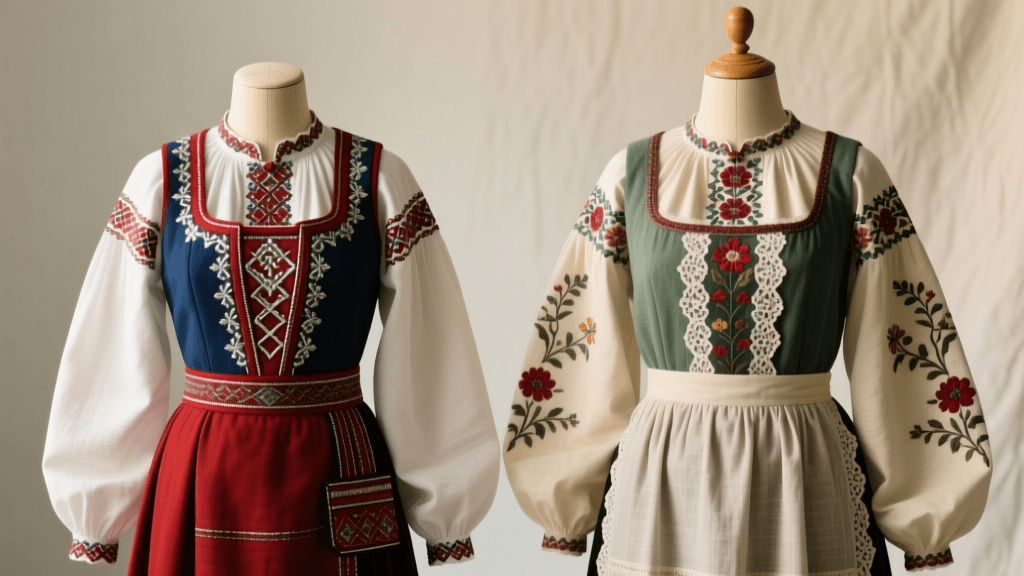
To appreciate the IA, one must understand its structural and decorative anatomy. The most critical element—and the primary identifier of an authentic piece—is the Altita. This is the dense, rectangular block of embroidery located on the shoulder. Historically, the Altita was believed to protect the wearer's joints and spirit, serving as a talismanic shield. The motifs, colors, and geometric precision of the Altita dictate the rest of the blouse's design.
The Four Pillars of Authentic Embroidery
- Altita (The Shoulder): The most complex and densely stitched section, featuring up to 7-10 rows of intricate geometric or floral motifs. It is the 'crown' of the garment.
- Bentiță (The Neckband): A narrow, tightly embroidered band that gathers the fabric around the neckline, often featuring protective symbols like the sun or the eye.
- Încreț (The Gather): Located just below the Altita, this is a subtle, often monochromatic band of stitching that bridges the shoulder piece and the vertical sleeves.
- Râuri (The Rivers): Vertical or diagonal bands of embroidery that flow down the sleeves and the bodice, mimicking the flow of rivers or the branches of the Tree of Life.
Regional Variations to Seek in 2026
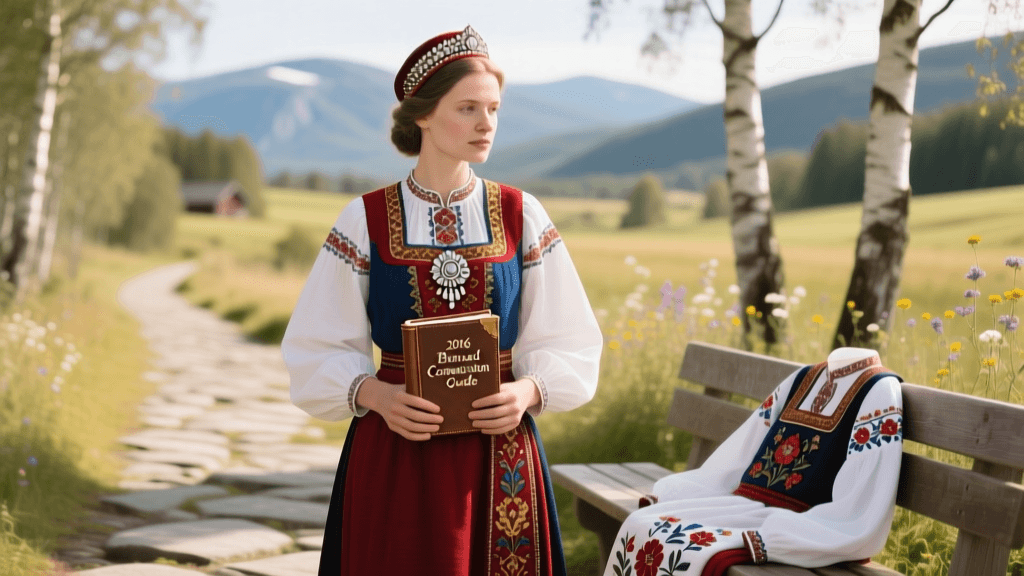
When sourcing an IA today, provenance matters. The Muzeul Țăranului Român (Romanian Peasant Museum) emphasizes that regional terroir deeply influences textile design. In 2026, artisan cooperatives are heavily focused on reviving these specific regional identities:
- Argeș and Muscel: Renowned for striking black and red embroidery on white hemp, featuring dense, velvet-like stitching and gold or silver metallic thread accents.
- Olt and Romanați: Famous for bold, contrasting colors and intricate geometric patterns, often utilizing deep blues, crimson reds, and olive greens.
- Vâlcea: Characterized by highly stylized floral motifs, particularly the 'pomegranate' and 'peony' designs, stitched in warm, earthy tones.
Authentic Artisan IA vs. Mass-Market Replicas
The 2026 market is saturated with factory-made 'peasant blouses' that strip the IA of its cultural weight. According to transparency advocates like Fashion Revolution, supporting artisan cooperatives ensures fair wages and preserves endangered stitching techniques. Below is a comparative guide to help you identify genuine heritage pieces versus fast-fashion approximations.
| Feature | Authentic Artisan IA (2026 Market) | Fast-Fashion 'Peasant' Blouse |
|---|---|---|
| Base Fabric | Hand-woven hemp, raw linen, or organic cotton | Synthetic blends, rayon, or thin commercial cotton |
| Embroidery Thread | Mercerized cotton, silk, or hand-dyed wool | Shiny polyester or cheap acrylic yarn |
| Shoulder Motif (Altita) | Dense, multi-row geometric block with a distinct Încreț below | Randomized floral prints or scattered, sparse stitching |
| Production Time | 40 to 120 hours of hand-stitching per blouse | Machine-embroidered in under 15 minutes |
| Average Retail Price | €350 - €800 (Direct from artisan cooperatives) | €25 - €65 (Commercial retail brands) |
Contemporary Styling: Integrating the IA in 2026
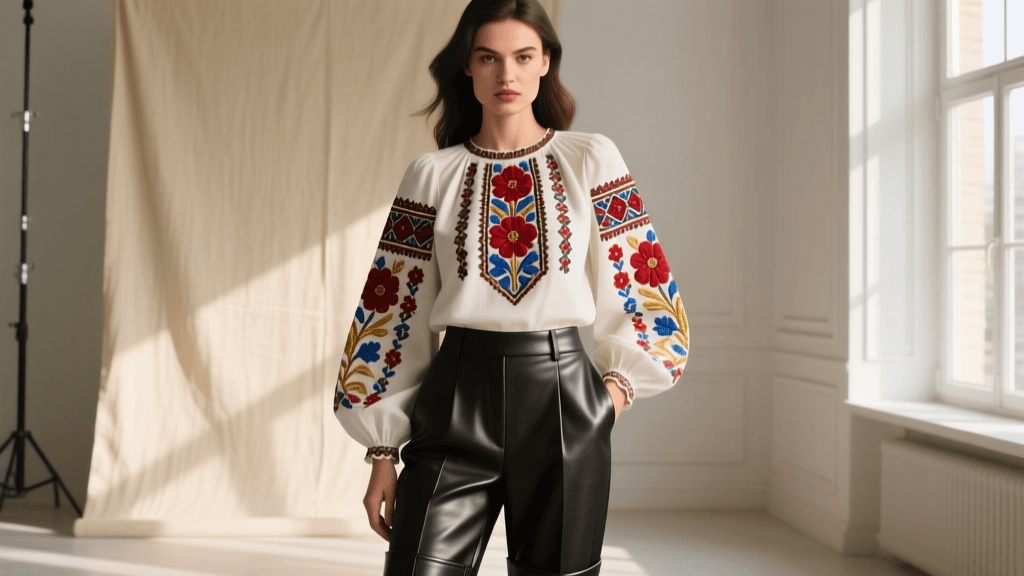
The beauty of the IA lies in its versatility. While it is traditionally worn with heavy wool skirts and woven belts during village festivals, the 2026 styling ethos favors juxtaposition—pairing the voluminous, textured heritage piece with sleek, modern tailoring. Here are three actionable ways to style the IA for contemporary life.
Look 1: The Urban Professional
Transform the IA into a powerful statement piece for the modern workplace or gallery openings. Choose an IA from the Argeș region, featuring black and red embroidery on a structured white linen base. The Pairing: Tuck the blouse into high-waisted, wide-leg tailored trousers (preferably in a charcoal or deep navy wool-blend). Ensure the trousers have a 32-inch inseam to create a long, elegant silhouette that balances the voluminous sleeves of the blouse. Finish with a minimalist, vegetable-tanned leather belt and pointed-toe leather ankle boots. The key is to let the Altita shoulder embroidery serve as the sole focal point of the outfit.
Look 2: Weekend Minimalist
For a relaxed, off-duty look, lean into the textural contrast between heritage textiles and raw denim. Select a Vâlcea IA with softer, earthy floral motifs on an unbleached hemp base. The Pairing: Wear the blouse untucked or loosely French-tucked over straight-leg, raw selvedge denim jeans. The stiffness of the raw denim perfectly complements the organic drape of the hemp. Layer with a lightweight, oversized beige trench coat left open to reveal the sleeve embroidery. Accessorize with a woven rattan crossbody bag and minimalist white leather sneakers for a look that bridges Eastern European tradition with Scandinavian minimalism.
Look 3: Evening Elegance
The IA can easily transition into eveningwear when styled with luxurious, fluid fabrics. Opt for a delicate Olt region blouse featuring deep blue and silver metallic threadwork. The Pairing: Pair the blouse with a bias-cut, floor-length silk slip skirt in a complementary midnight blue or champagne hue. The delicate sheen of the silk contrasts beautifully with the matte texture of the embroidered cotton. Cinch the waist with a thin, metallic chain belt to define the silhouette without obscuring the lower Râuri embroidery. Complete the look with strappy metallic heels and subtle drop earrings.
Caring for Heritage Textiles
An authentic IA is an investment in wearable art. The hand-dyed threads and natural fibers require specific care to ensure they survive for generations. Never machine-wash or dry-clean an authentic IA, as the harsh chemicals and agitation will cause the natural dyes to bleed and the hand-woven fibers to warp.
The 2026 Preservation Protocol
- Washing: Hand-wash the garment in a basin of cool water (strictly below 30°C). Use a pH-neutral, olive-oil-based textile soap. Submerge the blouse gently and let it soak for no more than 10 minutes.
- Rinsing: Rinse thoroughly with cool water. Never wring or twist the fabric, as this will break the delicate embroidery threads.
- Drying: Roll the blouse in a clean, dry cotton towel to press out excess moisture. Lay it flat on a drying rack away from direct sunlight to prevent UV fading of the natural dyes.
- Storage: Store the IA flat in a breathable cotton garment bag. Place acid-free tissue paper between the folds to prevent the dense Altita embroidery from creasing or imprinting onto the base fabric over time.
Conclusion
The 2026 revival of the Romanian IA is more than a fleeting fashion trend; it is a conscious rejection of disposable clothing in favor of garments that carry history, identity, and immense artisanal value. By learning to decode the Altita, supporting authentic cooperatives, and styling these pieces with modern intentionality, you do more than elevate your personal wardrobe—you become an active participant in the preservation of European folk dress. Whether paired with tailored wool or raw denim, the IA remains a timeless testament to the enduring power of heritage craftsmanship.