Authentic Norwegian Bunads 2026: Hardanger & Telemark Guide
The Living Heritage of the Norwegian Bunad in 2026
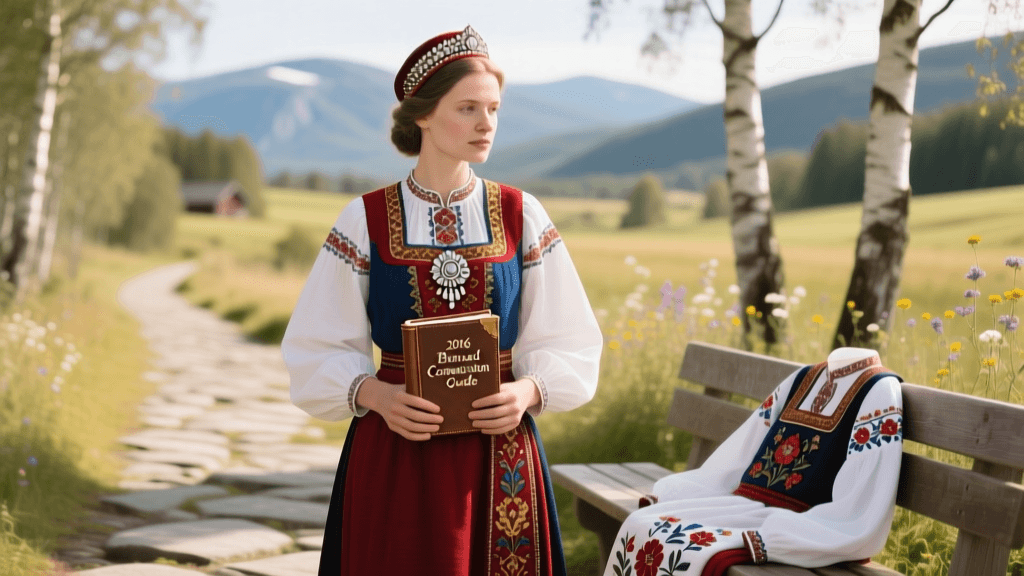
When discussing European folk dress, few garments command the respect, regulatory oversight, and cultural reverence of the Norwegian bunad. Far from being a mere historical costume or a festival novelty, the bunad is a living, breathing expression of regional identity, genealogy, and artisanal mastery. As we navigate the cultural landscape of 2026, the bunad remains a staple at weddings, national holidays (particularly Syttende Mai), and confirmations across Norway. However, the market for these exquisite garments has evolved. In 2026, a renewed emphasis on hyper-local sourcing, sustainable wool production, and the preservation of endangered embroidery techniques has reshaped how enthusiasts commission and wear these regional masterpieces.
For those looking to invest in a bunad, understanding the strict regional variations is paramount. The Norsk Folkemuseum and the national Bunad and Folk Costume Council rigorously document these patterns to ensure historical accuracy. Today, we will conduct a deep dive into two of the most iconic and highly sought-after regional styles: the Hardangerbunad and the Øst-Telemark bunad, exploring their construction, 2026 market costs, and the intricate silverwork that completes the ensemble.
Regional Deep Dive: Hardangerbunad vs. Telemarksbunad
Norway’s topography historically isolated its valleys, leading to highly distinct textile traditions. When the national romanticism movement of the late 19th and early 20th centuries sought to codify these rural garments into the modern 'bunad,' specific regions became the gold standard for craftsmanship.
The Hardangerbunad: The Mother of All Bunads
Often referred to as the 'first' bunad, the Hardangerbunad originates from the Hardanger fjord region in Vestland county. Its creation in the early 1900s was heavily inspired by the traditional bridal and festive wear of the 18th and 19th centuries. The defining characteristic of the Hardangerbunad is its stark, elegant contrast: a deep black wool skirt and bodice juxtaposed against crisp white linen aprons and shirts featuring meticulous cross-stitch and drawn thread work (hardangersøm).
In 2026, the demand for authentic hand-woven linen for the Hardanger apron has surged. Artisans are increasingly utilizing heritage flax grown and processed in Scandinavia, pushing the material costs higher but ensuring a level of durability and historical accuracy that mass-produced imports cannot match. The bodice is typically adorned with red, green, and yellow cross-stitch motifs, and the outfit is traditionally completed with a striking silver belt and a specialized bridal crown (brudekrone) for married women or brides.
The Øst-Telemark Bunad: A Masterpiece of Floral Embroidery
Traveling eastward to the Telemark region, the textile tradition shifts dramatically. The Øst-Telemark bunad is renowned for its lush, asymmetrical, and vibrant floral embroidery, heavily influenced by the region's famous rosemaling (decorative folk painting). Unlike the structured cross-stitch of Hardanger, Telemark embroidery relies on freehand wool stitching, requiring an artisan with an exceptional eye for color blending and organic flow.
The Øst-Telemark bunad offers a broader color palette for the wool skirt and bodice, with deep navy blue, rich burgundy, and classic black being the most prominent choices in 2026. The embroidery threads are dyed using both traditional botanical methods and modern colorfast alternatives to ensure the vibrant reds, blues, and yellows do not fade when exposed to the harsh Nordic summer sun. The apron is typically woven from wool or high-grade silk, featuring matching floral motifs along the hem.
Comparative Analysis: Hardanger vs. Telemark (2026 Data)
To help prospective buyers understand the investment required, we have compiled a comprehensive comparison of these two regional styles based on 2026 market data from certified bunad-tilvirker (bunad makers) and silversmiths.
| Feature | Hardangerbunad | Øst-Telemark Bunad |
|---|---|---|
| Primary Skirt Color | Black | Black, Dark Blue, or Burgundy |
| Embroidery Technique | Cross-stitch and drawn thread work | Freehand floral wool embroidery |
| Apron Material | White linen with cross-stitch borders | Woven wool or silk, matching embroidery |
| Silver (Sølv) Style | Polished silver with filigree | Oxidized silver, large intricate brooches |
| 2026 Base Cost (Garment) | 38,000 - 45,000 NOK | 48,000 - 60,000 NOK |
| 2026 Silver Cost | 12,000 - 18,000 NOK | 15,000 - 25,000 NOK |
| Typical Lead Time | 8 - 12 months | 12 - 18 months |
Note: Prices are estimated in Norwegian Krone (NOK) and reflect the 2026 artisan market. Exchange rates will affect international buyers.
Commissioning Your Bunad: 2026 Pricing and Timelines
Purchasing a genuine bunad is not akin to buying a dress off a rack; it is a commissioning process that involves multiple fittings and a deep collaboration with a certified tailor. Due to a nationwide push in Norway to elevate textile arts to university-degree levels, the caliber of bunad makers in 2026 is exceptionally high, but the wait times reflect this meticulous craftsmanship.
Actionable Steps for Measuring and Ordering
If you are planning to commission a bunad this year, follow these critical steps to ensure a flawless fit and a smooth transaction:
- Book Early: Top-tier ateliers in Oslo, Bergen, and Kviteseid are currently booking initial consultations 6 to 8 months in advance. Secure your appointment before the autumn rush.
- The Initial Fitting: Wear the exact undergarments and shoes you plan to wear on the day of your event. The posture and lift provided by your footwear drastically alter the hemline and bodice tension.
- Seam Allowances: A professional bunad maker will leave generous, hidden seam allowances inside the bodice and skirt. This traditional practice allows the garment to be let out or taken in by up to 5 centimeters, accommodating natural weight fluctuations over a lifetime.
- Deposit Structure: Expect to pay a 50% non-refundable deposit upfront in 2026 to cover the cost of custom-dyed wools, imported silks, and the hundreds of hours of hand-embroidery. The final 50% is due upon the final fitting and delivery.
- Verify Certification: Always ensure your maker is certified by the Bunad- og folkedraktrådet. This guarantees that the patterns, stitch counts, and materials adhere strictly to the historical archives of your chosen region.
The Silver (Sølv): Investing in Traditional Solje
No bunad is complete without its accompanying silver, known collectively as 'sølv'. The silverwork is not merely decorative; historically, it served as a wearable bank account for farming families, representing generational wealth and social standing. In 2026, the market for bunad silver is thriving, with a distinct preference for heritage techniques like filigree (tvinnet sølv) and cast oxidized pieces.
For the Hardangerbunad, the silver is typically polished to a high shine, featuring delicate filigree work that catches the light. A standard set includes a neck pin (halsknapp), a large breast brooch (brystknapp), cufflinks, and a specialized silver belt. Conversely, the Øst-Telemark bunad requires heavier, often oxidized silver with intricate, almost three-dimensional floral motifs that mirror the embroidery of the garment.
When sourcing silver, it is vital to purchase from established Norwegian silversmiths. Renowned houses like Juvik Sølv have been crafting traditional bunad jewelry for generations, ensuring that every piece is stamped with the official Norwegian silver control mark (the 830S or 925S stamp). In 2026, a complete set of Telemark silver can easily cost between 15,000 and 25,000 NOK, making it a significant heirloom investment that is often passed down through multiple generations.
Caring for Your Wool, Linen, and Silver
A bunad is designed to last a lifetime, but it requires specific, traditional care methods that differ vastly from modern garment maintenance.
'Never dry clean a high-quality bunad unless absolutely necessary. The harsh chemicals strip the natural lanolin from the Norwegian wool, leaving the fabric brittle and prone to tearing. Instead, rely on the wool's natural self-cleaning properties.' — Master Bunad Tailor, 2026 Textile Conservation Summit.
Wool Care: After wearing your bunad, air it outside in a shaded, breezy area for 24 hours. This allows the wool fibers to release moisture and odors. For localized stains, use a damp cloth and a specialized wool detergent, gently dabbing rather than rubbing. Store the garment in a breathable cotton bag with natural cedar blocks or dried lavender to deter moths; never use chemical mothballs, as they will permanently taint the wool's scent.
Linen Care: The linen shirt and apron can be hand-washed in lukewarm water with a mild, enzyme-free detergent. Iron the linen while it is still slightly damp using a high-heat steam setting to achieve the crisp, structured look required for the Hardanger style.
Silver Maintenance: Oxidized Telemark silver should never be polished with standard silver dips, as this will remove the intentional dark patina that highlights the floral details. Simply wipe it with a soft, dry microfiber cloth after wearing to remove skin oils. Polished Hardanger silver can be gently buffed with a specialized silver polishing cloth, taking care to avoid the fabric of the bodice.
Sourcing Authentic Materials and Expert Guidance
Embarking on the journey to acquire a Norwegian bunad is a profound connection to European folk dress history. Whether you are drawn to the stark, elegant geometry of the Hardanger cross-stitch or the wild, romantic florals of the Telemark valleys, the investment of time and capital yields a garment of unparalleled cultural significance.
For those conducting academic research or seeking pattern verification, the archives at the major Norwegian textile institutions and heritage manufacturers provide invaluable resources on the evolution of regional stitches and natural dye recipes. As the bunad continues to evolve in 2026, it remains a steadfast testament to the enduring power of regional identity, proving that true folk dress is not a relic of the past, but a vibrant, living art form.