Authentic Balkan Zubun Vests & Romanian Ie: 2026 Guide
The Renaissance of Balkan and Eastern European Textiles in 2026
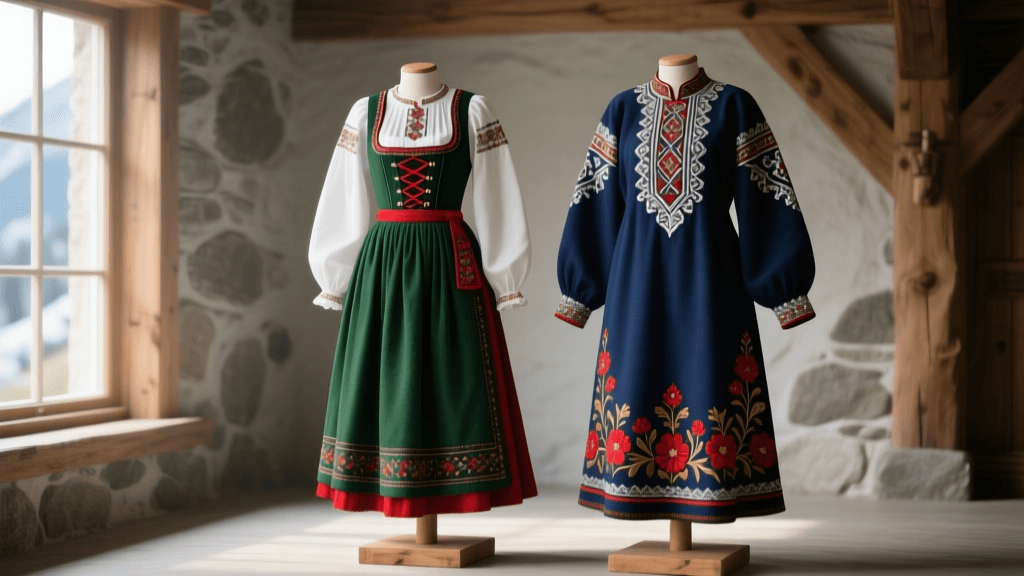
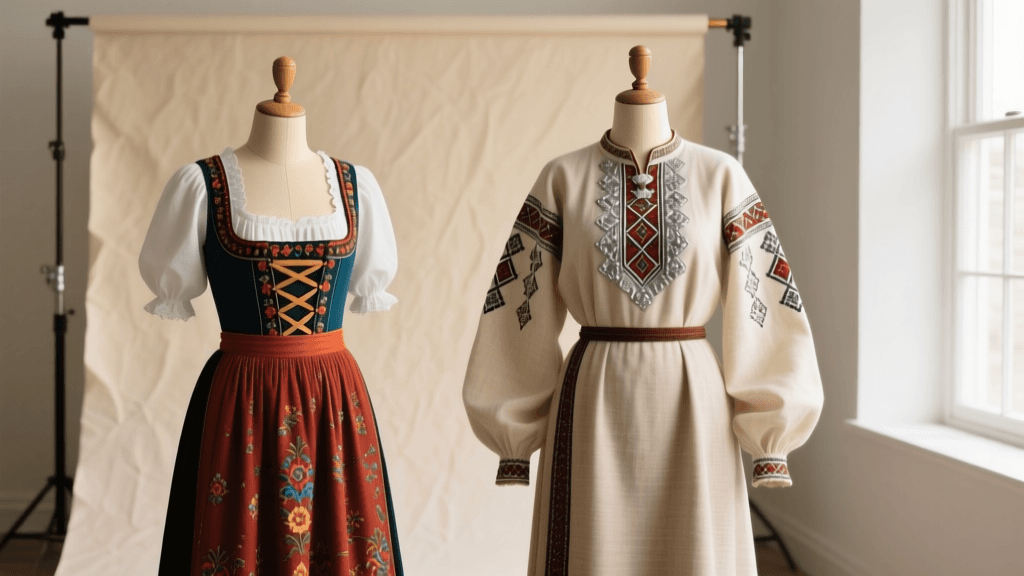
In the contemporary fashion landscape of 2026, the appreciation for slow fashion, artisanal craftsmanship, and deep cultural heritage has reached an unprecedented peak. Among the most highly sought-after garments are the traditional folk dresses of the Balkans and Eastern Europe. Specifically, the Slavic Zubun (a heavy, sleeveless wool vest) and the Romanian Ie (the intricately embroidered traditional blouse) have transitioned from museum archives and rural festival wear into the curated wardrobes of global textile collectors and sustainable fashion enthusiasts. Understanding the construction, regional variations, and proper sourcing of these garments is essential for anyone looking to invest in authentic European folk dress today.
According to cultural preservation frameworks outlined by organizations like UNESCO's Intangible Cultural Heritage initiatives, the techniques used to weave, dye, and embroider these garments are recognized not merely as clothing production, but as living cultural expressions passed down through generations. This guide will provide you with actionable, up-to-date advice on sourcing, sizing, and styling these iconic pieces in 2026.
Understanding the Slavic Zubun: Construction and Fit
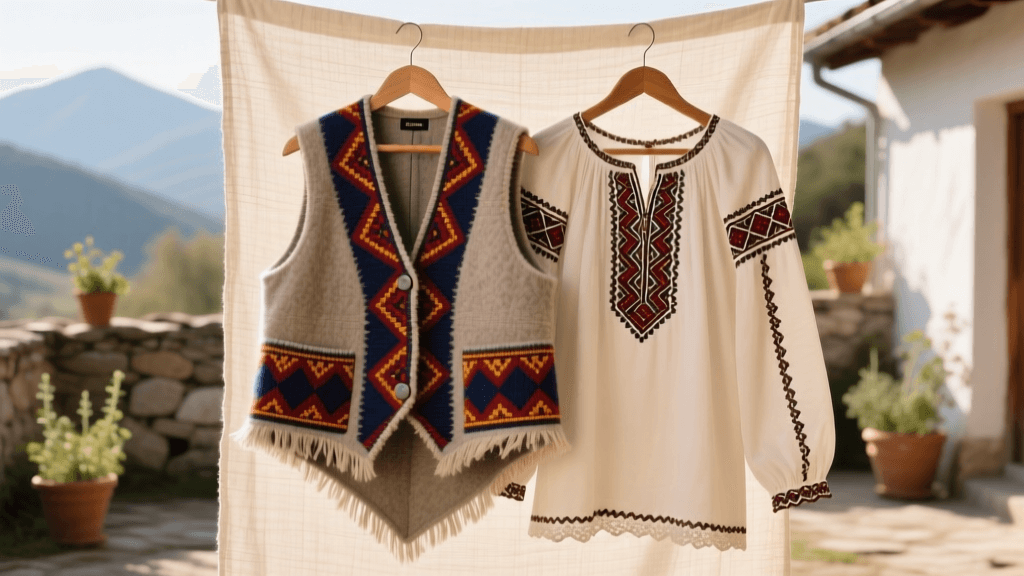
The Zubun is a staple of Balkan Slavic folk dress, historically worn across Bosnia, Serbia, Montenegro, and parts of Bulgaria. Traditionally, it served as a protective outer layer over a linen tunic, providing warmth and displaying the wearer's regional identity and social status through its elaborate applique and braided trim (gajtan).
Anatomy and Materials
Authentic Zubun vests are constructed from heavy, homespun wool or thick felt. In 2026, artisan cooperatives in the Dinaric Alps region are still utilizing traditional drop-spindle yarns, though some have integrated sustainably sourced merino blends for improved drape. The armholes are characteristically deep and wide, allowing the vest to be worn over bulky, voluminous sleeves of the undergarment without restricting movement. The edges are typically bound with woolen braid, and the chest panels feature geometric or floral appliques in deep reds, blacks, and golds.
2026 Sizing and Measurement Guide
Sourcing a vintage or newly commissioned Zubun requires an understanding of its unique fit. Unlike modern tailored waistcoats, the Zubun is cut straight and boxy. When taking measurements for a 2026 commission, follow these guidelines:
- Chest/Bust: Measure the fullest part of the chest. Add 4 to 6 inches (10-15 cm) to this measurement to allow for the deep armholes and the layers worn underneath.
- Drop Armhole Depth: The armhole should drop at least 3 inches (7.5 cm) below the natural armpit. Ensure the artisan patterns the armhole curve wide rather than deep to prevent the wool from digging into the underarm.
- Length: Traditional Zubuns vary from hip-length to mid-thigh. For modern styling over wide-leg trousers or midi skirts, a hip-length cut (ending roughly 2 inches below the waistband) is the most versatile and flattering.
The Romanian Ie: Anatomy of the Altita Blouse
The Romanian Ie is arguably the most recognizable piece of Eastern European folk dress. Its global influence has been documented extensively in historical textile archives, such as those maintained by the Victoria and Albert Museum's textile collections, which highlight the garment's complex structural geometry and symbolic embroidery. The classic Ie cu Altita (blouse with shoulder embroidery) is a masterclass in structured textile design.
Decoding the Embroidery Motifs
To authenticate an Ie in 2026, you must understand its three-part structural embroidery system. Commercial replicas often scatter motifs randomly, whereas authentic pieces strictly adhere to this anatomy:
- Altita (The Shoulder): This is the most densely embroidered rectangular panel on the shoulder. It traditionally contains complex geometric motifs representing the cosmos, the sun, and protection. The Altita is the visual anchor of the garment.
- Incret (The Gathered Band): Located directly below the Altita, this is a narrower, horizontal band of embroidery. It serves as a visual separator and represents the earth and agricultural fertility.
- Rauri (The Rivers): These are the vertical columns of embroidery that flow down the sleeves from the Incret to the cuff. They symbolize the flow of water, life, and time. The motifs here are usually simpler and more repetitive than those on the shoulder.
Identifying Authentic Natural Dyes
In the 2026 artisanal market, premium Ie blouses are dyed using historical botanical methods. When evaluating a piece, look for the subtle, living variations in color that synthetic dyes cannot replicate. Madder root (Rubia tinctorum) yields deep, earthy terracotta reds; weld and onion skins produce vibrant, warm yellows; and fermented walnut hulls create rich, complex browns and blacks. Authentic hand-spun linen will also have slight slubs (thick and thin variations in the yarn), which absorb natural dyes unevenly, creating a beautiful, organic depth of color.
2026 Sourcing Guide: Artisan Cooperatives vs. Commercial Replicas
The market for Eastern European folk dress has expanded, making it crucial to distinguish between authentic heritage pieces, modern artisan commissions, and mass-produced fast-fashion interpretations. Below is a comparative breakdown of the 2026 market landscape to help you budget and source effectively.
| Sourcing Category | Price Range (USD) | Lead Time / Availability | Material & Construction Quality | Best For |
|---|---|---|---|---|
| Authentic Vintage (Pre-1980s) | $350 - $1,200+ | Immediate (Auction houses, specialized dealers) | Hand-woven hemp/linen, natural dyes, silk thread embroidery. Fragile but historically invaluable. | Collectors, archival preservation, museum display. |
| Modern Artisan Commission | $400 - $850 | 3 to 6 months (Direct from Balkan/Carpathian cooperatives) | Hand-cut linen, botanically dyed wool threads, strict adherence to regional motif anatomy. | Heirloom wardrobe pieces, cultural practitioners, ethical fashion enthusiasts. |
| Commercial 'Boho' Replicas | $45 - $120 | Immediate (Fast fashion retailers, online marketplaces) | Machine-made polyester/cotton blends, synthetic neon dyes, randomized non-traditional patterns. | Costume wear, temporary festival fashion (Not recommended for serious collectors). |
Pro Tip for 2026 Sourcing: When commissioning a modern Ie or Zubun, request a 'motif map' from the artisan. Reputable cooperatives in regions like Maramureș or the Šumadija district will provide a sketch detailing the specific village patterns they intend to use, ensuring your garment is rooted in a specific geographical lineage rather than a generic amalgamation of folk art.
Preservation, Care, and Wardrobe Integration
Investing in authentic Slavic and Balkan folk dress requires a commitment to proper textile preservation. The heavy wools and delicate linens demand specific care routines to ensure they survive for generations.
Cleaning and Storage Protocols
Never machine-wash an authentic Ie or Zubun. The agitation will destroy the hand-stitched embroidery tension and cause raw wool to felt irreversibly. For the linen Ie, spot clean with distilled water and a pH-neutral textile soap. If a full clean is necessary, submerge the garment in a lukewarm bath, gently press the water through the fibers without wringing, and lay it flat on a dry towel, reshaping the sleeves while damp. The wool Zubun should only be dry-cleaned by a specialist who understands heritage textiles, or simply aired out outdoors on a dry, breezy day and gently brushed with a natural bristle garment brush.
For long-term storage, fold the garments with acid-free tissue paper to prevent hard creases from breaking the embroidered threads. Store them in a breathable cotton garment bag with blocks of untreated cedar wood to naturally repel moths—avoid chemical mothballs, which can degrade natural dyes and leave a permanent, noxious odor.
Styling Folk Dress in 2026
The key to integrating these traditional pieces into a modern 2026 wardrobe is contrast. The intricate, heavy nature of Balkan folk dress pairs beautifully with minimalist, contemporary silhouettes. Style a voluminous, white linen Ie with a sleek, high-waisted charcoal wool midi skirt and modern leather ankle boots. The Zubun vest, with its structured, boxy cut, looks exceptionally sharp layered over a fine-gauge merino turtleneck and tailored, wide-leg trousers. By allowing the folk garment to serve as the statement piece, you honor its cultural weight while maintaining a sophisticated, modern aesthetic.
For those seeking deeper historical context on the evolution of these regional garments, comprehensive overviews of European dress history, such as those found in Britannica's historical archives on global dress, provide excellent foundational knowledge on how trade routes and agricultural shifts influenced the very motifs we cherish today. Whether you are acquiring your first vintage piece or commissioning a bespoke 2026 heirloom, understanding the soul of the Zubun and the Ie transforms the act of dressing into a profound connection with European history.