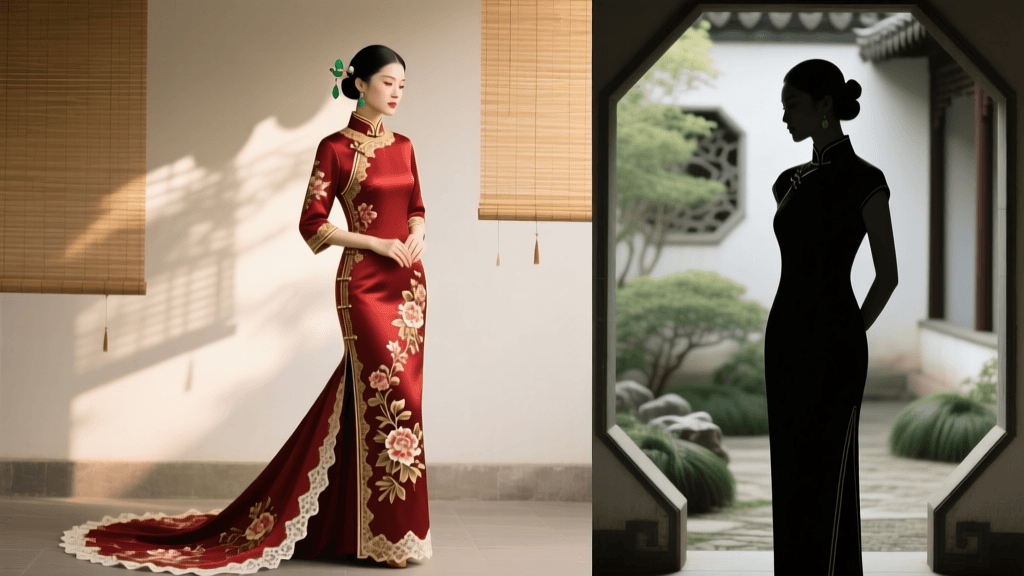
Song Brocade Couture at Paris Fashion Week 2026: Top Designers
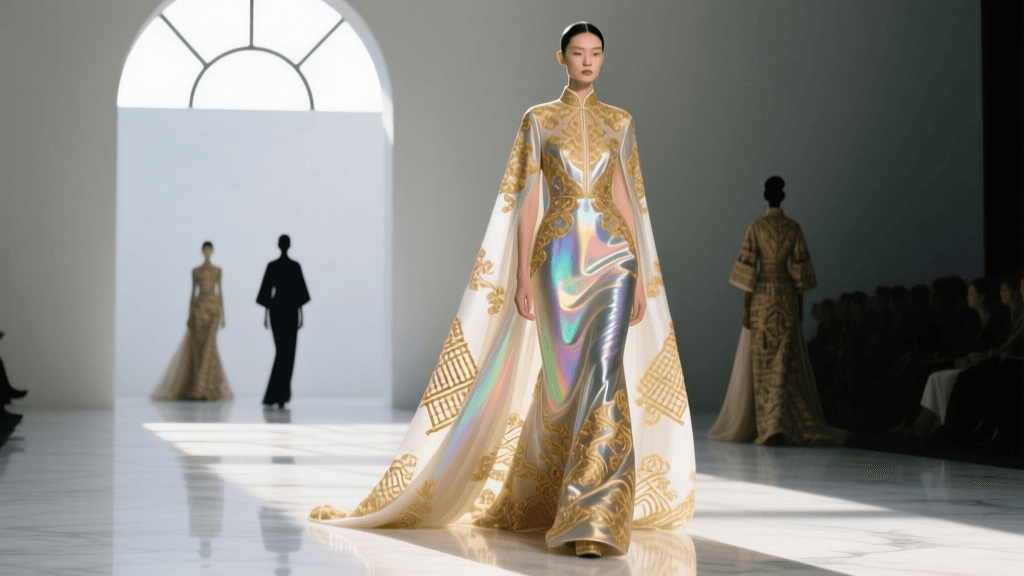
The Global Ascent of Xin Zhongshi in 2026
The international fashion circuit in 2026 has witnessed an unprecedented paradigm shift, moving away from superficial cultural appropriation toward a profound, structural appreciation of Asian heritage. At the forefront of this movement is the integration of ancient Chinese textiles into contemporary haute couture. During the latest Paris Fashion Week and accompanying exhibitions at the Grand Palais Éphémère, the spotlight fell heavily on Xin Zhongshi, or the New Chinese Style. This movement is no longer confined to regional markets; it has become a defining pillar of global luxury, with designers leveraging millennia-old weaving techniques to challenge Western sartorial norms.
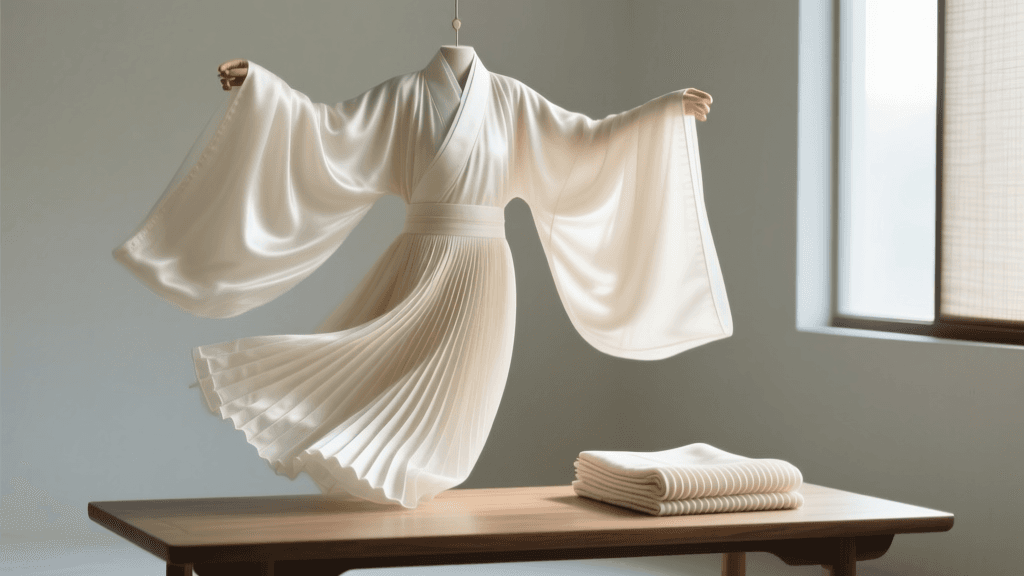
To understand the 2026 runway landscape, one must first recognize the evolution of Xin Zhongshi. Historically, international interpretations of Chinese fashion relied heavily on the cheongsam or superficial motifs like dragons and phoenixes. Today, the paradigm has shifted to the internal architecture of the garment. Designers are revisiting the Shenyi (deep robe) and the Ruqun (blouse and skirt ensemble), focusing on the philosophy of flat-pattern cutting that honors the integrity of the woven cloth. Unlike Western tailoring, which cuts and darts fabric to conform to the body's three-dimensional curves, traditional Chinese flat-cutting relies on the drape, the fold, and the movement of the wearer to give the garment its shape. This zero-waste, fluid approach to design has resonated deeply with the 2026 global emphasis on sustainable, mindful luxury.
Song Brocade: The Crown Jewel of the 2026 Runways
Among the heritage textiles showcased this year, Song brocade (Songjin) has emerged as the undisputed crown jewel of the Paris runways. Originating in the Song Dynasty, this intricate silk is renowned for its matte finish, soft drape, and complex geometric patterns that subtly catch the light. According to the Victoria and Albert Museum's extensive archives on Chinese textiles, Song brocade was historically reserved for mounting precious calligraphy and paintings due to its supple yet durable nature. In 2026, avant-garde couturiers have repurposed this fabric of scholars into structured outerwear, corsetry, and flowing evening gowns, creating a striking juxtaposition between ancient intellectual heritage and modern sartorial boldness.
The matte quality of Song brocade makes it uniquely suited for the stark, minimalist lighting favored by contemporary exhibition spaces. Unlike the high-shine of Western silk satins, Songjin absorbs and diffuses light, giving the garments a sculptural, almost architectural presence on the runway. This subtle elegance has made it the preferred medium for designers looking to convey quiet luxury infused with deep historical resonance.
Comparative Analysis: Heritage Textiles on the 2026 Runway
While Song brocade has dominated the headlines, it is part of a broader renaissance of heritage weaving techniques. The table below outlines the primary traditional textiles utilized in international design weeks this year, detailing their historical origins and current market valuations for collectors.
| Textile Name | Historical Origin | Weaving Complexity | 2026 Runway Application | Average Market Cost (Per Meter) |
|---|---|---|---|---|
| Song Brocade (Songjin) | Song Dynasty | High (warp-faced compound) | Structured tailoring, architectural bodices | $250 - $400 |
| Xiangyunsha (Gambiered Gauze) | Ming / Qing Dynasties | Medium (mud and plant dyed) | Fluid draping, voluminous outerwear | $350 - $500 |
| Kesi (Cut Silk Tapestry) | Tang / Song Dynasties | Extreme (slit tapestry weave) | Embellishments, corsetry, bespoke panels | $1,500 - $3,000+ |
| Yun Brocade (Yunjin) | Yuan / Ming Dynasties | Extreme (gold thread integration) | Statement evening wear, ceremonial couture | $800 - $1,200 |
Spotlight on Leading Designers and Exhibitions
Several visionary designers have spearheaded this textile renaissance on the international stage in 2026. Samuel Gui Yang, celebrated for his seamless fusion of Savile Row precision with Eastern drapery, presented a collection that utilized heavy-weight Song brocade to craft architectural blazers with hidden, traditional knot-fastening systems. His work demonstrates how ancient textiles can be adapted for the modern, fast-paced urban environment without losing their cultural soul.
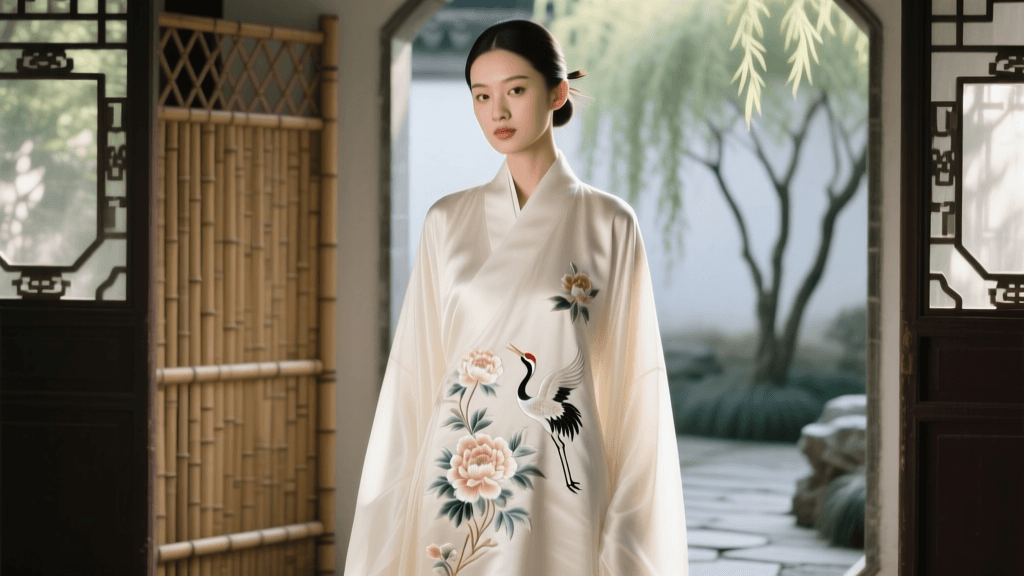
Meanwhile, Guo Pei continued her reign in the haute couture sphere, presenting pieces that incorporated Kesi (cut silk) tapestry techniques. As noted by the Metropolitan Museum of Art's Heilbrunn Timeline of Art History, Kesi weaving is so painstakingly detailed that it creates the illusion of carved silk. Guo Pei utilized this technique to render three-dimensional botanical motifs directly into the bodice of her gowns, effectively turning the garment into a wearable fresco. Uma Wang took a markedly different approach, focusing on the tactile, emotional resonance of tea-dyed silks and Xiangyunsha. Her 2026 exhibition pieces looked like living, breathing ancient scrolls walking down the runway, emphasizing the beauty of imperfection and the passage of time.
Collector’s Guide: Acquiring and Authenticating Pieces
For collectors, archivists, and luxury consumers, acquiring these exhibition pieces requires a nuanced understanding of the textile market in 2026. The surge in global demand has significantly impacted the pricing and availability of authentic heritage fabrics. When sourcing bespoke pieces or purchasing directly from runway archives, buyers must navigate a complex landscape of lead times and authentication protocols.
- Verify the Weave Structure: Authentic Song brocade and Kesi silk have distinct reverse sides. While machine-made imitations often use a simple jacquard backing that leaves loose threads, genuine hand-woven Kesi features identical patterns on both sides with distinct vertical slits where color blocks meet.
- Understand Lead Times: The production of heritage textiles is inherently slow. As of 2026, lead times for bespoke Kesi silk panels average 14 to 18 months, while Xiangyunsha requires specific seasonal humidity and sunlight conditions, limiting its dyeing season to just a few months a year in Guangdong province.
- Request Digital Provenance: Always insist on a Digital Product Passport (DPP). In 2026, reputable ateliers embed scannable NFC threads into the hems of couture garments, linking the physical piece to a blockchain ledger that verifies the master weaver, the sericulture farm, and the exact loom used.
- Budget for Conservation: The acquisition cost is only the beginning. Collectors must allocate an additional 5% to 10% of the purchase price annually for professional textile conservation and climate-controlled storage.
The Integration of Digital Product Passports
A major development in the 2026 luxury landscape is the integration of Digital Product Passports (DPPs) for heritage textiles. To combat the proliferation of machine-made imitations masquerading as hand-woven heritage pieces, top Chinese ateliers have partnered with international blockchain consortiums. This digital passport traces the silk back to its exact origins, ensuring that the artisans are fairly compensated and the cultural integrity of the textile is maintained. This aligns with the broader push for transparency recognized by organizations like UNESCO, which safeguards the sericulture and silk craftsmanship of China as an Intangible Cultural Heritage. For the collector, this means the provenance of a 2026 couture piece is as verifiable as a fine art painting, significantly bolstering its investment value at auction.
Storage and Maintenance of Investment Garments
Proper maintenance of these investment pieces is critical to preserving both their financial and historical value. The protein structure of silk makes it highly susceptible to environmental fluctuations. Garments featuring Xiangyunsha or Song brocade must be stored in a climate-controlled environment maintaining a strict temperature of 65°F (18°C) and a relative humidity level between 45% and 55%.
Never store these garments in plastic covers, which can trap moisture and emit off-gassing chemicals that degrade silk fibers over time. Instead, use unbleached, washed cotton garment bags. For pieces with heavy Kesi embellishments or Yun brocade integrated with metallic threads, flat storage in acid-free archival boxes with interleaving tissue is mandatory to prevent the weight of the metal threads from tearing the delicate silk warp over time. When displaying these pieces in private collections, ensure that UV-filtering glass is used, and light exposure is limited to a maximum of 50 lux to prevent the natural plant dyes from fading.
Conclusion
The presence of Chinese heritage textiles at Paris Fashion Week and international exhibitions in 2026 represents much more than a passing trend; it is a profound reclamation of sartorial history. By elevating Song brocade, Xiangyunsha, and Kesi silk to the highest echelons of global haute couture, designers are ensuring that these ancient techniques remain relevant, financially viable, and culturally revered. For the discerning collector, investing in these pieces is an opportunity to own a tangible fragment of living history, bridging the gap between the ancient looms of the East and the modern runways of the West.