Best Hanfu Styles For Tai Chi And Qigong Practice 2026
The Intersection of Hanfu and Wellness in 2026
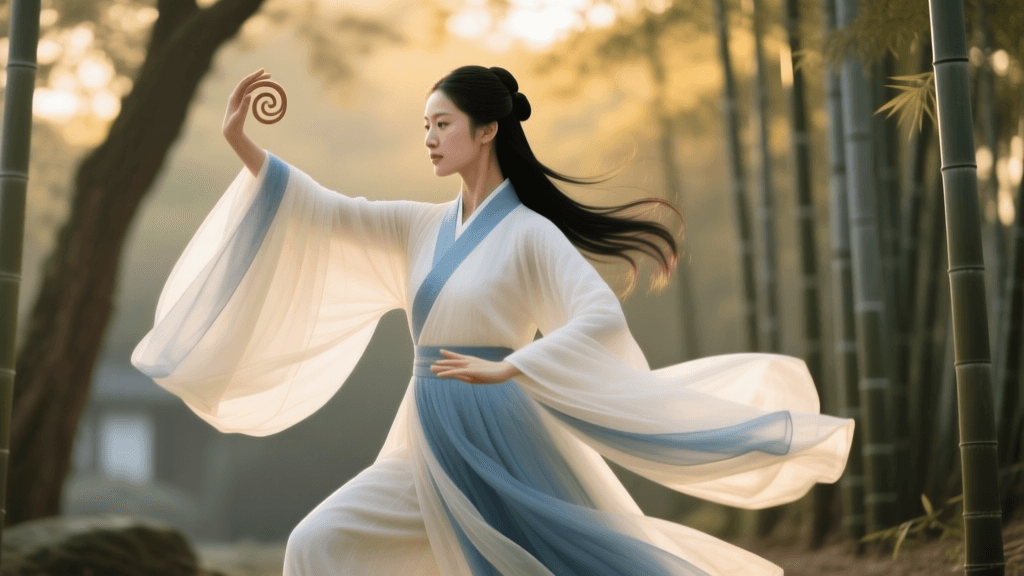
The global wellness movement has increasingly embraced traditional Eastern practices, and in 2026, the intersection of the Hanfu revival and mindful movement has reached new heights. As practitioners seek deeper cultural immersion during their Tai Chi and Qigong routines, the demand for functional, historically inspired activewear has surged. The Xin Zhongshi (new Chinese style) movement has brilliantly adapted ancient silhouettes to meet the biomechanical demands of modern wellness practices. No longer confined to ceremonial wear or photography, today’s Hanfu is engineered for breathability, unrestricted joint mobility, and optimal Qi flow.
According to the National Center for Complementary and Integrative Health, Tai Chi and Qigong are highly recommended for improving balance, reducing stress, and enhancing overall physical function. However, practicing these flowing martial arts in restrictive modern clothing can hinder the deep diaphragmatic breathing and expansive arm movements required. This is where the strategic selection of traditional Chinese garments becomes essential. In this comprehensive guide, we explore the best Hanfu silhouettes, fabric innovations, and footwear options for your wellness practice in 2026.
Why Fabric Choice Matters in Qigong and Tai Chi
In traditional Chinese medicine and martial arts, the concept of Qi (vital energy) flowing unimpeded through the body is paramount. Heavy, non-breathable fabrics trap heat and restrict the micro-movements of the skin, which can distract from the meditative state required for Qigong. In 2026, the most sought-after wellness Hanfu utilize advanced natural fibers that honor historical weaving techniques while offering modern moisture-wicking properties.
1. Bamboo-Linen Blends (Zhu Ma)
The 2026 Xin Zhongshi market has heavily favored bamboo-linen blends. Bamboo fiber is naturally antibacterial, incredibly soft against the skin, and possesses excellent thermoregulating properties. When blended with structured linen, the fabric gains enough body to maintain the elegant drape of traditional Hanfu while allowing air to circulate during intense summer Tai Chi sessions in the park.
2. Washed Ramie (Xia Bu)
Historically used for summer garments in southern China, modern washed ramie has been softened through advanced enzymatic treatments. It offers a crisp, lightweight feel that does not cling to the body when sweating, making it ideal for vigorous Qigong forms like the Ba Duan Jin (Eight Pieces of Brocade).
3. Matte Mulberry Silk
While traditional shiny silk can be slippery and delicate, 2026 has seen the rise of matte-finish, crepe-textured Mulberry silk specifically treated for activewear. It provides a luxurious drape that accentuates the fluid, circular movements of Tai Chi, visually tracing the path of the practitioner's energy.
Top Hanfu Silhouettes for Unrestricted Movement
Not all Hanfu are created equal when it comes to martial arts and wellness. Ceremonial garments with floor-sweeping sleeves and tight collars are impractical for physical exertion. Below are the top three historically accurate silhouettes that have been optimized for the 2026 wellness practitioner.
1. The Song Dynasty Beizi (褙子)
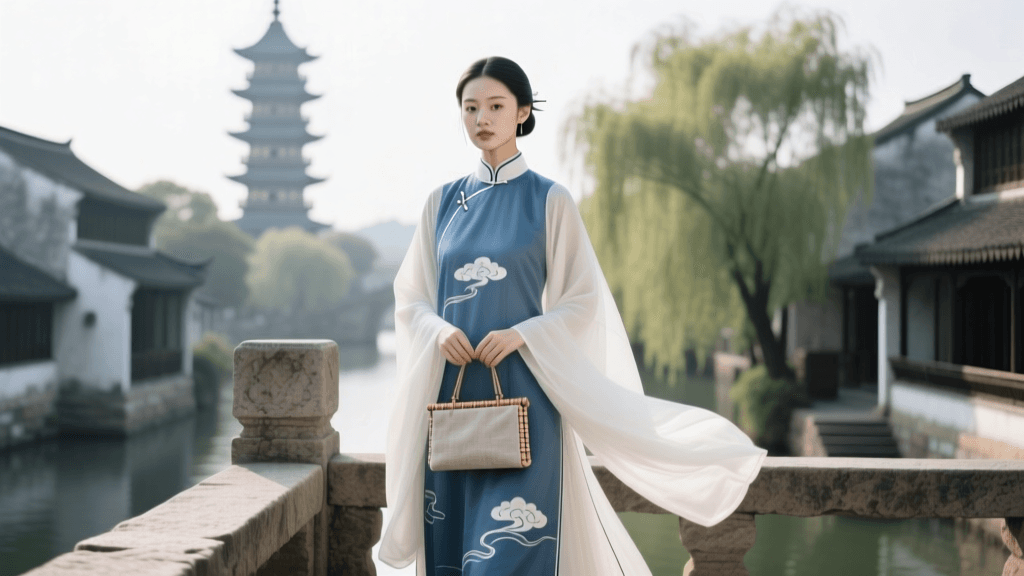
The Beizi is an open-front, long jacket that became a staple of the Song Dynasty. For Tai Chi, the Beizi is unparalleled. Its signature feature is the continuous side slit that often extends from the armpit down to the hem. This design allows for complete freedom of the hips and legs during deep stances like the 'Snake Creeps Down' or wide horse stances. Modern 2026 wellness adaptations feature slightly widened sleeves and reinforced underarm gussets, adding up to four inches of lateral mobility for expansive 'Cloud Hands' movements without pulling the collar away from the neck.
2. The Ming Dynasty Daopao (道袍) with Activewear Modifications
The Daopao, or Taoist robe, is deeply connected to the philosophical roots of Tai Chi. Characterized by its flowing A-line shape and side panels that tuck inward, it offers a majestic silhouette. However, traditional Daopao can be heavy. The 2026 wellness-specific Daopao utilizes ultra-lightweight cotton-ramie blends and eliminates the heavy inner lining. The sleeves are tapered slightly at the wrist to prevent fabric from catching on the hands during intricate sword or fan forms, while the voluminous body allows for deep abdominal breathing without any waistband constriction.
3. The Tang Dynasty Banbi (半臂) and Kua (袴)
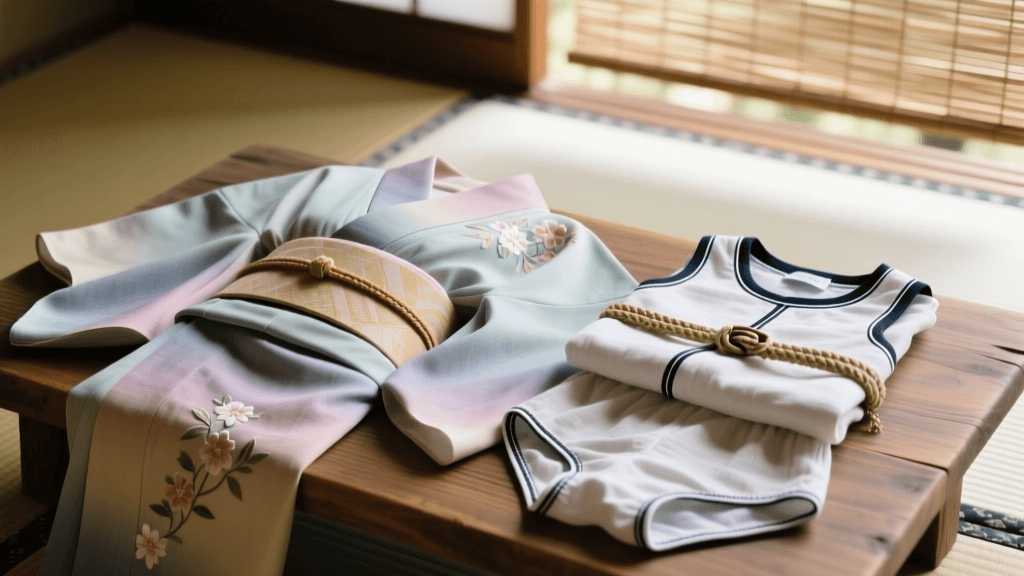
For warmer climates or more vigorous Qigong routines, the Tang Dynasty Banbi (a short-sleeved, half-length jacket) paired with Kua (traditional loose-fitting trousers) is the ultimate combination. The Banbi provides a structured, elegant upper body silhouette that frames the practitioner's posture, while the short sleeves ensure the arms remain cool. The Kua trousers, gathered at the ankle or calf, prevent tripping during dynamic footwork and kicking drills often found in Tai Chi Chuan martial applications.
2026 Fabric Comparison Chart for Wellness Practitioners
Choosing the right material depends on your specific practice environment and intensity. Below is a comparative analysis of the top fabrics used in wellness Hanfu this year.
| Fabric Type | Breathability | Drape Quality | Moisture Management | 2026 Avg Price (USD) |
|---|---|---|---|---|
| Bamboo-Linen Blend | Excellent | Moderate | High | $85 - $130 |
| Washed Ramie | Superior | Crisp/Light | Very High | $70 - $110 |
| Matte Mulberry Silk | Moderate | Fluid/Heavy | Low | $180 - $260 |
| Organic Cotton Crepe | High | Soft/Structured | Moderate | $60 - $95 |
Footwear and Accessories for Grounding
A critical component of Tai Chi is 'rooting'—the physical and energetic connection to the ground. Thick-soled modern running shoes disrupt this connection and alter the natural alignment of the knees and hips. In 2026, practitioners are returning to traditional cloth shoes (Bu Xie) and minimalist leather-soled Tai Chi slippers.
- Traditional Thousand-Layer Sole Cloth Shoes: These shoes feature soles made from compressed cotton layers, offering a firm, flat base that allows the toes to grip the ground. They provide excellent tactile feedback, essential for maintaining balance during single-leg stances like 'Golden Rooster Stands on One Leg'.
- Minimalist Split-Toe Tai Chi Slippers: A modern innovation gaining traction in 2026, these feature a thin, flexible rubber sole with a split-toe design that mimics barefoot practice while protecting the skin from rough outdoor surfaces like concrete or gravel.
- Silk Sashes (Yao Dai): Instead of rigid leather belts, a soft silk or cotton sash tied around the lower Dantian (the body's energy center, located just below the navel) provides gentle core support and serves as a tactile reminder to keep the breath low and centered.
Warm-Up Routines and Garment Integration
Research highlighted by Harvard Health Publishing confirms that the slow, deliberate movements of Tai Chi act as a form of moving meditation, significantly reducing cortisol levels and improving cardiovascular health. To maximize these benefits, your warm-up should integrate the garments you are wearing. Begin with gentle neck and shoulder rolls to allow the collar of your Beizi or Daopao to settle comfortably against your skin. Perform deep, diaphragmatic breaths to ensure the torso of your Hanfu expands smoothly without pulling at the seams. This mindful integration of clothing and body helps transition the mind from the stresses of daily life into the focused state required for Qigong.
Caring for Your Wellness Hanfu
Activewear Hanfu requires specific maintenance to preserve both the historical aesthetics and the functional fibers. Because these garments are exposed to sweat and outdoor elements, proper care is essential.
- Washing: Avoid harsh chemical detergents that break down natural bamboo and silk proteins. Use a pH-neutral, plant-based detergent. Hand wash in cool water, gently agitating the fabric to release salts and oils.
- Drying: Never wring out ramie or silk, as this breaks the fibers and causes permanent creasing. Press the water out using a clean, dry towel, and lay the garment flat on a mesh drying rack in the shade. Direct sunlight will degrade the natural dyes often used in Xin Zhongshi garments.
- Storage: Store your practice Hanfu hanging on wide, padded wooden hangers to maintain the shoulder structure. For long-term storage between seasonal practice shifts, fold the garments with acid-free tissue paper inside a breathable cotton canvas bag to prevent moisture buildup and mold.
Conclusion
As we move through 2026, the fusion of traditional Chinese garments and mindful wellness practices continues to offer a profound way to connect with cultural heritage while nurturing physical health. By selecting the right Hanfu silhouettes—like the expansive Song Dynasty Beizi or the breathable Tang Dynasty Banbi—and prioritizing natural, high-performance fabrics, practitioners can elevate their Tai Chi and Qigong routines. The clothing becomes more than just an aesthetic choice; it becomes an active participant in the flow of Qi, supporting every breath, stance, and movement on the path to holistic well-being.