Hanfu Travel Wardrobe 2026: Packing Essentials & Styling Tips
The 2026 Hanfu Travel Renaissance
As we navigate the 2026 global travel season, the intersection of heritage tourism and traditional dress has evolved from a niche photography trend into a sophisticated, everyday lifestyle movement. Travelers exploring the ancient city walls of Xi'an, the misty tea terraces of Hangzhou, or even participating in cultural exchanges in Kyoto and Seoul are increasingly integrating traditional Chinese garments into their destination wardrobes. However, traveling with Hanfu presents unique logistical challenges. The intricate pleats of a mamianqun, the delicate silks of a ruqun, and the fragile metalwork of traditional hairpins require a strategic approach to packing and garment care.
This comprehensive guide explores the essential 2026 Hanfu travel wardrobe, focusing on climate-adaptive fabrics, space-saving packing techniques, and on-the-road maintenance. Whether you are embarking on a high-speed rail journey across China's historical provinces or attending an international traditional arts festival, mastering the art of the Hanfu travel wardrobe ensures you look impeccable while honoring the rich heritage of Asian traditions.
Building Your Core Destination Wardrobe
A successful travel wardrobe relies on versatility, layering, and wrinkle resistance. In 2026, modern textile innovations have merged with historical silhouettes, allowing travelers to enjoy authentic aesthetics without the burden of high-maintenance historical fabrics.
The Mamianqun (Horse-Face Skirt) for Transit
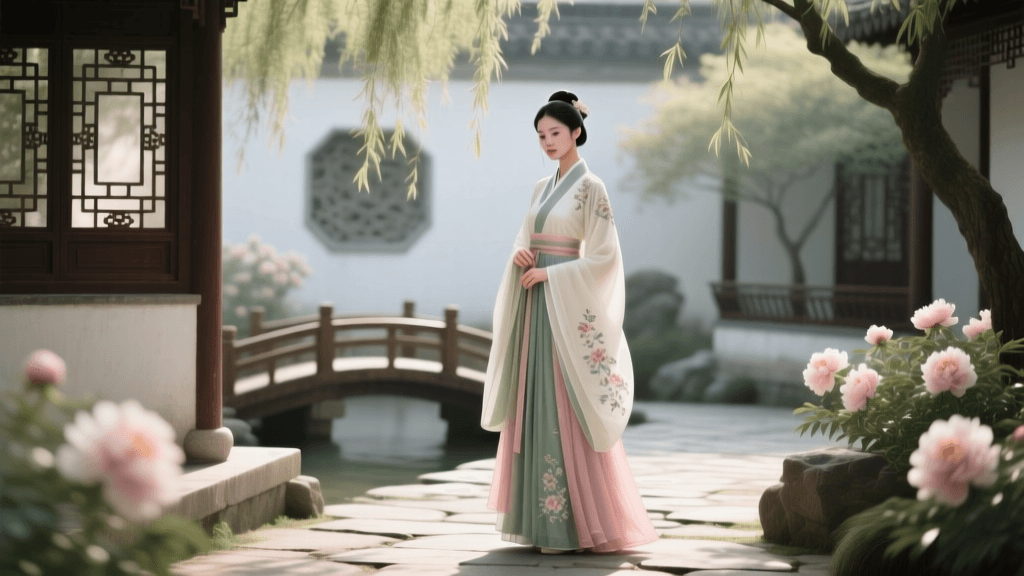
The Mamianqun remains the undisputed champion of the Hanfu travel wardrobe. Characterized by its flat front and back panels with heavily pleated sides, this skirt offers a regal silhouette that transitions seamlessly from a museum tour to a formal dinner. For travel, opt for a mamianqun woven from a polyester-silk blend or high-density jacquard. These modern 2026 fabrications hold their knife-pleats exceptionally well, even after being compressed in a suitcase, and resist wrinkling far better than pure mulberry silk.
Song-Style Beizi for Layering
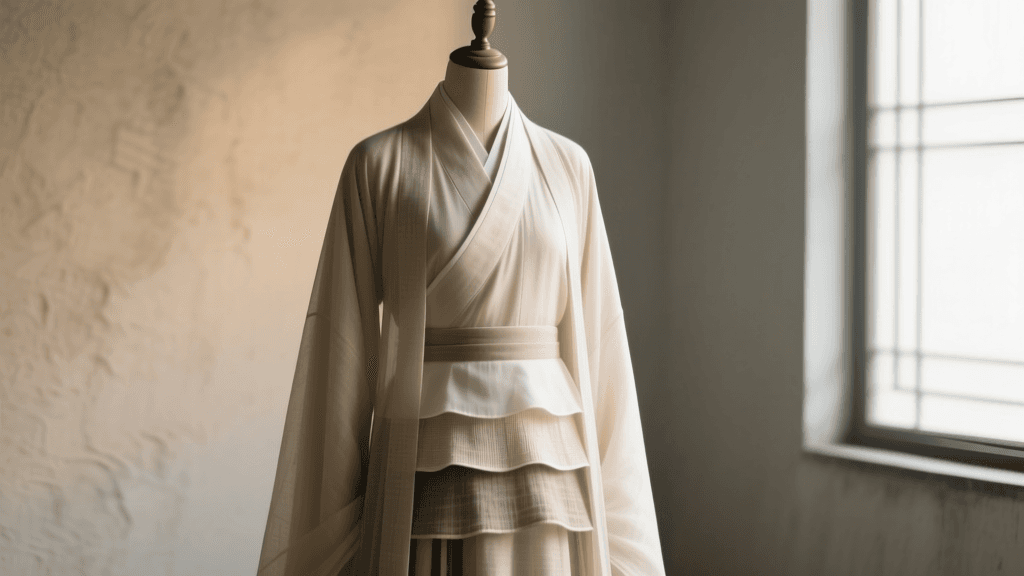
The Song-dynasty Beizi (a long, open-front jacket) is the ultimate travel layering piece. It provides elegance and modesty while allowing for temperature regulation. Pack a lightweight, semi-sheer Beizi for humid destinations and a heavier, lined brocade Beizi for cooler, high-altitude heritage sites. Its straight cut and side slits make it incredibly comfortable for long flights and train rides, functioning almost like a luxurious duster coat.
Eco-Dyed Ruqun for Summer Excursions
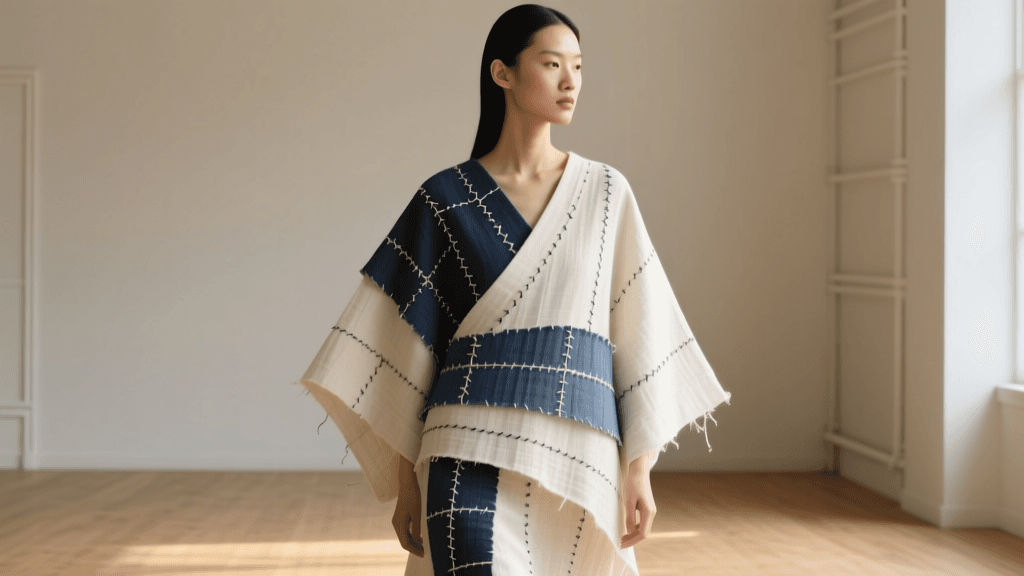
For warmer climates, the Ruqun (a blouse and skirt ensemble) is essential. In 2026, there is a massive surge in travel-friendly Hanfu dyed using natural, eco-friendly methods such as indigo, madder root, and gardenia. These plant-based dyes not only offer beautiful, muted earth tones that photograph beautifully in natural light but also possess natural antibacterial properties, which is a significant advantage when you need to wash and re-wear garments in hotel sinks.
Climate Adaptation Matrix
Asia's heritage destinations span vastly different microclimates. Choosing the right Hanfu style and fabric weight is critical for comfort. Below is a strategic matrix for matching your garments to your 2026 travel itinerary.
| Destination Type | Climate Profile | Recommended Hanfu Style | Optimal Fabric Choice |
|---|---|---|---|
| Xi'an / Luoyang (Arid/Continental) | Dry, hot days, cool nights, dusty | Ming-style Aoqun (lined jacket + skirt) | Cotton-linen blends, medium-weight jacquard |
| Hangzhou / Suzhou (Subtropical) | High humidity, frequent rain, warm | Tang-style Qixiong Ruqun, sheer Beizi | Washable organza, eco-dyed lightweight ramie |
| Kyoto / Seoul (Temperate/Urban) | Four distinct seasons, high walking volume | Song-style Beizi over pleated skirts | Wrinkle-resistant poly-silk, breathable crepe |
| Yunnan Highlands (Alpine) | High UV index, sharp temperature drops | Layered Ming-style with斗篷 (Doupeng/cloak) | Wool-blend skirts, thermal inner layers |
The Art of Packing Pleats and Silks
The most daunting aspect of Hanfu travel is packing the mamianqun without destroying its meticulously pressed pleats. Improper folding will result in a skewed silhouette that is nearly impossible to fix with a standard hotel iron. Follow this specialized rolling method to preserve your garment's structural integrity.
Step-by-Step Mamianqun Packing
- Step 1: The Flat Lay. Lay the skirt completely flat on a clean bed. Ensure the flat front and back panels are perfectly aligned, and the side pleats are naturally fanned out.
- Step 2: Panel Alignment. Fold the skirt in half vertically, bringing the left and right flat panels together. The pleats should now be stacked neatly on top of one another.
- Step 3: The Pleat Lock. Place a sheet of acid-free tissue paper or a clean, smooth cotton cloth over the pleated section. This prevents friction and snagging during transit.
- Step 4: The Cylinder Roll. Starting from the hem (never the waistband, to avoid crushing the waistband structure), roll the skirt tightly into a cylinder. Rolling, rather than folding, prevents hard creases from forming across the horizontal grain of the fabric.
- Step 5: Compression. Place the rolled skirt into a silk or satin drawstring bag. Avoid vacuum compression bags, as the extreme pressure will permanently set wrinkles into the jacquard weave.
Organizing Accessories and Hairpins
Traditional Hanfu hairstyles require an array of buyao (tasselled hairpins), zanzi (hair sticks), and shanhua (combs). In 2026, airport security protocols across Asia are highly sensitive to long metal objects in carry-on luggage. Always pack metal hairpins in your checked luggage, secured inside a hard-shell jewelry organizer to prevent the delicate filigree and enamel work from bending or chipping. For carry-on travel, opt for resin, wood, or acetate hairpins, which easily pass through security scanners without raising alarms.
Footwear: Bridging History and Ergonomics
Historically, Hanfu was worn with flat cloth shoes or wooden clogs, neither of which is suitable for the 15,000+ daily steps required when exploring vast UNESCO World Heritage sites. According to guidelines on sustainable heritage tourism, preserving the physical well-being of the traveler is key to enjoying slow, immersive travel.
In 2026, the market offers 'Cloud-Shoe' inspired sneakers. These modern hybrids feature the traditional upturned toe and embroidered cloud motifs of ancient Chinese footwear but are built on modern ergonomic EVA foam soles with arch support. Pairing a mamianqun with these specialized heritage sneakers is now widely accepted in the Hanfu community and is the only practical choice for full-day excursions across cobblestone alleys and temple steps.
On-the-Road Garment Care and Maintenance
Maintaining a pristine Hanfu wardrobe on the road requires a compact, highly effective care kit. Hotel laundry services are notoriously unfamiliar with traditional garment structures and may accidentally iron pleats flat or use harsh chemicals that strip natural eco-friendly dyes.
The 2026 Travel Care Kit
- Portable Handheld Steamer: A dual-voltage, 2026-model travel steamer is non-negotiable. Steaming is the only safe way to remove wrinkles from silk and jacquard without crushing the fabric's texture. Always steam the flat panels of the mamianqun and avoid direct, prolonged steam on the pleated edges to prevent them from puffing out.
- Eco-Friendly Detergent Sheets: For sink-washing eco-dyed ruqun, bring biodegradable, pH-neutral detergent sheets. These take up zero space, prevent liquid spills in your luggage, and are gentle enough to preserve the integrity of plant-based indigo and madder dyes.
- Static Guard Spray: Synthetic travel blends are prone to static cling, which can cause the skirt to wrap awkwardly around the legs. A small, travel-sized bottle of anti-static spray is essential for dry climates like Xi'an.
- Microfiber Spot-Cleaning Towel: Street food is a major part of Asian heritage travel. A damp microfiber cloth can quickly lift soy sauce or tea stains from a silk collar before they set.
Embracing the Cultural Narrative
Wearing Hanfu while traveling is more than a sartorial choice; it is an act of cultural participation. Institutions like the Smithsonian's National Museum of Asian Art continually highlight how historical garments serve as living conduits to the past, connecting modern wearers to centuries of artisanal craftsmanship. When you wear your carefully packed, climate-appropriate Hanfu through the gates of the Forbidden City or along the banks of the West Lake, you become part of a living, breathing tapestry of Asian traditions.
By thoughtfully selecting wrinkle-resistant fabrics, mastering the art of the pleat-roll, and packing an ergonomic, heritage-inspired care kit, your 2026 Hanfu travel wardrobe will be a source of joy rather than stress. Embrace the elegance, respect the history, and enjoy a seamless journey through the world's most breathtaking cultural landscapes.