Japanese Boro and Sashiko in Global Fashion Collabs 2026
The Renaissance of Wabi-Sabi in 2026 Global Fashion
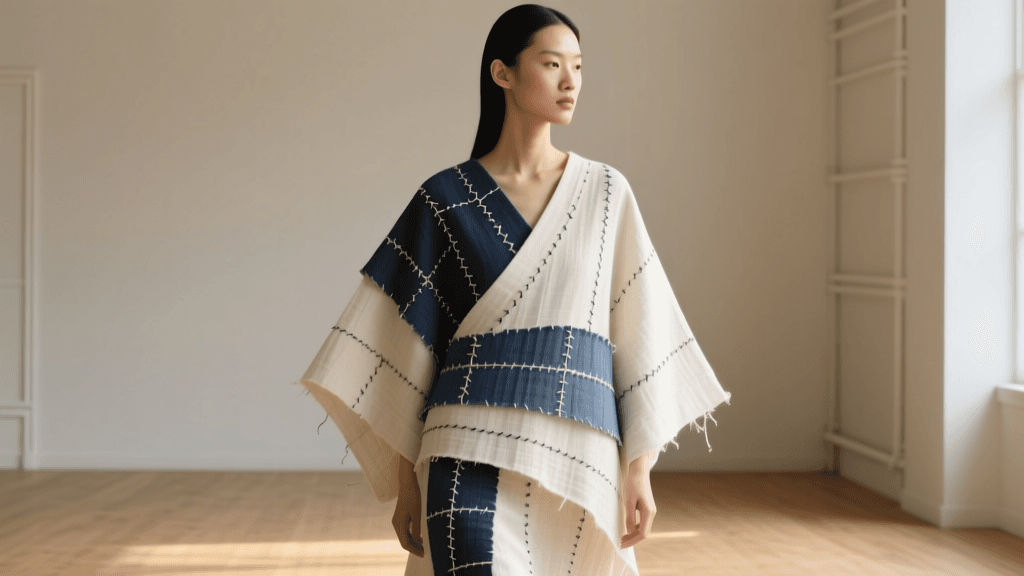
In the ever-evolving landscape of international design, the year 2026 marks a definitive turning point where the global fashion industry has fully embraced the Japanese philosophy of wabi-sabi—the acceptance of transience and imperfection. Moving decisively away from the mass-produced, logo-heavy trends of the early 2020s, today's most prestigious international design collaborations are rooting their narratives in heritage, longevity, and artisanal craftsmanship. At the forefront of this movement are traditional Japanese textile techniques, specifically Boro and Sashiko, which have transitioned from regional historical artifacts to highly coveted elements in global luxury and premium streetwear partnerships. As consumers in 2026 demand deeper storytelling and verifiable sustainability from their garments, the intersection of Western design silhouettes and Eastern ancestral textile methods has created a booming niche market that celebrates the beauty of the mended, the dyed, and the hand-stitched.
Boro and Sashiko: From Peasant Wear to Parisian Runways
To understand the magnitude of these modern collaborations, one must first appreciate the historical weight of the textiles involved. Boro, derived from the Japanese word 'boroboro' meaning tattered or repaired, was born out of sheer necessity in the rural, northern regions of Japan during the Edo period. Peasants, unable to afford expensive silk or abundant cotton, would mend their hemp and cotton garments with scrap fabrics, creating multi-generational, heavily layered textiles that told the story of a family's survival. Sashiko, the functional running stitch used to bind these layers together, evolved from a purely utilitarian method of reinforcement into a highly sophisticated decorative art form characterized by precise, geometric white thread patterns against deep indigo backgrounds.
Today, these techniques are celebrated not for their poverty-stricken origins, but for their profound sustainability and aesthetic depth. Institutions like the Victoria and Albert Museum have long documented the intricate history of Japanese garments, noting how the structural integrity and visual poetry of regional textiles have continuously influenced global design sensibilities. In 2026, European heritage houses and American outdoor brands are no longer merely mimicking these patterns through digital printing; they are actively partnering with multi-generational artisan guilds in regions like Aomori and Okayama to produce authentic, hand-stitched collaborative capsules.
The 2026 Collaboration Matrix: East Meets West
The integration of Japanese heritage textiles into Western fashion is not a monolith. In 2026, the market is segmented into distinct tiers of collaboration, each with its own approach to sourcing, pricing, and design integration. Below is a comprehensive breakdown of how these international partnerships are currently structured across the global fashion ecosystem.
| Collaboration Tier | Primary Technique Focus | 2026 Average Price Point (USD) | Design and Sourcing Characteristics |
|---|---|---|---|
| Haute Couture & Luxury | Vintage Boro integration, Silk Sashiko | $4,500 - $15,000+ | Archival vintage Boro panels deconstructed and tailored into modern luxury silhouettes; one-of-a-kind pieces. |
| Premium Streetwear | Heavyweight Indigo Sashiko, Kakishibu (persimmon dye) | $800 - $2,500 | Limited-run capsule collections featuring newly woven, hand-stitched Sashiko on modern streetwear staples like chore coats and wide-leg denim. |
| Heritage Outdoor & Workwear | Functional Boro mending, Reinforced Sashiko | $350 - $900 | Focus on durability and weather resistance; collaborations emphasize the utilitarian roots of the textiles for modern technical outerwear. |
| Accessory & Lifestyle Capsules | Sashiko leatherwork, Boro canvas | $150 - $600 | Application of traditional stitching techniques to non-traditional materials like full-grain leather, canvas tote bags, and footwear uppers. |
Navigating the 2026 Market: Sourcing and Authentication
For collectors, stylists, and enthusiasts looking to acquire pieces from these international collaborations, the 2026 market requires a discerning eye. The surge in popularity of 'craft-core' aesthetics has inevitably led to an influx of machine-embroidered imitations attempting to replicate the look of hand-stitched Sashiko. When sourcing authentic collaborative pieces, buyers must look for specific hallmarks of genuine artisanal production.
- The Reverse Side Test: Authentic hand-stitched Sashiko will show slight, natural irregularities on the reverse side of the fabric. Machine-embroidered fakes will display perfectly uniform, interlocking bobbin threads that lack the tactile depth of a continuous hand-pulled thread.
- Indigo Oxidation and Scent: Genuine 2026 collaborations utilizing traditional Awa-ai (Japanese natural indigo) will possess a distinct, earthy, slightly fermented scent. Furthermore, natural indigo continues to oxidize and shift in hue over time, meaning no two vintage or naturally dyed collaborative pieces will share the exact same color profile.
- Provenance and Guild Markings: Top-tier 2026 collaborations now include digital NFC tags woven into the garment's hem, which, when scanned, provide the buyer with the exact name of the artisan guild in Japan, the hours spent on the stitching, and the specific harvest year of the cotton or hemp used.
- Hardware Integration: In premium streetwear and outdoor collaborations, look for custom-milled hardware (buttons, rivets, zippers) that feature subtle Sashiko-inspired geometric engravings, indicating a holistic design approach rather than a simple fabric swap.
The Economics of Heritage: Pricing and Valuation
The economics driving these collaborations in 2026 reflect a broader industry shift toward 'slow fashion' valuation. Unlike traditional luxury goods, where the brand name commands the majority of the premium, collaborative Boro and Sashiko pieces are priced based on labor intensity and material scarcity. A single master artisan in Okayama may only be able to produce three meters of complex, hand-stitched Sashiko fabric per month. Consequently, global brands must absorb these high labor costs, resulting in retail prices that reflect true artisanal compensation.
Investors and archivists are also noting a significant appreciation in the secondary market for early collaborative pieces from the late 2010s and early 2020s. However, the 2026 primary market remains the most vibrant, with brands utilizing a 'pre-order and craft' model. Consumers pay a 50% deposit upfront, allowing the Japanese ateliers to dye and stitch the garments to order, thereby eliminating the massive inventory waste that plagued the fashion industry in previous decades.
Sustainability, Preservation, and the UNESCO Factor
Beyond the aesthetics of the runway, these international design collaborations serve a vital socio-economic function in rural Japan. The aging population of master dyers and stitchers has threatened the survival of these ancestral techniques. By injecting global capital and contemporary relevance into these crafts, international fashion houses are actively funding the next generation of artisans. This aligns closely with the objectives outlined by UNESCO's Representative List of the Intangible Cultural Heritage of Humanity, which emphasizes the need to safeguard traditional craftsmanship through contemporary economic viability rather than mere museum preservation.
Furthermore, the environmental impact of these collaborations is a major selling point in 2026. As detailed in recent analyses by The Business of Fashion's sustainability reports, the use of natural indigo, organic hemp, and upcycled vintage Boro panels drastically reduces the water pollution and microplastic shedding associated with modern synthetic garment production. Global brands are leveraging these partnerships not just for design clout, but to meet stringent new 2026 European Union regulations regarding textile circularity and supply chain transparency.
Cultural Appreciation vs. Appropriation in Modern Design
A critical and ongoing conversation in 2026 revolves around the ethical boundaries of international design. The fashion industry has learned hard lessons from past decades regarding cultural appropriation. Today, successful collaborations are defined by equitable partnerships rather than extractive borrowing. Leading global brands no longer simply purchase vintage Boro textiles from Japanese brokers to cut up and sew into Western garments without context. Instead, the gold standard for 2026 involves co-designing, where Japanese artisans are credited as co-creative directors, receive royalties on the collaborative capsules, and retain intellectual property rights over their specific regional stitching patterns.
This ethical framework has elevated the discourse surrounding Japanese fashion in international design. Consumers are highly educated and demand to know that the artisans in Tohoku or Shikoku are being compensated fairly and that the cultural significance of the mending techniques is being honored, rather than reduced to a mere visual motif for a seasonal trend.
Looking Ahead: The Future of Japanese Textile Collaborations
As we move through the latter half of 2026, the trajectory of Japanese fashion in international design collaborations is pointing toward even deeper material innovation. We are beginning to see experimental partnerships where traditional Sashiko stitching is being used to bind advanced, lab-grown bio-textiles and recycled ocean plastics, merging ancient mending philosophies with cutting-edge material science. The enduring appeal of Boro and Sashiko lies in their fundamental truth: they are techniques born of respect for the material, a refusal to waste, and a belief that time and repair only add beauty to an object. In a global fashion landscape desperate for authenticity and ecological responsibility, the ancestral wisdom of Japanese textile artisans has never been more relevant, more valuable, or more beautifully integrated into the global wardrobe.