Best Japanese Fashion Schools & Workshops For Traditional Wear 2026
The Renaissance of Wafuku Education in 2026
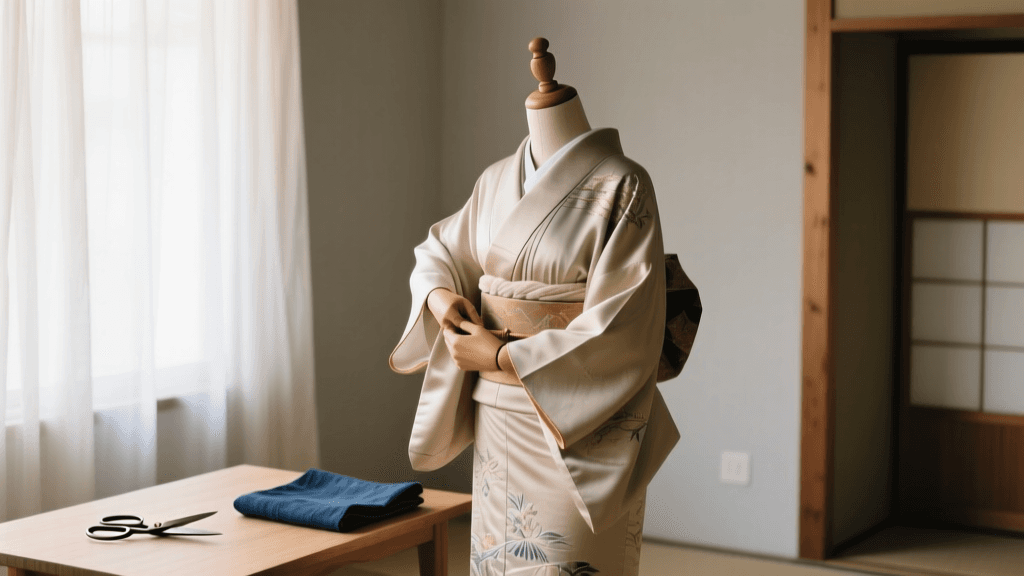
The global appreciation for Japanese traditional garments, collectively known as Wafuku, has reached unprecedented heights in 2026. As the fashion industry increasingly pivots toward sustainability, zero-waste pattern making, and artisanal craftsmanship, the techniques used to create kimono, yukata, and hakama are being studied not just as historical artifacts, but as vital, living design philosophies. For aspiring designers, textile artists, and cultural preservationists, Japanese fashion schools and specialized workshops offer an unparalleled education in these time-honored methods. Whether you are looking to master the straight-line cutting technique (chokusen-dachi) of kimono sewing or delve into the complex chemistry of natural indigo dyeing, the educational landscape in 2026 offers both immersive in-person experiences and cutting-edge online platforms.
Premier In-Person Institutions and Artisan Workshops
Bunka Fashion College: Bridging Heritage and Avant-Garde
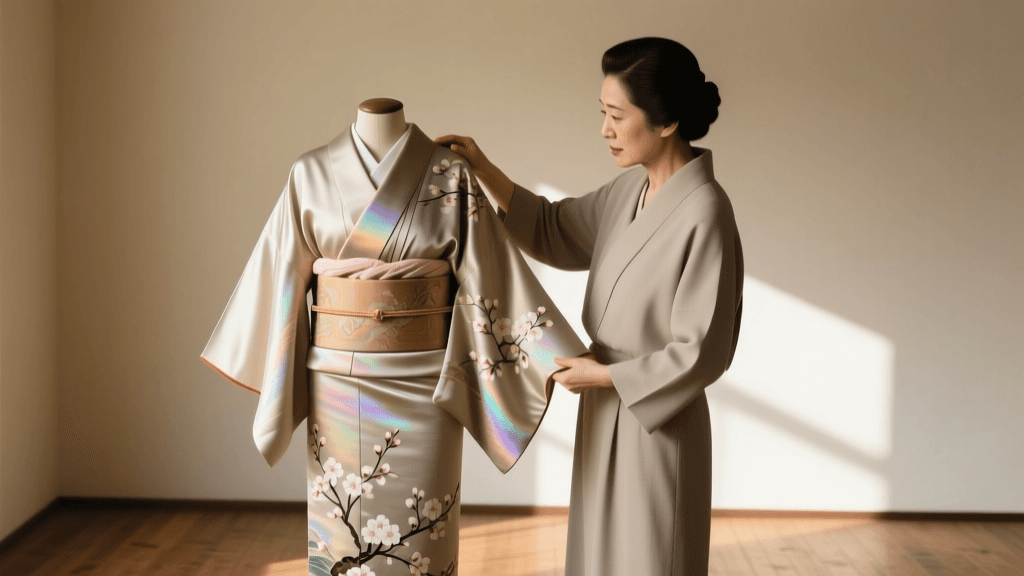
Located in the heart of Tokyo's Shinjuku district, Bunka Fashion College remains the most prestigious fashion institution in Japan. While globally renowned for producing avant-garde designers like Yohji Yamamoto and Junya Watanabe, Bunka has significantly expanded its continuing education and short-term workshop offerings in 2026 to focus on traditional Japanese garment construction. Their specialized 'Wafuku Tailoring and Textile Arts' intensive programs allow international and domestic students to study under master artisans. Students learn the meticulous art of Wasai (Japanese sewing), which relies on precise, straight seams that allow the garment to be completely disassembled, washed, and re-sewn—a masterclass in sustainable fashion. The 2026 curriculum also integrates modern 3D body scanning to understand how traditional flat-pattern drafting interacts with diverse global body types.
Kyoto Artisan Guilds and Regional Masterclasses
For those seeking hyper-specialized textile training, Kyoto remains the undisputed epicenter of Japanese dyeing and weaving. In 2026, several historic artisan guilds have opened their doors to short-term international apprenticeships. Workshops focusing on Kyo-Yuzen (resist dyeing) and Kyo-Shibori (intricate tie-dyeing) are highly sought after. These workshops are often hosted in traditional machiya (wooden townhouses), providing a deeply atmospheric learning environment. According to the Japan Traditional Crafts association, these regional initiatives are critical for passing down intangible cultural properties to a new generation of global makers, ensuring that techniques requiring decades to master do not fade into obscurity.
Top Online Platforms for Japanese Textile Arts
While traveling to Japan for an extended period is not feasible for everyone, the online learning ecosystem for traditional Japanese garments has matured remarkably by 2026. High-definition, multi-angle video instruction, combined with augmented reality (AR) pattern-drafting tools, has made remote learning highly effective.
Digital Kimono Sewing and Pattern Drafting
Several specialized e-learning platforms now offer comprehensive courses on constructing traditional garments from standard tanmono (bolts of cloth). Unlike Western tailoring, which involves complex curved seams and darts, Japanese pattern drafting is an exercise in geometric precision and spatial mathematics. Online courses in 2026 frequently include digital kits, where students download exact 1:1 scale PDF patterns optimized for home printing or local plotter services. Instructors guide students through the specific folding techniques required to cut the narrow 14-inch wide fabric bolts without wasting a single thread.
Sashiko, Boro, and Visible Mending Masterclasses
The philosophy of Boro (mending) and Sashiko (decorative reinforcement stitching) has become a cornerstone of the global sustainable fashion movement. Online workshops dedicated to these techniques teach students how to source authentic vintage indigo fabrics and execute the precise, rhythmic running stitches that define the craft. These courses often emphasize the meditative, wellness-oriented aspects of hand-stitching, aligning traditional Japanese practices with modern mental health and mindfulness trends.
Curriculum Comparison: In-Person vs. Online Learning
Choosing between flying to Japan for an immersive workshop or studying from your home studio depends on your budget, time, and learning objectives. Below is a comparison of the typical educational pathways available in 2026.
| Feature | In-Person (Tokyo/Kyoto) | Online Masterclasses (2026) |
|---|---|---|
| Cost (Tuition) | $2,500 - $6,000 USD | $150 - $450 USD |
| Duration | 2 to 6 Weeks Intensive | Self-Paced (10-40 Hours) |
| Access to Tools | Full studio access, industrial irons, traditional looms | Requires personal home studio setup |
| Feedback | Real-time, hands-on correction by masters | Asynchronous video reviews, community forums |
| Cultural Context | Immersive (tea ceremonies, shrine visits, fabric market tours) | Limited to video documentaries and virtual tours |
The 2026 Essential Home Studio Toolkit
If you opt for online learning or wish to continue your practice after an in-person workshop, assembling an authentic toolkit is essential. Western sewing tools often fail to accommodate the specific requirements of silk, hemp, and fine cottons used in Wafuku. Here is the essential 2026 shopping list for the traditional Japanese garment maker:
- Mekhiki (Bamboo Ruler): Essential for measuring and marking straight lines on fabric without stretching the bias. Look for rulers marked in the traditional shaku and sun measurements, alongside metric conversions.
- Hera (Marking Spatula): A smooth, deer-antler or bamboo spatula used to crease fabric and mark seam allowances without using ink or chalk, which can stain delicate silks.
- Wafuku-bari (Japanese Needles): Unlike Western sharps, these needles have smaller eyes and are specifically tempered to glide through tightly woven silk and linen without snagging.
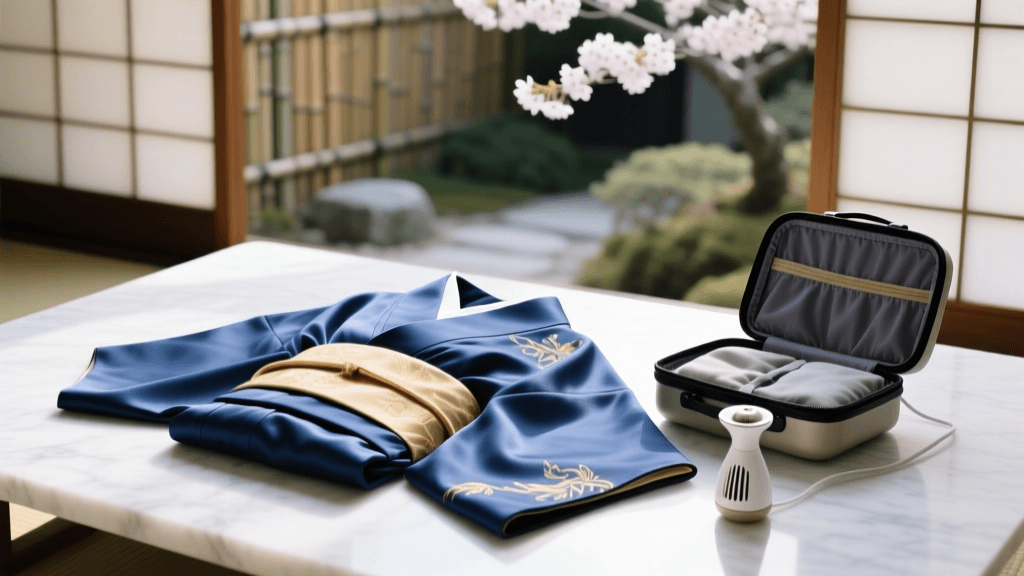
- Kote (Traditional Iron): While modern steam irons are common, a specialized heavy-bottomed, dry-heat iron is preferred for pressing seams open in thick, indigo-dyed cottons and wools used in winter kimono.
- Kakehari (Fabric Tension Hook): A traditional tool used to hold fabric taut while executing intricate Sashiko stitching or Yuzen resist-painting, ensuring even tension across the textile.
Preserving Intangible Cultural Heritage
The push to educate a global audience in traditional Japanese garment making is not merely an aesthetic pursuit; it is a vital economic and cultural necessity. The Ministry of Economy, Trade and Industry (METI) has been actively supporting initiatives that designate specific regional textile techniques as Traditional Crafts. By opening workshops to international students and robusting online curricula, Japan is ensuring a steady influx of passion, innovation, and financial support into aging artisan communities. For the modern fashion student, engaging with these programs in 2026 is an opportunity to become a custodian of human history, translating centuries of sartorial wisdom into the sustainable fashion paradigms of the future.