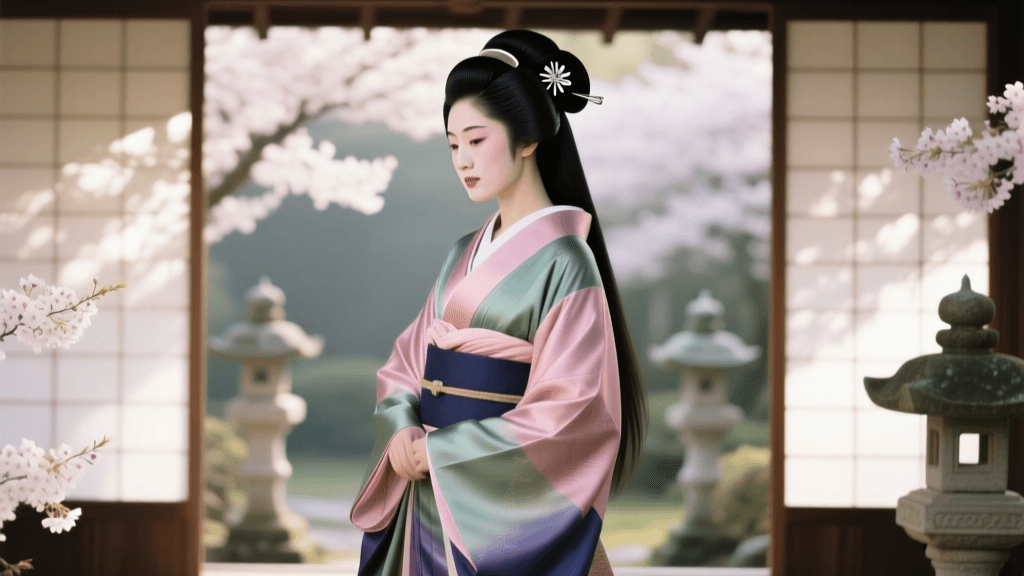
Mindful Kitsuke: Kimono Dressing For Wellness In 2026
The Rise of Somatic Dressing in 2026
As we navigate the hyper-digital landscape of 2026, where augmented reality mirrors and algorithmically generated micro-trends dominate the fashion sphere, a profound counter-movement has taken root in the global wellness community. This movement is known as 'somatic dressing'—the practice of treating the act of getting dressed not as a hurried daily chore, but as a deliberate, embodied mindfulness exercise. At the very heart of this wellness revolution is the traditional Japanese art of kitsuke (kimono dressing).
Far from being an outdated relic, kitsuke has emerged in 2026 as a powerful tool for mental health, postural alignment, and slow fashion advocacy. By requiring patience, precision, and a deep sensory connection to natural textiles, the process of wrapping oneself in a kimono offers a daily sanctuary from the chaos of modern life. According to Harvard Health Publishing, engaging in mindful, repetitive physical routines can significantly lower cortisol levels, reduce anxiety, and foster a state of active meditation. Kitsuke perfectly encapsulates this therapeutic mechanism.
What is Kitsuke? The Moving Meditation of Kimono
Kitsuke translates literally to 'the wearing of clothes,' but in the context of traditional Japanese garments, it refers to the highly structured, multi-layered process of putting on a kimono. Unlike Western garments that are slipped on or zipped up in seconds, a kimono is a flat, T-shaped piece of fabric that must be folded, wrapped, and tied directly onto the body. It requires the wearer to be acutely aware of their proportions, their posture, and their movements.
This deliberate slowness forces the brain to shift from the sympathetic nervous system (fight or flight) to the parasympathetic nervous system (rest and digest). The American Psychological Association notes that grounding techniques involving focused physical tasks are highly effective for stress management and emotional regulation. When you tie a koshihimo (waist tie) or adjust the eri (collar), you are practicing active mindfulness.
The Tactile Therapy of Natural Dyes and Textiles
A crucial component of the kitsuke wellness experience is sensory grounding through tactile engagement. Modern 2026 wellness practices heavily emphasize the importance of touching natural materials to regulate the nervous system. Traditional kimonos are crafted from materials like chirimen (silk crepe), ro (summer gauze), and tsumugi (slubbed silk), often dyed using botanical sources such as indigo, safflower, and persimmon.
Running your fingers over the textured grain of a vintage silk crepe or feeling the cooling touch of ramie linen provides immediate sensory feedback. This tactile stimulation anchors the mind in the present moment, pulling it away from digital screens and abstract worries. The faint, natural scent of camphor or aged silk from a well-preserved vintage garment further engages the olfactory senses, deepening the meditative state.
The Mindful Kitsuke Routine: A Step-by-Step Guide
Transforming your morning routine into a wellness ritual requires setting aside approximately 20 to 30 minutes. Here is how to practice mindful kitsuke in 2026.
1. Grounding and Garment Selection
Begin by standing barefoot on a natural surface, such as a tatami mat or wooden floor. Take five deep, diaphragmatic breaths. Select your kimono not based on fleeting trends, but on how the color and seasonality align with your internal state. If you feel scattered, choose a grounding earth tone like matcha green or deep indigo. If you need energy, opt for a vibrant yuzen-dyed floral pattern.
2. The Base Layers (Juban) and Sensory Awareness
Put on the hadajuban (undergarment) and nagajuban (thin robe). As you tie the datejime (under-belt), focus entirely on the sensation of the fabric against your skin. Acknowledge the labor of the artisans who wove and dyed the silk. This practice cultivates gratitude, a core pillar of psychological wellbeing.
3. Wrapping the Kimono and Posture Alignment
Drape the kimono over your shoulders. Align the se-cho (the center back seam) perfectly with your spine. This step is crucial for physical wellness; it naturally forces you to straighten your back, roll your shoulders down, and engage your core. The structural requirement of the kimono acts as a gentle, non-restrictive posture corrector, alleviating the 'tech-neck' prevalent in our screen-heavy era.
4. Tying the Obi as a Centering Practice
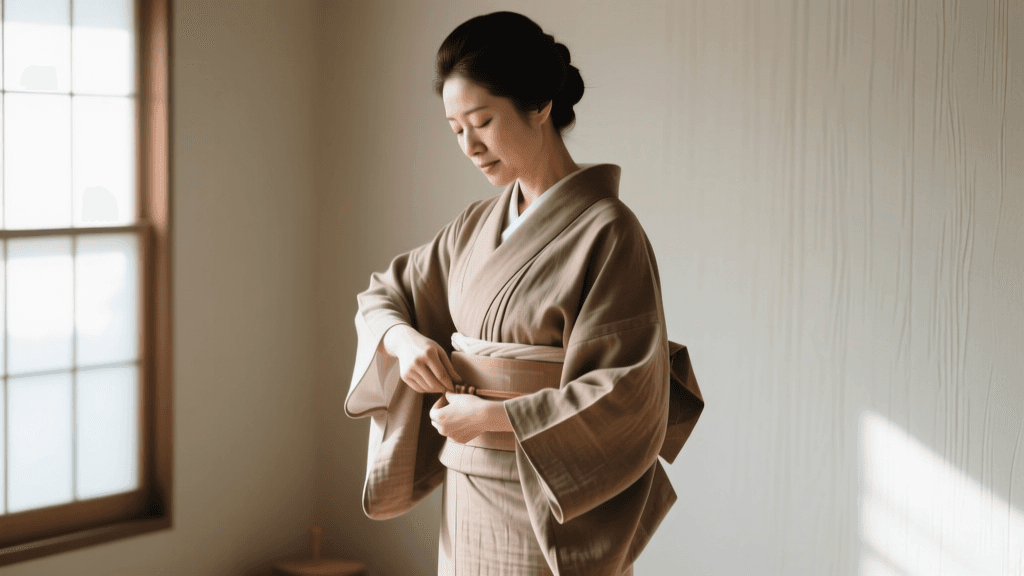
The obi (sash) is the anchor of the kimono. Whether you are tying a simple taiko musubi (drum knot) or a sleek bunko musubi (bow knot), the process requires bilateral coordination and focused breathing. Pull the silk ties taut while exhaling slowly. The gentle, firm pressure of the obi around the core provides deep pressure therapy, similar to a weighted blanket, which is known to soothe anxiety.
Fast Fashion vs. Mindful Kitsuke: A Wellness Comparison
To understand the profound impact of this practice, we must contrast it with the modern alternative. The following table illustrates how mindful kitsuke outperforms fast fashion dressing across key wellness and sustainability metrics in 2026.
| Metric | Fast Fashion Dressing | Mindful Kitsuke Routine |
|---|---|---|
| Time Spent | 2–5 minutes (Rushed) | 20–30 minutes (Deliberate) |
| Cognitive State | Autopilot / Distracted | Active Mindfulness / Flow |
| Posture Impact | Neutral to Poor (Slouching) | Spinal Alignment / Core Engagement |
| Dopamine Source | Novelty / Trend Chasing | Mastery / Sensory Grounding |
| Garment Lifespan | 10–30 wears before disposal | Generational (100+ years) |
The Slow Fashion Impact: Environmental Wellbeing
True wellness extends beyond the individual to encompass our relationship with the planet. Eco-anxiety is a recognized psychological stressor in 2026, exacerbated by the relentless churn of synthetic, petroleum-based clothing. Embracing kitsuke is a radical act of slow fashion.
Because kimonos are constructed from straight bolts of fabric (tanmono) without destructive cutting, they can be entirely unstitched, cleaned, and re-tailored. A single high-quality silk kimono can be worn for a century, passed down through generations, or upcycled into haori jackets and accessories. The Ellen MacArthur Foundation highlights that transitioning to circular fashion models—where garments are kept in use at their highest value for as long as possible—is essential for reducing the fashion industry's carbon footprint. By choosing to wear vintage or artisan-crafted kimonos, practitioners actively opt out of the destructive fast-fashion cycle, replacing consumer guilt with environmental stewardship and pride.
Sourcing Kimono for Your Wellness Wardrobe
Building a mindful kimono wardrobe in 2026 does not require purchasing expensive, brand-new garments. In fact, the slow fashion ethos encourages the acquisition of pre-loved textiles. Here is how to source mindfully:
- Vintage Markets and Thrift Curators: Explore specialized online vintage kimono curators who source directly from Japanese estate sales. Purchasing a Showa-era (1926–1989) silk kimono gives a beautiful garment a second life and reduces textile waste.
- Recycled Silk (Upcycling): If a full kimono feels too formal for daily mindfulness practice, look for haori (short jackets) or happi coats. These are easier to tie and provide the same tactile and postural benefits with less complexity.
- Support Artisan Weavers: For those wishing to invest in new pieces, seek out cooperatives that support traditional weavers in regions like Nishijin or Yuki. Ensure the silk is ethically sourced and dyed with natural botanicals.
Conclusion: Wrapping Yourself in Intention
In a world that constantly demands we move faster, consume more, and scroll endlessly, the art of kitsuke offers a radical alternative. It asks us to slow down, to stand tall, and to wrap ourselves in layers of history, artistry, and intention. By integrating mindful kimono dressing into your 2026 wellness routine, you are not merely putting on clothes; you are donning a daily armor of tranquility, supporting global sustainability, and honoring a centuries-old tradition that continues to heal the modern mind.