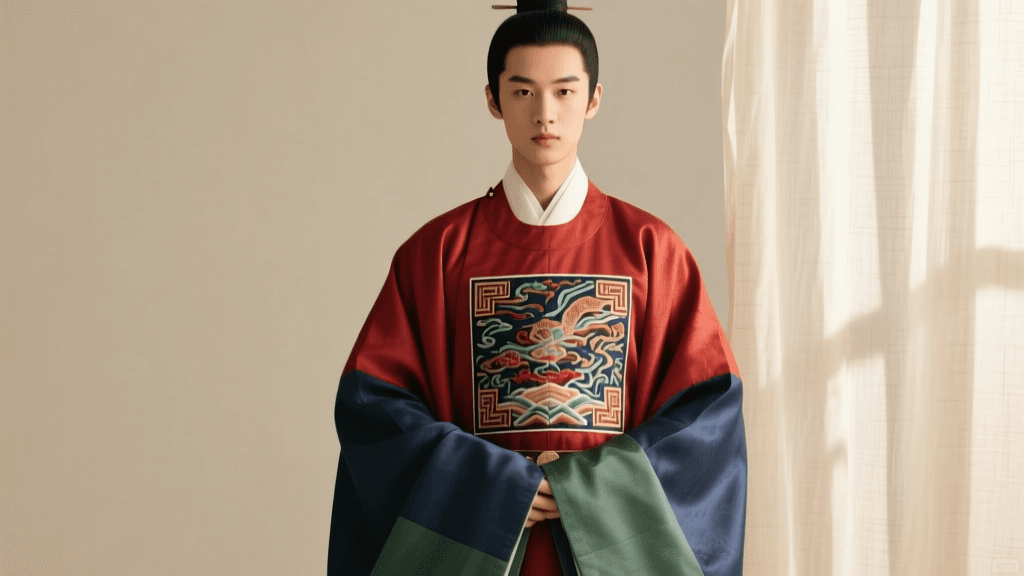
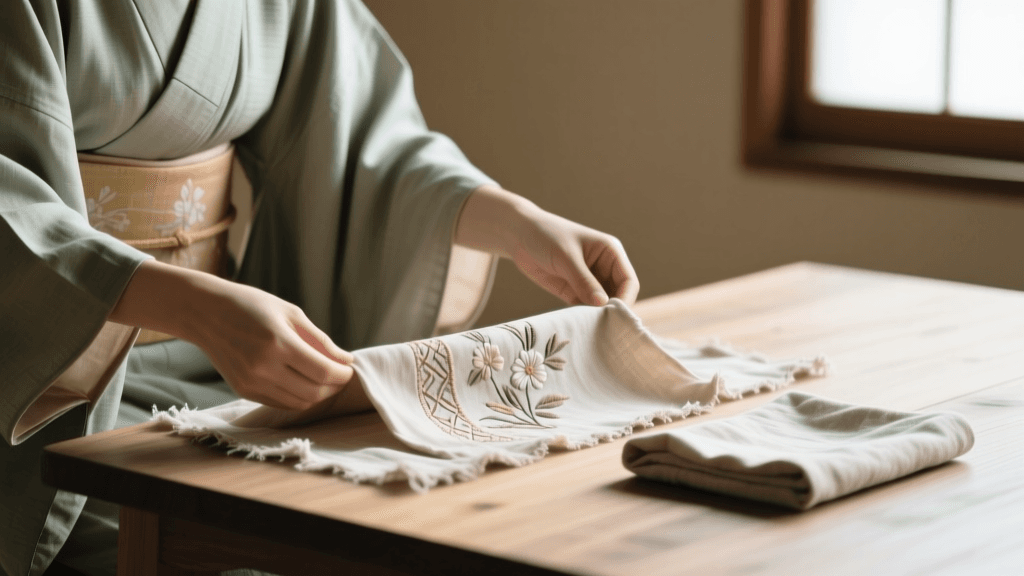
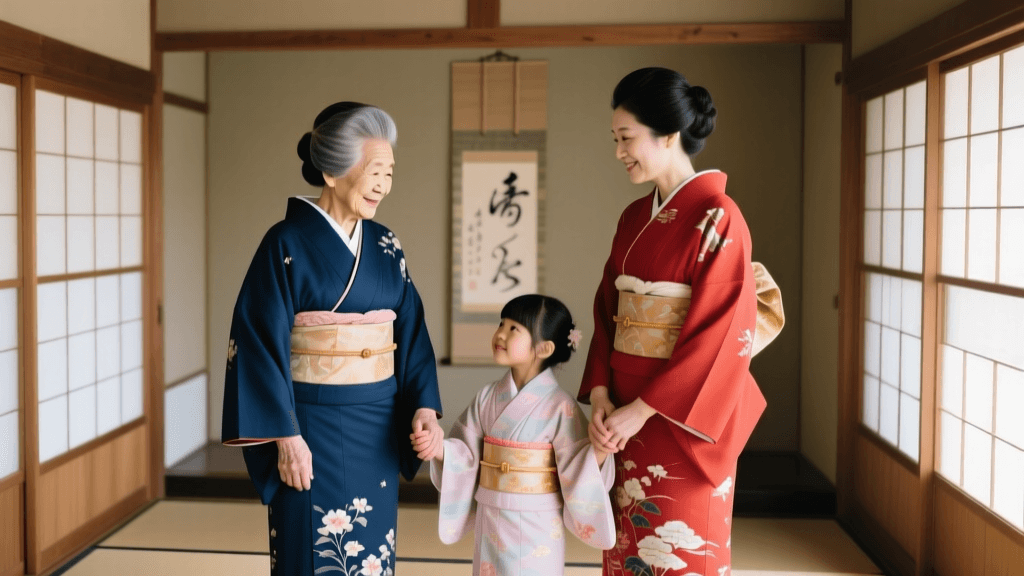
2026 Hanbok and Qipao Editorial Styling: Global Media Trends
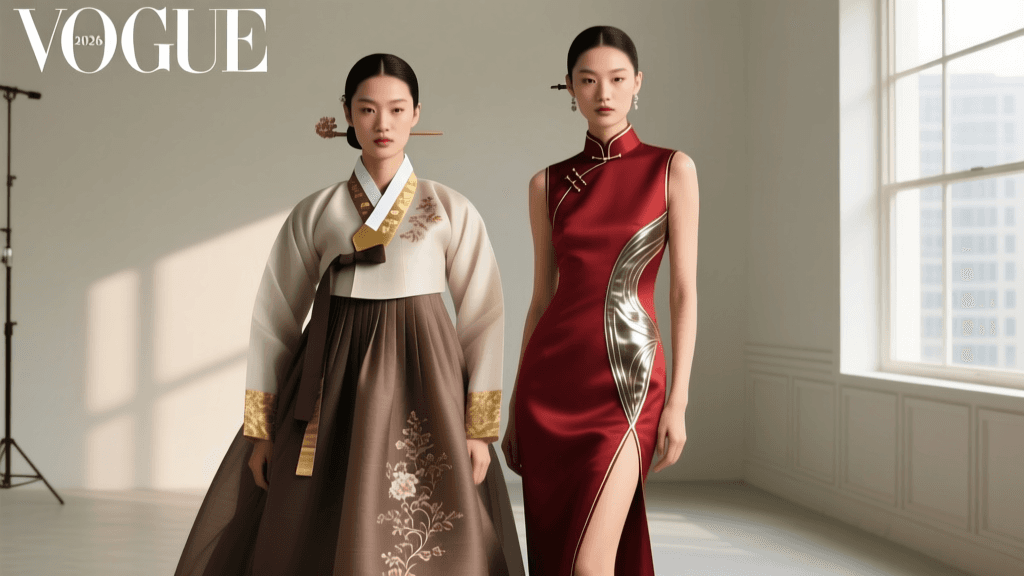
The Evolution of Asian Garments in 2026 Global Fashion Media
The global fashion media landscape in 2026 has undergone a profound and necessary transformation. Moving far beyond the superficial orientalism and cultural appropriation debates of the early 2020s, top-tier publications like Vogue, Harper's Bazaar, and Dazed are now championing a deeply respectful, structurally innovative approach to Asian traditional garments. The Hanbok and the Qipao (Cheongsam), in particular, have emerged as the defining silhouettes of the 2026 editorial season. No longer relegated to niche cultural spreads or static museum-style photography, these garments are being dynamically integrated into high-fashion narratives, shot with avant-garde lighting, and styled alongside contemporary streetwear and sustainable luxury.
For fashion stylists, creative directors, and cultural enthusiasts, understanding the nuanced intersection of heritage craftsmanship and 2026 high-fashion media trends is essential. This comprehensive guide explores how the Hanbok and Qipao are being reinterpreted on the pages of global fashion magazines this year, offering actionable advice on styling, sourcing, and honoring the rich history of these iconic garments.
The 2026 Shift: From Appropriation to Authentic Collaboration
In previous decades, global fashion media often struggled with the accurate representation of Asian dress, frequently mixing distinct cultural markers or utilizing cheap, mass-produced costumes for editorial shoots. In 2026, the industry standard demands rigorous historical accuracy and authentic collaboration. Leading editorial stylists now work directly with heritage artisans in Seoul, Shanghai, and Hangzhou to source authentic textiles and bespoke constructions.
To ensure historical fidelity, modern stylists frequently consult authoritative cultural institutions before conceptualizing a shoot. For instance, the Victoria and Albert Museum's Asian Collections serves as a critical digital and physical resource for stylists seeking to understand the drape, weave, and historical context of traditional silks and embroidery. By grounding 2026 editorial concepts in verifiable history, fashion media is elevating these garments from mere 'trends' to respected pillars of global sartorial heritage.
The Hanbok: Structural Elegance on the 2026 Runway and Page
The traditional Korean Hanbok, characterized by its vibrant colors and simple lines without pockets, has seen a massive resurgence in high-fashion editorials. In 2026, the focus is heavily on the structural contrast between the upper and lower garments. The jeogori (the short, fitted jacket) and the chima (the full, voluminous skirt) are being manipulated to create striking, architectural silhouettes in print media.
Key 2026 Hanbok Editorial Trends
- The Deconstructed Jeogori: Designers like Danha and Leesle have influenced 2026 editorial styling by presenting cropped, asymmetrical jeogori crafted from upcycled organza. Stylists are pairing these with wide-legged, tailored wool trousers rather than traditional skirts, creating a striking gender-fluid aesthetic that has dominated the pages of Vogue Korea and Elle this year.
- Monochromatic Layering: Moving away from the highly contrasting traditional color palettes (Obangsaek), 2026 media shoots favor monochromatic, tonal layering. Imagine a deep charcoal silk chima paired with a sheer, matching charcoal jeogori, photographed using high-contrast chiaroscuro lighting to emphasize the textile's weave.
- Oversized Outerwear Pairings: A major trend in 2026 street-style editorials is layering the traditional Hanbok under oversized, structured, vegan-leather trench coats, merging Joseon-era elegance with cyberpunk-adjacent futurism.
The Qipao: The Avant-Garde Renaissance of 2026
The Qipao, or Cheongsam, has long been a symbol of modern Chinese femininity, but its 2026 iteration in global fashion media is anything but traditional. The rigid, high-collared, heavily embroidered garments of the mid-20th century have been deconstructed by a new wave of avant-garde designers, resulting in fluid, bias-cut masterpieces that prioritize movement and sustainable luxury.
When researching the historical evolution of these textiles to inform modern shoots, stylists often refer to the Metropolitan Museum of Art's Heilbrunn Timeline of Art History, which provides invaluable context on the evolution of Asian silk weaving and garment construction. This historical grounding allows 2026 stylists to intentionally break the rules of the Qipao while maintaining a deep respect for its origins.
Key 2026 Qipao Editorial Trends
- Bias-Cut Peace Silks: Sustainability is non-negotiable in 2026 fashion media. The traditional stiff brocades have been replaced by cruelty-free 'peace silks' (Ahimsa silk) that drape fluidly across the body. Editorial shoots emphasize the garment's movement, utilizing wind machines and slow-motion video captures for digital covers.
- The Open-Back and Plunging Neckline: Designers like Samuel Gui Yang have popularized the deconstructed collar. The 2026 editorial Qipao often features the traditional pankou (knotted buttons) but leaves the back entirely open or features a dramatic plunging neckline, styled with minimalist, sculptural metal jewelry.
- Hardware Integration: Merging traditional silk with industrial hardware is a massive 2026 trend. Qipaos featuring subtle, integrated metal corsetry or heavy, oxidized silver zippers are being featured heavily in edgy, underground fashion zines and mainstream digital editorials alike.
2026 Editorial Styling Matrix: Hanbok vs. Qipao
For creative directors planning 2026 editorial calendars, understanding the distinct visual and logistical differences between these two garments is crucial. The table below outlines the key styling parameters for the current year.
| Feature | Modern Hanbok (2026 Editorial) | Avant-Garde Qipao (2026 Editorial) |
|---|---|---|
| Primary Silhouette | Voluminous lower half, structured/cropped upper half. | Columnar, bias-cut, body-skimming, asymmetrical hems. |
| Dominant 2026 Fabrics | Upcycled organza, raw hemp, structural vegan taffeta. | Peace silk (Ahimsa), liquid crepe, matte jersey. |
| Styling Pairings | Oversized tailoring, chunky combat boots, minimalist silver cuffs. | Sculptural heel-less shoes, industrial metal jewelry, slicked hair. |
| Lighting Strategy | Diffused, natural light to capture fabric volume and translucence. | Hard, directional studio lighting to emphasize drape and shadows. |
| Average 2026 Rental Cost | $350 - $600 per day (Seoul-based ateliers). | $400 - $850 per day (Shanghai/Paris-based showrooms). |
Sourcing and Fitting: A Guide for 2026 Stylists
Sourcing authentic, high-fashion interpretations of the Hanbok and Qipao for 2026 editorials requires navigating a new landscape of global heritage ateliers and specialized luxury rental houses. The days of pulling cheap, mass-produced costumes from generic theatrical suppliers are over; today's fashion media demands bespoke or high-end ready-to-wear pieces.
Working with Heritage Ateliers
If your 2026 editorial requires custom pieces, stylists must engage with ateliers in Seoul (for Hanbok) and Shanghai or Hangzhou (for Qipao) at least 12 to 16 weeks in advance. The 2026 standard for bespoke editorial pieces involves a minimum of two virtual fittings using 3D body-scanning technology, followed by one final physical fitting. Expect to pay between $1,200 and $3,500 for a bespoke, editorial-grade garment crafted from sustainable, heritage-milled textiles.
Navigating Luxury Rental Archives
For stylists working with tighter deadlines, specialized Asian fashion archives based in Paris, London, and New York have become indispensable. These archives hold pieces from landmark collections (such as Shanghai Tang's early 2000s archives or Danha's recent 2025/2026 runway pieces). When pulling from these archives, it is critical to handle the garments with archival-grade cotton gloves, as the modern peace silks and raw hemp blends used in recent years are highly sensitive to the oils in human skin and the heat of traditional studio lighting.
Photography and Movement: Capturing the 2026 Aesthetic
The way these garments are photographed has evolved drastically. In 2026, static, rigid posing is considered outdated for traditional Asian garments. The editorial mandate is to capture the dynamic architecture of the clothing. For the Hanbok, this means utilizing choreographed movement—spinning, leaping, or walking briskly—to allow the chima to bell out and reveal the intricate layering of petticoats and linings. For the Qipao, photographers are focusing on micro-movements: the shift of the shoulder, the drape of the bias-cut silk over the hip, and the interplay of light on the pankou knots.
Conclusion: A New Era of Sartorial Respect
As we progress through 2026, the integration of the Hanbok and Qipao into global fashion media represents a triumph of cultural appreciation, historical research, and avant-garde design. By prioritizing authentic collaborations, sustainable textiles, and dynamic editorial styling, the fashion industry is finally giving these magnificent garments the global platform they deserve. For stylists, designers, and cultural historians, the ongoing evolution of Asian traditional wear in high fashion is not just a trend to be observed, but a rich, living dialogue to be actively and respectfully participated in.