2026 Kimono Guide for Birth, Coming-of-Age & Memorials
The Enduring Role of Kimono in Japanese Family Milestones
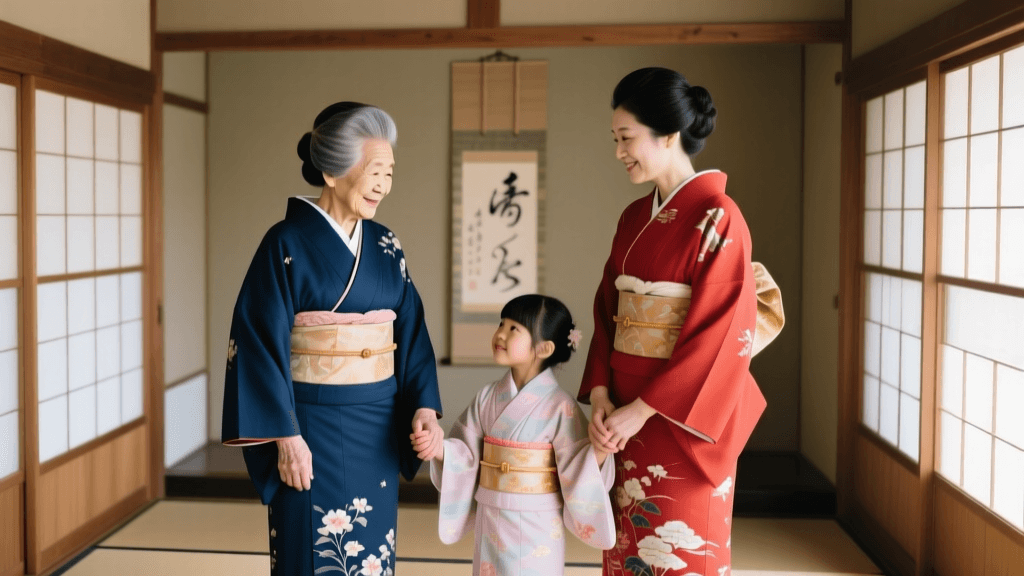
In Japan, the kimono is far more than a traditional garment; it is a wearable archive of family history, social status, and seasonal awareness. As we move through 2026, the intersection of ancient textile traditions and modern lifestyle demands has created a vibrant ecosystem for ceremonial dress. While everyday Western clothing dominates daily life, major family milestones—birth, coming-of-age, and memorials—remain deeply tethered to the silk, crests, and meticulous draping of the kimono.
According to the Japan Guide's overview of traditional Japanese clothing, the rules governing what to wear, when to wear it, and how it should be accessorized are strictly codified by age, marital status, and the formality of the event. In 2026, families are increasingly balancing these strict sartorial rules with modern conveniences, such as AI-assisted virtual fittings for rentals and sustainable, washable silk blends. This comprehensive guide breaks down the essential kimono traditions for Japan's most pivotal family ceremonies in 2026.
Miyamairi: Kimono for Birth and Shrine Visits
The first major milestone in a Japanese child's life is Miyamairi (or Omiyamairi), the initial shrine visit to introduce the newborn to the local tutelary deity (ujigami) and pray for health and longevity. Traditionally held between the 30th and 100th day after birth, this ceremony requires specific garments for both the infant and the attending family members.
The Infant's Garments: Ubugi and Iwai-gi
The baby is dressed in a white cotton undergarment called an ubugi, symbolizing purity and new beginnings. Over this, they wear a vibrant, celebratory outer garment known as an iwai-gi or hatsugi. In 2026, popular motifs for these infant garments include carp (koi) for perseverance, helmets (kabuto) for strength, and cranes for longevity. The baby is traditionally carried by the paternal grandmother, a custom rooted in historical superstitions regarding spiritual impurity after childbirth, though modern families in 2026 frequently adapt this based on logistical convenience.
Attire for the Parents
The mother typically wears a homongi (visiting kimono) or an iro-muji (solid-colored kimono with one crest). Because the mother is still recovering and often nursing, 2026 rental markets have seen a surge in demand for two-piece kimono separates and stretch-fabric obi belts that offer the look of formal wear without the restrictive binding of traditional kitsuke (dressing). The father usually wears a subdued komon (fine-patterned kimono) with a hakama, or a formal Western suit.
Seijin no Hi: Coming-of-Age Furisode and Hakama
Held annually on the second Monday of January, Coming-of-Age Day celebrates youths who have reached the age of majority. Following the 2022 revision of Japan's Civil Code that lowered the legal age of adulthood to 18, municipalities have largely rebranded the ceremony to Hatachi no Tsudoi (Gathering of Twenty-Year-Olds) to avoid scheduling conflicts with high school and university entrance exams. By 2026, this rebranding is universally recognized, and the sartorial traditions remain fiercely tied to the age of twenty.
Furisode: The Pinnacle of Unmarried Women's Formal Wear
For young women, the furisode is the undisputed garment of the day. Characterized by its dramatically long, swinging sleeves—which can measure up to 114 centimeters in the o-furisode style—it is a visual declaration of youth and eligibility. The Victoria and Albert Museum's comprehensive guide to the kimono notes that the furisode's origins trace back to the Edo period, where the swinging sleeves were believed to ward off evil spirits and express romantic interest.
In 2026, furisode trends lean heavily into 'Neo-Classic' aesthetics. While traditional auspicious motifs like pine, bamboo, and plum (shochikubai) remain popular for their timeless elegance, there is a growing market for vintage, upcycled Showa-era furisode paired with modern, oversized obi-jime (decorative cords) and floral kanzashi (hair ornaments). Rental packages for a full furisode ensemble in 2026 average between 100,000 and 250,000 JPY, often including pre-ceremony photography, dressing, and hair styling.
Hakama: Men's Coming-of-Age Elegance
While many young men opt for Western business suits in 2026, the traditional hakama ensemble remains a powerful statement of cultural pride. The outfit consists of a solid-colored kimono, a stiff, pleated hakama skirt, and a haori jacket adorned with the family's kamon (crest). The ensemble is anchored by white tabi socks and woven setta sandals. Renting a men's formal hakama set is significantly more affordable than women's furisode, typically costing between 30,000 and 60,000 JPY in 2026.
Memorials and Obon: Somber Elegance in Mourning Kimono
Japanese mourning customs are deeply nuanced, and the kimono worn during funerals, subsequent memorial services (hoyo), and the summer Obon festival must adhere to strict protocols of grief and respect. The Tokyo National Museum's textile and costume archives provide extensive documentation on the evolution of mourning textiles, highlighting how the depth of grief is communicated through color, fabric sheen, and the number of family crests.
Mofuku: The Deepest Mourning
Mofuku is the highest level of mourning attire, worn exclusively by immediate family members at the funeral and the 49th-day memorial service. It is a solid black kimono made of matte silk crepe, completely devoid of any dyed patterns. It must feature five family crests (itsutsu-mon) placed on the back of the neck, the outer sleeves, and the chest. The obi is also black, and accessories—including the obi-jime, zori sandals, and handbag—must be matte black. In 2026, purchasing a high-quality silk mofuku set remains a significant investment (often exceeding 300,000 JPY), leading many families to rely on inherited garments or specialized department store rental services.
Iro-Mofuku: Semi-Mourning and Obon
As time passes, the strictness of the mourning attire softens. For the first, third, and seventh anniversary memorials, or during the summer Obon festival when families visit ancestral graves, iro-mofuku (color mourning) is appropriate. These kimono feature subdued, dark colors such as navy blue, charcoal grey, deep purple, or dark green. They typically bear one to three family crests. The obi may feature subtle silver or grey woven patterns, allowing for a slight expression of personal taste while maintaining a solemn demeanor.
2026 Cost Breakdown: Rental vs. Purchase
Navigating the financial aspects of ceremonial kimono can be daunting. The 2026 market offers robust rental infrastructures, particularly in urban centers like Tokyo, Kyoto, and Osaka, which include delivery, dressing, and post-wear cleaning. Below is a comparative look at average costs for family milestones in 2026.
| Ceremony | Garment Type | 2026 Rental Cost (JPY) | 2026 Purchase Cost (JPY) | Kitsuke (Dressing) Fee |
|---|---|---|---|---|
| Miyamairi (Baby) | Iwai-gi Set | 15,000 - 30,000 | 40,000 - 80,000 | Included / 5,000 |
| Miyamairi (Mother) | Homongi | 30,000 - 60,000 | 150,000 - 400,000 | 8,000 - 12,000 |
| Coming-of-Age (Women) | Furisode | 100,000 - 250,000 | 300,000 - 1,000,000+ | 10,000 - 15,000 |
| Coming-of-Age (Men) | Hakama Set | 30,000 - 60,000 | 120,000 - 250,000 | 8,000 - 12,000 |
| Funeral (Immediate Family) | Mofuku | 25,000 - 45,000 | 250,000 - 500,000 | 8,000 - 10,000 |
| Memorial / Obon | Iro-Mofuku | 20,000 - 40,000 | 150,000 - 300,000 | 8,000 - 10,000 |
Note: Rental packages for Coming-of-Age and Miyamairi often bundle the kitsuke fee, hair styling, and photography, whereas funeral rentals usually charge dressing as an à la carte service.
Practical Tips for 2026: Kitsuke and Seasonal Rules
The Art of Kitsuke
Unlike Western formalwear, a kimono cannot simply be slipped on. Kitsuke is the specialized art of dressing, requiring an understanding of padding, folding, and knot-tying. For major ceremonies, hiring a professional dresser is standard practice. In 2026, many hotels and banquet halls partner with traveling kitsuke professionals who will visit your room on the morning of the event. When booking, always specify the exact formality level of the kimono, as the tying of a formal fukuro-obi (like the elaborate fukura-suzume knot for furisode) requires more time and expertise than a standard taiko-musubi knot.
Seasonal Awareness (Koromogae)
Japanese fashion is intrinsically linked to the seasons. The concept of koromogae (changing of clothes) dictates the fabric and lining of the kimono. From October to May, lined kimono (awase) are worn. In the humid summer months of June and September, unlined silk (hitoe) is appropriate, while July and August demand sheer, breathable gauze silks (ro or sha). For Obon memorials in mid-August, wearing a lined, heavy silk kimono is considered a major faux pas, as it ignores the seasonal reality and the comfort of the wearer. Modern 2026 textile innovations, however, have introduced temperature-regulating undergarments (hadajuban) that make summer ceremonial wear far more tolerable.
Preserving the Thread of Tradition
Whether wrapping a newborn in the protective colors of an iwai-gi, celebrating a young adult's transition in a sweeping furisode, or honoring ancestors in the solemn folds of iro-mofuku, the kimono remains a vital conduit for Japanese family heritage. As the industry adapts to the economic and environmental realities of 2026, the accessibility of these garments through sustainable rentals and modernized styling ensures that the profound silence and beauty of these family milestones will continue to be draped in silk for generations to come.