Best Hanfu Styles for Qigong & Meditation in 2026
The Intersection of Hanfu and Mindful Movement in 2026
As the global wellness industry evolves in 2026, practitioners are increasingly seeking holistic methods that integrate physical movement, mental clarity, and cultural heritage. Among the most profound of these integrations is the pairing of traditional Chinese wellness practices—specifically Qigong and seated meditation—with the wearing of Hanfu. No longer reserved solely for historical reenactments or cultural festivals, Hanfu has emerged as a functional, sartorial tool for mindfulness. The intentional design of traditional Han Chinese garments offers unique physiological and energetic benefits that modern activewear simply cannot replicate.
In 2026, the concept of 'sartorial mindfulness' has taken center stage in wellness retreats across Asia and beyond. Practitioners are recognizing that the garments we wear directly influence our nervous system, our breathwork, and our spatial awareness. By returning to the roots of traditional Asian dress, modern meditators and Qigong enthusiasts are discovering that the flow of Qi (vital energy) is deeply supported by the flow of natural fabrics and historically accurate tailoring.
Why Traditional Tailoring Enhances Qigong and Meditation
Modern athletic wear is designed for compression, sweat-wicking, and aerodynamic movement. While excellent for high-intensity interval training, compression garments can inadvertently restrict the subtle, expansive movements required for internal martial arts and deep diaphragmatic breathing. Hanfu, conversely, is engineered around the principles of traditional Chinese medicine and meridian theory.
The Cross-Collar (Jiaoling) and Breathwork
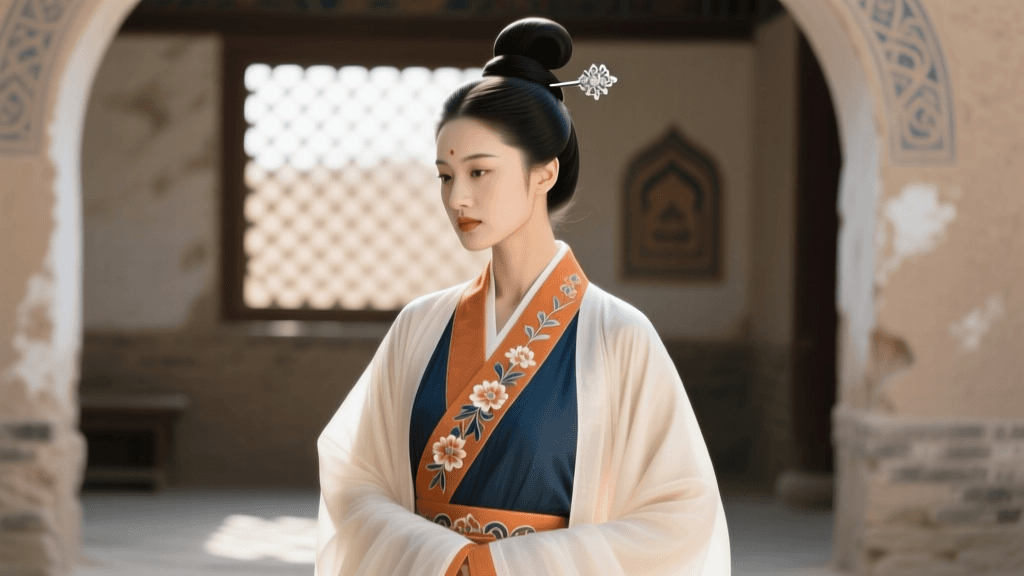
The iconic cross-collar right-over-left (jiaoling youren) design of Hanfu is a masterclass in anatomical freedom. Unlike modern crew necks or tight collars that can press against the thyroid and vagus nerve, the open V-shape of the jiaoling collar leaves the neck and upper chest completely unencumbered. According to traditional Chinese medicine, this allows the 'Heavenly Qi' to enter and exit the body's upper gates without obstruction. During deep abdominal breathing exercises, this open neckline ensures that the practitioner's focus remains on the expansion of the lower dantian (the energy center below the navel) rather than the restriction of the throat.
Flat Cutting and Meridian Alignment
Historically, Hanfu is constructed using a technique known as flat cutting (pingmian caijian). As noted by historians at The Metropolitan Museum of Art, traditional Chinese garments were cut from rectangular pieces of fabric without the use of darts, shoulder pads, or curved armholes. This creates a garment that drapes naturally over the body's meridian lines. When a practitioner raises their arms during the 'Drawing the Bow' movement of the Eight Brocades (Ba Duan Jin), the flat-cut sleeve moves as a single, fluid extension of the arm, providing a gentle, weighted resistance that grounds the practitioner's energy without pulling at the shoulder joints.
Top Hanfu Styles for Wellness Practices
Selecting the correct Hanfu silhouette is crucial depending on whether your practice involves dynamic movement, static postures, or seated meditation. Below is a comprehensive guide to the most effective styles for 2026 wellness routines.
| Garment Style | Best Practice | Fabric Recommendation | Key Benefit |
|---|---|---|---|
| Daopao (Daoist Robe) | Dynamic Qigong, Tai Chi | Organic Ramie (Xia Bu) | Wide sleeves provide gentle resistance; side slits allow deep stances. |
| Beizi (Song Dynasty Jacket) | Seated Meditation, Zazen | Peace Silk (Ahimsa) | Straight silhouette prevents fabric bunching; side vents allow cross-legged sitting. |
| Qixiong Ruqun (Chest-High Skirt) | Breathwork, Pranayama | Lightweight Hemp Blend | High waistband sits above the diaphragm, allowing maximum abdominal expansion. |
| Duan Da (Short Martial Garment) | Martial Qigong, Iron Shirt | Heavyweight Organic Cotton | Fitted cuffs and tapered trousers prevent snagging during rapid, explosive movements. |
Fabric Matters: Choosing the Right Material for 2026
The textile innovations of 2026 have beautifully merged ancient weaving techniques with modern eco-consciousness. For wellness practices, the fabric must be breathable, moisture-regulating, and energetically 'quiet' (free from the static electricity generated by synthetic polyester blends).
- Organic Ramie (Xia Bu): Often referred to as 'summer cloth,' ramie is a bast fiber that has been used in China for millennia. In 2026, new enzymatic softening processes have made organic ramie incredibly supple while retaining its natural cooling properties. It is the ultimate fabric for outdoor morning Qigong, as it wicks moisture away from the skin and allows ambient breezes to cool the body's core temperature.
- Peace Silk (Ahimsa Silk): Harvested without harming the silkworm, peace silk aligns with the principle of ahimsa (non-violence) central to many meditation traditions. Its natural protein structure is thermoregulating, keeping the practitioner warm during static, seated winter meditations without causing overheating.
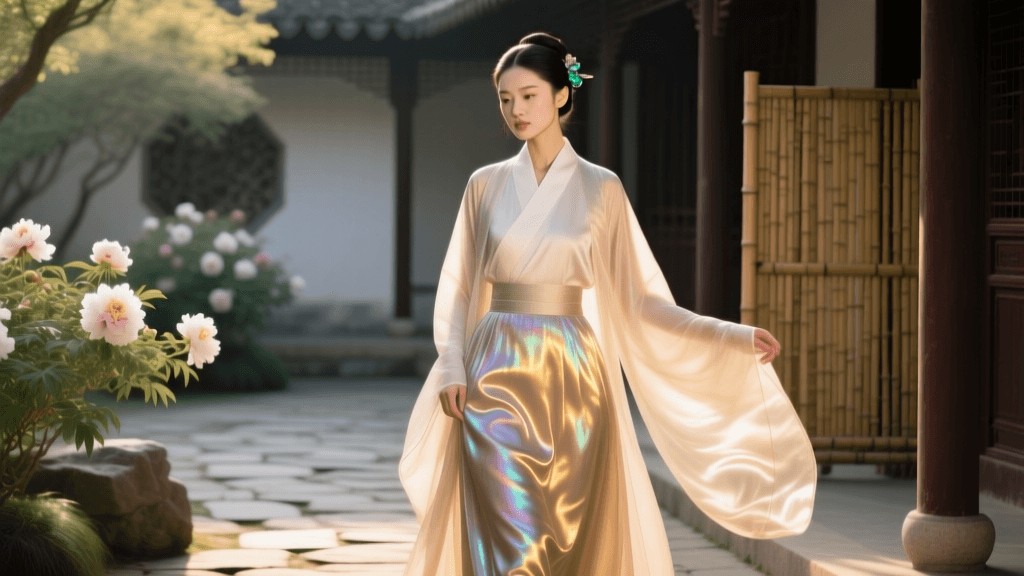
- Lotus Silk: A luxury eco-textile that has gained massive traction in 2026 wellness circles. Extracted from the stems of lotus flowers, this fabric is exceptionally lightweight, naturally antibacterial, and carries a deep symbolic resonance with spiritual purity and enlightenment in Buddhist and Daoist traditions.
The Physiological Benefits of Mindful Movement in Hanfu
The integration of traditional dress with mindful movement is not merely aesthetic; it is deeply rooted in physiological benefits. Research highlighted by the National Center for Complementary and Integrative Health (NCCIH) demonstrates that practices like Qigong and Tai Chi significantly improve balance, reduce stress, and enhance cognitive function. When these practices are performed in garments that restrict neither circulation nor breath, the parasympathetic nervous system is engaged more rapidly.
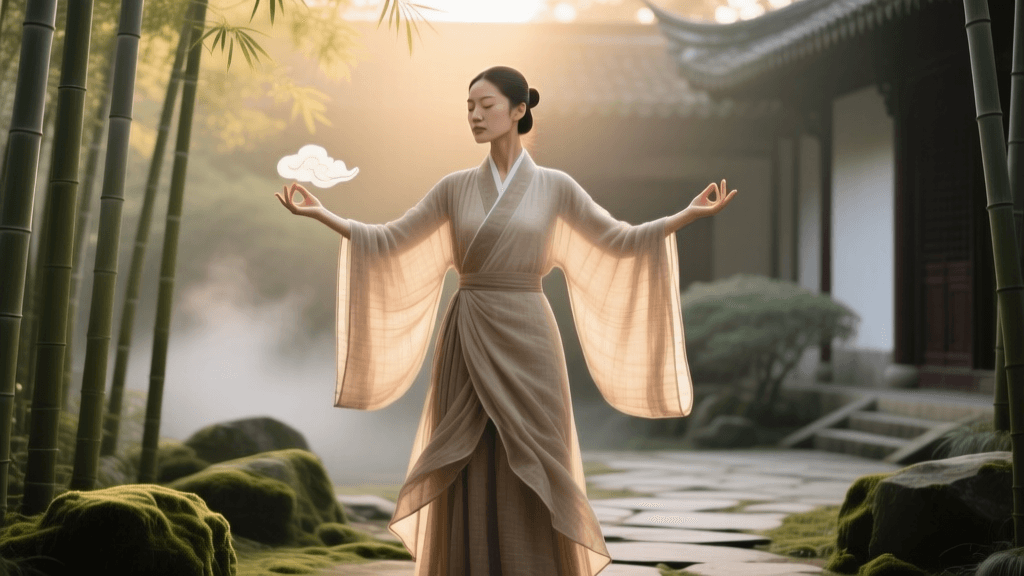
Furthermore, the physical weight and drape of a Daopao provide continuous proprioceptive feedback. As the heavy ramie sleeves swing during the 'Cloud Hands' movement, the practitioner becomes hyper-aware of their spatial boundaries and the momentum of their limbs. This sensory feedback loop anchors the mind in the present moment, effectively acting as a wearable meditation aid that prevents the mind from wandering.
Practical Guide: Dressing for Your Morning Qigong Routine
To fully experience the benefits of Hanfu in your wellness practice, consider adopting this structured morning routine, optimized for the climate and energetic demands of 2026.
Step 1: The Base Layer
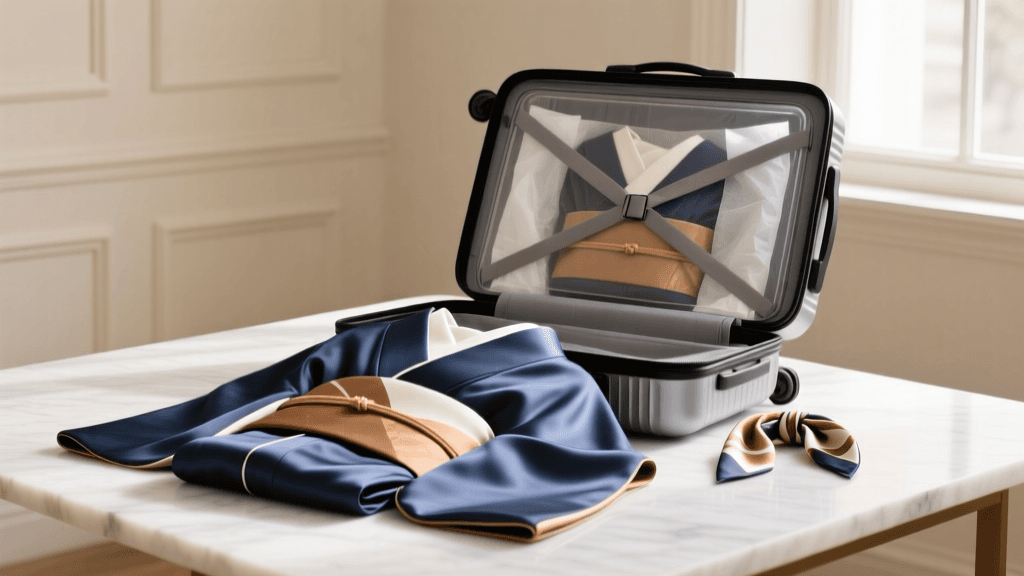
Begin with a lightweight, undyed organic cotton Zhongyi (inner garment). This layer sits directly against the skin, absorbing the initial morning perspiration and protecting your more delicate outer Hanfu layers from body oils. Ensure the collar lies flat to prevent chafing during neck rotations.
Step 2: The Outer Garment
For a standard Ba Duan Jin (Eight Brocades) routine, don a linen-blend Jiaoling Ruqun or a casual Daopao. Secure the waist ties firmly but comfortably—tight enough to keep the garment in place during bends, but loose enough to allow the belly to expand fully during deep inhalations. The traditional rule of thumb is that you should be able to slide two fingers comfortably between the waist tie and your abdomen.
Step 3: Grounding the Feet
Traditional Hanfu is paired with flat, flexible cloth shoes (buye xie). In 2026, modern wellness practitioners often opt for minimalist, zero-drop cotton shoes that mimic the sensation of being barefoot while providing a hygienic barrier against dew-covered grass during outdoor park practice. This ensures the 'Yongquan' (Bubbling Spring) acupressure point on the sole of the foot remains in direct, sensitive contact with the earth.
Step 4: The Practice
As you move through your Qigong forms, pay attention to the sound and feel of the fabric. Let the rustle of the ramie dictate the speed of your movements. In traditional practice, the garment should not snap or whip; it should flow like water. If your sleeves are snapping, your movements are too fast and muscular. Slow down until the fabric glides silently through the air, indicating that your Qi is leading the physical movement rather than brute muscle force.
Conclusion
The revival of Hanfu in the context of wellness and meditation represents a beautiful synthesis of cultural preservation and modern health optimization. As we move through 2026, the realization that our clothing can either hinder or heal our energetic bodies has never been more apparent. By choosing historically accurate, flat-cut garments made from sustainable, natural fibers, practitioners of Qigong and meditation can unlock deeper states of focus, improved breathwork, and a profound physical connection to the ancient traditions of Asia. Whether you are flowing through Tai Chi forms in a sweeping Daopao or sitting in silent Zazen wrapped in a serene Beizi, the right Hanfu transforms your practice from a mere exercise into a moving, breathing ritual of mindfulness.