Silk Kimono Travel Guide 2026: Packing & Transport Tips
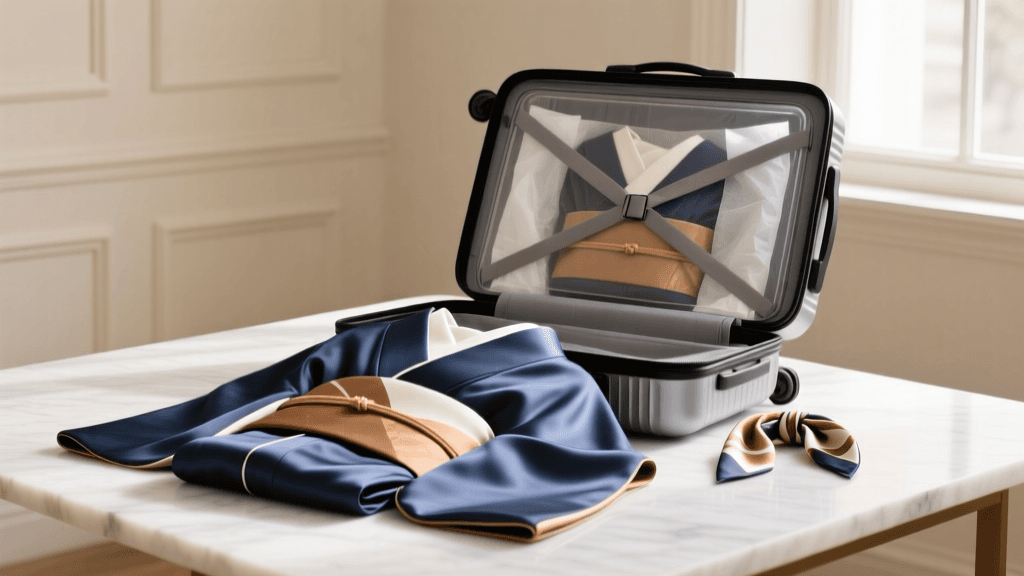
The 2026 Landscape of Kimono Travel
As global appreciation for traditional Japanese garments continues to surge in 2026, an increasing number of collectors, practitioners, and cultural enthusiasts are traveling internationally with their kimono. Whether you are attending a tea ceremony in Kyoto, participating in a cultural exchange in Europe, or simply transporting a newly acquired antique piece back home, traveling with silk kimono presents unique logistical challenges. Delicate textiles like chirimen (silk crepe), rinzu (silk damask), and habutae (plain weave silk) are highly susceptible to friction, moisture, and hard creasing.
Modern travel in 2026 offers advanced luggage technology and climate-controlled transit options, but the fundamental principles of textile conservation remain paramount. According to guidelines established by the Canadian Conservation Institute, maintaining a stable environment and minimizing mechanical stress are the two most critical factors in preserving historic and delicate textiles during transit. This comprehensive guide details the exact methodologies, gear, and on-the-go care routines required to transport your kimono safely.
Essential Packing Materials for Silk and Textiles
Before folding your garment, you must assemble the correct archival-quality packing materials. Standard plastic dry-cleaning bags are strictly prohibited, as they trap moisture and emit volatile organic compounds (VOCs) that degrade silk fibers over time.
- Acid-Free Tissue Paper: Essential for padding folds. Purchase unbuffered, acid-free tissue paper to prevent chemical reactions with protein-based silk fibers.
- Tyvek or Cotton Garment Envelopes: In 2026, breathable Tyvek sleeves are the gold standard for individual kimono storage. They repel liquid water while allowing water vapor to pass through, preventing condensation buildup during cabin pressure changes.
- Silica Gel Cassettes: Instead of loose packets that can tear, use rigid silica gel cassettes designed for textile storage to maintain a relative humidity (RH) of 45-55%.
- Tato-shi (Traditional Wrapping Paper): If you prefer traditional methods, ensure your tato-shi is freshly made from pure kozo (mulberry) fiber without acidic sizing agents.
The Hon-Datami Folding Method for Transit
The hon-datami is the standard, formal folding method for kimono. When executed correctly, it reduces the garment to a compact rectangle (approximately 36 cm by 80 cm), making it ideal for carry-on luggage. However, for travel, we must modify the traditional fold to prevent permanent creasing.
Step-by-Step Travel Folding
- Preparation: Lay the kimono face down on a clean, flat surface. Ensure your hands are clean and free of oils or lotions.
- Body Folds: Fold the left and right sides of the body toward the center back seam, aligning the edges precisely.
- Sleeve Management: Fold the sleeves back over the body. Travel Tip: Place a roll of acid-free tissue paper under the sleeve fold to create a soft curve rather than a sharp crease.
- Length Folds: Fold the bottom hem up to the collar. Again, insert a tissue roll at the fold line. Silk crepe (chirimen) is particularly prone to losing its textured grain if pressed into a hard fold, so padding is non-negotiable.
- Final Wrapping: Wrap the folded kimono in your Tyvek sleeve or unbuffered tissue, then place it inside a rigid, lightweight archival box or a dedicated kimono travel portfolio.
Packing Accessories: Obi, Zori, and Kanzashi
A kimono ensemble requires numerous accessories, each demanding specific packing considerations to avoid crushing, tarnishing, or snapping.
Obi and Obijime
Never fold a fukuro or maru obi in half, as this will permanently damage the metallic threads and stiff brocade structure. Instead, roll the obi loosely around a core of acid-free tissue or a specialized archival tube. Secure the roll with a soft cotton ribbon. Obijime (decorative cords) should be coiled loosely and placed in small, breathable cotton pouches to prevent the metallic or silk threads from snagging on other items.
Zori and Tabi
Footwear must be kept entirely separate from textiles. Zori sandals should be placed in individual flannel dust bags. If the soles are made of natural tatami or leather, wrap them in a breathable barrier to prevent them from drying out or transferring oils to your luggage lining. Tabi socks should be washed, fully dried, and packed flat at the bottom of your luggage.
Kanzashi (Hair Ornaments)
Antique or delicate kanzashi featuring silk flowers (tsumami kanzashi) or lacquerwork must be packed in hard-shell cases. Use compartmentalized jewelry boxes lined with acid-free tissue to prevent the petals from being crushed and the lacquer from scratching.
Carry-On vs. Checked Luggage: A 2026 Risk Analysis
Deciding where to place your kimono during a flight is a critical choice. The table below outlines the risk factors associated with modern air travel logistics.
| Factor | Carry-On Luggage | Checked Luggage |
|---|---|---|
| Temperature & Humidity | Stable (cabin environment, 20-22°C) | Highly variable (cargo hold can drop below 10°C) |
| Handling & Impact | Controlled by owner; minimal shock | High risk of crushing, throwing, and conveyor damage |
| Theft or Loss | Negligible risk | Moderate risk; difficult to replace antique pieces |
| Spill / Liquid Risk | Moderate (beverage spills in cabin) | High (leaking toiletries, tarmac rain exposure) |
| Verdict for Silk Kimono | Highly Recommended | Avoid Unless Absolutely Necessary |
In 2026, most international airlines permit a dedicated garment bag or a slim, rigid portfolio as an additional carry-on item for fragile cultural artifacts, provided you notify the gate agent in advance. Always keep your silk garments in the cabin where you can monitor the ambient temperature and humidity.
On-the-Go Care: Unpacking and Wrinkle Removal
Upon arriving at your destination, immediate and proper unpacking is essential to allow the silk fibers to relax. The National Trust emphasizes that textiles should never be left in their travel folds for extended periods, as the weight of the fabric will set the creases permanently.
The Hotel Room Steaming Technique
Never use a standard hotel iron directly on a silk kimono; the intense, localized heat and potential mineral deposits from the iron's water reservoir will scorch and stain the fabric. Instead, utilize the ambient steam method:
- Unpack the kimono and hang it on a specialized emono-kake (kimono hanger) which features extra-wide, padded arms to support the shoulder seams without creating dimples.
- Hang the garment in the bathroom, ensuring it is at least two meters away from the shower to prevent direct water splashes.
- Run a hot shower for 10-15 minutes to fill the room with ambient steam.
- Allow the kimono to air dry in a well-ventilated, climate-controlled bedroom for 12 hours. The gentle moisture will naturally release the travel creases.
Navigating Airport Security and Transit Hubs
Airport security protocols in 2026 rely heavily on advanced CT scanners and chemical trace detection. When passing through security, you may be asked to remove items from your bag. If a security agent requests to inspect your kimono, politely request that they change into fresh, powder-free nitrile gloves. Explain that the garment is a fragile cultural textile and ask them to avoid pulling on the seams or unfolding the padded creases.
Keep a small, printed card in multiple languages (English, Japanese, and the language of your transit hubs) that briefly explains the item: "This is a traditional silk kimono. It is highly delicate. Please do not pull, stretch, or apply pressure to the folds. Thank you for your careful handling." This simple preparation drastically reduces the risk of accidental damage during manual bag searches.
Conclusion
Traveling with a kimono in 2026 requires a blend of traditional respect for the garment and modern conservation science. By utilizing archival packing materials, modifying the hon-datami fold with tissue padding, and strictly managing the garment's microclimate during transit, you ensure that your silk textiles remain pristine. Whether you are crossing oceans for a formal event or transporting a cherished heirloom, these meticulous transport strategies guarantee that your kimono will arrive at its destination exactly as it left: beautiful, structurally sound, and ready to be worn with pride.